Domagała Ivo, Przystupa Krzysztof, Firlej Marcel, Pieniak Daniel, Gil Leszek, Borucka Anna, Naworol Ireneusz, Biedziak Barbara, Levkiv Mariana
Department of Craniofacial Anomalies, University of Medical Sciences, 70 Bukowska Street, 60-812 Poznań, Poland.
Department of Automation, Lublin University of Technology, 36 Nadbystrzycka Street, 20-618 Lublin, Poland.
Materials (Basel). 2021 May 28;14(11):2925. doi: 10.3390/ma14112925.
Clinical success depends on the contact strength and wear resistance of medical devices made of polymer materials. The scientific goal resulted from the problem of using different methods of surface evaluation of materials used in the production of orthodontic appliances. The purpose of the work was an experimental comparative assessment of indentation hardness and scratch hardness and the sliding wear of four selected polymeric materials used in the manufacture of orthodontic appliances.
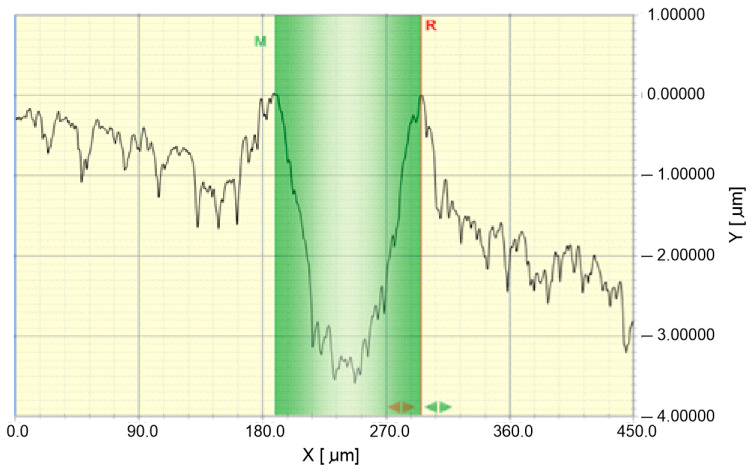
Four commercial materials were compared. Shore hardness tests and a scratch test with a Rockwell indenter were performed. A sliding wear test was performed using the ball-on-disc method. Statistical PCA and correlation analyses were performed.
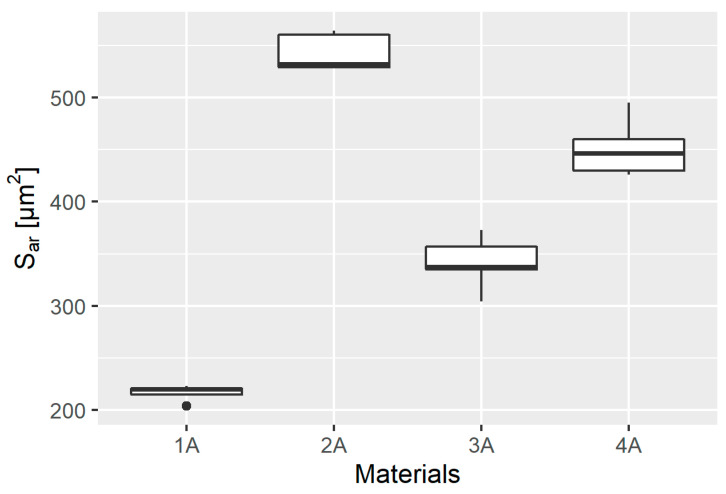
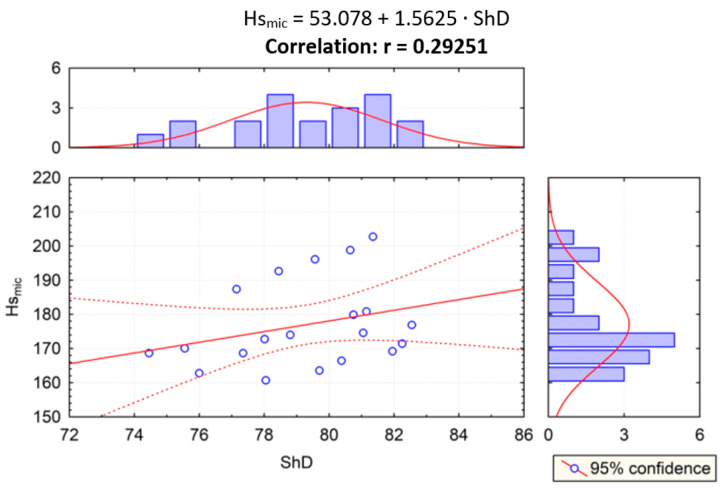
The results of scratch hardness measurements using a contact profilometer correlated with the Shore hardness to a greater extent than measurements made using an optical microscope. PCA showed that Shore hardness explains 45% of the total variance in all the results across the materials.
The scratch hardness method allows for a more explicit ranking of orthodontic polymeric materials when measurements are made with a profilometer. The ranking of sliding wear resistance should be made separately.
临床成功取决于由聚合物材料制成的医疗设备的接触强度和耐磨性。科学目标源于正畸矫治器生产中使用的材料表面评估方法不同的问题。这项工作的目的是对用于制造正畸矫治器的四种选定聚合物材料的压痕硬度、划痕硬度和滑动磨损进行实验性比较评估。
比较了四种商用材料。进行了肖氏硬度测试和使用洛氏压头的划痕测试。使用球盘法进行了滑动磨损测试。进行了统计主成分分析(PCA)和相关性分析。
使用接触轮廓仪进行的划痕硬度测量结果与肖氏硬度的相关性比使用光学显微镜进行的测量结果更大。主成分分析表明,肖氏硬度解释了所有材料所有结果总方差的45%。
当使用轮廓仪进行测量时,划痕硬度方法可以更明确地对正畸聚合物材料进行排名。滑动耐磨性的排名应单独进行。