Division of Endocrinology, Metabolism and Diabetes, First Department of Pediatrics, "Aghia Sophia" Children's Hospital, National and Kapodistrian University of Athens Medical School, 11527 Athens, Greece.
Division of Endocrinology and Metabolism, Center of Clinical, Experimental Surgery and Translational Research, Biomedical Research Foundation of the Academy of Athens, 11527 Athens, Greece.
Int J Mol Sci. 2021 May 31;22(11):5964. doi: 10.3390/ijms22115964.
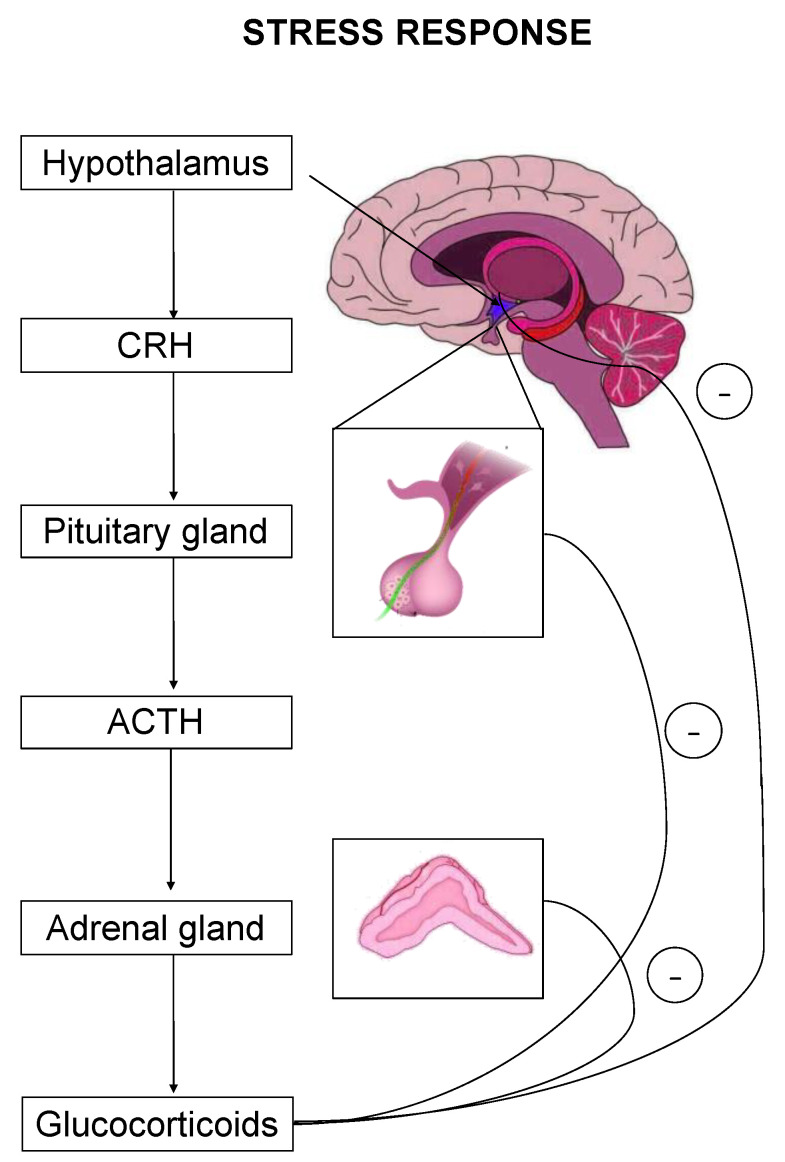
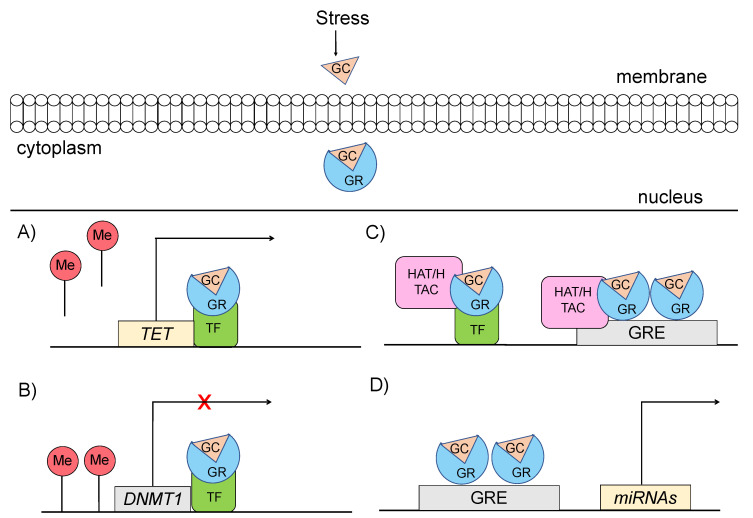
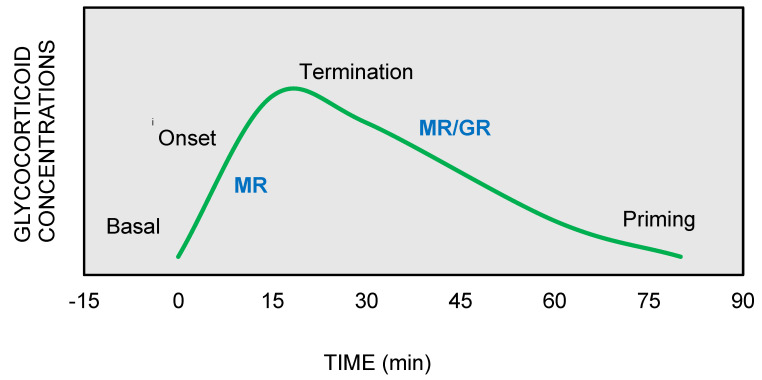
Stress is defined as a state of threatened or perceived as threatened homeostasis. The well-tuned coordination of the stress response system is necessary for an organism to respond to external or internal stressors and re-establish homeostasis. Glucocorticoid hormones are the main effectors of stress response and aberrant glucocorticoid signaling has been associated with an increased risk for psychiatric and mood disorders, including schizophrenia, post-traumatic stress disorder and depression. Emerging evidence suggests that life-stress experiences can alter the epigenetic landscape and impact the function of genes involved in the regulation of stress response. More importantly, epigenetic changes induced by stressors persist over time, leading to increased susceptibility for a number of stress-related disorders. In this review, we discuss the role of glucocorticoids in the regulation of stress response, the mechanism through which stressful experiences can become biologically embedded through epigenetic alterations, and we underline potential associations between epigenetic changes and the development of stress-related disorders.
压力被定义为一种内稳态受到威胁或被感知到受到威胁的状态。压力反应系统的良好协调对于生物体应对外部或内部应激源并重新建立内稳态是必要的。糖皮质激素是应激反应的主要效应物,糖皮质激素信号异常与精神和情绪障碍的风险增加有关,包括精神分裂症、创伤后应激障碍和抑郁症。新出现的证据表明,生活压力经历可以改变表观遗传景观,并影响参与应激反应调节的基因的功能。更重要的是,应激源引起的表观遗传变化会随着时间的推移而持续存在,导致许多与应激相关的疾病的易感性增加。在这篇综述中,我们讨论了糖皮质激素在调节应激反应中的作用,以及应激经历如何通过表观遗传改变在生物学上被嵌入的机制,我们强调了表观遗传变化与应激相关疾病发展之间的潜在关联。