Zhang Jingjing, Ma Xiaoxuan, Fan Daidi
Shaanxi Key Laboratory of Degradable Biomedical Materials, School of Chemical Engineering, Northwest University, 229 Taibai North Road, Xi'an 710069, China.
Shaanxi R&D Center of Biomaterials and Fermentation Engineering, School of Chemical Engineering, Northwest University, 229 Taibai North Road, Xi'an 710069, China.
Foods. 2021 May 26;10(6):1195. doi: 10.3390/foods10061195.
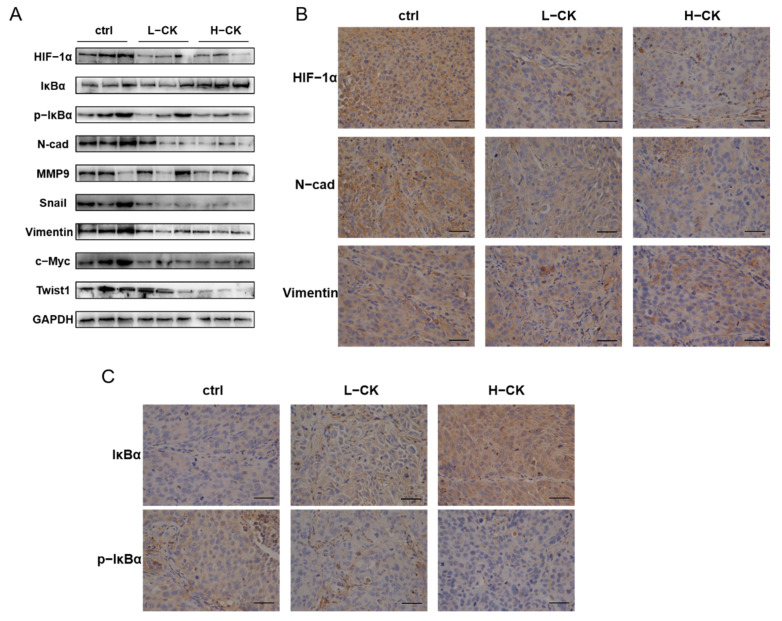
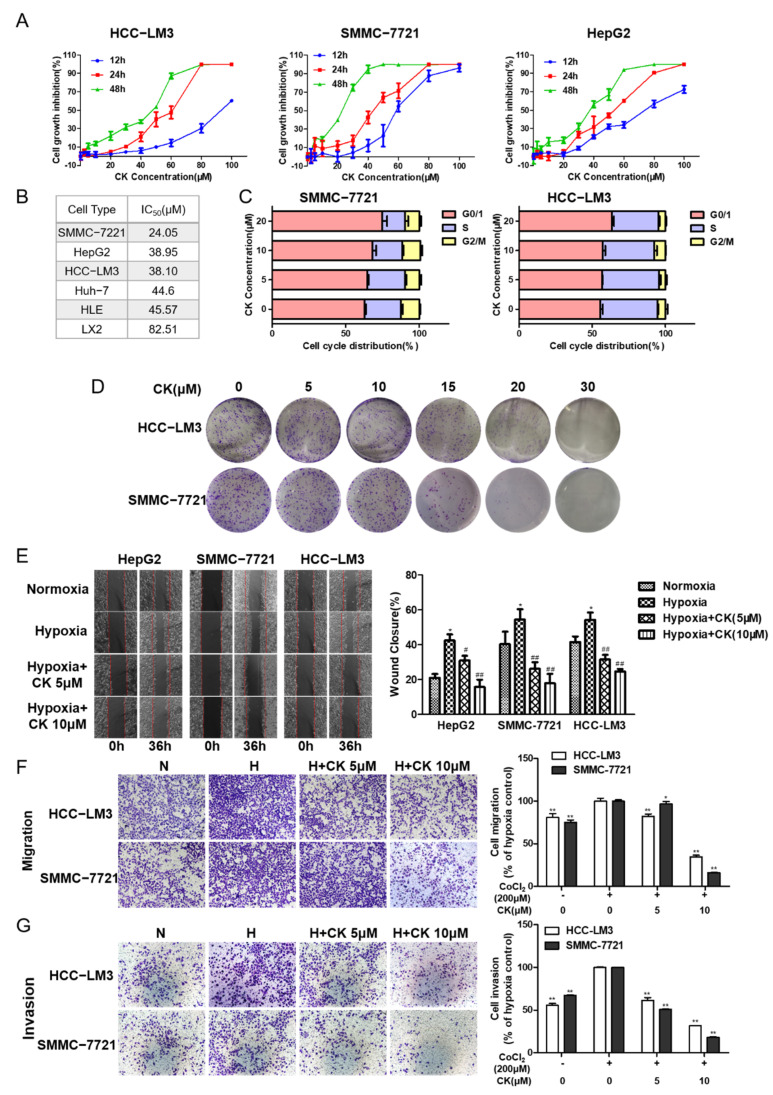
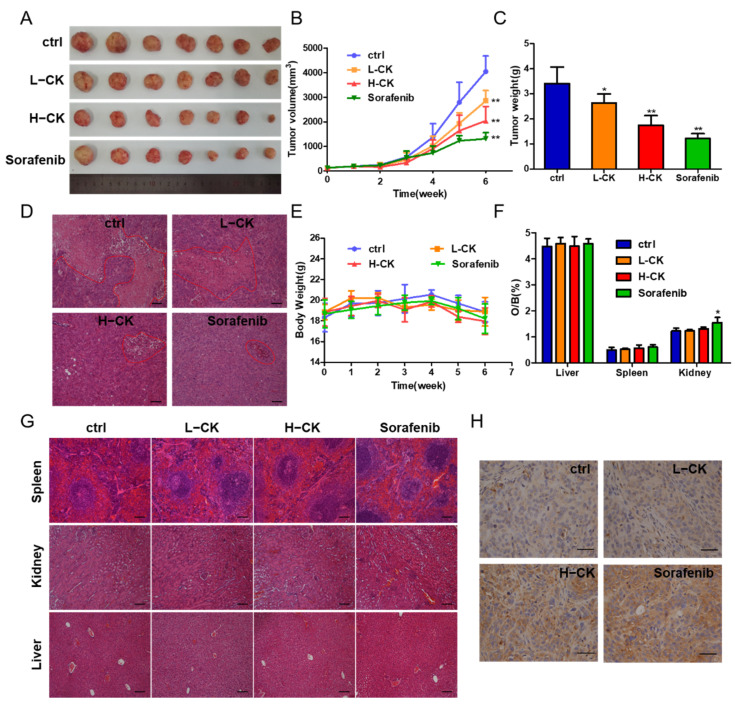
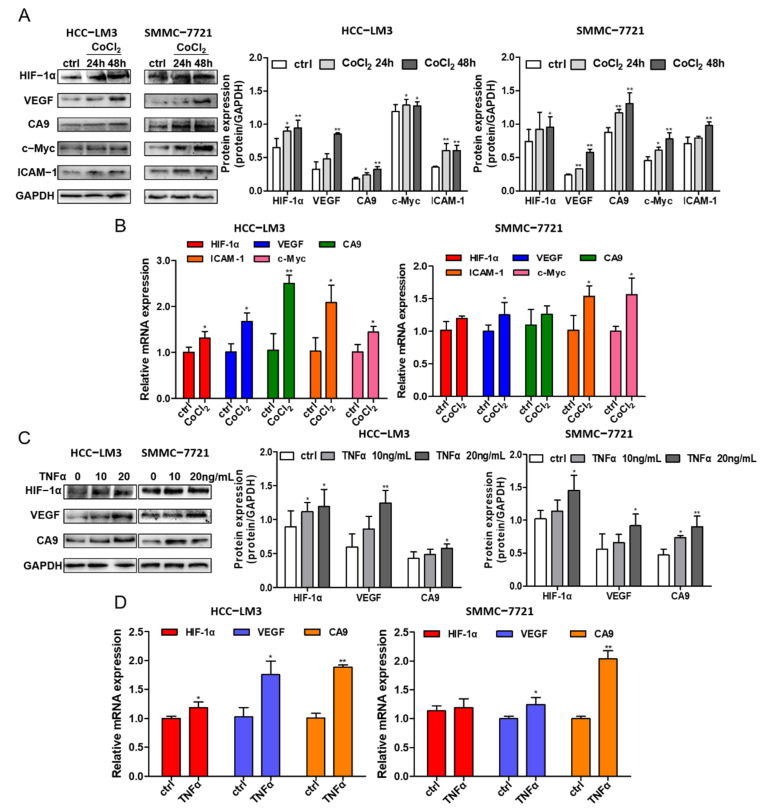
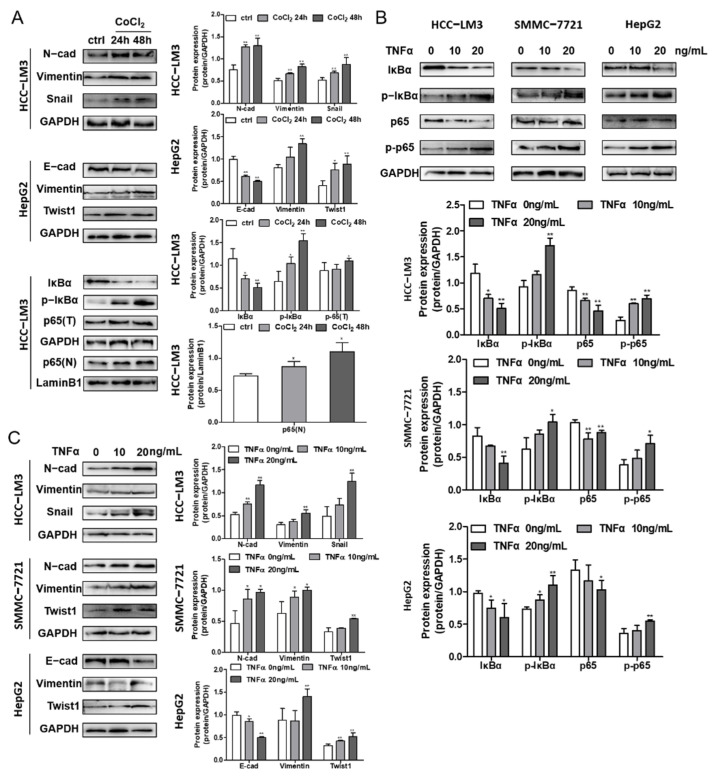
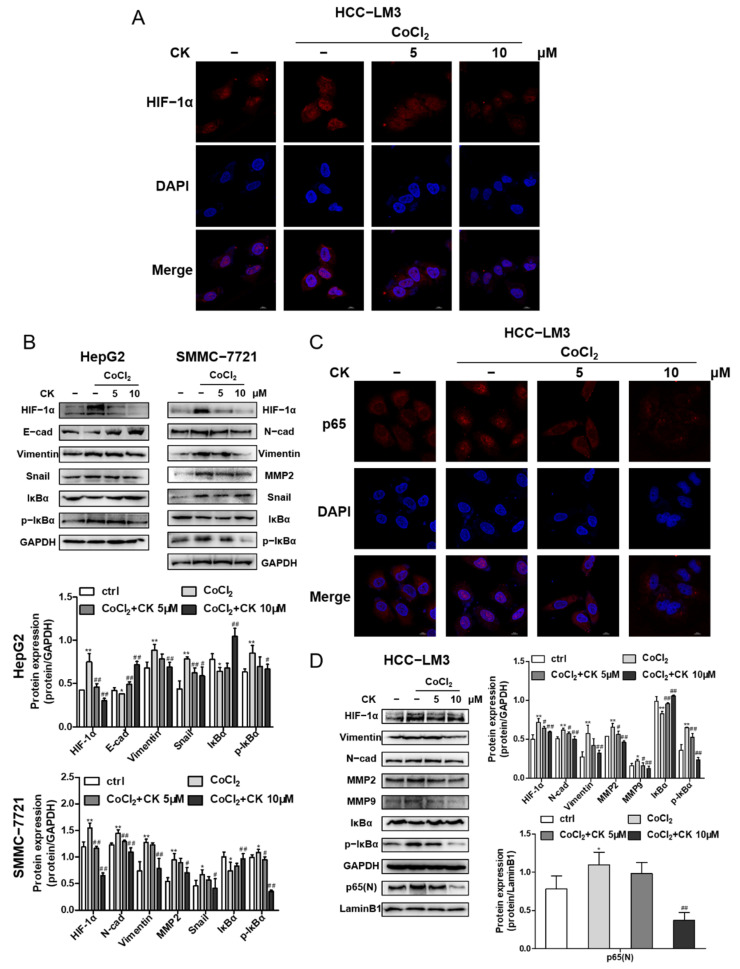
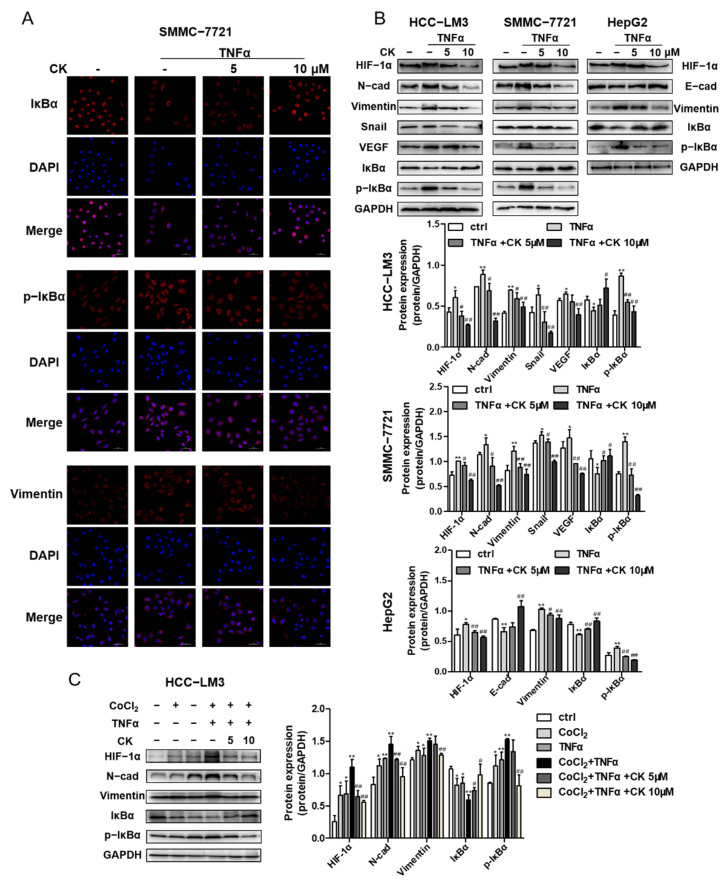
Hepatocellular carcinoma (HCC) is a kind of malignant tumor with high morbidity and mortality rates worldwide. Epithelial-mesenchymal transformation (EMT) is crucial for HCC progression and prognosis. Characteristics of the tumor microenvironment, such as hypoxia, and excessive activation of the NF-κB signaling pathway have been identified as the key inducers of EMT in HCC. In our study, we verified the crosstalk between HIF-1α signaling and NF-κB pathway and their effects on EMT in HCC cells. The results show that CoCl-induced hypoxia could promote IκB phosphorylation to activate NF-κB signaling and vice versa. Moreover, we found that ginsenoside CK, a metabolite of protopanaxadiol saponins, could inhibit the proliferation and colony formation of different HCC cell lines. Furthermore, ginsenoside CK could impair the metastatic potential of HCC cell lines under hypoxic conditions. Mechanistically, ginsenoside CK suppressed HIF-1α/NF-κB signaling and expression level of EMT-related proteins and cytokines in hypoxia-induced or TNFα-stimulated HCC cell lines. An in vivo study revealed that the oral delivery of ginsenoside CK could inhibit the growth of xenograft tumors and block HIF-1α and NF-κB signaling as well as EMT marker expression. Our study suggests that ginsenoside CK is a potential therapy for HCC patients that functions by targeting the HIF-1α/NF-κB crosstalk.
肝细胞癌(HCC)是一种在全球范围内发病率和死亡率都很高的恶性肿瘤。上皮-间质转化(EMT)对HCC的进展和预后至关重要。肿瘤微环境的特征,如缺氧以及NF-κB信号通路的过度激活,已被确定为HCC中EMT的关键诱导因素。在我们的研究中,我们验证了HIF-1α信号与NF-κB通路之间的相互作用及其对HCC细胞中EMT的影响。结果表明,氯化钴诱导的缺氧可促进IκB磷酸化以激活NF-κB信号,反之亦然。此外,我们发现原人参二醇皂苷的代谢产物人参皂苷CK可抑制不同HCC细胞系的增殖和集落形成。此外,人参皂苷CK可削弱缺氧条件下HCC细胞系的转移潜能。从机制上讲,人参皂苷CK在缺氧诱导或TNFα刺激的HCC细胞系中抑制HIF-1α/NF-κB信号以及EMT相关蛋白和细胞因子的表达水平。一项体内研究表明,口服人参皂苷CK可抑制异种移植肿瘤的生长,并阻断HIF-1α和NF-κB信号以及EMT标志物的表达。我们的研究表明,人参皂苷CK是一种针对HCC患者的潜在治疗方法,其作用机制是靶向HIF-1α/NF-κB的相互作用。