Azzam Azza Abdel Aziz, Samy Azza, Sefein Ihab, ElRouby Iman
Phoniatrics Department, National Hearing and Speech Institute (HSI), General Organization for Teaching Hospitals and Institutes (GOTHI), Giza, Egypt.
Department of Otolaryngology (Ear, Nose and Throat), National Hearing and Speech Institute, General Organization for Teaching Hospitals and Institutes (GOTHI), Giza, Egypt.
Indian J Otolaryngol Head Neck Surg. 2022 Oct;74(Suppl 2):3420-3426. doi: 10.1007/s12070-021-02663-0. Epub 2021 May 28.
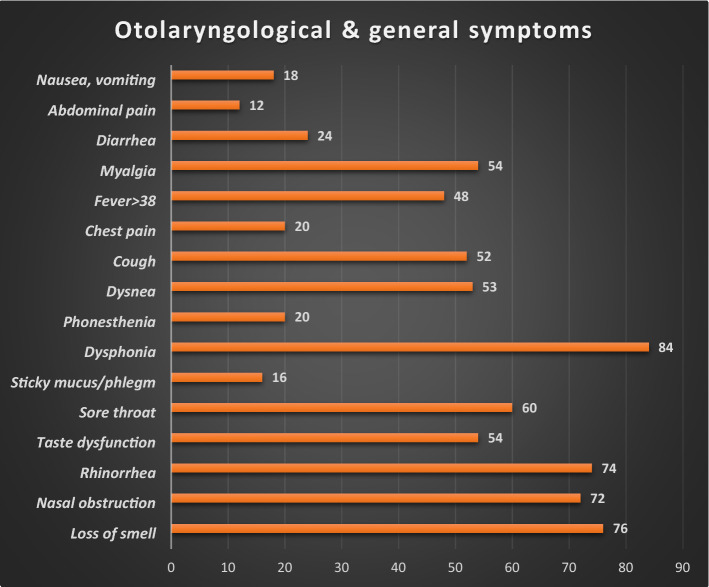
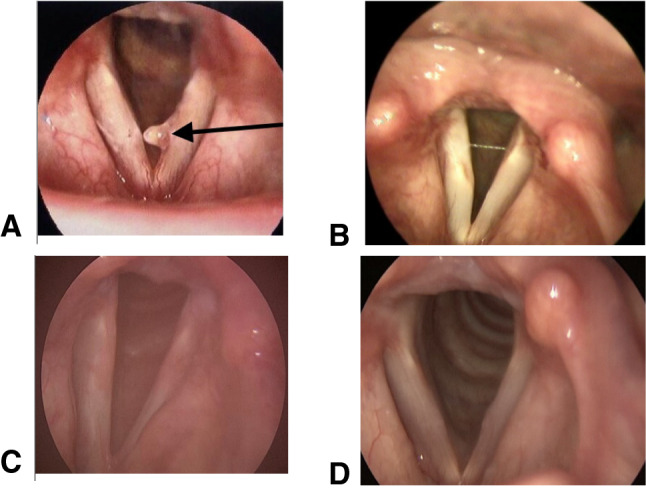
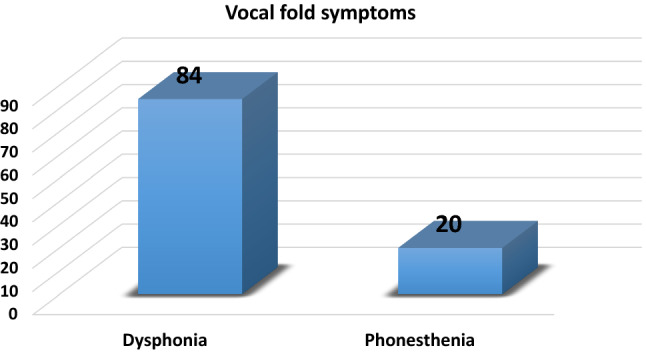
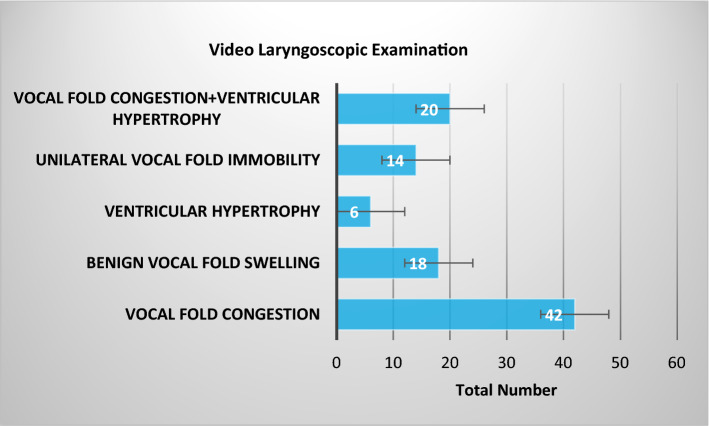
COVID-19 is considered a respiratory disease which has many symptoms associated with the larynx and the lungs infections. COVID-19 has wide spectrum of clinical features starting from mild symptoms to severe illness. Otolaryngological symptoms as nasal obstruction, loss of smell, taste dysfunction, sore throat, sticky mucus, and dysphagia are common in COVID-19 patients. Other vocal symptoms as dysphonia and phonesthenia are common in COVID-19 patients. The aim of this study is to detect the occurrence of vocal symptoms in COVID-19 patients in Egypt and to investigate the videolaryngoscopic findings associated with these symptoms. A total number of 106 patients diagnosed with COVID-19 were randomly assessed for vocal symptoms. The following epidemiological and clinical data were collected: age, gender, smoking consumption, general symptoms, otolaryngological and vocal symptoms as dysphonia and phonesthenia. Auditory perceptual assessment of voice and videolaryngoscopic examination were done. The occurrence of dysphonia and phonesthenia were observed in COVID -19 patients. Of the 106 patients, 84 patients (79%) were dysphonic, 20 (18.8%) patients were phonesthenic. The correlation of the different otolaryngological symptoms with dysphonia and phonesthenia were reported. A significant correlation was found between dysphonic patients and rhinorrhea, taste dysfunction, sore throat, and cough. A significant correlation was found between phonesthenic patients and allergic rhinitis. Videolaryngoscopic findings were detected in COVID-19 patients. Vocal fold congestion was found in 42 patients (39.6%), benign vocal fold swellings was found in 18 patients (16.9%), ventricular hypertrophy was found in 6 patients (0.05%), unilateral vocal fold immobility was found in 14 patients (13.2%), and vocal fold congestion associated with ventricular fold hypertrophy was found in 20 patients (18.8%).There was significant correlation of dysphonia and phonesthenia with vocal fold congestion ( value:0.001, value:0.039 respectively).There was a significant correlation between cough and vocal fold congestion ( value: 0.000). Benign vocal fold swellings were associated with 18 patients (16.9%), but it was not statistically significant ( value: 0.931). Dysphonia and phonesthenia were observed in patients with mild to moderate COVID-19.The vocal symptoms were associated with different laryngoscopic findings, in which, vocal fold congestion was the commonest.
新型冠状病毒肺炎(COVID-19)被认为是一种呼吸系统疾病,有许多与喉和肺部感染相关的症状。COVID-19具有广泛的临床特征,从轻症到重症。耳鼻喉科症状如鼻塞、嗅觉丧失、味觉功能障碍、咽痛、黏液黏稠和吞咽困难在COVID-19患者中很常见。其他嗓音症状如发音障碍和发声疲劳在COVID-19患者中也很常见。本研究的目的是检测埃及COVID-19患者中嗓音症状的发生情况,并调查与这些症状相关的电子喉镜检查结果。对总共106例确诊为COVID-19的患者进行了嗓音症状的随机评估。收集了以下流行病学和临床数据:年龄、性别、吸烟情况、一般症状、耳鼻喉科和嗓音症状如发音障碍和发声疲劳。进行了嗓音的听觉感知评估和电子喉镜检查。观察到COVID-19患者中存在发音障碍和发声疲劳。在106例患者中,84例(79%)有发音障碍,20例(18.8%)有发声疲劳。报告了不同耳鼻喉科症状与发音障碍和发声疲劳的相关性。发现发音障碍患者与鼻漏、味觉功能障碍、咽痛和咳嗽之间存在显著相关性。发现发声疲劳患者与变应性鼻炎之间存在显著相关性。在COVID-19患者中检测到电子喉镜检查结果。42例患者(39.6%)发现声带充血,18例患者(16.9%)发现声带良性肿胀,6例患者(0.05%)发现室带肥厚,14例患者(13.2%)发现单侧声带麻痹,20例患者(18.8%)发现声带充血伴室带肥厚。发音障碍和发声疲劳与声带充血之间存在显著相关性(分别为P值:0.001,P值:0.039)。咳嗽与声带充血之间存在显著相关性(P值:0.000)。18例患者(16.9%)存在声带良性肿胀,但无统计学意义(P值:0.931)。轻度至中度COVID-19患者中观察到发音障碍和发声疲劳。嗓音症状与不同的喉镜检查结果相关,其中声带充血最为常见。