Abbvie Inc., 1 N. Waukegan Rd, North Chicago, Illinois, 60064, USA.
AAPS J. 2021 Jun 2;23(4):78. doi: 10.1208/s12248-021-00608-7.
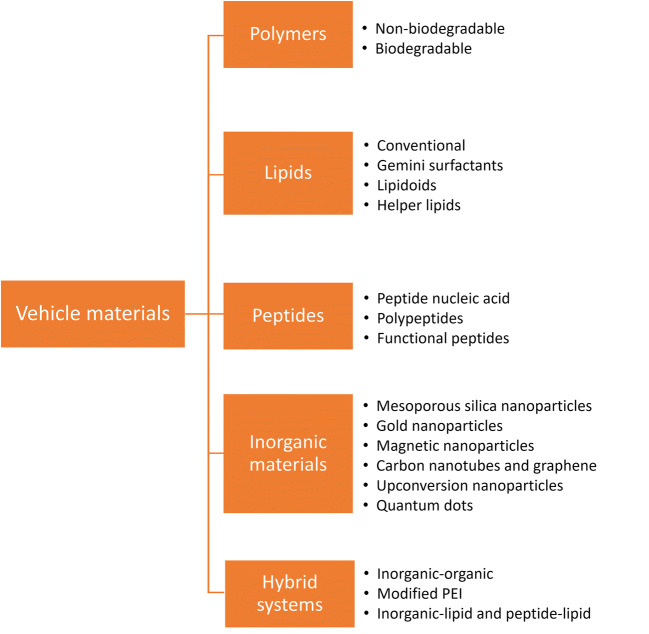
Gene therapy has been experiencing a breakthrough in recent years, targeting various specific cell groups in numerous therapeutic areas. However, most recent clinical studies maintain the use of traditional viral vector systems, which are challenging to manufacture cost-effectively at a commercial scale. Non-viral vectors have been a fast-paced research topic in gene delivery, such as polymers, lipids, inorganic particles, and combinations of different types. Although non-viral vectors are low in their cytotoxicity, immunogenicity, and mutagenesis, attracting more and more researchers to explore the promising delivery system, they do not carry ideal characteristics and have faced critical challenges, including gene transfer efficiency, specificity, gene expression duration, and safety. This review covers the recent advancement in non-viral vectors research and formulation aspects, the challenges, and future perspectives.
近年来,基因治疗在多个治疗领域针对各种特定细胞群取得了突破性进展。然而,大多数最近的临床研究仍然使用传统的病毒载体系统,这些系统在商业规模上具有成本效益的制造具有挑战性。非病毒载体是基因传递的一个快速发展的研究课题,如聚合物、脂质、无机颗粒和不同类型的组合。尽管非病毒载体的细胞毒性、免疫原性和致突变性较低,吸引了越来越多的研究人员探索有前途的传递系统,但它们并不具有理想的特性,并面临着关键挑战,包括基因转移效率、特异性、基因表达持续时间和安全性。本综述涵盖了非病毒载体研究和制剂方面的最新进展、挑战和未来展望。