Wang Yanfang, Wagner Ernst
Pharmaceutical Biotechnology, Center for System-based Drug Research, Center for NanoScience (CeNS), Ludwig-Maximilians-Universität, D-81377 Munich, Germany.
Pharmaceutics. 2020 Sep 18;12(9):888. doi: 10.3390/pharmaceutics12090888.
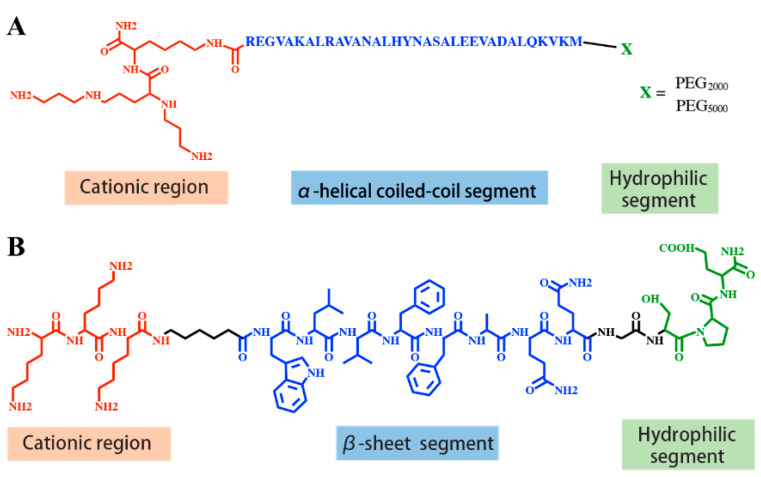
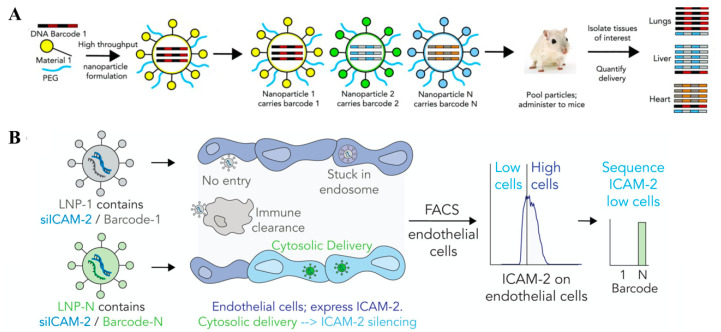
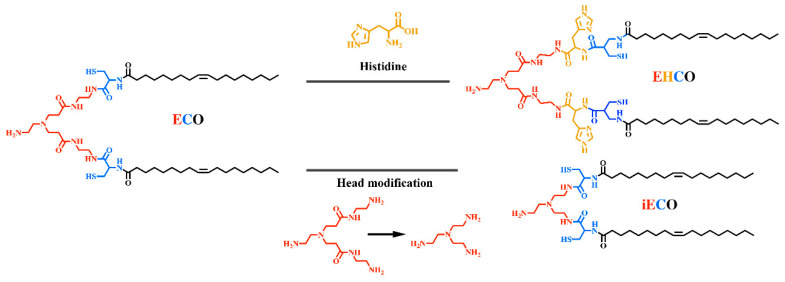
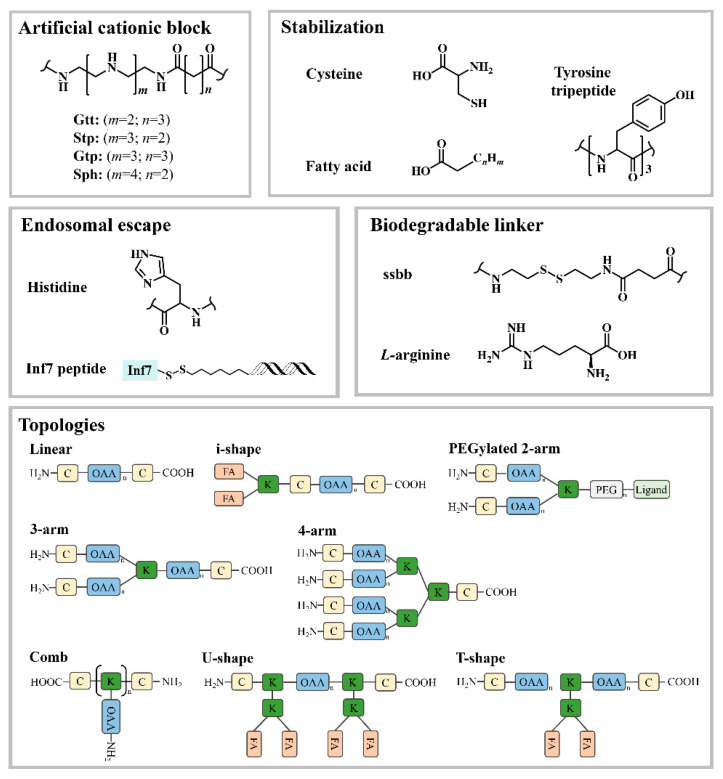
In nature, genomes have been optimized by the evolution of their nucleic acid sequences. The design of peptide-like carriers as synthetic sequences provides a strategy for optimizing multifunctional targeted nucleic acid delivery in an iterative process. The optimization of sequence-defined nanocarriers differs for different nucleic acid cargos as well as their specific applications. Supramolecular self-assembly enriched the development of a virus-inspired non-viral nucleic acid delivery system. Incorporation of DNA barcodes presents a complementary approach of applying sequences for nanocarrier optimization. This strategy may greatly help to identify nucleic acid carriers that can overcome pharmacological barriers and facilitate targeted delivery in vivo. Barcode sequences enable simultaneous evaluation of multiple nucleic acid nanocarriers in a single test organism for in vivo biodistribution as well as in vivo bioactivity.
在自然界中,基因组通过其核酸序列的进化而得到优化。设计肽样载体作为合成序列为在迭代过程中优化多功能靶向核酸递送提供了一种策略。序列定义的纳米载体的优化因不同的核酸货物及其特定应用而异。超分子自组装丰富了受病毒启发的非病毒核酸递送系统的发展。DNA条形码的掺入为应用序列进行纳米载体优化提供了一种补充方法。这种策略可能极大地有助于识别能够克服药理学障碍并促进体内靶向递送的核酸载体。条形码序列能够在单个测试生物体中同时评估多种核酸纳米载体的体内生物分布以及体内生物活性。