Loughborough University, Loughborough, UK.
Agri-Tech Centre, Pershore College, Part of WCG, Pershore, UK.
Ann Bot. 2021 Aug 26;128(3):301-314. doi: 10.1093/aob/mcab065.
Secondary metabolites are integral to multiple key plant processes (growth regulation, pollinator attraction and interactions with conspecifics, competitors and symbionts) yet their role in plant adaptation remains an underexplored area of research. Carnivorous plants use secondary metabolites to acquire nutrients from prey, but the extent of the role of secondary metabolites in plant carnivory is not known. We aimed to determine the extent of the role of secondary metabolites in facilitating carnivory of the Cape sundew, Drosera capensis.
We conducted metabolomic analysis of 72 plants in a time-series experiment before and after simulated prey capture. We used ultra-high-performance liquid chromatography-tandem mass spectrometry (UHPLC-MS/MS) and the retention time index to identify compounds in the leaf trap tissue that changed up to 72 h following simulated prey capture. We identified associated metabolic pathways, and cross-compared these compounds with metabolites previously known to be involved in carnivorous plants across taxa.
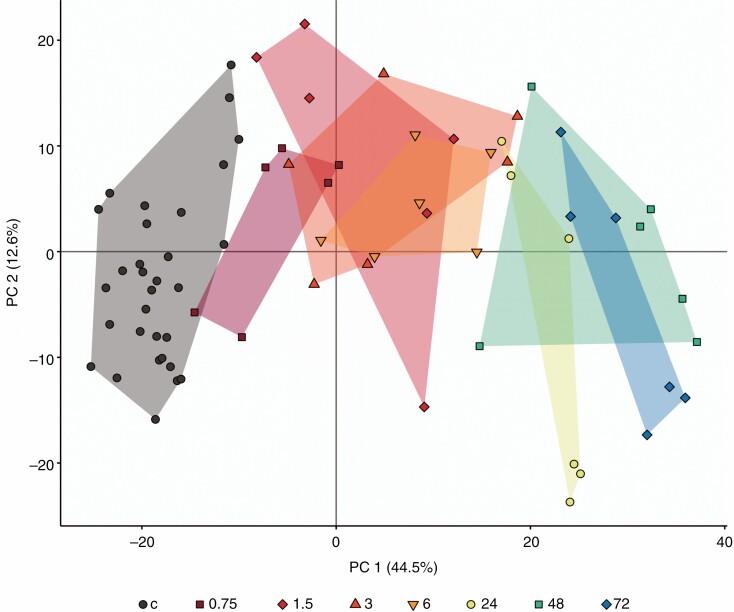
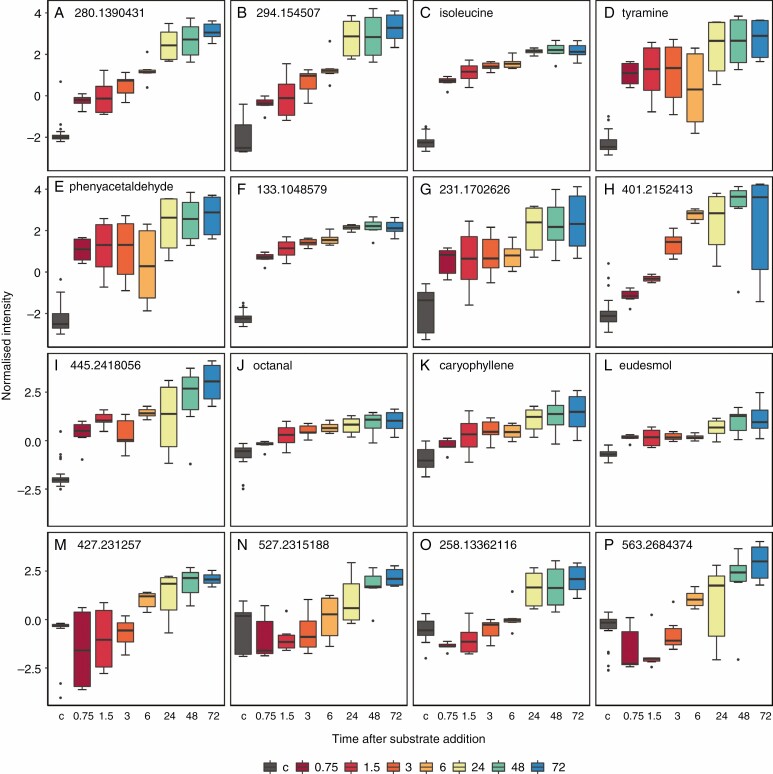
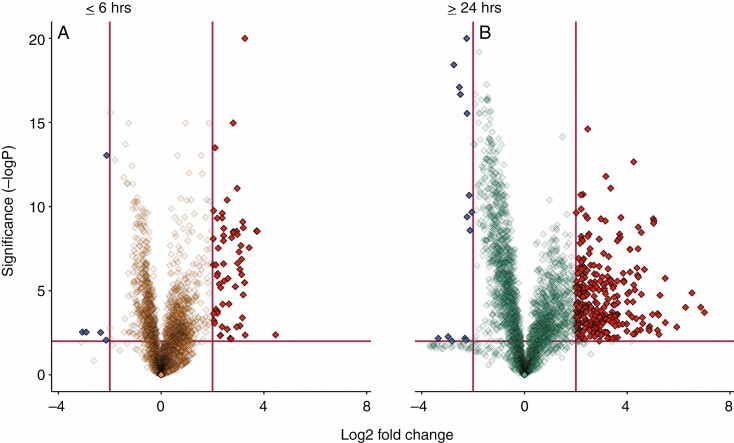
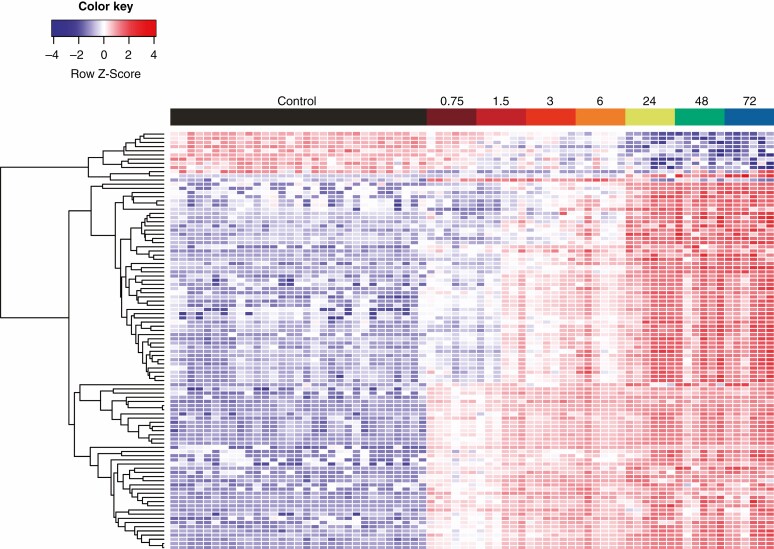
For the first time in a carnivorous plant, we have profiled the whole-leaf metabolome response to prey capture. Reliance on secondary plant metabolites was higher than previously thought - 2383 out of 3257 compounds in fed leaves had statistically significant concentration changes in comparison with unfed controls. Of these, ~34 compounds are also associated with carnivory in other species; 11 are unique to Nepenthales. At least 20 compounds had 10-fold changes in concentration, 12 of which had 30-fold changes and are typically associated with defence or attraction in non-carnivorous plants.
Secondary plant metabolites are utilized in plant carnivory to an extent greater than previously thought - we found a whole-metabolome response to prey capture. Plant carnivory, at the metabolic level, likely evolved from at least two distinct functions: attraction and defence. Findings of this study support the hypothesis that secondary metabolites play an important role in plant diversification and adaptation to new environments.
次生代谢物是多种关键植物过程(生长调节、传粉者吸引以及与同种、竞争和共生生物的相互作用)的组成部分,但它们在植物适应中的作用仍是一个研究不足的领域。食虫植物利用次生代谢物从猎物中获取营养,但次生代谢物在植物食虫性中的作用程度尚不清楚。我们旨在确定次生代谢物在促进海角茅膏菜(Drosera capensis)食虫性中的作用程度。
我们在模拟猎物捕获前后对 72 株植物进行了时间序列实验的代谢组学分析。我们使用超高效液相色谱-串联质谱(UHPLC-MS/MS)和保留时间指数来鉴定叶捕捉组织中在模拟猎物捕获后 72 小时内发生变化的化合物。我们确定了相关的代谢途径,并将这些化合物与跨分类群已知参与食虫植物的代谢物进行交叉比较。
这是首次在食虫植物中对猎物捕获后整个叶片代谢组的响应进行了分析。对次生植物代谢物的依赖程度高于之前的预期——与未喂食对照相比,喂食叶片中有 2383 种化合物的浓度有统计学意义的变化,而这些化合物中有 34 种化合物也与其他物种的食虫性有关;11 种化合物是 Nepenthales 所特有的。至少有 20 种化合物的浓度变化了 10 倍,其中 12 种化合物的浓度变化了 30 倍,这些化合物通常与非食虫植物的防御或吸引有关。
次生植物代谢物在植物食虫性中的作用程度超出了之前的预期——我们发现了对猎物捕获的全代谢组反应。在代谢水平上,植物食虫性可能至少是从两个不同的功能进化而来的:吸引和防御。本研究的发现支持了次生代谢物在植物多样化和适应新环境中发挥重要作用的假设。