School of Animal and Comparative Biomedical Sciences, The University of Arizona, Tucson, AZ, United States.
Department of Pediatrics, University of Colorado School of Medicine, Aurora, CO, United States.
Front Endocrinol (Lausanne). 2021 May 17;12:612888. doi: 10.3389/fendo.2021.612888. eCollection 2021.
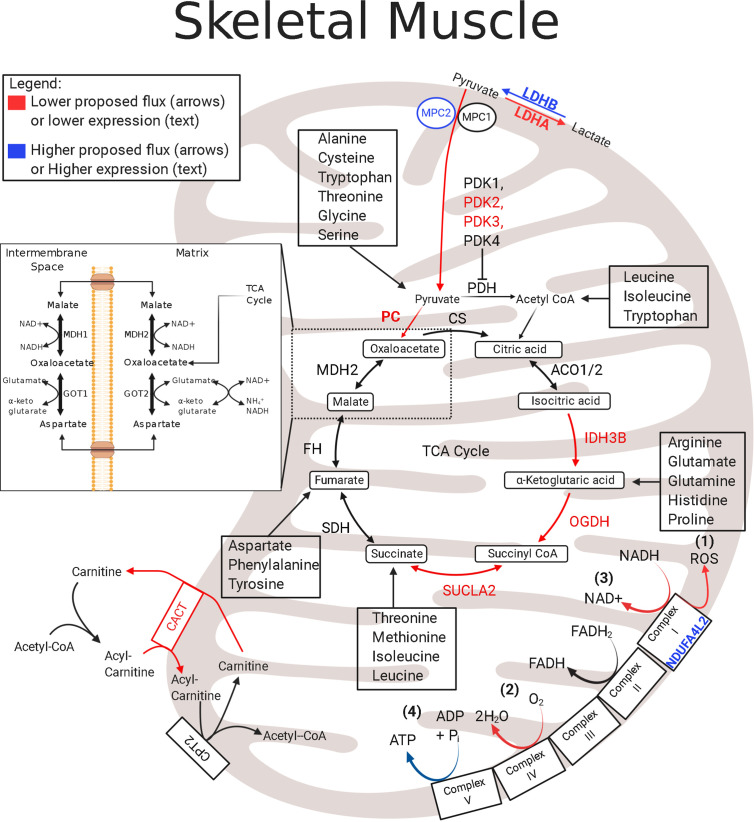
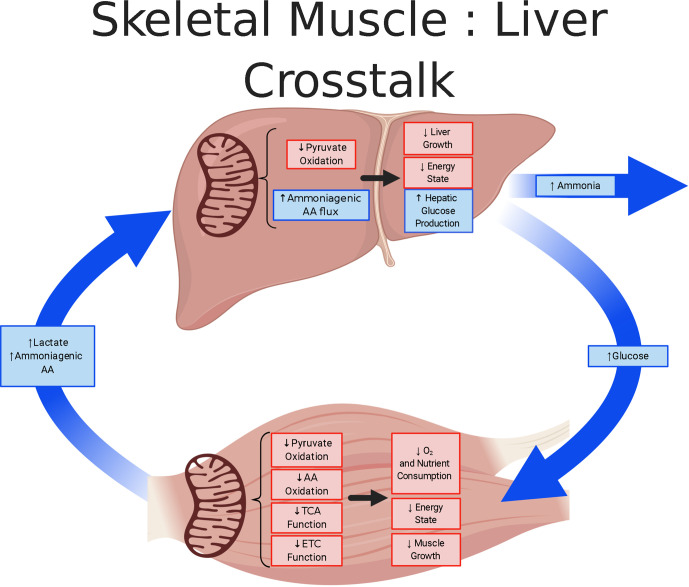
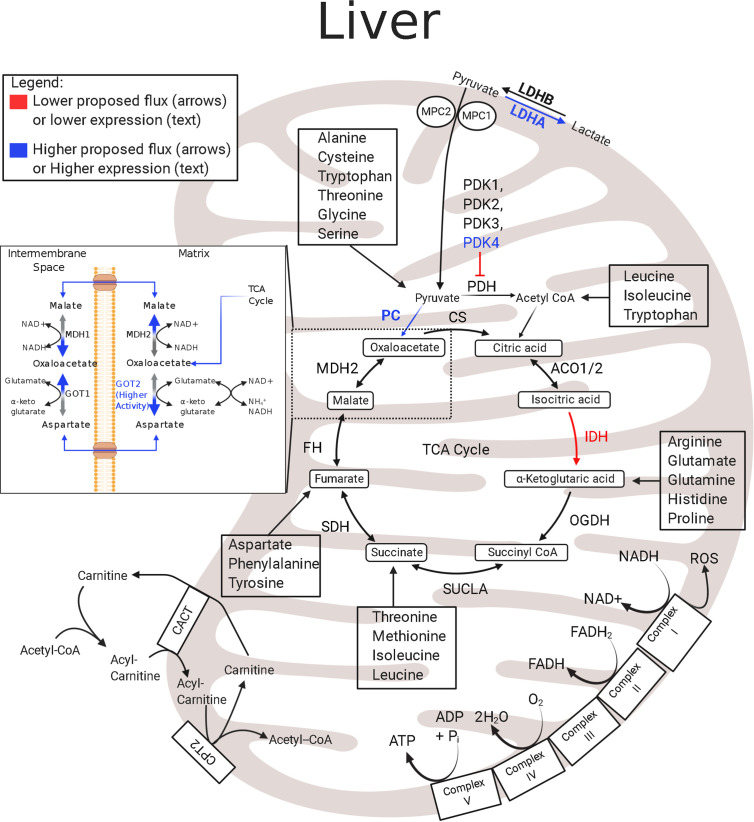
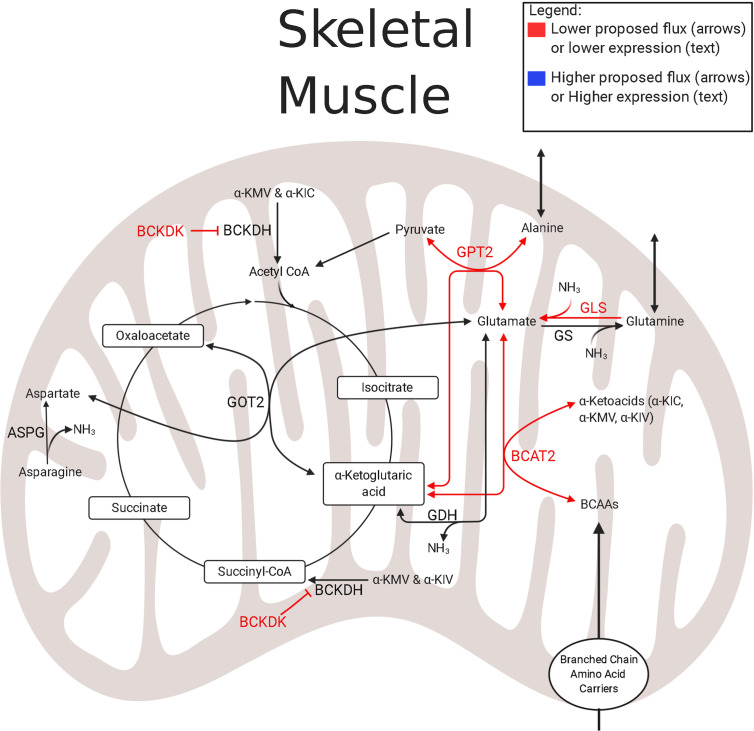
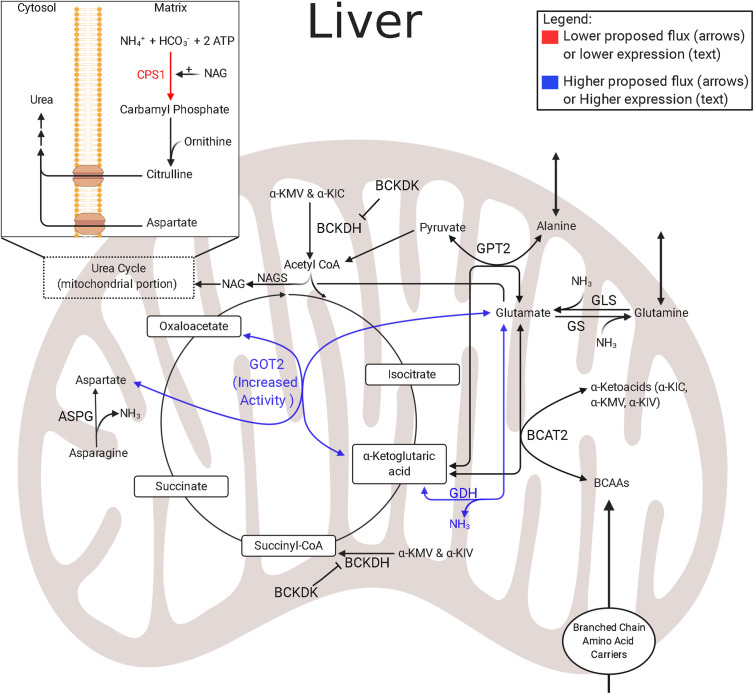
Intrauterine growth restriction (IUGR) of the fetus, resulting from placental insufficiency (PI), is characterized by low fetal oxygen and nutrient concentrations that stunt growth rates of metabolic organs. Numerous animal models of IUGR recapitulate pathophysiological conditions found in human fetuses with IUGR. These models provide insight into metabolic dysfunction in skeletal muscle and liver. For example, cellular energy production and metabolic rate are decreased in the skeletal muscle and liver of IUGR fetuses. These metabolic adaptations demonstrate that fundamental processes in mitochondria, such as substrate utilization and oxidative phosphorylation, are tempered in response to low oxygen and nutrient availability. As a central metabolic organelle, mitochondria coordinate cellular metabolism by coupling oxygen consumption to substrate utilization in concert with tissue energy demand and accretion. In IUGR fetuses, reducing mitochondrial metabolic capacity in response to nutrient restriction is advantageous to ensure fetal survival. If permanent, however, these adaptations may predispose IUGR fetuses toward metabolic diseases throughout life. Furthermore, these mitochondrial defects may underscore developmental programming that results in the sequela of metabolic pathologies. In this review, we examine how reduced nutrient availability in IUGR fetuses impacts skeletal muscle and liver substrate catabolism, and discuss how enzymatic processes governing mitochondrial function, such as the tricarboxylic acid cycle and electron transport chain, are regulated. Understanding how deficiencies in oxygen and substrate metabolism in response to placental restriction regulate skeletal muscle and liver metabolism is essential given the importance of these tissues in the development of later lifer metabolic dysfunction.
胎儿宫内生长受限(IUGR)是由胎盘功能不全(PI)引起的,其特征是胎儿的氧气和营养浓度低,从而减缓代谢器官的生长速度。许多 IUGR 的动物模型再现了人类 IUGR 胎儿中发现的病理生理状况。这些模型为骨骼肌和肝脏的代谢功能障碍提供了深入的了解。例如,IUGR 胎儿的骨骼肌和肝脏中细胞能量产生和代谢率降低。这些代谢适应表明,线粒体中的基本过程,如底物利用和氧化磷酸化,会根据低氧和营养供应情况进行调整。作为中央代谢细胞器,线粒体通过将耗氧量与底物利用相偶联,协调细胞代谢,以适应组织能量需求和物质积累。在 IUGR 胎儿中,为了应对营养限制而降低线粒体代谢能力是有利的,以确保胎儿的生存。然而,如果这种适应是永久性的,可能会使 IUGR 胎儿在一生中更容易患上代谢疾病。此外,这些线粒体缺陷可能强调了发育编程,导致代谢病理的后果。在这篇综述中,我们研究了 IUGR 胎儿中营养物质可用性的降低如何影响骨骼肌和肝脏的底物分解代谢,并讨论了调节线粒体功能的酶过程,如三羧酸循环和电子传递链,是如何被调节的。鉴于这些组织在后期生活代谢功能障碍的发展中的重要性,了解氧气和底物代谢不足如何应对胎盘限制调节骨骼肌和肝脏代谢是至关重要的。