Division of Allergy, Pulmonary and Critical Care Medicine, Department of Medicine, Vanderbilt University School of Medicine, Nashville, TN, USA.
Department of Veterans Affairs, Tennessee Valley Health Care System, Nashville, TN, USA.
Sci Rep. 2021 Jun 7;11(1):11907. doi: 10.1038/s41598-021-91395-w.
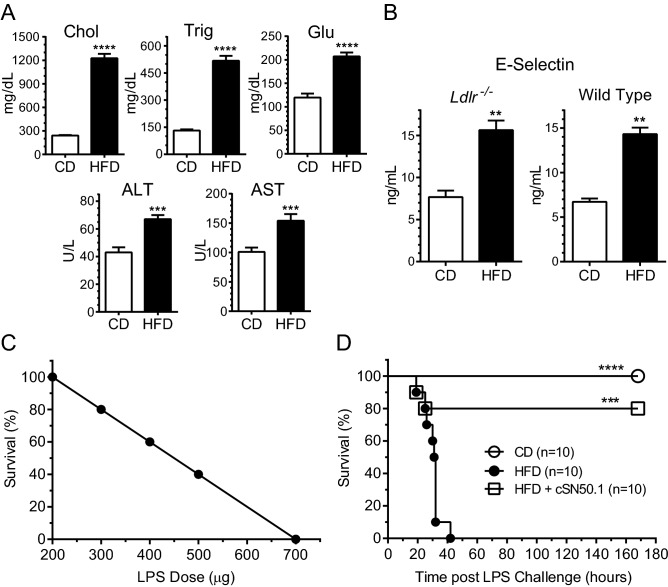
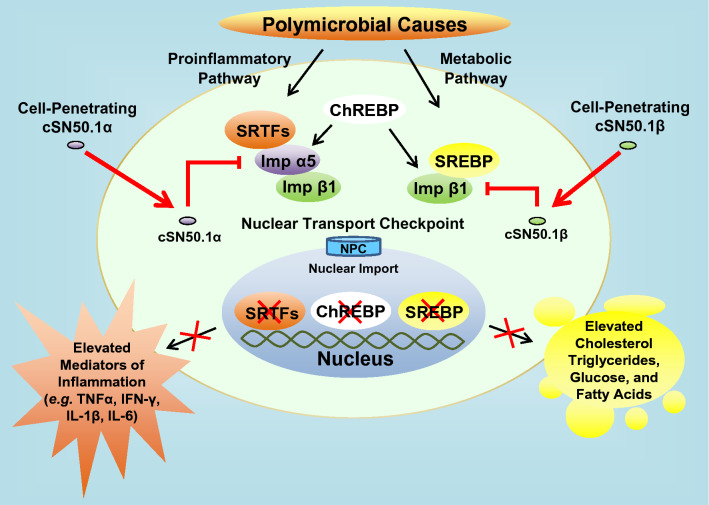
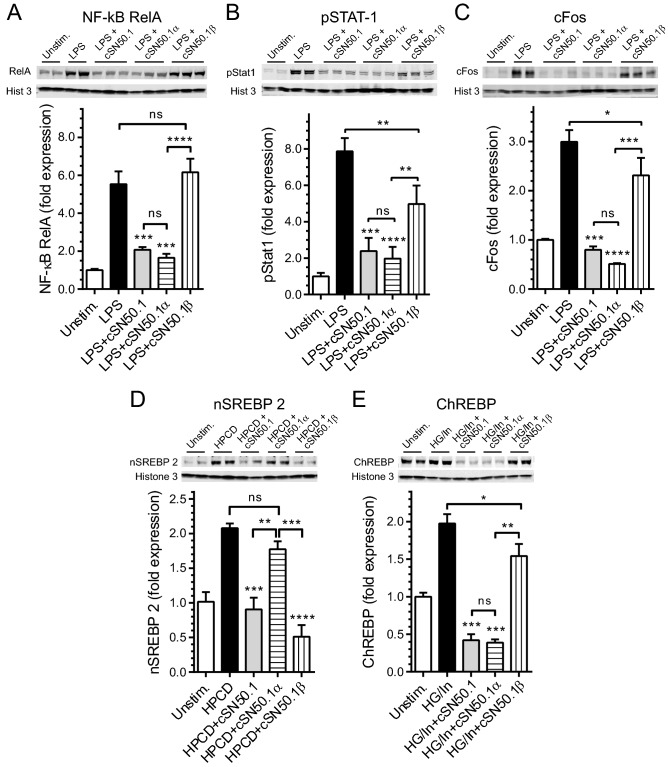
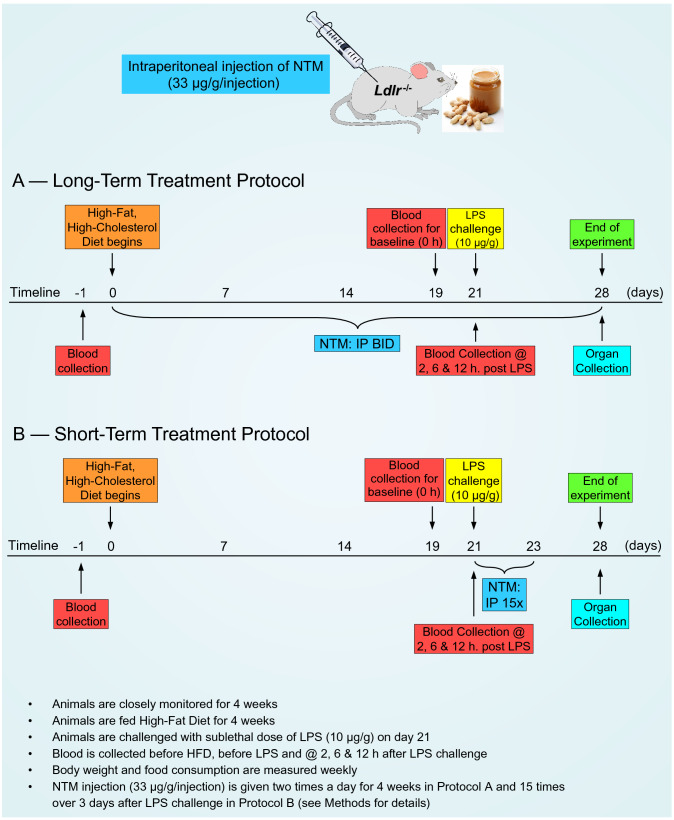
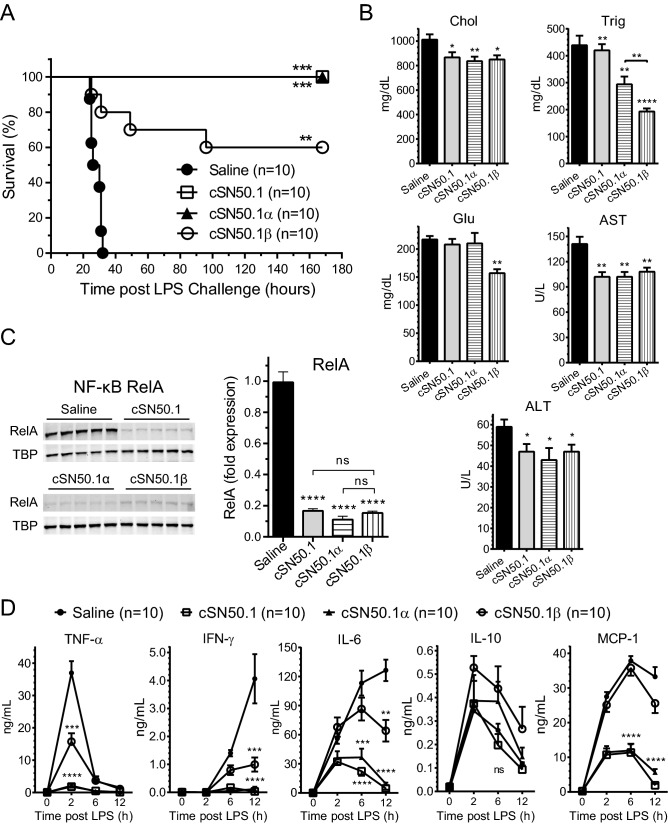
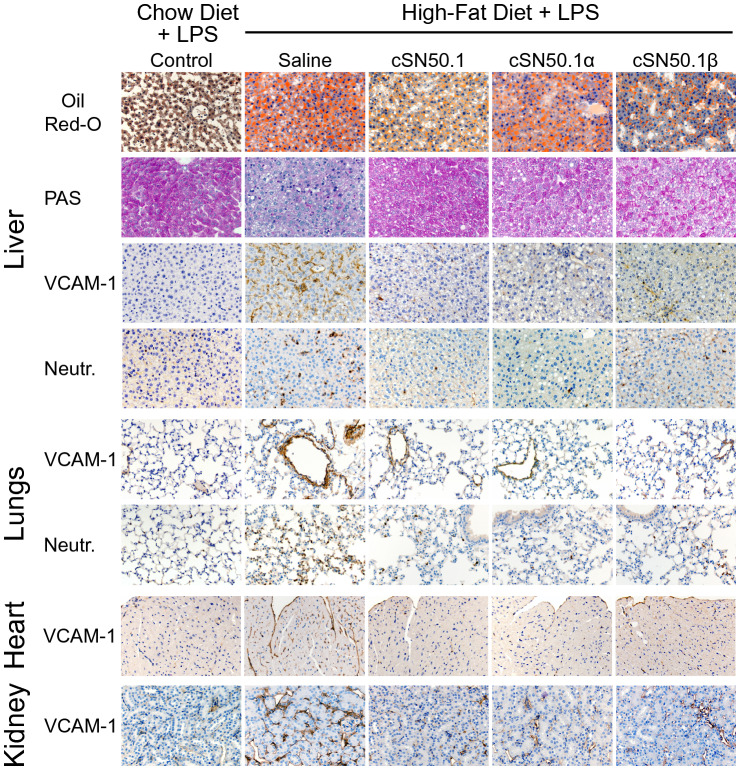
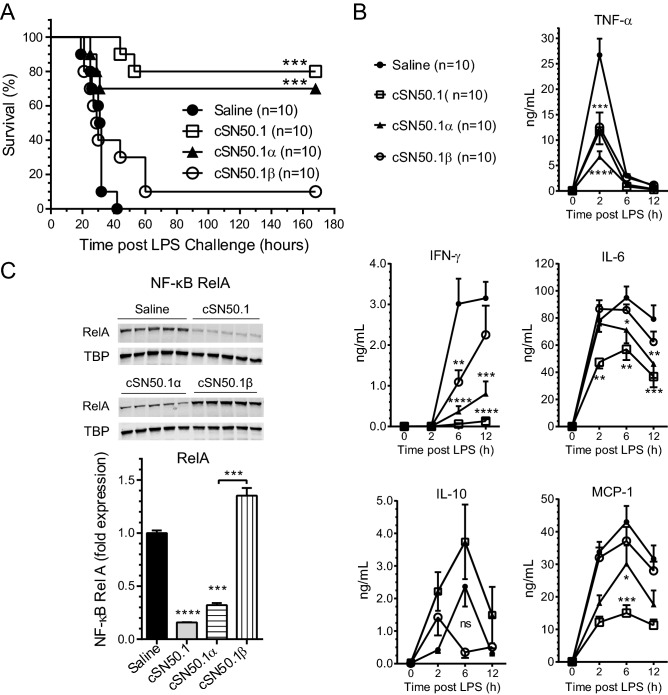
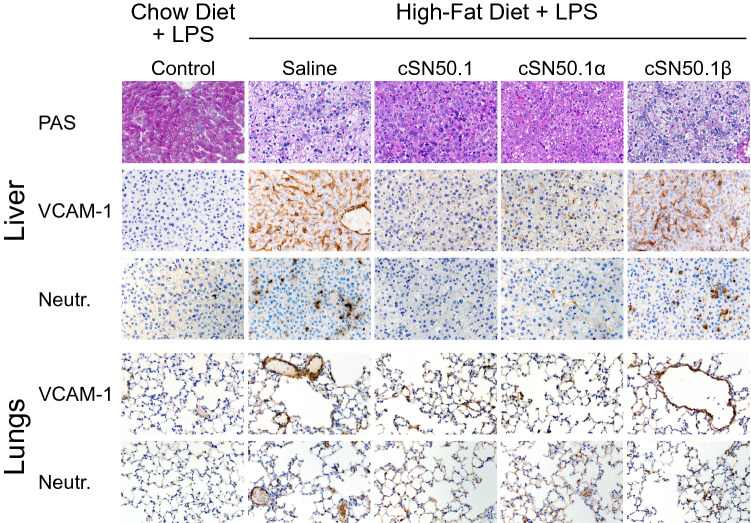
Hyperlipidemia, the hallmark of Metabolic Syndrome that afflicts millions of people worldwide, exacerbates life-threatening infections. We present a new evidence for the mechanism of hyperlipidemic hypersensitivity to microbial inflammation caused by pathogen-derived inducer, LPS. We demonstrate that hyperlipidemic animals succumbed to a non-lethal dose of LPS whereas normolipidemic controls survived. Strikingly, survival of hyperlipidemic animals was restored when the nuclear import of stress-responsive transcription factors (SRTFs), Sterol Regulatory Element-Binding Proteins (SREBPs), and Carbohydrate-Responsive Element-Binding Proteins (ChREBPs) was impeded by targeting the nuclear transport checkpoint with cell-penetrating, biselective nuclear transport modifier (NTM) peptide. Furthermore, the burst of proinflammatory cytokines and chemokines, microvascular endothelial injury in the liver, lungs, heart, and kidneys, and trafficking of inflammatory cells were also suppressed. To dissect the role of nuclear transport signaling pathways we designed and developed importin-selective NTM peptides. Selective targeting of the importin α5, ferrying SRTFs and ChREBPs, protected 70-100% hyperlipidemic animals. Targeting importin β1, that transports SREBPs, was only effective after 3-week treatment that lowered blood triglycerides, cholesterol, glucose, and averted fatty liver. Thus, the mechanism of hyperlipidemic hypersensitivity to lethal microbial inflammation depends on metabolic and proinflammatory transcription factors mobilization, which can be counteracted by targeting the nuclear transport checkpoint.
高脂血症是困扰全球数百万人的代谢综合征的标志,会加剧危及生命的感染。我们提出了一个新的证据,证明了由病原体衍生的诱导物 LPS 引起的微生物炎症的高脂血症敏感性的机制。我们证明,高脂血症动物对非致死剂量的 LPS 敏感,而正常脂质血症对照动物则存活下来。引人注目的是,当核输入应激反应转录因子(SRTFs)、固醇调节元件结合蛋白(SREBPs)和碳水化合物反应元件结合蛋白(ChREBPs)的核运输检查点被穿透细胞的双选择性核运输调节剂(NTM)肽靶向时,高脂血症动物的存活率得到了恢复。此外,促炎细胞因子和趋化因子的爆发、肝脏、肺、心脏和肾脏的微血管内皮损伤以及炎症细胞的运输也受到抑制。为了剖析核运输信号通路的作用,我们设计并开发了进口蛋白选择性 NTM 肽。选择性靶向 SRTFs 和 ChREBPs 的 Importin α5,可保护 70-100%的高脂血症动物。仅在 3 周的治疗后,靶向运输 SREBPs 的 Importin β1 才有效,这可以降低血液中的甘油三酯、胆固醇、葡萄糖,并预防脂肪肝。因此,高脂血症对致命微生物炎症的敏感性机制依赖于代谢和促炎转录因子的动员,通过靶向核运输检查点可以对抗这种敏感性。