Department of Infectious Diseases, Molecular Virology, University Hospital Heidelberg, Heidelberg, Germany.
German Center for Infection Research (DZIF) - Heidelberg Partner Site, Heidelberg, Germany.
Gut. 2021 Sep;70(9):1782-1794. doi: 10.1136/gutjnl-2020-323888. Epub 2021 Jun 8.
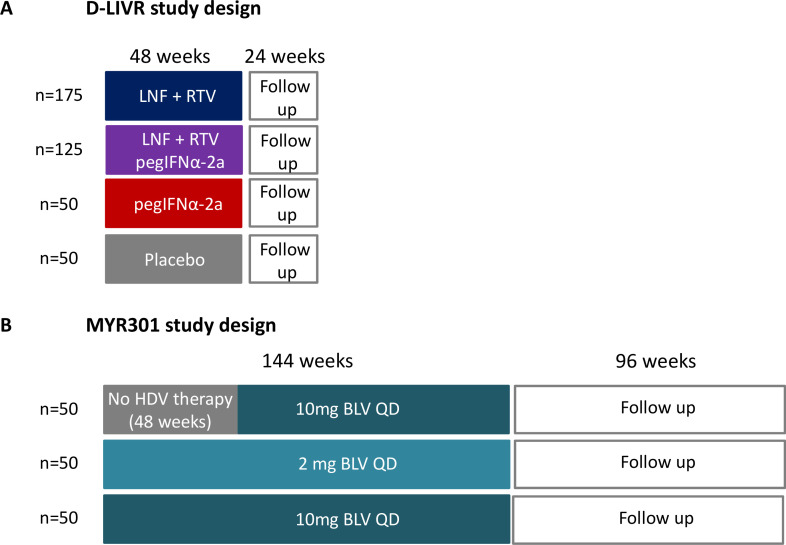
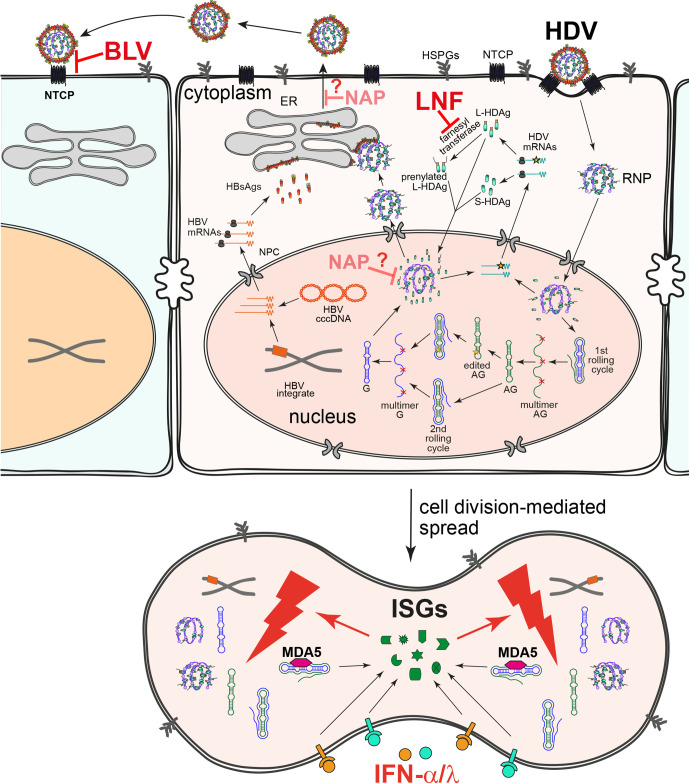
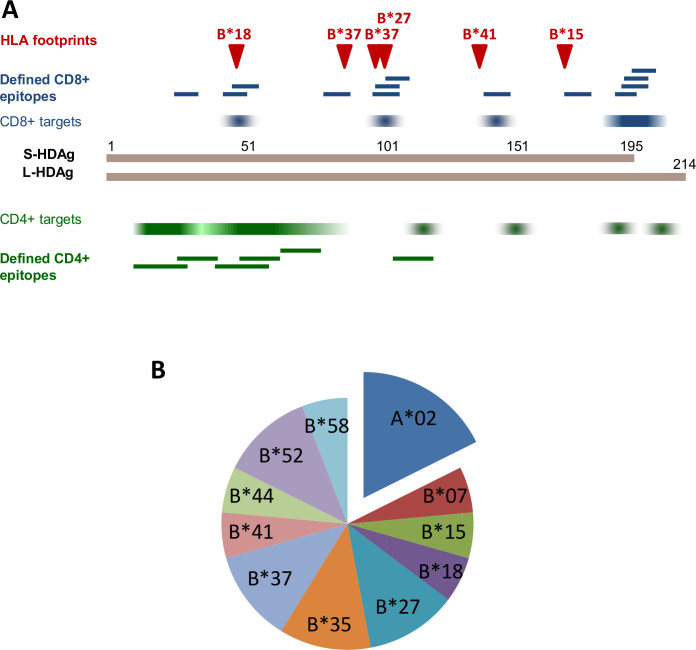
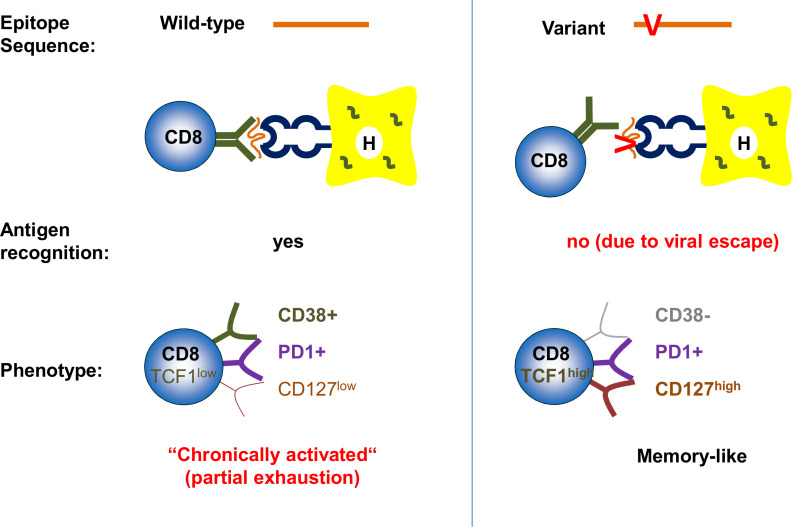
Approximately 5% of individuals infected with hepatitis B virus (HBV) are coinfected with hepatitis D virus (HDV). Chronic HBV/HDV coinfection is associated with an unfavourable outcome, with many patients developing liver cirrhosis, liver failure and eventually hepatocellular carcinoma within 5-10 years. The identification of the HBV/HDV receptor and the development of novel in vitro and animal infection models allowed a more detailed study of the HDV life cycle in recent years, facilitating the development of specific antiviral drugs. The characterisation of HDV-specific CD4+ and CD8+T cell epitopes in untreated and treated patients also permitted a more precise understanding of HDV immunobiology and possibly paves the way for immunotherapeutic strategies to support upcoming specific therapies targeting viral or host factors. Pegylated interferon-α has been used for treating HDV patients for the last 30 years with only limited sustained responses. Here we describe novel treatment options with regard to their mode of action and their clinical effectiveness. Of those, the entry-inhibitor bulevirtide (formerly known as myrcludex B) received conditional marketing authorisation in the European Union (EU) in 2020 (Hepcludex). One additional drug, the prenylation inhibitor lonafarnib, is currently under investigation in phase III clinical trials. Other treatment strategies aim at targeting hepatitis B surface antigen, including the nucleic acid polymer REP2139Ca. These recent advances in HDV virology, immunology and treatment are important steps to make HDV a less difficult-to-treat virus and will be discussed.
约 5%感染乙型肝炎病毒 (HBV) 的个体同时感染丁型肝炎病毒 (HDV)。慢性 HBV/HDV 合并感染预后不良,许多患者在 5-10 年内会发展为肝硬化、肝功能衰竭,最终发展为肝细胞癌。HBV/HDV 受体的鉴定以及新型体外和动物感染模型的开发,使得近年来对 HDV 生命周期有了更详细的研究,从而促进了特异性抗病毒药物的开发。在未治疗和治疗患者中鉴定 HDV 特异性 CD4+和 CD8+T 细胞表位,也使人们更深入地了解 HDV 免疫生物学,并可能为支持针对病毒或宿主因素的新型特异性治疗的免疫治疗策略铺平道路。聚乙二醇干扰素-α已用于治疗 HDV 患者 30 年,但仅有有限的持续应答。本文将描述新型治疗方案及其作用模式和临床疗效。其中,进入抑制剂 bulevirtide(以前称为 myrcludex B)于 2020 年在欧盟获得有条件上市许可(Hepcludex)。另一种药物,法尼基转移酶抑制剂 lonafarnib,目前正在进行 III 期临床试验。其他治疗策略旨在针对乙型肝炎表面抗原,包括核酸聚合物 REP2139Ca。HDV 病毒学、免疫学和治疗方面的这些最新进展是使 HDV 成为一种较易治疗的病毒的重要步骤,将进行讨论。