Guo Shuangshuang, Klinkesorn Utai, Lorjaroenphon Yaowapa, Ge Yan, Na Jom Kriskamol
Department of Food Science and Technology Faculty of Agro-Industry Kasetsart University Bangkok Thailand.
International Hospitality & Dietary Culture College Nanjing Tech University Pujiang Institute Nanjing China.
Food Sci Nutr. 2021 May 5;9(6):2810-2822. doi: 10.1002/fsn3.1983. eCollection 2021 Jun.
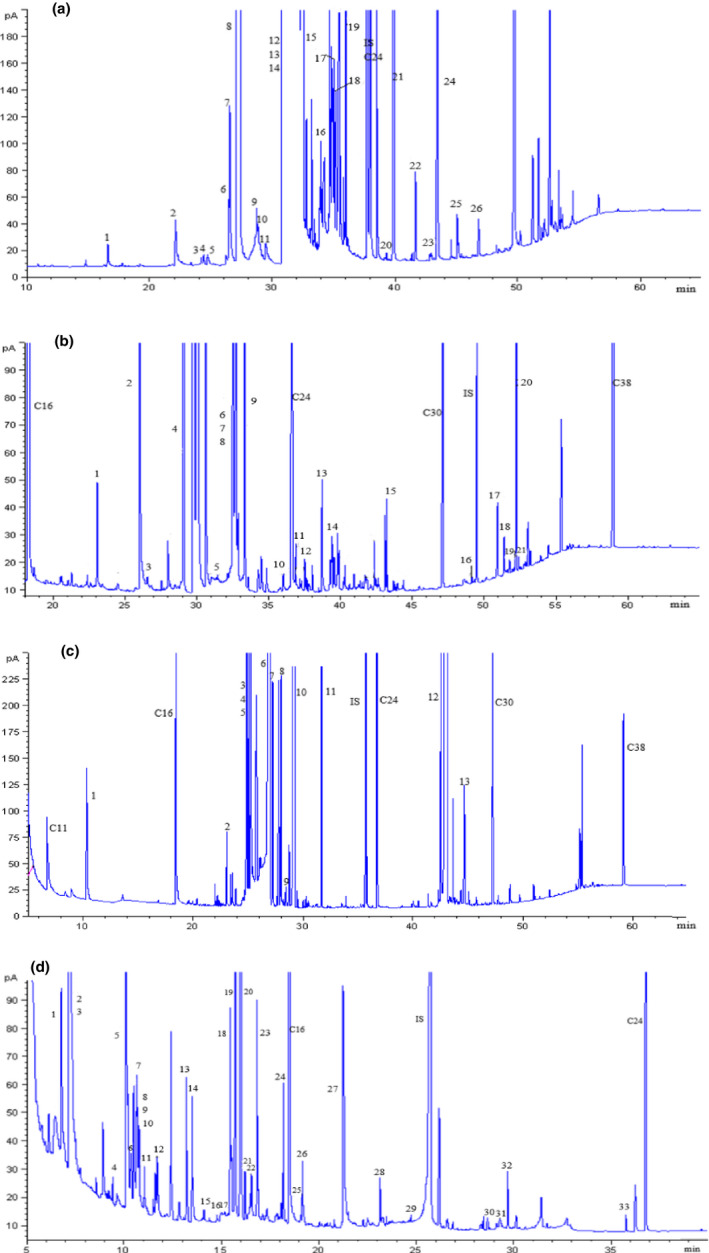
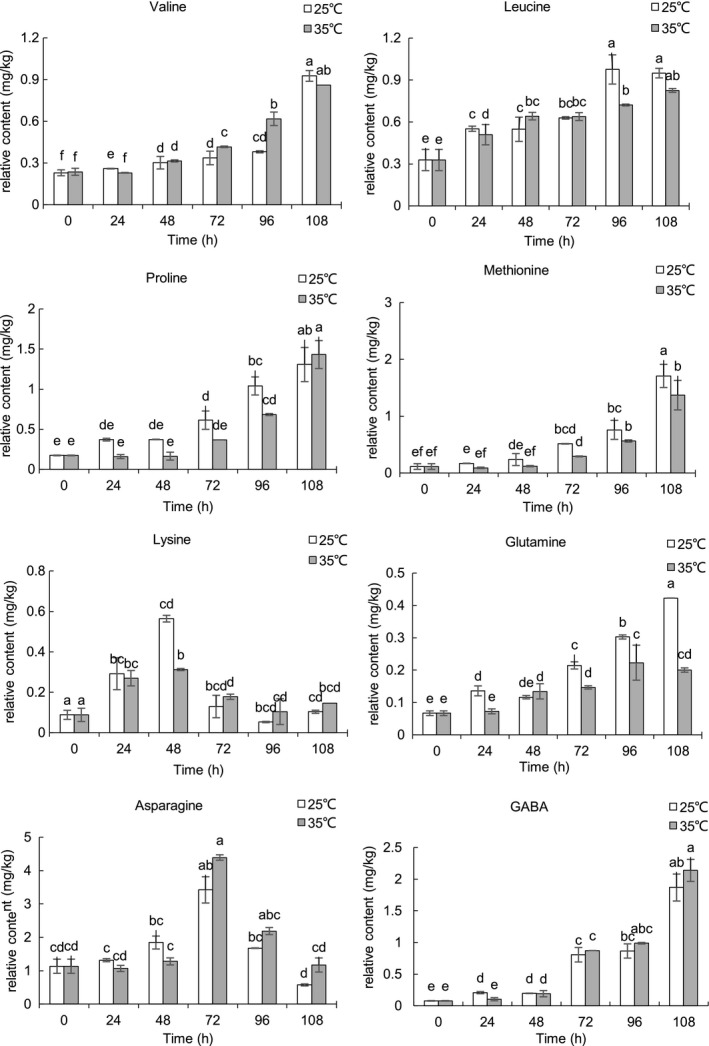
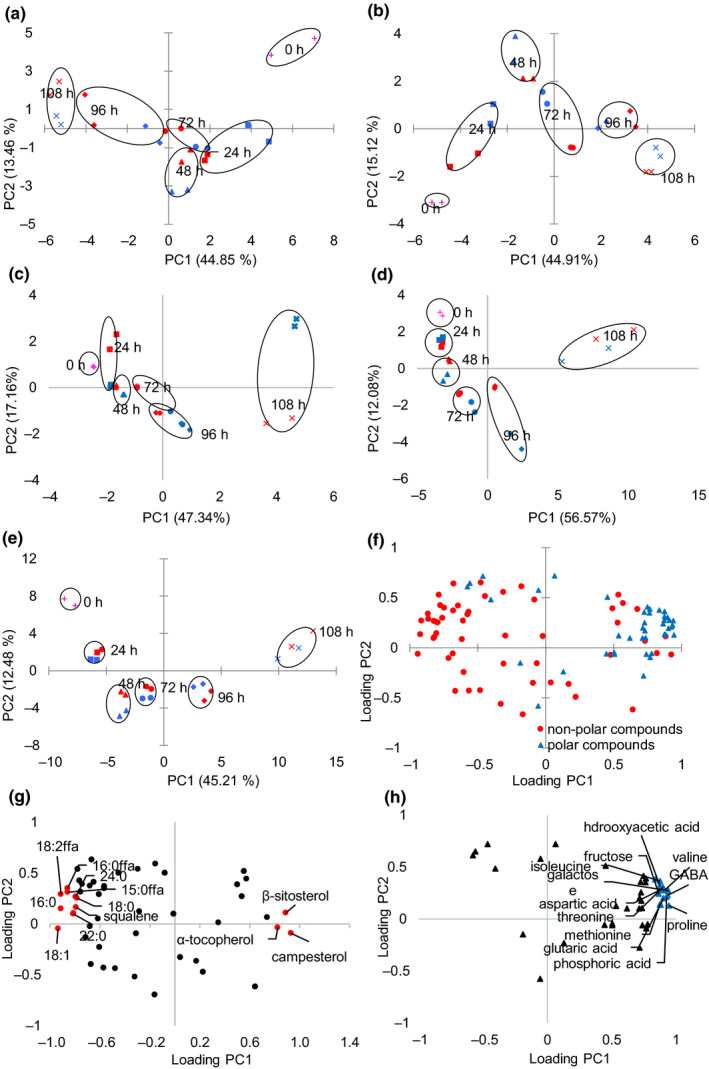
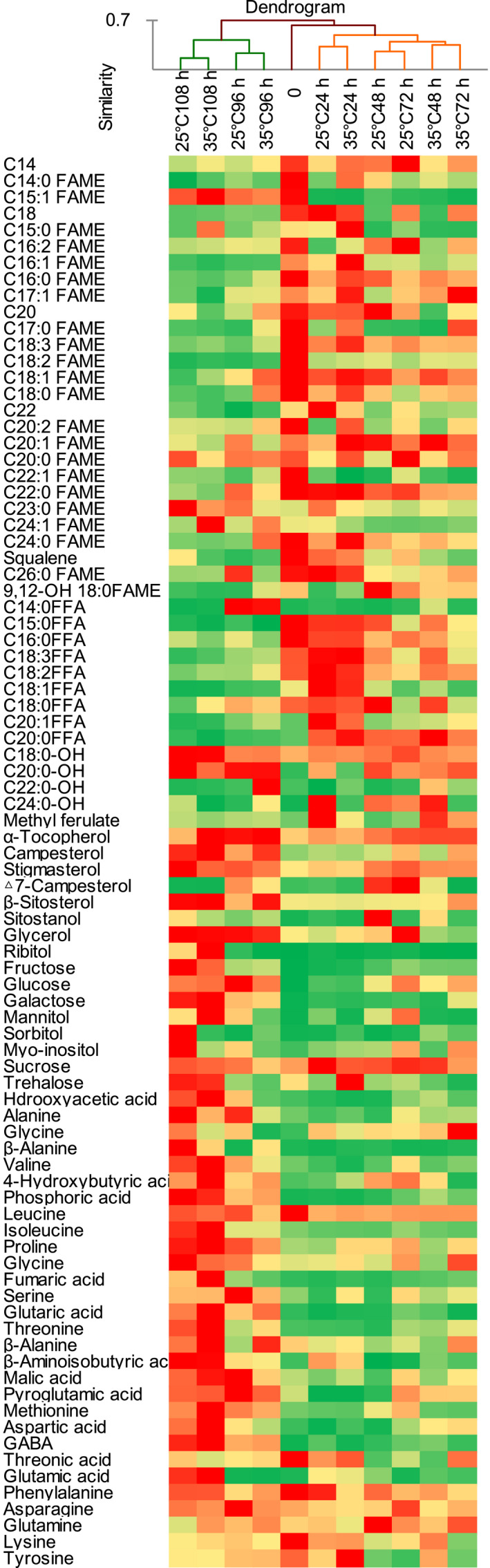
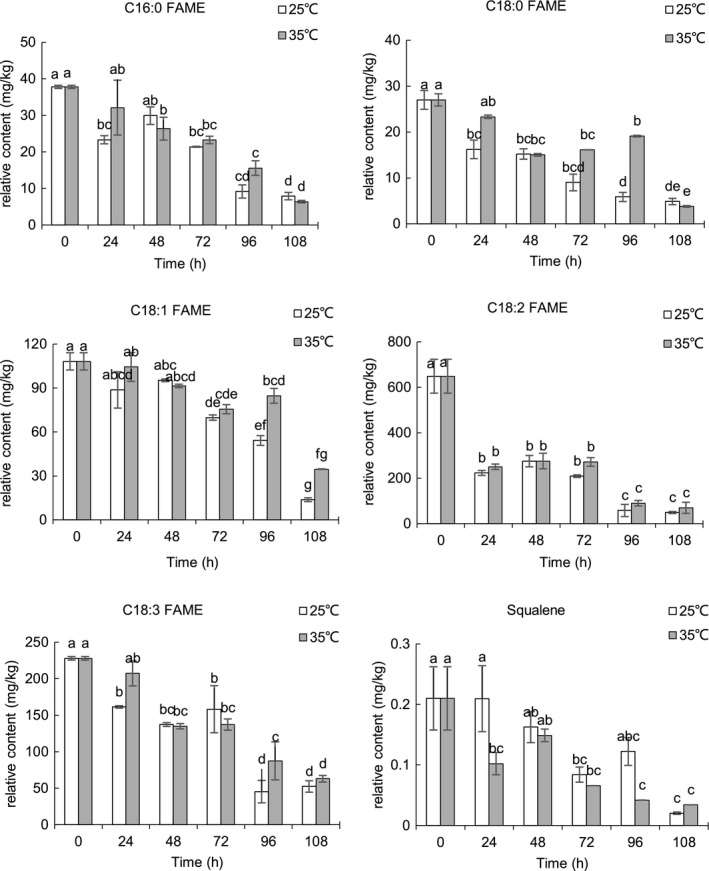
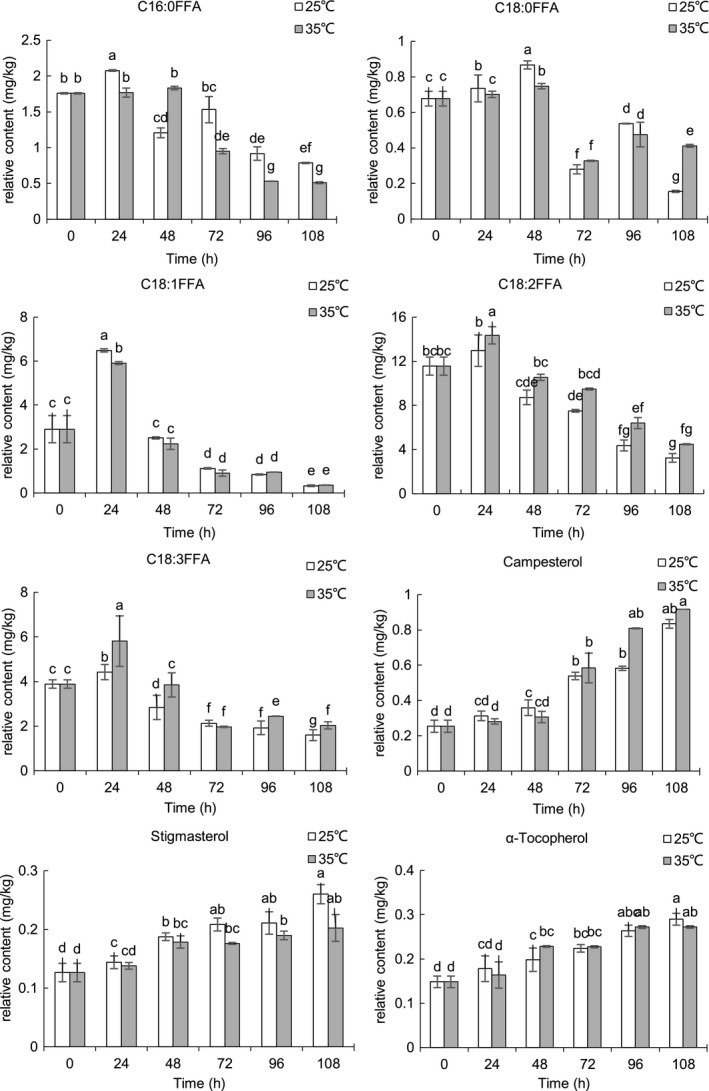
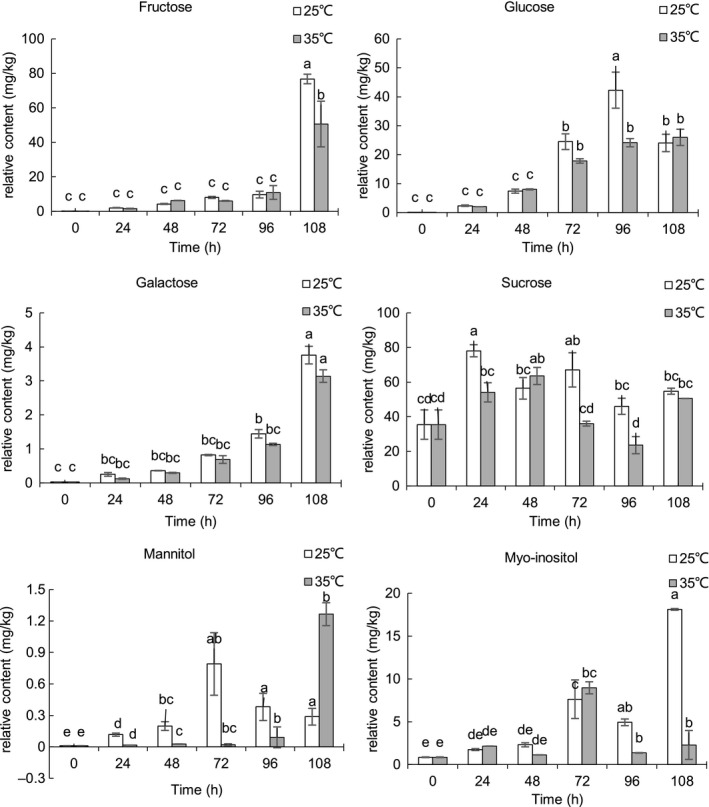
Sprouts with higher levels of nutrients and lower content of antinutritional substances have been gained a growing interest in the influence on the human's health. The study of the influence of germination temperature and time on the metabolite profiles of sunflower seed was studied by a metabolomics approach based on gas chromatography-flame ionization detection (GC-FID). Samples were extracted and fractionated covering a wide range of lipophilic and hydrophilic spectra. A total of 90 metabolites were identified by comparison with reference standards. Principal component analysis (PCA) revealed distinct dynamic changes in metabolites with the germinating time. Heatmap and agglomerative hierarchical clustering analysis revealed the differences and similarities among the samples. The germinating sunflower seeds clustered into three major groups. For instance, group I with a high content of sterols, monosaccharide, and amino acids, indicating the germination process, resulted in an increase in amino acids and monosaccharide. Group II had a high content of FAME and FFA. Relative targeted quantification of metabolites visually depicted by heatmap showed decreases in fatty acid methyl ester (FAME) and free fatty acid (FFA), and increases in amino acids, α-tocopherol, sterols, and γ-aminobutyric acid (GABA) during germination. Sunflower seeds germinated at 25°C were better for the accumulation of α-tocopherol, stigmasterol, leucine, proline, methionine, glutamine, and GABA compared with those at 35°C. These results help to better understand how germination conditions change the nutritional quality of germinated sunflower seeds from a metabolite profile view, allowing for the rational screening and usage of germinated sunflower seeds in the food industry.
营养成分含量较高且抗营养物质含量较低的发芽种子对人体健康的影响日益受到关注。采用基于气相色谱 - 火焰离子化检测(GC - FID)的代谢组学方法,研究了发芽温度和时间对向日葵种子代谢物谱的影响。对样品进行提取和分离,涵盖了广泛的亲脂性和亲水性谱段。通过与参考标准品比较,共鉴定出90种代谢物。主成分分析(PCA)揭示了随着发芽时间代谢物的明显动态变化。热图和凝聚层次聚类分析揭示了样品之间的差异和相似性。发芽的向日葵种子聚为三大类。例如,第一组含有高含量的甾醇、单糖和氨基酸,表明发芽过程中氨基酸和单糖有所增加。第二组含有高含量的脂肪酸甲酯(FAME)和游离脂肪酸(FFA)。热图直观描绘的代谢物相对靶向定量显示,发芽过程中脂肪酸甲酯(FAME)和游离脂肪酸(FFA)减少,而氨基酸、α - 生育酚、甾醇和γ - 氨基丁酸(GABA)增加。与在35°C下发芽的向日葵种子相比,在25°C下发芽的向日葵种子更有利于α - 生育酚、豆甾醇、亮氨酸、脯氨酸、蛋氨酸、谷氨酰胺和GABA的积累。这些结果有助于从代谢物谱的角度更好地理解发芽条件如何改变发芽向日葵种子的营养品质,从而在食品工业中合理筛选和利用发芽向日葵种子。