Rice Research Institute, Fujian Academy of Agricultural Sciences, 350019, Fuzhou, Fujian, China.
State Key Laboratory of Ecological Pest Control for Fujian and Taiwan Crops, Key Laboratory of Germplasm Innovation and Molecular Breeding of Hybrid Rice for South China, Ministry of Agriculture/South-China Base of National Key Laboratory of Hybrid Rice of China/National Engineering Laboratory of Rice, Fujian Academy of Agricultural Sciences, 350003, Fuzhou, Fujian, China.
BMC Plant Biol. 2021 Jun 24;21(1):287. doi: 10.1186/s12870-021-03071-w.
Phosphoenolpyruvate carboxylase (PEPC) plays an important role in the primary metabolism of higher plants. Several studies have revealed the critical importance of PEPC in the interaction of carbon and nitrogen metabolism. However, the function mechanism of PEPC in nitrogen metabolism is unclear and needs further investigation.
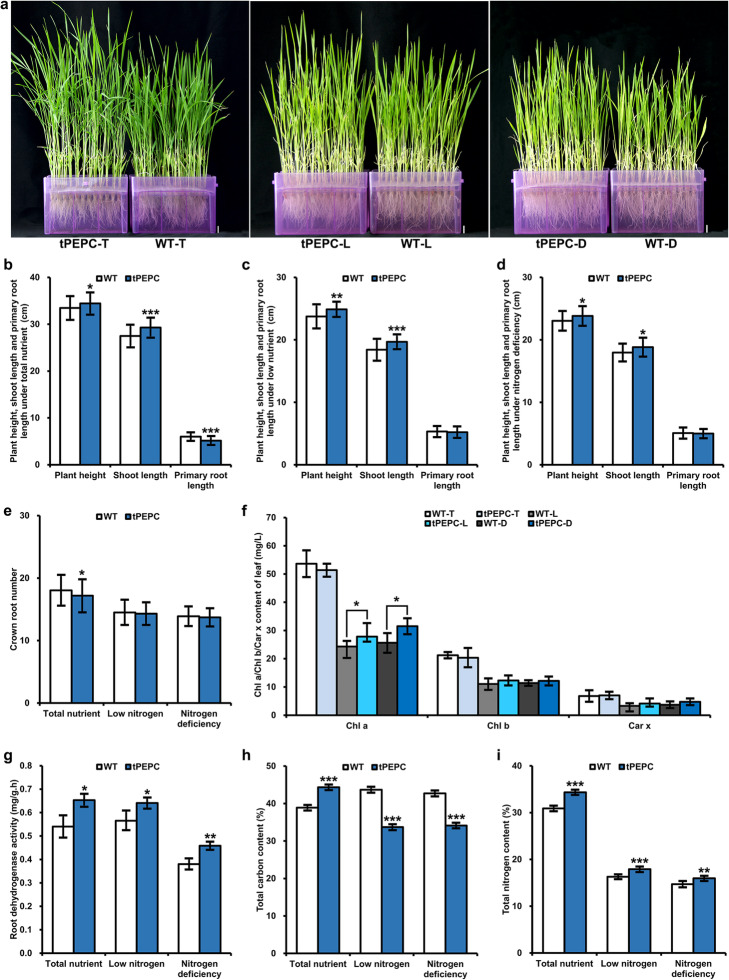
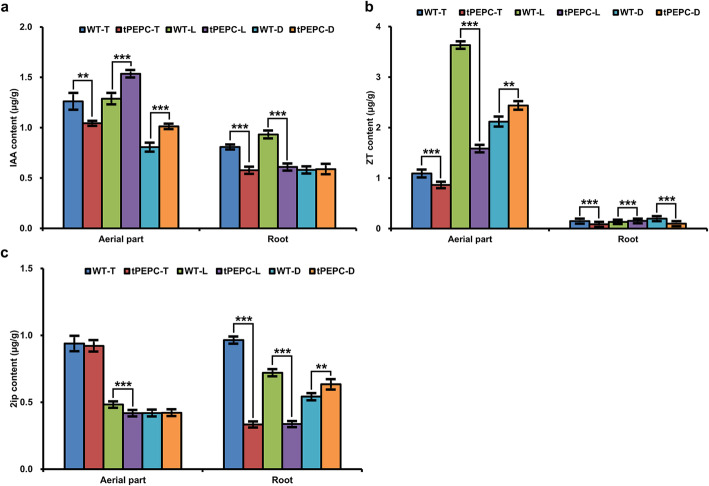
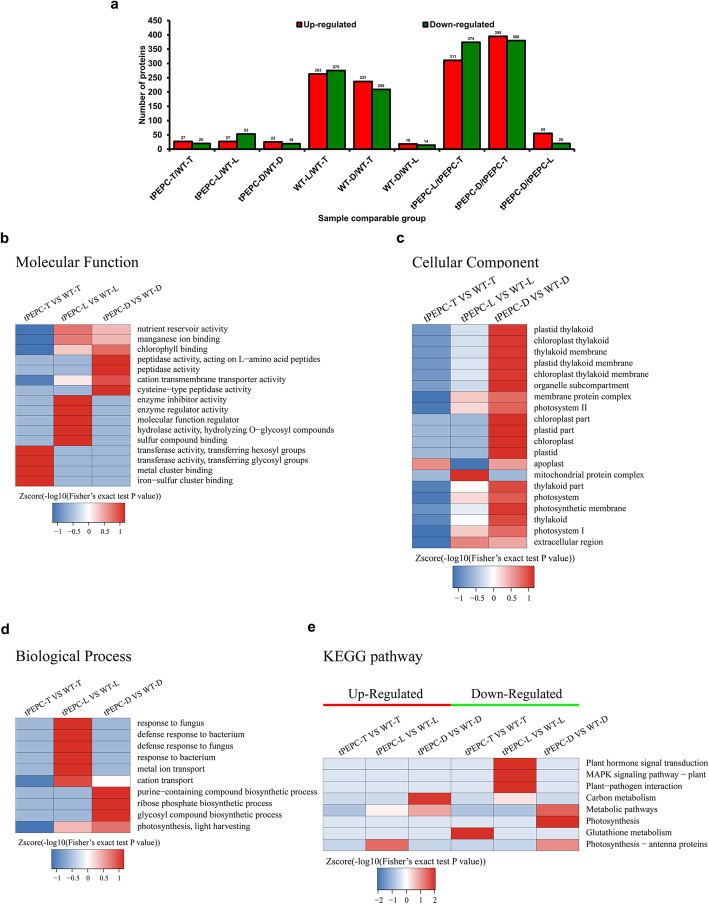
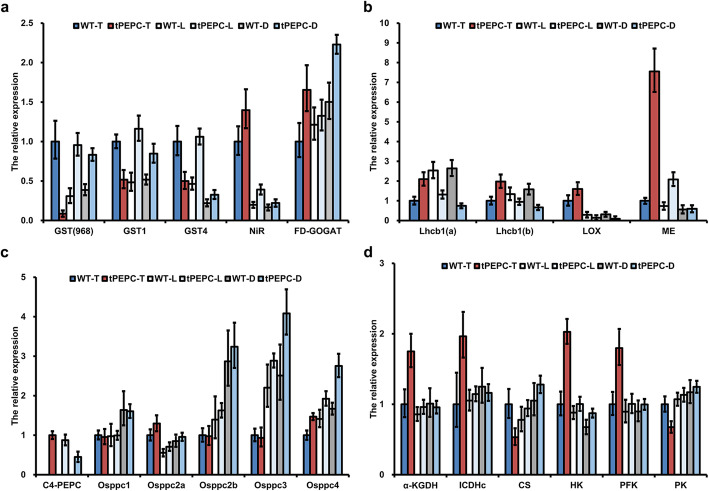
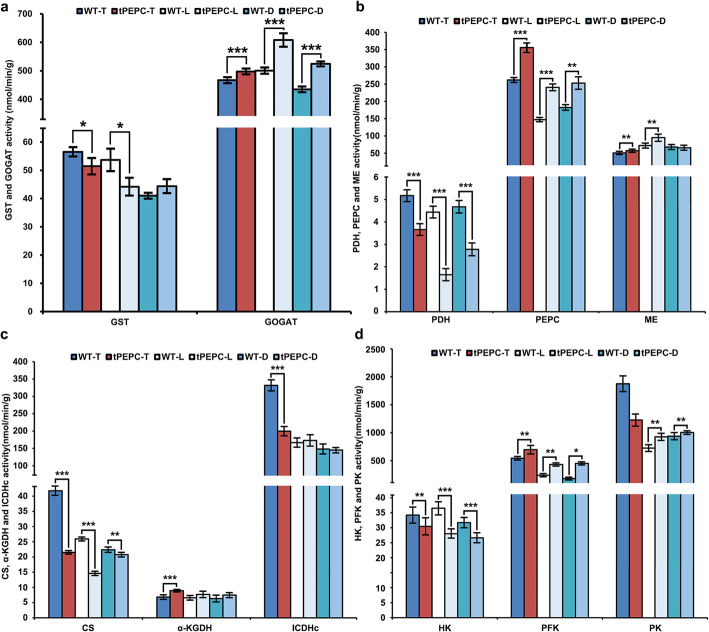
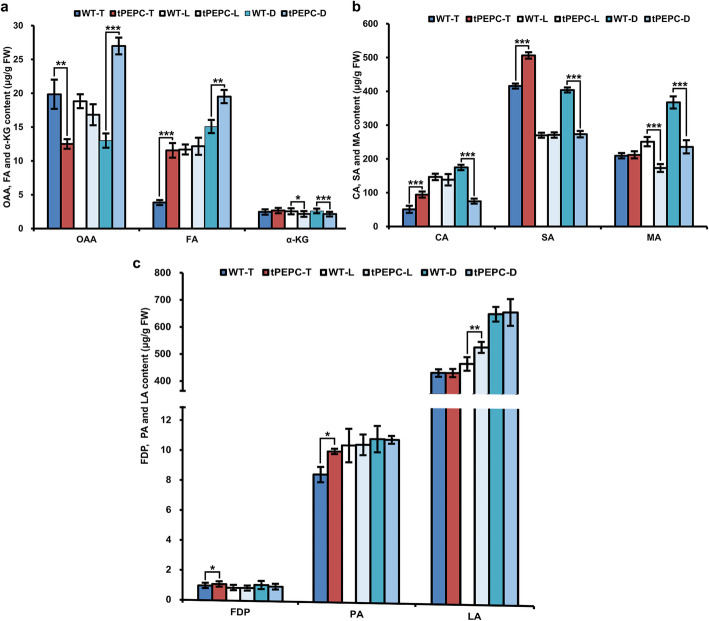
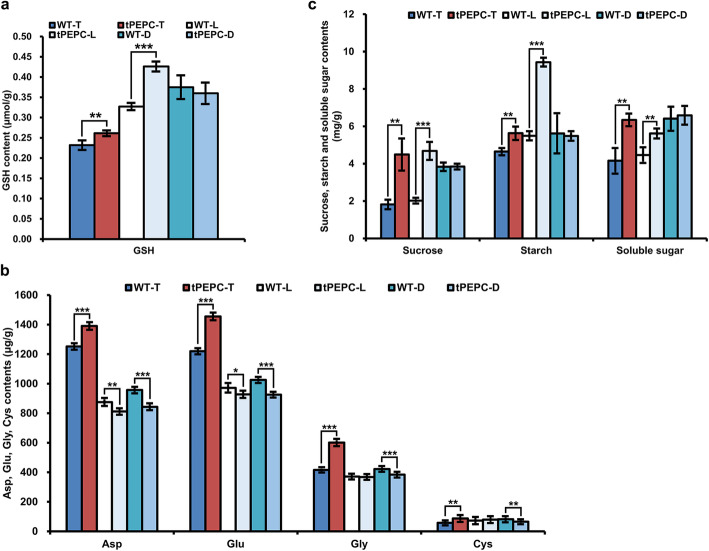
This study indicates that transgenic rice expressing the sugarcane C4-PEPC gene displayed shorter primary roots and fewer crown roots at the seedling stage. However, total nitrogen content was significantly higher in transgenic rice than in wild type (WT) plants. Proteomic analysis revealed that there were more differentially expressed proteins (DEPs) responding to nitrogen changes in transgenic rice. In particular, the most enriched pathway "glutathione (GSH) metabolism", which mainly contains GSH S-transferase (GST), was identified in transgenic rice. The expression of endogenous PEPC, GST and several genes involved in the TCA cycle, glycolysis and nitrogen assimilation changed in transgenic rice. Correspondingly, the activity of enzymes including GST, citrate synthase, 6-phosphofructokinase, pyruvate kinase and ferredoxin-dependent glutamate synthase significantly changed. In addition, the levels of organic acids in the TCA cycle and carbohydrates including sucrose, starch and soluble sugar altered in transgenic rice under different nitrogen source concentrations. GSH that the substrate of GST and its components including glutamic acid, cysteine and glycine accumulated in transgenic rice. Moreover, the levels of phytohormones including indoleacetic acid (IAA), zeatin (ZT) and isopentenyladenosine (2ip) were lower in the roots of transgenic rice under total nutrients. Taken together, the phenotype, physiological and biochemical characteristics of transgenic rice expressing C-PEPC were different from WT under different nitrogen levels.
Our results revealed the possibility that PEPC affects nitrogen metabolism through regulating GST, which provide a new direction and concepts for the further study of the PEPC functional mechanism in nitrogen metabolism.
磷酸烯醇式丙酮酸羧化酶(PEPC)在高等植物的初级代谢中发挥着重要作用。已有研究揭示了 PEPC 在碳氮代谢相互作用中的关键作用。然而,PEPC 在氮代谢中的功能机制尚不清楚,需要进一步研究。
本研究表明,表达甘蔗 C4-PEPC 基因的转基因水稻在苗期表现出较短的主根和较少的冠根。然而,转基因水稻的总氮含量明显高于野生型(WT)植株。蛋白质组学分析显示,在转基因水稻中,有更多的差异表达蛋白(DEPs)对氮变化做出响应。特别是,在转基因水稻中发现了富含“谷胱甘肽(GSH)代谢”途径的差异表达蛋白,该途径主要包含谷胱甘肽 S-转移酶(GST)。内源 PEPC、GST 和几个参与三羧酸循环、糖酵解和氮同化的基因的表达在转基因水稻中发生了变化。相应地,包括 GST、柠檬酸合酶、6-磷酸果糖激酶、丙酮酸激酶和铁氧还蛋白依赖型谷氨酸合酶在内的酶的活性也发生了显著变化。此外,在不同氮源浓度下,转基因水稻的 TCA 循环和包括蔗糖、淀粉和可溶性糖在内的碳水化合物中的有机酸水平发生了改变。作为 GST 的底物的 GSH 及其成分包括谷氨酸、半胱氨酸和甘氨酸在转基因水稻中积累。此外,在总养分条件下,转基因水稻根中的植物激素包括吲哚乙酸(IAA)、玉米素(ZT)和异戊烯腺苷(2ip)的水平较低。综上所述,在不同氮水平下,表达 C-PEPC 的转基因水稻的表型、生理和生化特征与 WT 不同。
我们的结果表明,PEPC 通过调节 GST 来影响氮代谢的可能性,这为进一步研究 PEPC 在氮代谢中的功能机制提供了新的方向和概念。