Ahmad Anum Ali, Zhang Jian Bo, Liang Zeyi, Yang Chao, Kalwar Qudratullah, Shah Tariq, Du Mei, Muhammad Ishaq, Zheng Juanshan, Yan Ping, Ding Xue-Zhi, Long Ruijun
State Key Laboratory of Grassland Agro-Ecosystems, School of Life Sciences, Lanzhou University, Lanzhou, China.
Key Laboratory of yak Breeding Engineering, Lanzhou Institute of Husbandry and Pharmaceutical Sciences, Chinese Academy of Agricultural Sciences, Lanzhou, China.
PeerJ. 2021 Jun 18;9:e11520. doi: 10.7717/peerj.11520. eCollection 2021.
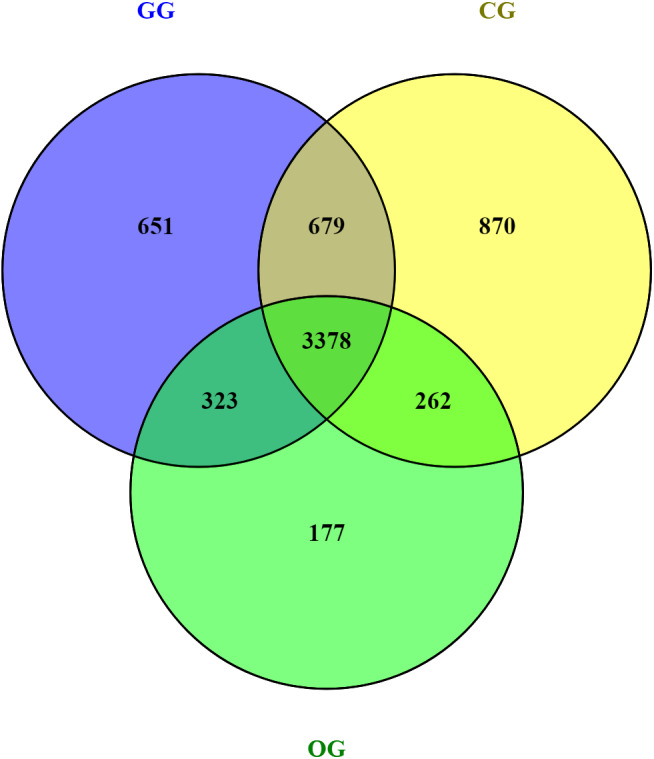
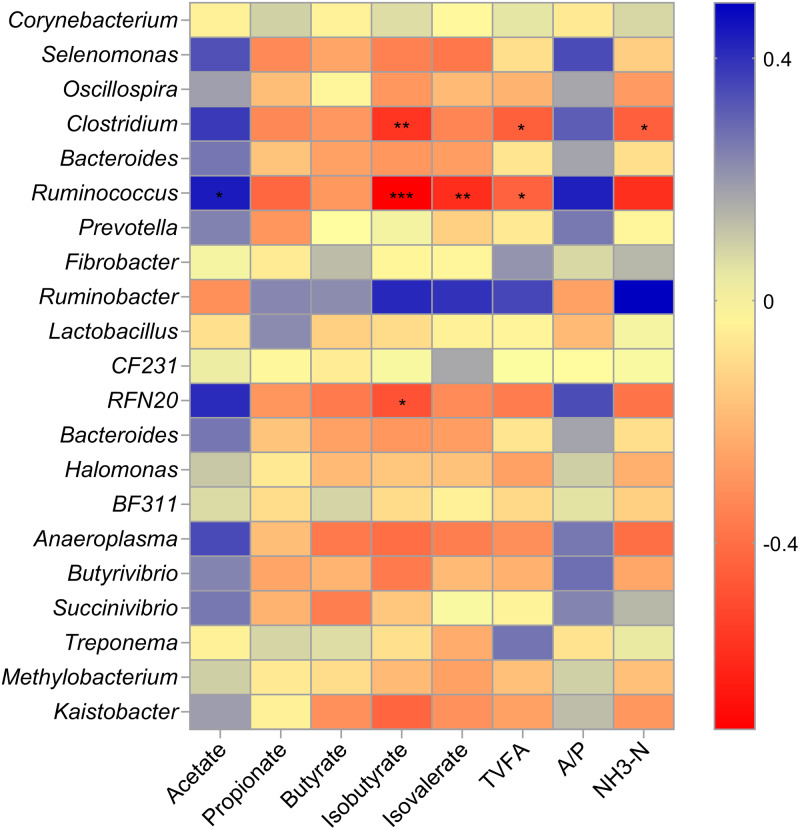
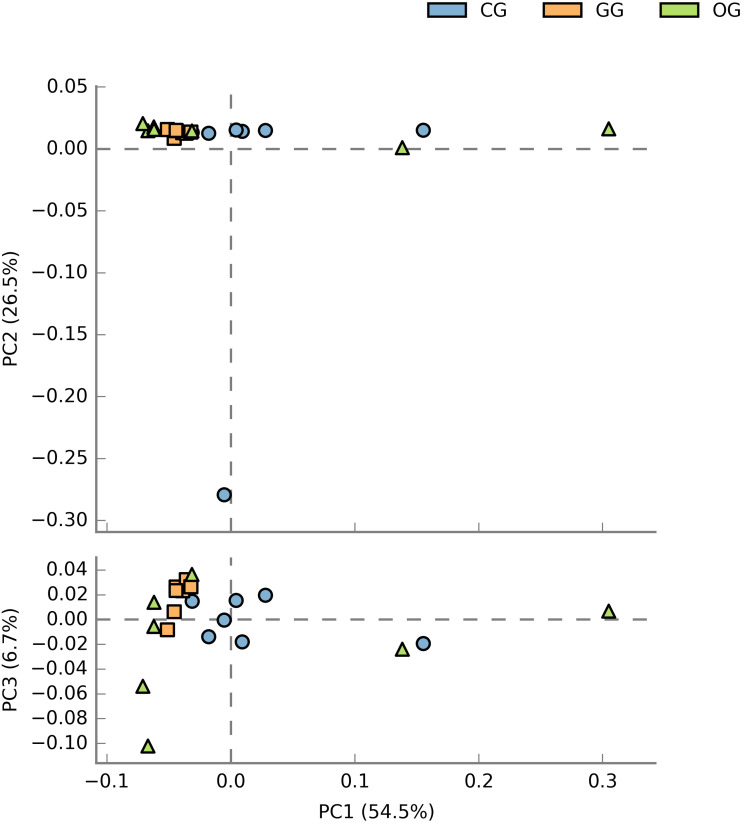
This study aimed to explore the rumen bacterial community of yak in response to dietary supplements during the cold season. In addition, the rumen fermentation products were also analyzed. Twenty-one female domestic yaks were randomly divided into three groups i.e., pure grazing (GG) group, grazing plus oats hay supplement (OG) group, and grazing plus concentrate supplement group (CG). Rumen contents were collected after 90 days to assess rumen fermentation parameters and bacterial community. The GC group presented higher concentrations of ammonia nitrogen ( < 0.001), and total volatile fatty acids (TVFA) ( < 0.001), and lower rumen pH ( < 0.001) compared to other experimental groups. The CG group displayed higher proportions of propionate, butyrate, isobutyrate, and isovalerate while lower A/P ratio compared to other experimental groups. Shannon, Chao1, and ACE values were significantly lower in the OG group compared to GG and CG groups. Anosim test showed significant differences in bacterial community structure between groups but the PCA plot was not very informative to see these differences. Bacteroidetes, Proteobacteria, and Firmicutes were the three dominant phyla in all groups. The genera was more abundant in GG and OG groups. Higher relative abundance of and was observed in the GG group, while and were more abundant in the CG group. These findings will help in improving our understanding of rumen bacteria in yaks in response to changes in diet.
本研究旨在探究寒冷季节牦牛瘤胃细菌群落对日粮补充剂的响应。此外,还分析了瘤胃发酵产物。将21头雌性家牦牛随机分为三组,即纯放牧(GG)组、放牧加燕麦干草补充(OG)组和放牧加精料补充组(CG)。90天后采集瘤胃内容物,以评估瘤胃发酵参数和细菌群落。与其他实验组相比,CG组的氨氮浓度(<0.001)和总挥发性脂肪酸(TVFA)浓度(<0.001)更高,瘤胃pH更低(<0.001)。与其他实验组相比,CG组的丙酸、丁酸、异丁酸和异戊酸比例更高,而A/P比值更低。与GG组和CG组相比,OG组的香农指数、Chao1指数和ACE值显著更低。Anosim检验显示各组之间细菌群落结构存在显著差异,但主成分分析图对于观察这些差异的信息量不大。拟杆菌门、变形菌门和厚壁菌门是所有组中的三个优势菌门。该属在GG组和OG组中更为丰富。在GG组中观察到更高的相对丰度,而在CG组中更为丰富。这些发现将有助于增进我们对牦牛瘤胃细菌对饮食变化响应的理解。