Pal Anabik, Xue Zhiyun, Befano Brian, Rodriguez Ana Cecilia, Long L Rodney, Schiffman Mark, Antani Sameer
National Library of Medicine, National Institutes of Health, Bethesda, MD 20894, USA.
Information Management Services, Calverton, MD 20705, USA.
IEEE Access. 2021;9:53266-53275. doi: 10.1109/access.2021.3069346. Epub 2021 Mar 29.
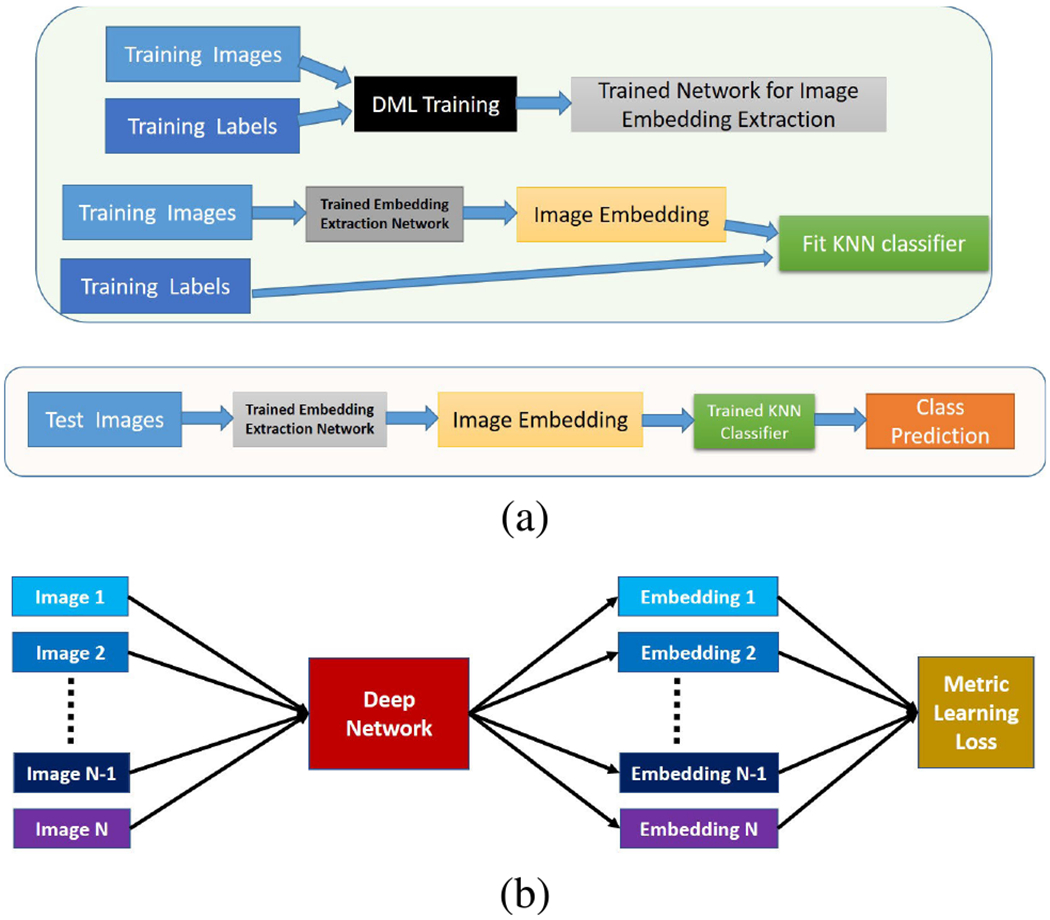
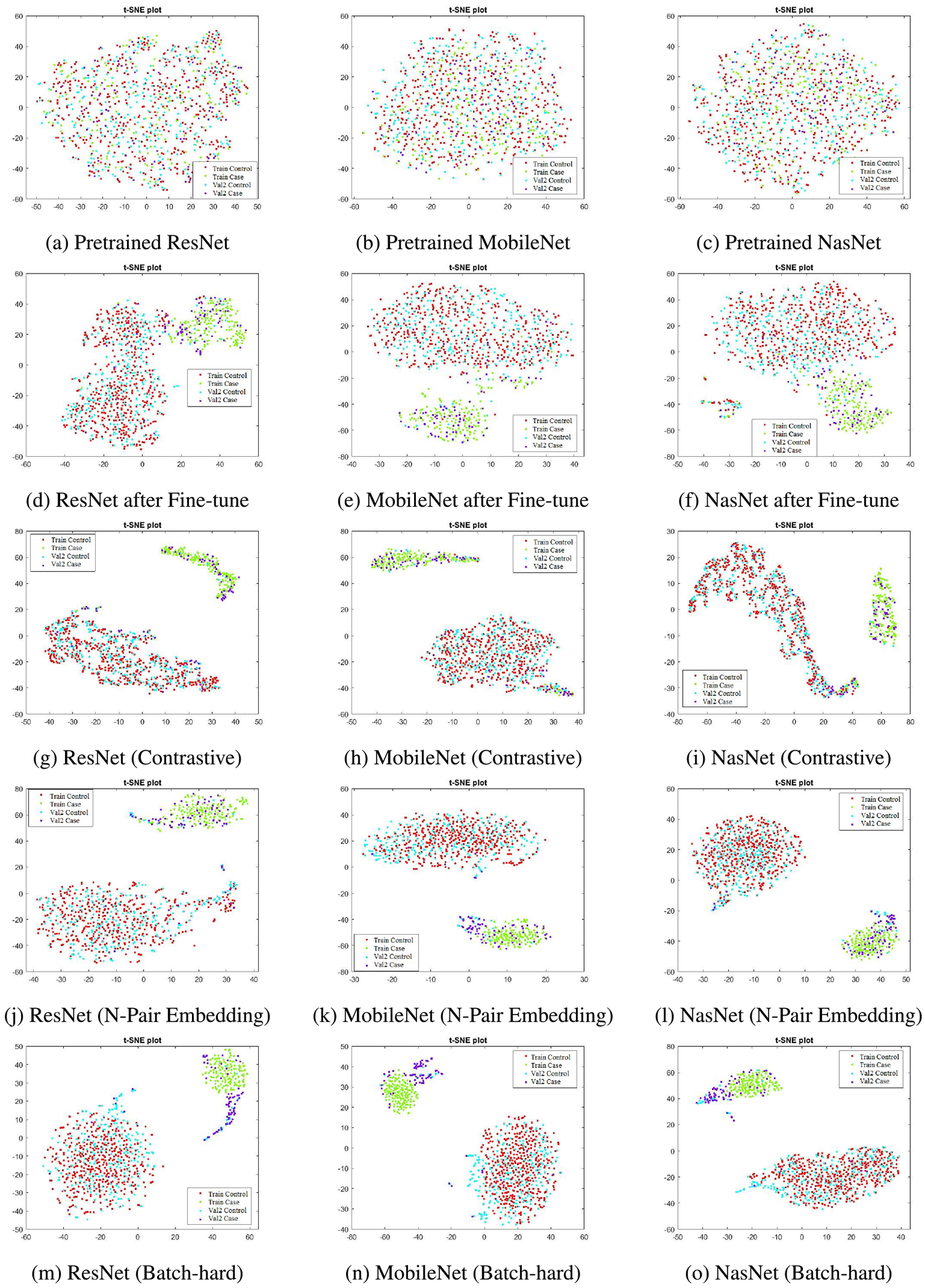
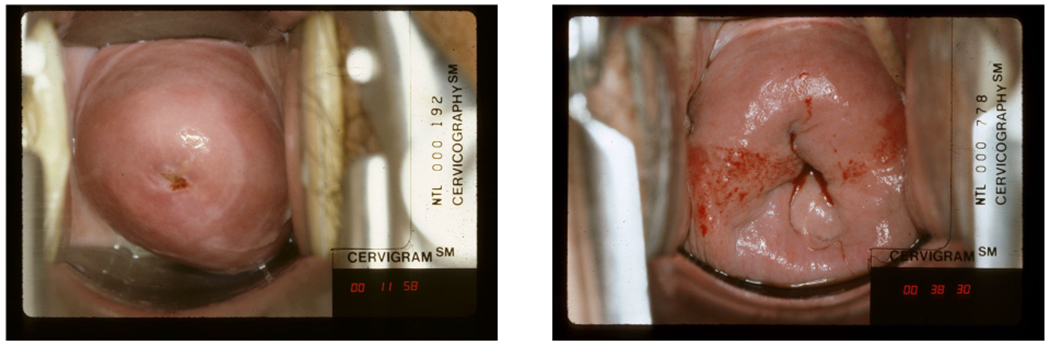
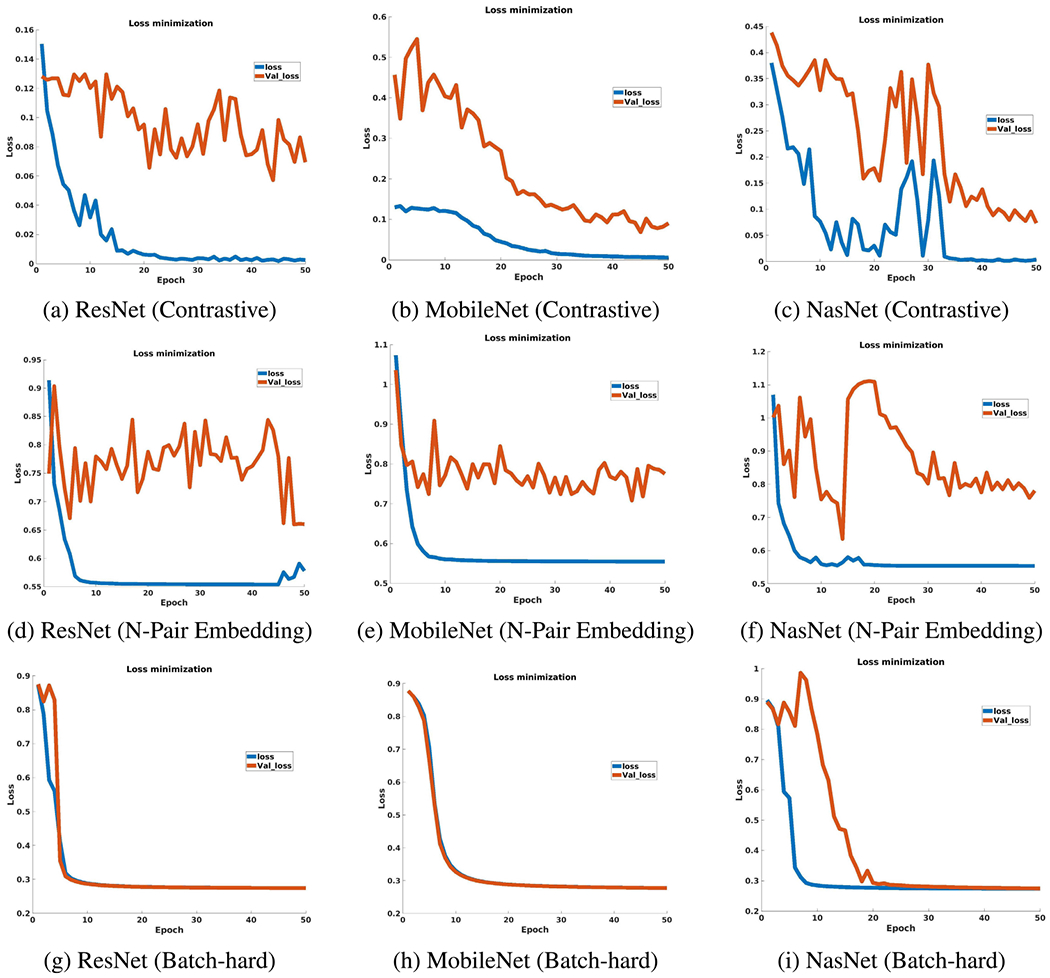
Cervical cancer is caused by the persistent infection of certain types of the Human Papillomavirus (HPV) and is a leading cause of female mortality particularly in low and middle-income countries (LMIC). Visual inspection of the cervix with acetic acid (VIA) is a commonly used technique in cervical screening. While this technique is inexpensive, clinical assessment is highly subjective, and relatively poor reproducibility has been reported. A deep learning-based algorithm for automatic visual evaluation (AVE) of aceto-whitened cervical images was shown to be effective in detecting confirmed precancer (i.e. direct precursor to invasive cervical cancer). The images were selected from a large longitudinal study conducted by the National Cancer Institute in the Guanacaste province of Costa Rica. The training of AVE used annotation for cervix boundary, and the data scarcity challenge was dealt with manually optimized data augmentation. In contrast, we present a novel approach for cervical precancer detection using a deep metric learning-based (DML) framework which does not incorporate any effort for cervix boundary marking. The DML is an advanced learning strategy that can deal with data scarcity and bias training due to class imbalance data in a better way. Three different widely-used state-of-the-art DML techniques are evaluated- (a) Contrastive loss minimization, (b) N-pair embedding loss minimization, and, (c) Batch-hard loss minimization. Three popular Deep Convolutional Neural Networks (ResNet-50, MobileNet, NasNet) are configured for training with DML to produce class-separated (i.e. linearly separable) image feature descriptors. Finally, a K-Nearest Neighbor (KNN) classifier is trained with the extracted deep features. Both the feature quality and classification performance are quantitatively evaluated on the same data set as used in AVE. It shows that, unlike AVE, without using any data augmentation, the best model produced from our research improves specificity in disease detection without compromising sensitivity. The present research thus paves the way for new research directions for the related field.
宫颈癌是由某些类型的人乳头瘤病毒(HPV)持续感染引起的,是女性死亡的主要原因,尤其是在低收入和中等收入国家(LMIC)。用醋酸对宫颈进行目视检查(VIA)是宫颈筛查中常用的技术。虽然这项技术成本低廉,但临床评估主观性很强,且据报道其再现性相对较差。一种基于深度学习的算法用于对醋酸白染宫颈图像进行自动视觉评估(AVE),该算法在检测确诊的癌前病变(即浸润性宫颈癌的直接前体)方面被证明是有效的。这些图像选自美国国家癌症研究所(National Cancer Institute)在哥斯达黎加瓜纳卡斯特省进行的一项大型纵向研究。AVE的训练使用了宫颈边界注释,并通过手动优化的数据增强来应对数据稀缺挑战。相比之下,我们提出了一种使用基于深度度量学习(DML)框架的宫颈癌前病变检测新方法,该方法不涉及任何宫颈边界标记工作。DML是一种先进的学习策略,能够更好地处理由于类不平衡数据导致的数据稀缺和偏差训练问题。我们评估了三种不同的广泛使用的先进DML技术:(a)对比损失最小化,(b)N对嵌入损失最小化,以及(c)批量困难损失最小化。配置了三种流行的深度卷积神经网络(ResNet-50、MobileNet、NasNet)与DML一起训练,以生成类分离(即线性可分离)的图像特征描述符。最后,使用提取的深度特征训练一个K近邻(KNN)分类器。在与AVE相同的数据集上对特征质量和分类性能进行了定量评估。结果表明,与AVE不同,我们的研究在不使用任何数据增强的情况下,所产生的最佳模型在不影响敏感性的前提下提高了疾病检测的特异性。本研究因此为相关领域的新研究方向铺平了道路。