Wu Xun, Iroegbu Chukwuemeka Daniel, Peng Jun, Guo Jianjun, Yang Jinfu, Fan Chengming
Department of Cardiovascular Surgery, The Second Xiangya Hospital, Central South University, Changsha, China.
Hunan Provincial Key Laboratory of Cardiovascular Research, Changsha, China.
Front Cell Dev Biol. 2021 Jun 9;9:673677. doi: 10.3389/fcell.2021.673677. eCollection 2021.
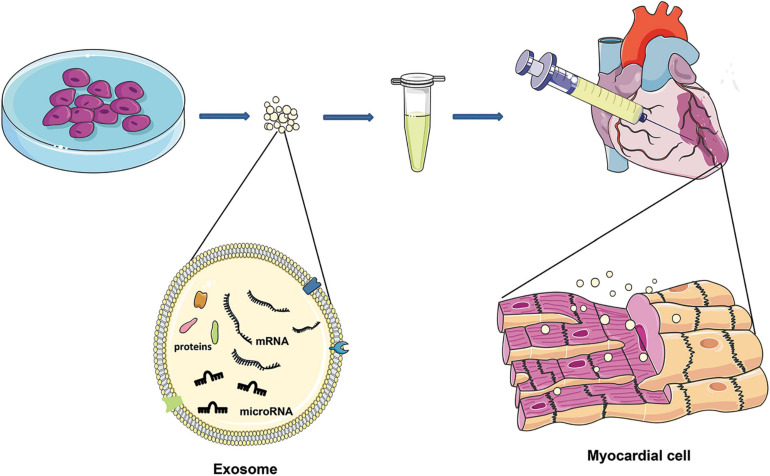
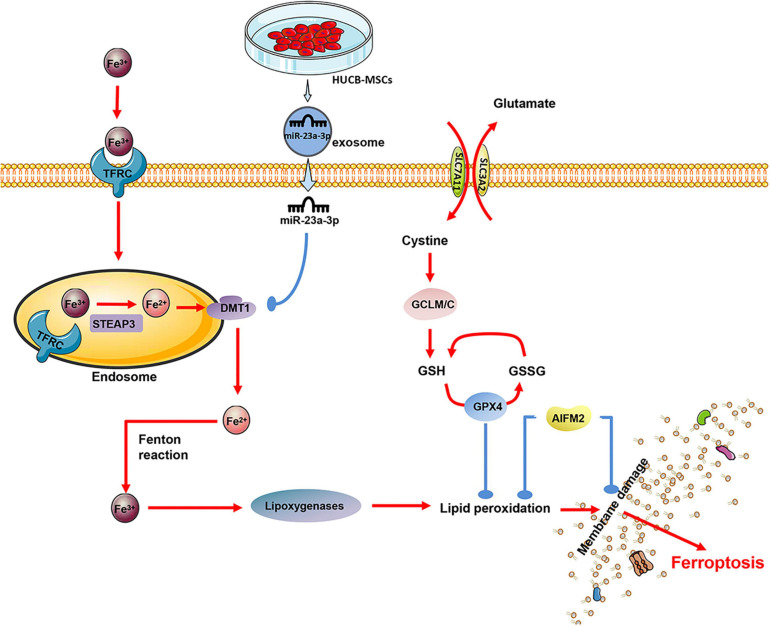
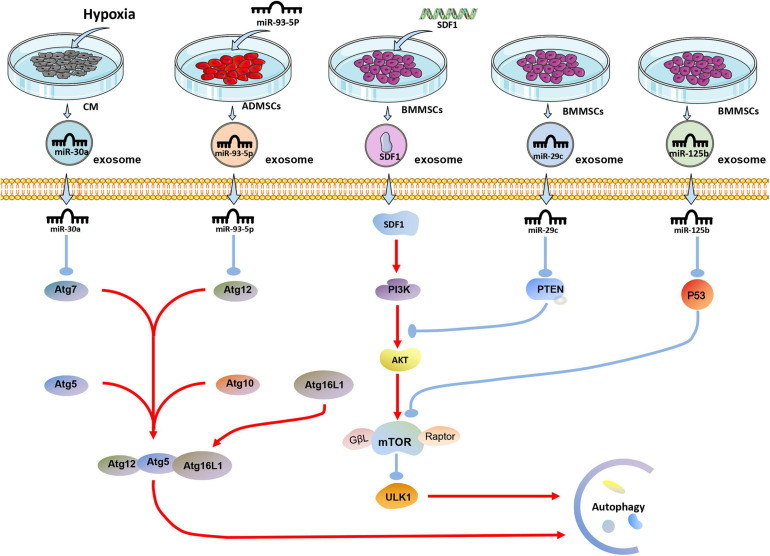
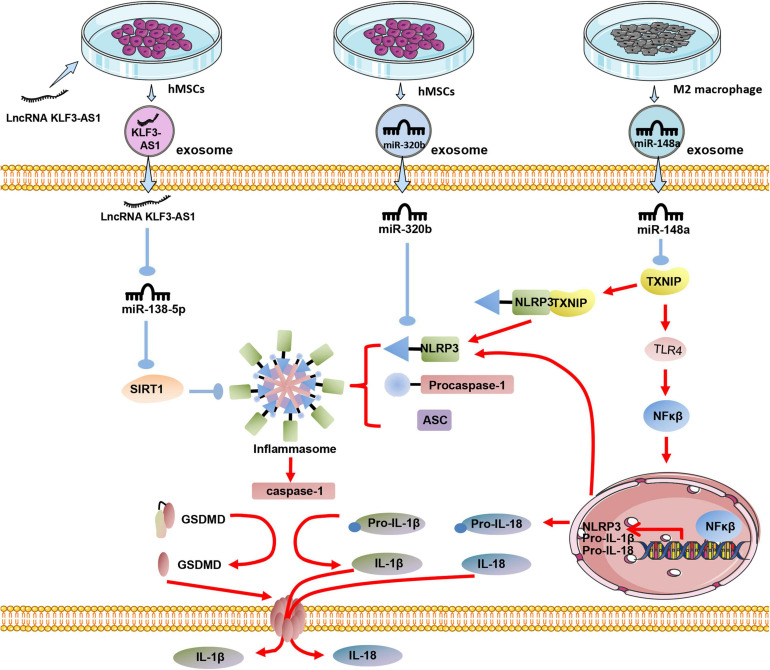
Cardiovascular disease (CVD) is the leading cause of death in the global population, accounting for about one-third of all deaths each year. Notably, with CVDs, myocardial damages result from myocardial infarction (MI) or cardiac arrhythmias caused by interrupted blood flow. Significantly, in the process of MI or myocardial ischemic-reperfusion (I/R) injury, both regulated and non-regulated cell death methods are involved. The critical factor for patients' prognosis is the infarct area's size, which determines the myocardial cells' survival. Cell therapy for MI has been a research hotspot in recent years; however, exosomes secreted by cells have attracted much attention following shortcomings concerning immunogens. Exosomes are extracellular vesicles containing several biologically active substances such as lipids, nucleic acids, and proteins. New evidence suggests that exosomes play a crucial role in regulating cell death after MI as exosomes of various stem cells can participate in the cell damage process after MI. Hence, in the review herein, we focused on introducing various cell-derived exosomes to reduce cell death after MI by regulating the cell death pathway to understand myocardial repair mechanisms better and provide a reference for clinical treatment.
心血管疾病(CVD)是全球人口死亡的主要原因,每年约占所有死亡人数的三分之一。值得注意的是,对于心血管疾病,心肌损伤是由心肌梗死(MI)或血流中断引起的心律失常导致的。重要的是,在心肌梗死或心肌缺血再灌注(I/R)损伤过程中,涉及到受调控和不受调控的细胞死亡方式。患者预后的关键因素是梗死面积的大小,它决定了心肌细胞的存活。心肌梗死的细胞治疗是近年来的研究热点;然而,细胞分泌的外泌体在免疫原性方面存在缺陷后受到了广泛关注。外泌体是含有脂质、核酸和蛋白质等多种生物活性物质的细胞外囊泡。新证据表明,外泌体在心肌梗死后调节细胞死亡中起关键作用,因为各种干细胞的外泌体可以参与心肌梗死后的细胞损伤过程。因此,在本综述中,我们重点介绍了各种细胞来源的外泌体,通过调节细胞死亡途径来减少心肌梗死后的细胞死亡,以更好地理解心肌修复机制,并为临床治疗提供参考。