Sharma Arti, Dev Kamal, Sourirajan Anuradha, Choudhary Madhu
Faculty of Applied Sciences and Biotechnology, Shoolini University, Bajhol, PO 173229, District Solan, Sultanpur, Himachal Pradesh, India.
ICAR-Central Soil Salinity Research Institute (CSSRI), Karnal, 132001, India.
J Genet Eng Biotechnol. 2021 Jun 28;19(1):99. doi: 10.1186/s43141-021-00186-3.
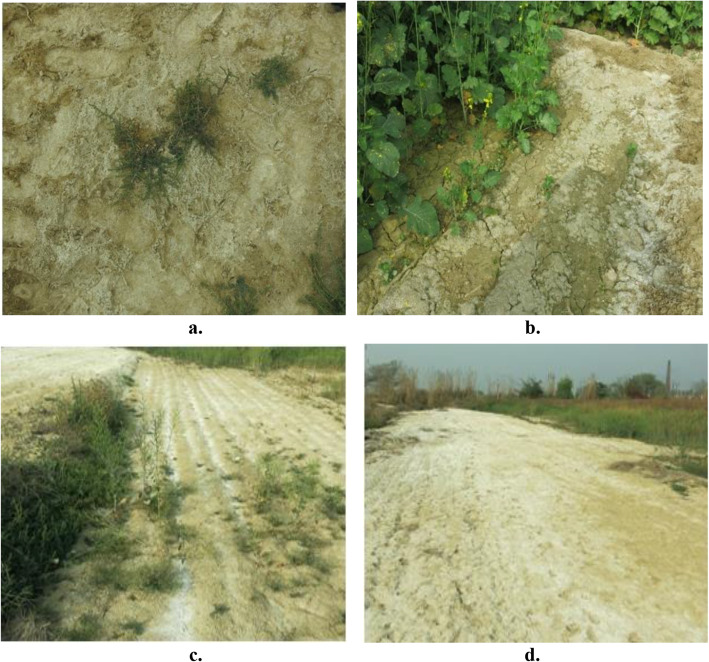
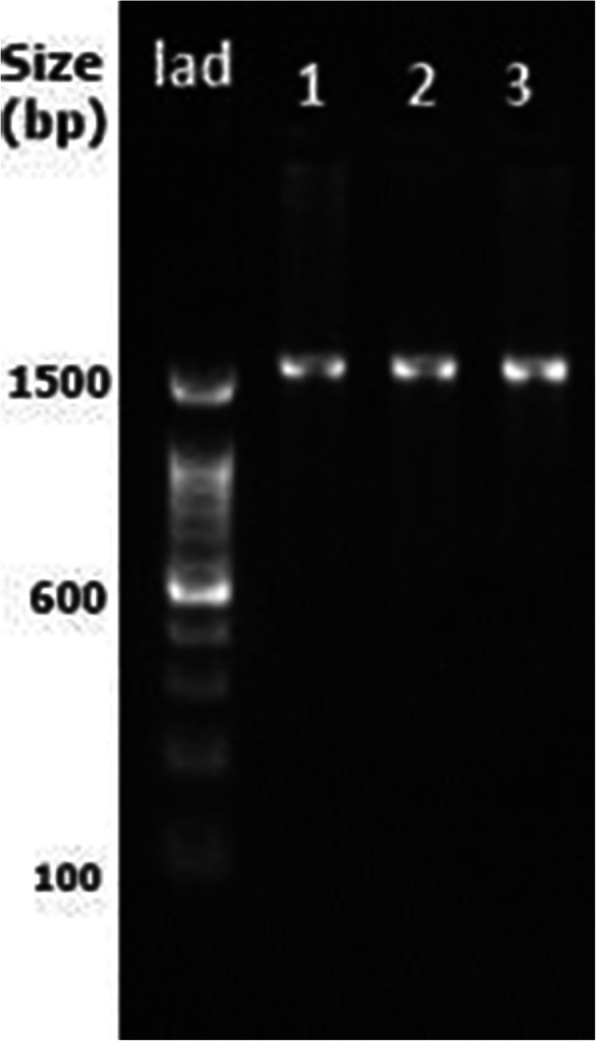
Soil salinity has been one of the biggest hurdles in achieving better crop yield and quality. Plant growth-promoting rhizobacteria (PGPR) are the symbiotic heterogeneous bacteria that play an important role in the recycling of plant nutrients through phytostimulation and phytoremediation. In this study, bacterial isolates were isolated from salt-polluted soil of Jhajjar and Panipat districts of Haryana, India. The potential salt-tolerant bacteria were screened for their PGPR activities such as phosphate solubilization, hydrogen cyanide (HCN), indole acetic acid (IAA) and ammonia production. The molecular characterization of potent isolates with salt tolerance and PGPR activity was done by 16S rDNA sequencing.
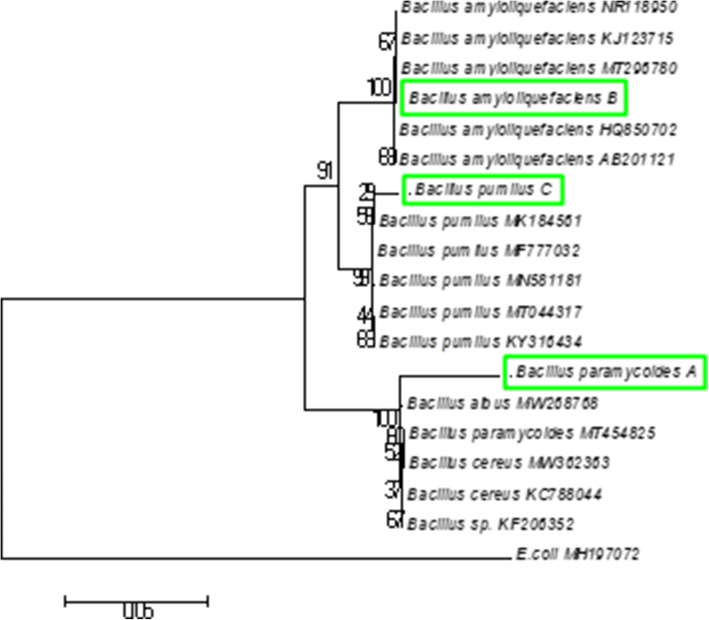
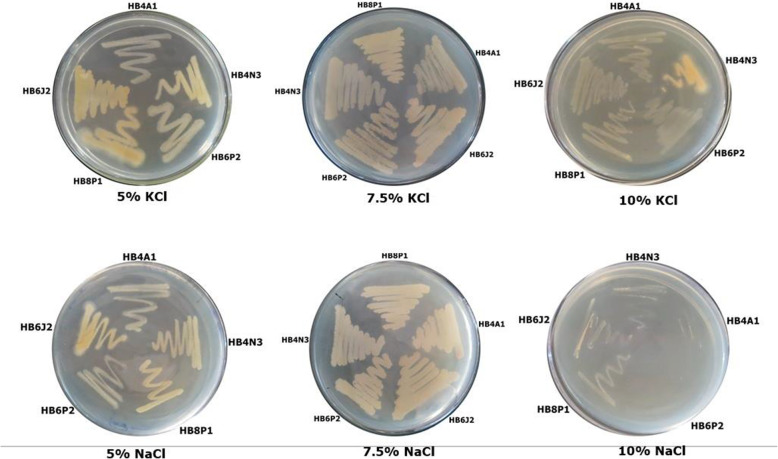
Eighteen soil samples from saline soils of Haryana state were screened for salt-tolerant bacteria. The bacterial isolates were analyzed for salt tolerance ranging from 2 to 10%. Thirteen isolates were found salt tolerant at varied salt concentrations. Isolates HB6P2 and HB6J2 showed maximum tolerance to salts at 10% followed by HB4A1, HB4N3 and HB8P1. All the salt-tolerant bacterial isolates showed HCN production with maximum production by HB6J2. Phosphate solubilization was demonstrated by three isolates viz., HB4N3, HB6P2 and HB6J2. IAA production was maximum in HB4A1 (15.89) and HB6P2 (14.01) and least in HB4N3 (8.91). Ammonia production was maximum in HB6P2 (12.3) and least in HB8P1 (6.2). Three isolates HB6J2, HB8P1 and HB4N3 with significant salt tolerance, and PGPR ability were identified through sequencing of amplified 16SrRNA gene and were found to be Bacillus paramycoides, Bacillus amyloliquefaciens and Bacillus pumilus, respectively.
The salt-tolerant plant growth-promoting rhizobacteria (PGPR) isolated from saline soil can be used to overcome the detrimental effects of salt stress on plants, with beneficial effects of physiological functions of plants such as growth and yield, and overcome disease resistance. Therefore, application of microbial inoculants to alleviate stresses and enhance yield in plants could be a low cost and environmental friendly option for the management of saline soil for better crop productivity.
土壤盐渍化一直是实现农作物更高产量和品质的最大障碍之一。植物促生根际细菌(PGPR)是共生的异质细菌,通过植物刺激和植物修复在植物养分循环中发挥重要作用。在本研究中,从印度哈里亚纳邦贾贾尔和潘尼帕特地区的盐污染土壤中分离出细菌菌株。筛选了具有耐盐潜力的细菌的PGPR活性,如解磷、氰化氢(HCN)、吲哚乙酸(IAA)和氨的产生。通过16S rDNA测序对具有耐盐性和PGPR活性的有效分离株进行分子表征。
对哈里亚纳邦盐渍土的18个土壤样本进行了耐盐细菌筛选。分析了细菌分离株在2%至10%盐浓度下的耐盐性。发现13个分离株在不同盐浓度下具有耐盐性。分离株HB6P2和HB6J2在10%盐浓度下表现出最大耐盐性,其次是HB4A1、HB4N3和HB8P1。所有耐盐细菌分离株均产生HCN,其中HB6J2产生量最大。三个分离株HB4N3、HB6P2和HB6J2表现出解磷能力。HB4A1(15.89)和HB6P2(14.01)中IAA产量最高,HB4N3(8.91)中最低。HB6P2(12.3)中氨产量最高,HB8P1(6.2)中最低。通过对扩增的16SrRNA基因进行测序,鉴定出三个具有显著耐盐性和PGPR能力的分离株HB6J2、HB8P1和HB4N3,分别为类副芽孢杆菌、解淀粉芽孢杆菌和短小芽孢杆菌。
从盐渍土中分离出耐受盐的植物促生根际细菌(PGPR)可用于克服盐胁迫对植物的有害影响,具有促进植物生长和产量等生理功能的有益作用,并能克服抗病性。因此,应用微生物接种剂减轻植物胁迫并提高产量可能是一种低成本且环保的管理盐渍土以提高作物生产力的选择。