Department of Ophthalmology, Wilmer Eye Institute, Johns Hopkins University, Baltimore, United States.
The Center for Nanomedicine, Wilmer Eye Institute, Johns Hopkins University, Baltimore, United States.
Elife. 2021 Jun 29;10:e57245. doi: 10.7554/eLife.57245.
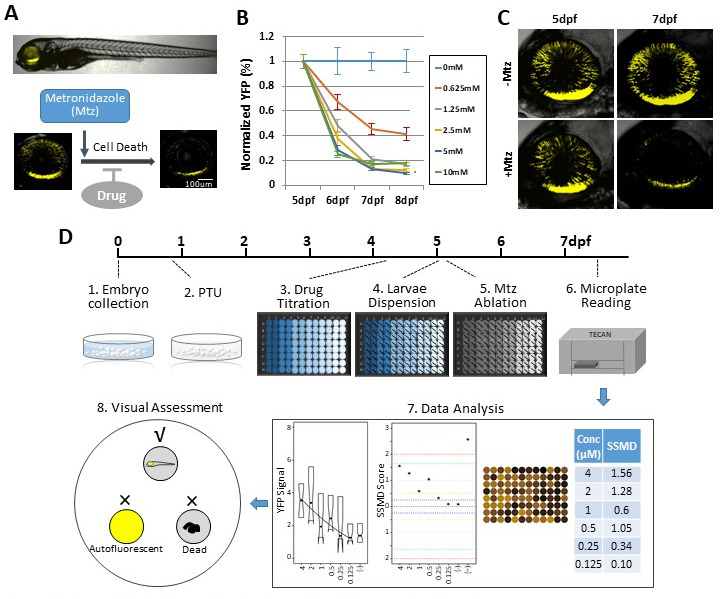
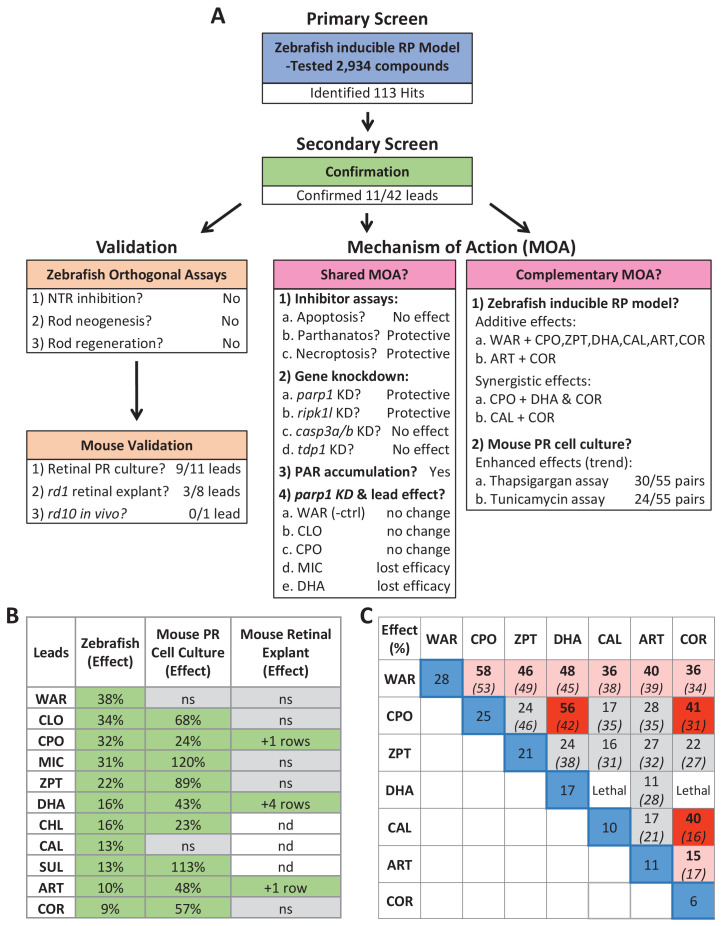
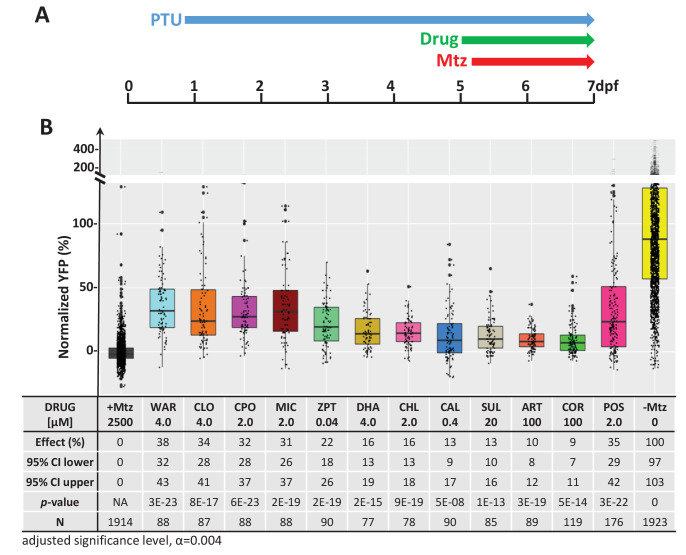
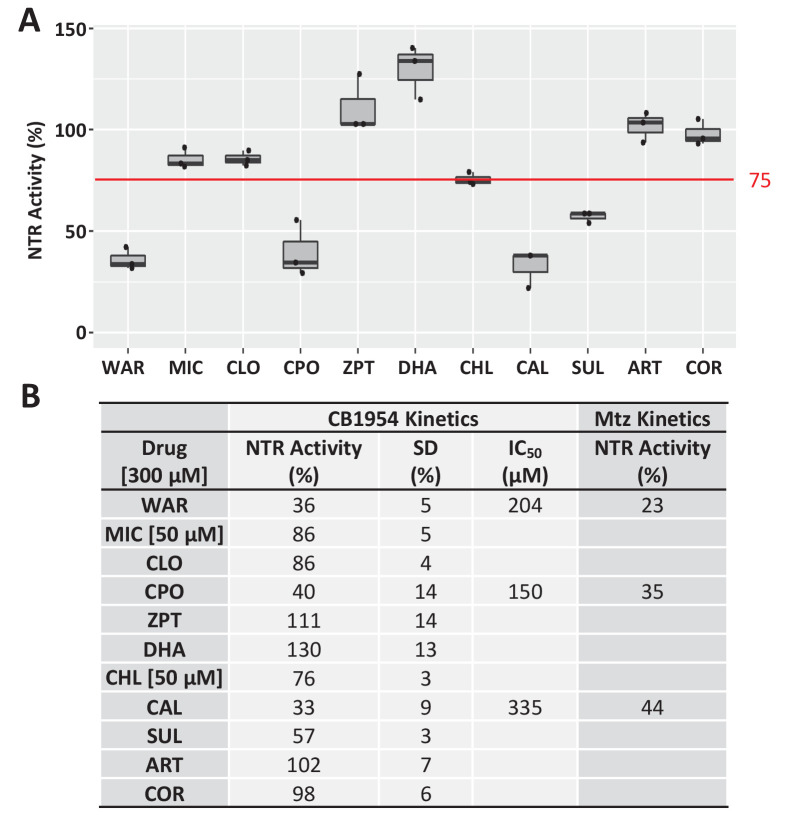
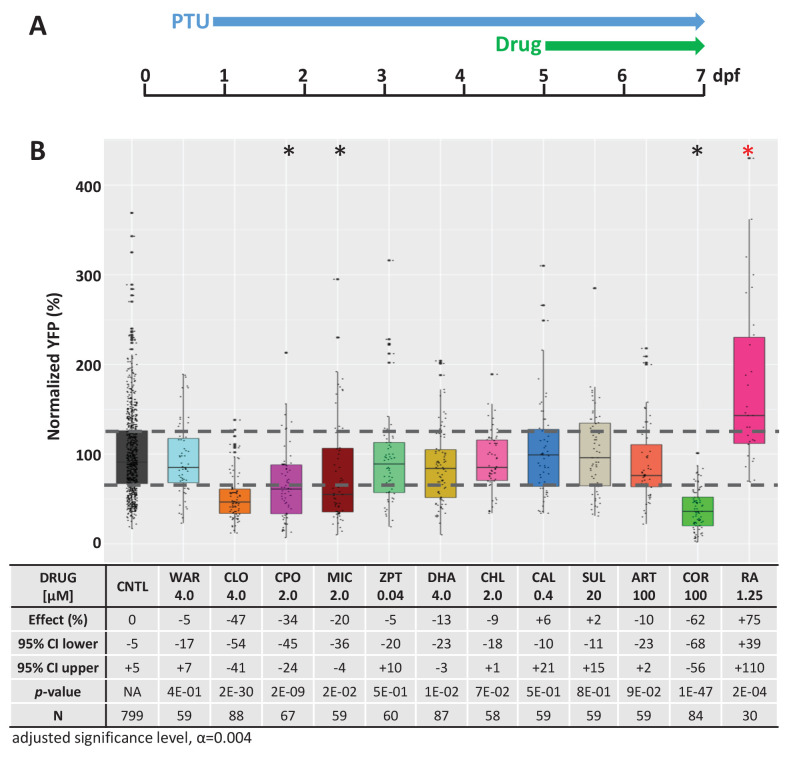
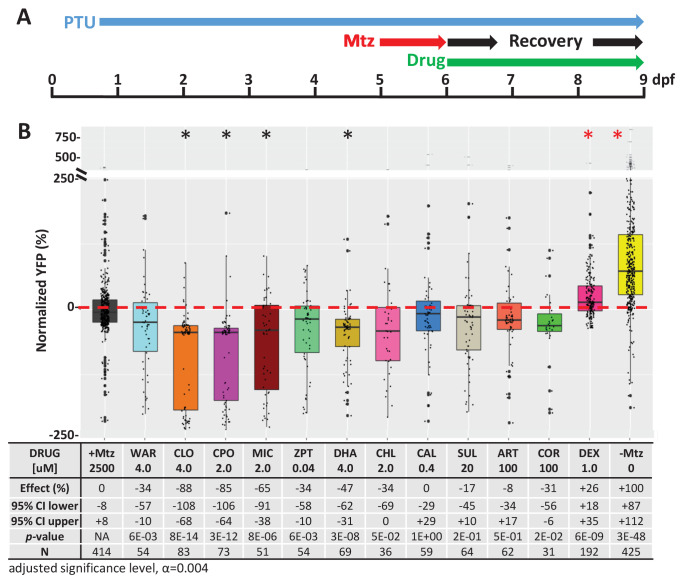
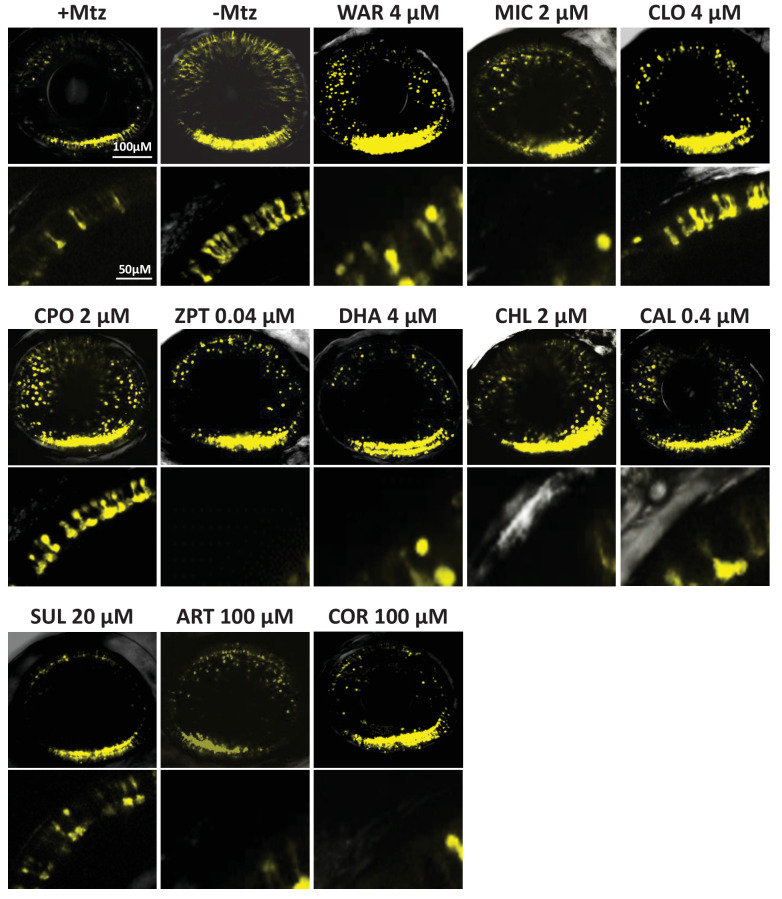
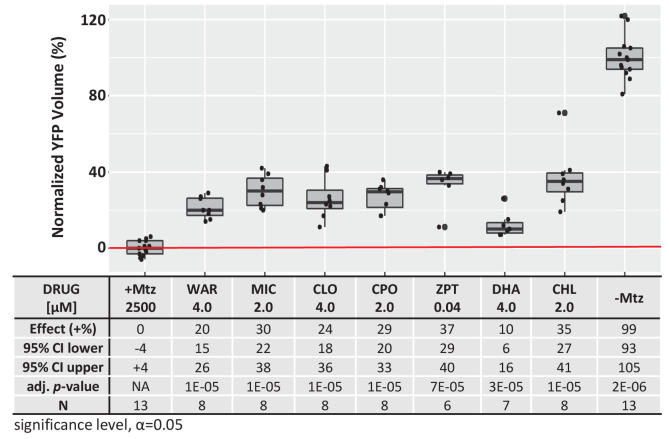
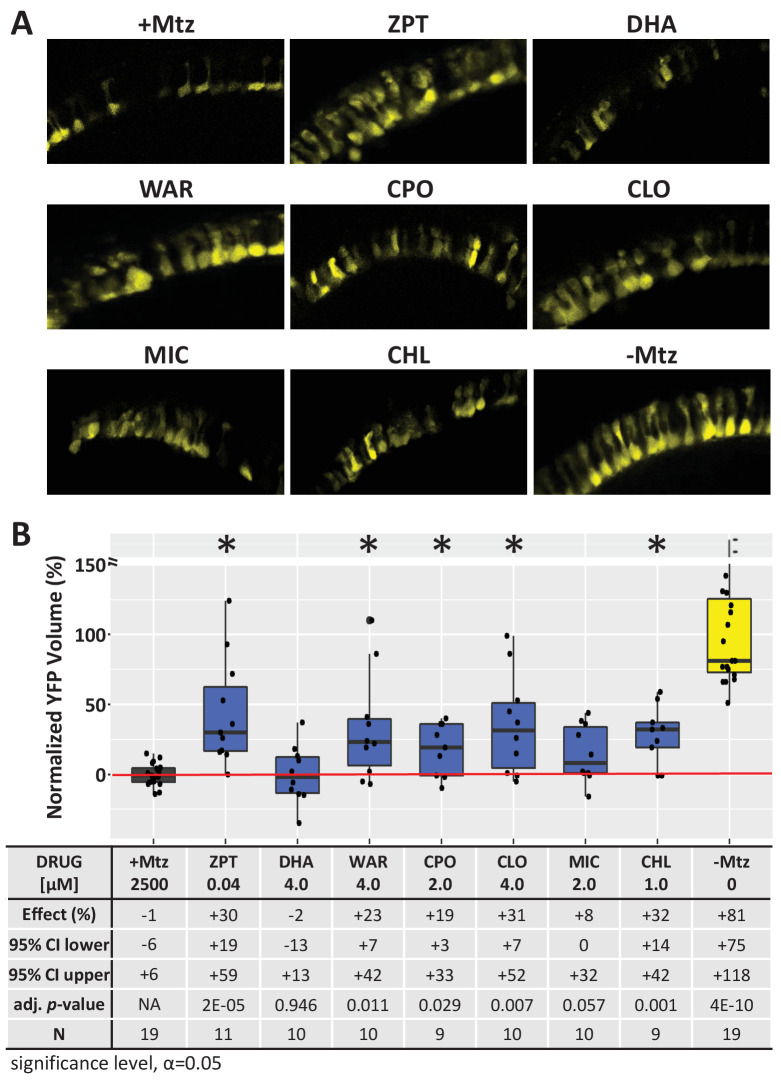
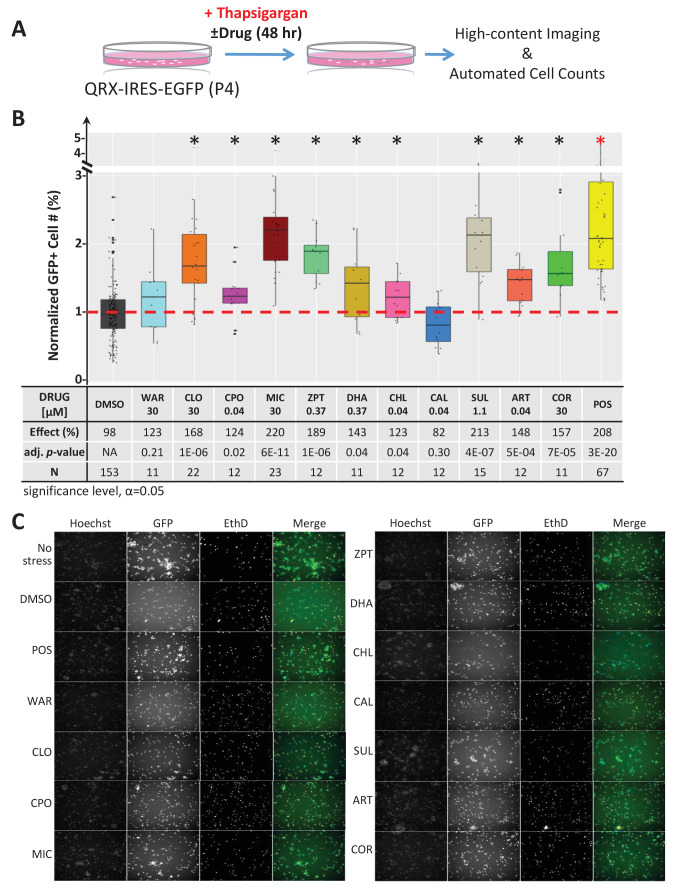
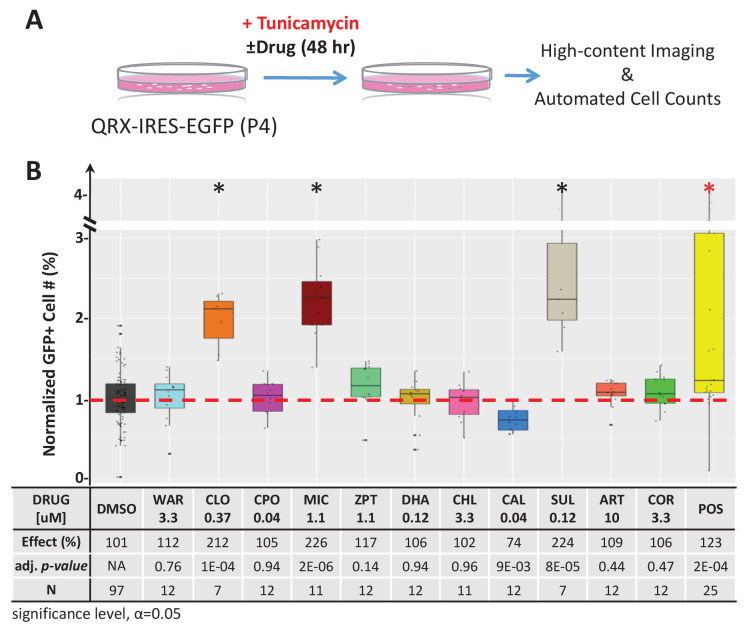
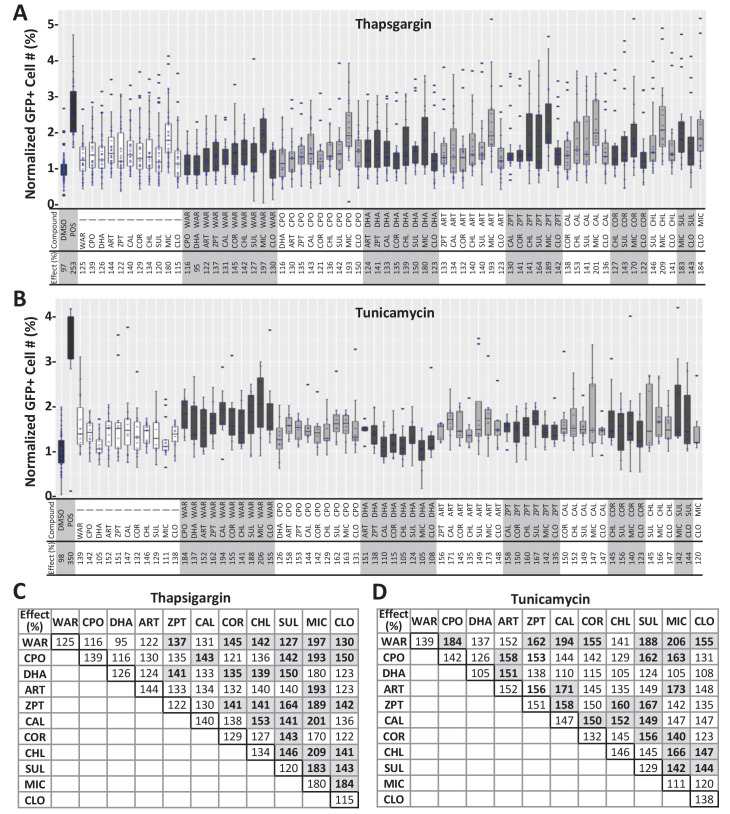
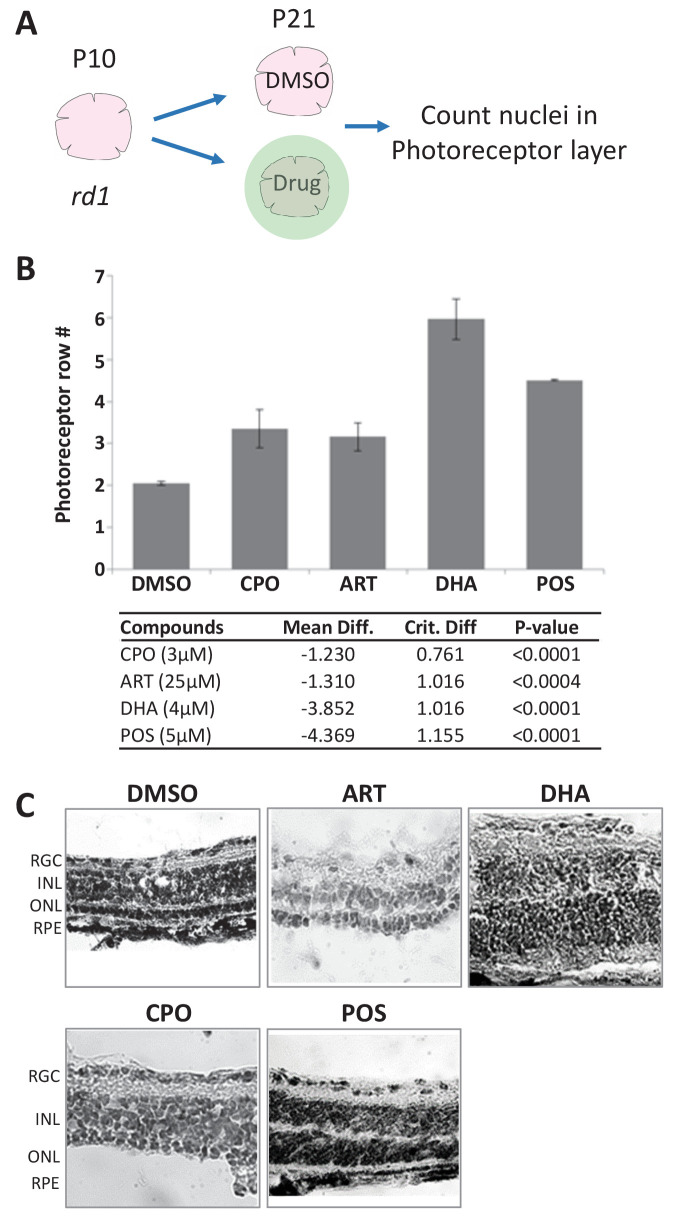
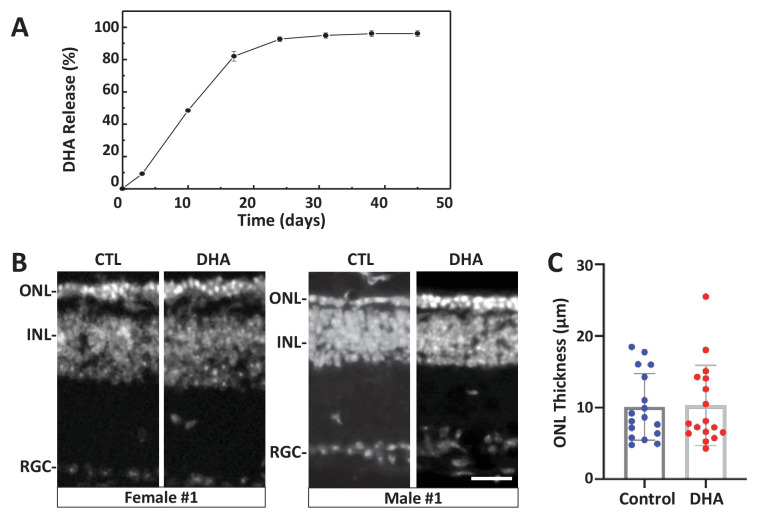
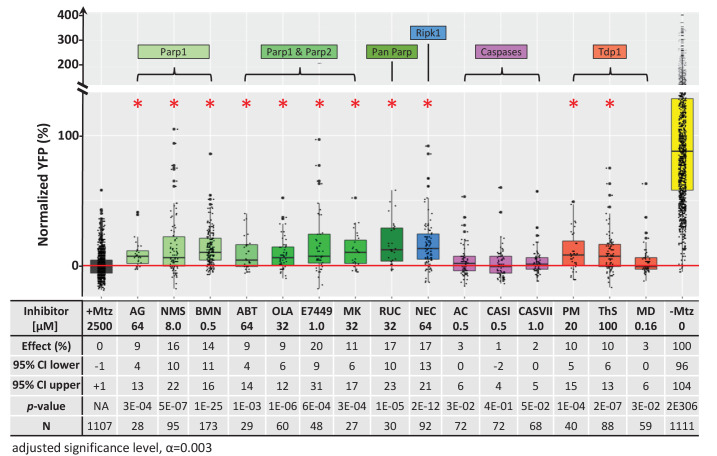
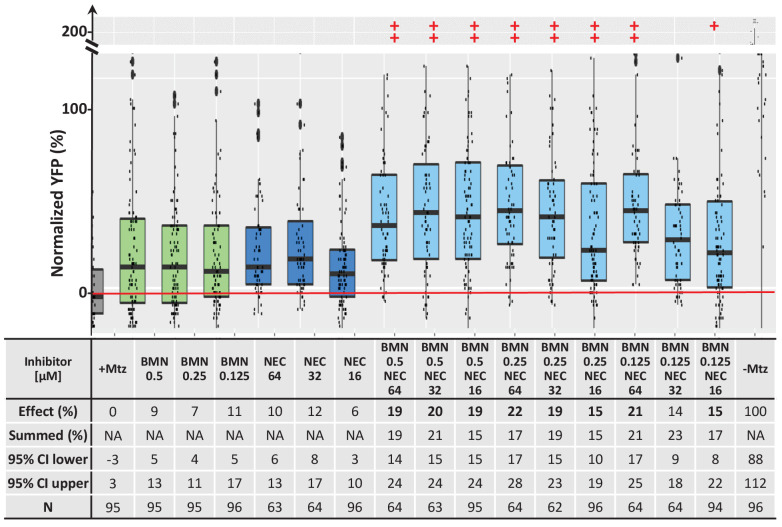
Retinitis pigmentosa (RP) and associated inherited retinal diseases (IRDs) are caused by rod photoreceptor degeneration, necessitating therapeutics promoting rod photoreceptor survival. To address this, we tested compounds for neuroprotective effects in multiple zebrafish and mouse RP models, reasoning drugs effective across species and/or independent of disease mutation may translate better clinically. We first performed a large-scale phenotypic drug screen for compounds promoting rod cell survival in a larval zebrafish model of inducible RP. We tested 2934 compounds, mostly human-approved drugs, across six concentrations, resulting in 113 compounds being identified as hits. Secondary tests of 42 high-priority hits confirmed eleven lead candidates. Leads were then evaluated in a series of mouse RP models in an effort to identify compounds effective across species and RP models, that is, potential pan-disease therapeutics. Nine of 11 leads exhibited neuroprotective effects in mouse primary photoreceptor cultures, and three promoted photoreceptor survival in mouse retinal explants. Both shared and complementary mechanisms of action were implicated across leads. Shared target tests implicated -dependent cell death in our zebrafish RP model. Complementation tests revealed enhanced and additive/synergistic neuroprotective effects of paired drug combinations in mouse photoreceptor cultures and zebrafish, respectively. These results highlight the value of cross-species/multi-model phenotypic drug discovery and suggest combinatorial drug therapies may provide enhanced therapeutic benefits for RP patients.
色素性视网膜炎(RP)和相关的遗传性视网膜疾病(IRDs)是由视杆细胞变性引起的,需要治疗方法来促进视杆细胞存活。为了解决这个问题,我们在多种斑马鱼和小鼠 RP 模型中测试了化合物的神经保护作用,认为在物种间和/或独立于疾病突变有效的药物可能在临床上更好地转化。我们首先在诱导性 RP 的幼虫斑马鱼模型中进行了大规模的表型药物筛选,以寻找促进视杆细胞存活的化合物。我们测试了 2934 种化合物,其中大多数是人类批准的药物,浓度为 6 种,结果确定了 113 种化合物为阳性。对 42 种高优先级阳性化合物的二次测试证实了 11 种先导候选物。然后,我们在一系列小鼠 RP 模型中评估了这些先导化合物,以确定能够在物种间和 RP 模型中发挥作用的化合物,即潜在的泛疾病治疗药物。11 种先导化合物中有 9 种在小鼠原代感光细胞培养物中表现出神经保护作用,有 3 种在小鼠视网膜外植体中促进感光细胞存活。在先导化合物中都涉及到了共同和互补的作用机制。共享目标测试表明,在我们的斑马鱼 RP 模型中, -依赖性细胞死亡。互补测试显示,配对药物组合在小鼠感光细胞培养物和斑马鱼中的神经保护作用增强且具有加性/协同作用。这些结果突出了跨物种/多模型表型药物发现的价值,并表明组合药物疗法可能为 RP 患者提供更好的治疗效果。