Graduate School of Medical Science and Engineering, Korea Advanced Institute of Science and Technology (KAIST), Daejeon 34141, Korea.
These authors contributed equally to this work.
Mol Cells. 2021 Jun 30;44(6):377-383. doi: 10.14348/molcells.2021.0094.
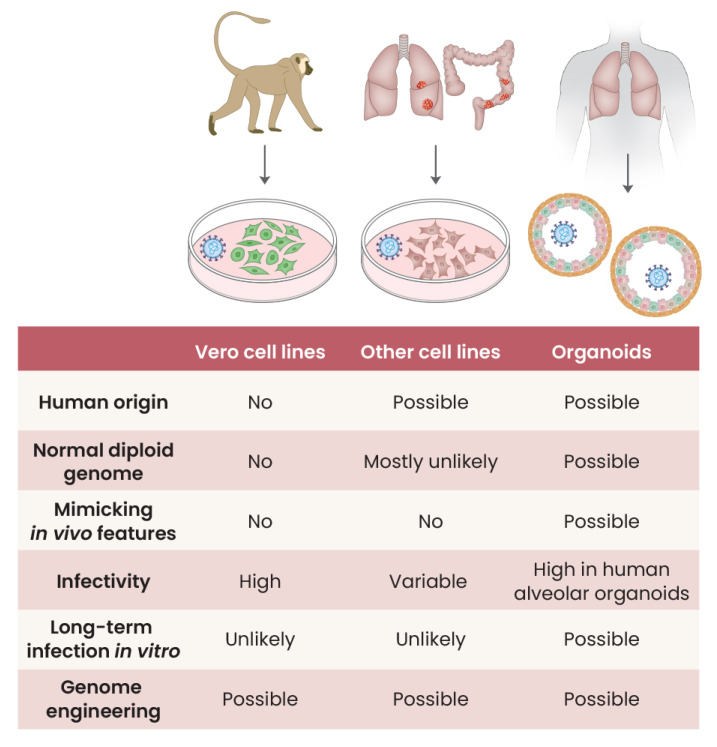
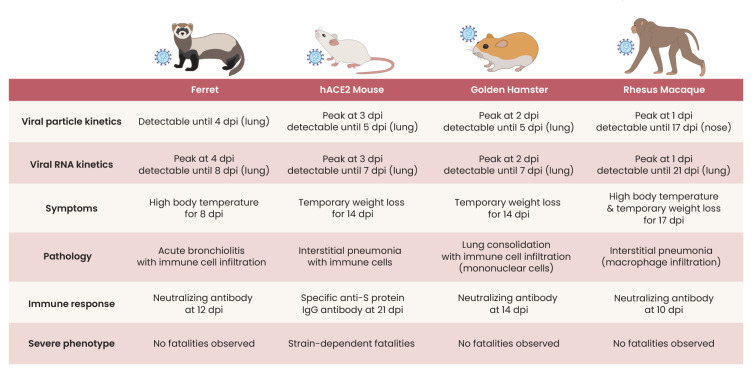
Severe acute respiratory syndrome-coronavirus 2 (SARS-CoV-2) is a novel virus that causes coronavirus disease 2019 (COVID-19). To understand the identity, functional characteristics and therapeutic targets of the virus and the diseases, appropriate infection models that recapitulate the pathophysiology of the viral infection are necessary. This article reviews the various infection models, including Vero cells, human cell lines, organoids, and animal models, and discusses their advantages and disadvantages. This knowledge will be helpful for establishing an efficient system for defense against emerging infectious diseases.
严重急性呼吸综合征冠状病毒 2(SARS-CoV-2)是一种新型病毒,可引起 2019 年冠状病毒病(COVID-19)。为了了解病毒和疾病的特性、功能和治疗靶点,需要建立能够重现病毒感染病理生理学的合适感染模型。本文综述了各种感染模型,包括 Vero 细胞、人细胞系、类器官和动物模型,并讨论了它们的优缺点。这些知识将有助于建立针对新发传染病的有效防御系统。