Health Services Research Unit, Fundación Para el Fomento de La Investigación Sanitaria y Biomédica de la Comunidad Valenciana, FISABIO (the Valencia Foundation for the Promotion of Health and Biomedical Research), Valencia, Spain.
Red de Investigación en Servicios de Salud en Enfermedades Crónicas (REDISSEC, ), Valencia, Spain.
Sci Rep. 2021 Jun 29;11(1):13509. doi: 10.1038/s41598-021-92731-w.
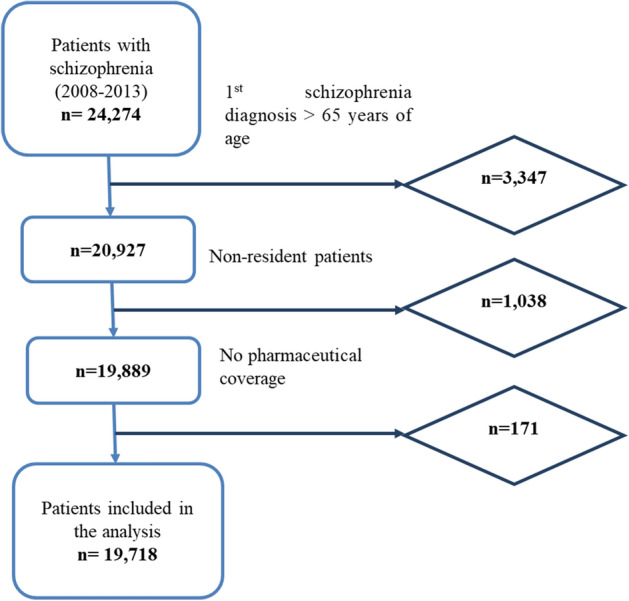
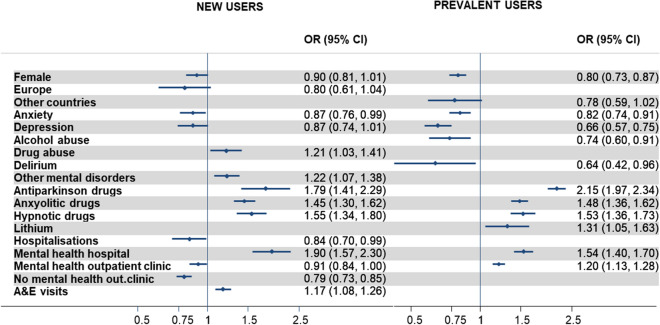
Schizophrenia is a chronic mental condition presenting a wide range of symptoms. Although it has a low prevalence compared to other mental conditions, it has a negative impact on social and occupational functions. This study aimed to assess the appropriateness of antipsychotic medications administered to schizophrenic patients and describe current treatment patterns for schizophrenia. A retrospective cohort study was conducted in all patients over the age of 15 with an active diagnosis of schizophrenia and treated with antipsychotics between 2008 and 2013 in the Valencia region. A total of 19,718 patients were eligible for inclusion. The main outcome assessed was inappropriateness of the pharmacotherapeutic management, including polypharmacy use. Altogether, 30.4% of patients received antipsychotic polypharmacy, and 6.8% were prescribed three or more antipsychotics. Overdosage affected 318 individuals (1.6%), and 21.5% used concomitant psychotropics without an associated psychiatric diagnosis. Women and people with a comorbid condition like anxiety or depression were less likely to receive antipsychotic polypharmacy. In contrast, increased polypharmacy was associated with concomitant treatment with other psychoactive drugs, and only in user on maintenance therapy, with more visits to the mental health hospital. Overall, we observed a high level of inappropriateness in antipsychotic prescriptions. Greater adherence to guidelines could maximize the benefits of antipsychotic medications while minimizing risk of adverse effects.
精神分裂症是一种慢性精神疾病,表现出多种症状。尽管与其他精神疾病相比,其发病率较低,但它对社会和职业功能仍有负面影响。本研究旨在评估精神分裂症患者使用的抗精神病药物的适当性,并描述当前精神分裂症的治疗模式。这是一项在 Valencia 地区 2008 年至 2013 年间接受抗精神病药物治疗的 15 岁以上、有精神分裂症活跃诊断的所有患者中进行的回顾性队列研究。共有 19718 名患者符合纳入条件。主要评估结果是药物治疗管理的不适当性,包括联合用药。共有 30.4%的患者接受了抗精神病药联合治疗,6.8%的患者服用了三种或三种以上抗精神病药。有 318 人(1.6%)出现药物过量,21.5%的患者在没有相关精神诊断的情况下同时使用精神药物。女性和伴有焦虑或抑郁等合并症的患者较少接受抗精神病药联合治疗。相比之下,联合使用其他精神活性药物与增加联合用药相关,仅在维持治疗的患者中,精神卫生医院的就诊次数更多。总体而言,我们观察到抗精神病药物处方的不适当性很高。更大程度地遵循指南可以最大限度地提高抗精神病药物的益处,同时最大限度地降低不良反应的风险。