Chromosome Replication Laboratory, The Francis Crick Institute, 1 Midland Road, London NW1 1AT, U.K.
Cell Biology of Infection Laboratory, The Francis Crick Institute, 1 Midland Road, London NW1 1AT, U.K.
Biochem J. 2021 Jul 16;478(13):2425-2443. doi: 10.1042/BCJ20210200.
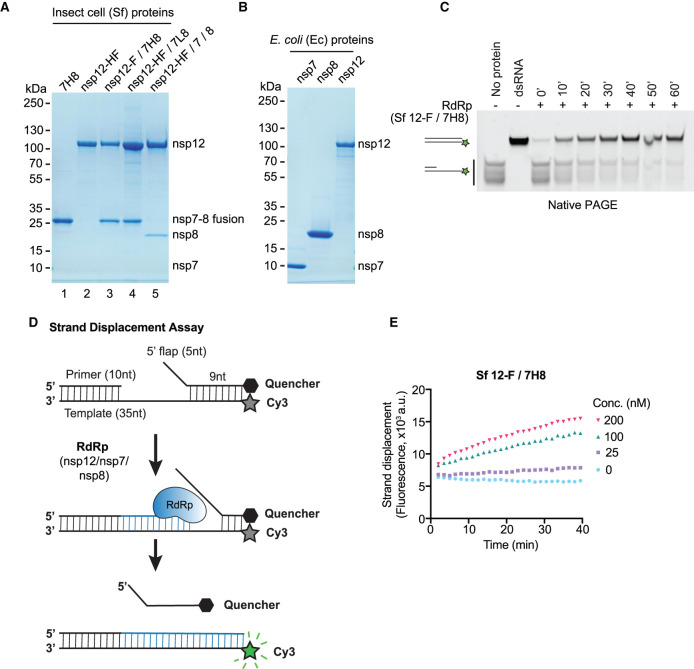
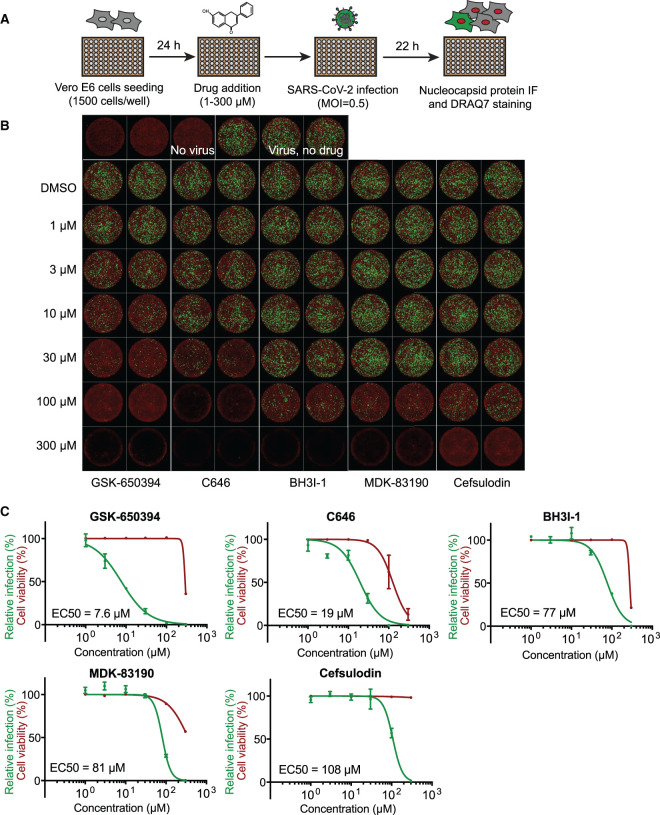
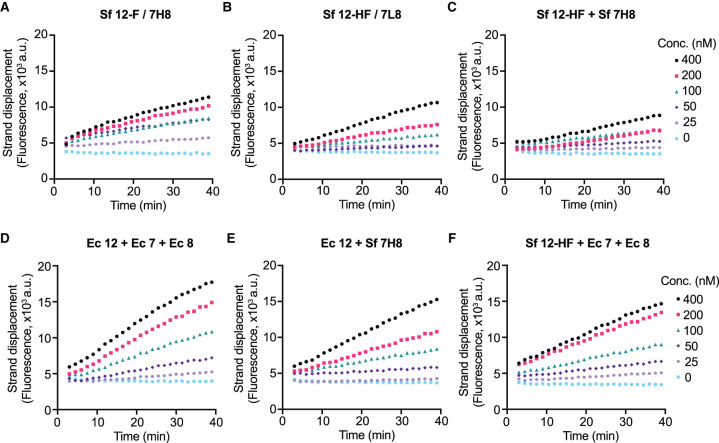
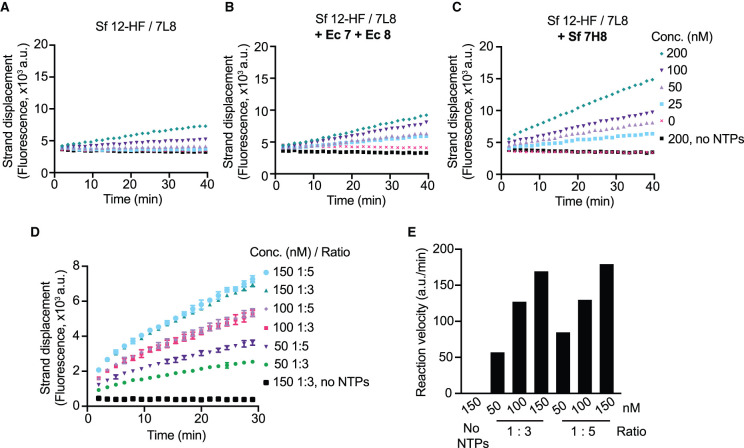
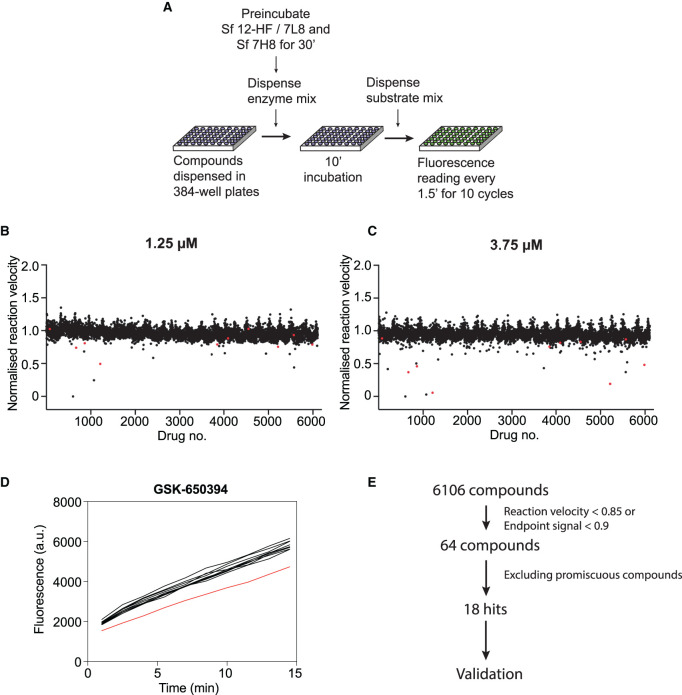
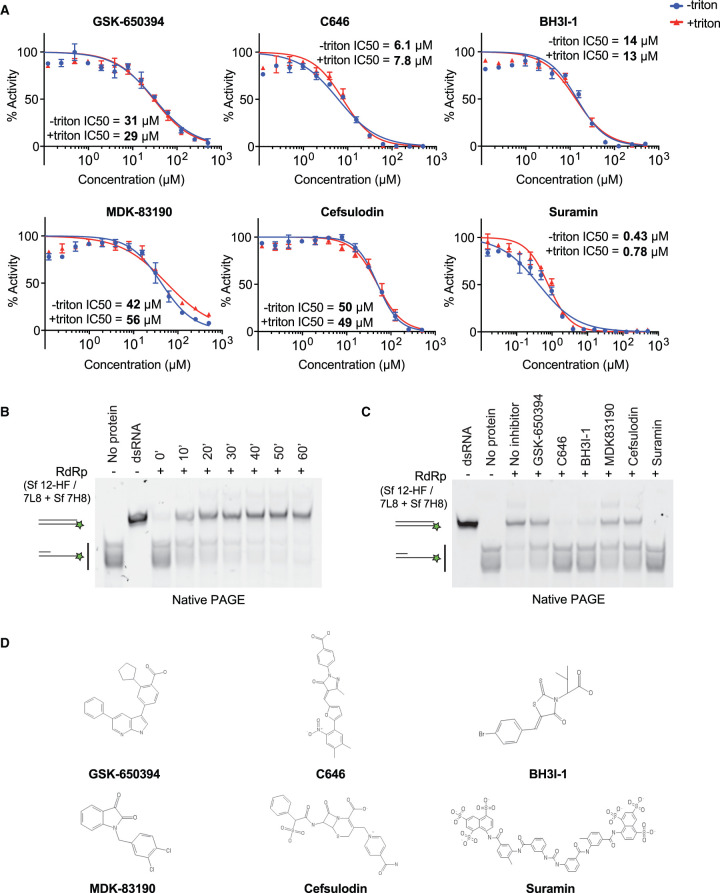
The coronavirus disease 2019 (COVID-19) global pandemic has turned into the largest public health and economic crisis in recent history impacting virtually all sectors of society. There is a need for effective therapeutics to battle the ongoing pandemic. Repurposing existing drugs with known pharmacological safety profiles is a fast and cost-effective approach to identify novel treatments. The COVID-19 etiologic agent is the severe acute respiratory syndrome coronavirus 2 (SARS-CoV-2), a single-stranded positive-sense RNA virus. Coronaviruses rely on the enzymatic activity of the replication-transcription complex (RTC) to multiply inside host cells. The RTC core catalytic component is the RNA-dependent RNA polymerase (RdRp) holoenzyme. The RdRp is one of the key druggable targets for CoVs due to its essential role in viral replication, high degree of sequence and structural conservation and the lack of homologues in human cells. Here, we have expressed, purified and biochemically characterised active SARS-CoV-2 RdRp complexes. We developed a novel fluorescence resonance energy transfer-based strand displacement assay for monitoring SARS-CoV-2 RdRp activity suitable for a high-throughput format. As part of a larger research project to identify inhibitors for all the enzymatic activities encoded by SARS-CoV-2, we used this assay to screen a custom chemical library of over 5000 approved and investigational compounds for novel SARS-CoV-2 RdRp inhibitors. We identified three novel compounds (GSK-650394, C646 and BH3I-1) and confirmed suramin and suramin-like compounds as in vitro SARS-CoV-2 RdRp activity inhibitors. We also characterised the antiviral efficacy of these drugs in cell-based assays that we developed to monitor SARS-CoV-2 growth.
2019 年冠状病毒病(COVID-19)全球大流行已成为近代史上最大的公共卫生和经济危机,几乎影响到社会的各个领域。需要有效的治疗方法来对抗持续的大流行。重新利用具有已知药理学安全性的现有药物是快速且具有成本效益的方法,可以确定新的治疗方法。COVID-19 的病原体是严重急性呼吸系统综合症冠状病毒 2(SARS-CoV-2),一种单链正链 RNA 病毒。冠状病毒依靠复制转录复合物(RTC)的酶促活性在宿主细胞内繁殖。RTC 的核心催化成分是 RNA 依赖性 RNA 聚合酶(RdRp)全酶。由于 RdRp 在病毒复制中的关键作用、高度的序列和结构保守性以及在人类细胞中缺乏同源物,因此它是 CoV 的关键可药用靶标之一。在这里,我们已经表达、纯化并对活性 SARS-CoV-2 RdRp 复合物进行了生化表征。我们开发了一种新型荧光共振能量转移(FRET)基于链置换的测定法,用于监测 SARS-CoV-2 RdRp 活性,适合高通量格式。作为确定 SARS-CoV-2 编码的所有酶活性抑制剂的更大研究项目的一部分,我们使用该测定法筛选了超过 5000 种已批准和研究性化合物的定制化学文库,以寻找新型 SARS-CoV-2 RdRp 抑制剂。我们鉴定了三种新型化合物(GSK-650394、C646 和 BH3I-1),并证实苏拉明及其类似物是体外 SARS-CoV-2 RdRp 活性抑制剂。我们还在我们开发的用于监测 SARS-CoV-2 生长的细胞测定法中表征了这些药物的抗病毒功效。