Pocheron Anne-Lise, Le Dréan Gwenola, Billard Helene, Moyon Thomas, Pagniez Anthony, Heberden Christine, Le Chatelier Emmanuelle, Darmaun Dominique, Michel Catherine, Parnet Patricia
UN, INRAE, UMR 1280, PhAN, IMAD, Nantes, France.
INRAE, Micalis, Jouy-en-Josas, France.
Front Microbiol. 2021 Jun 15;12:672224. doi: 10.3389/fmicb.2021.672224. eCollection 2021.
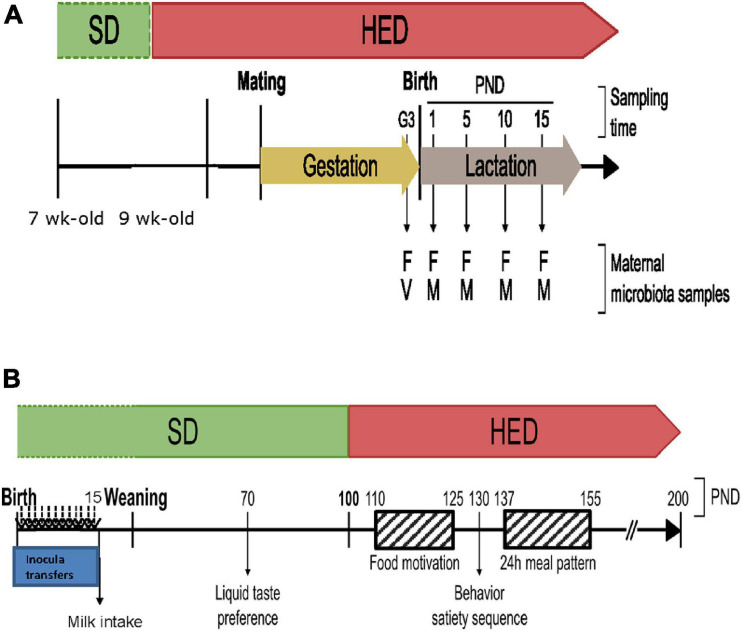
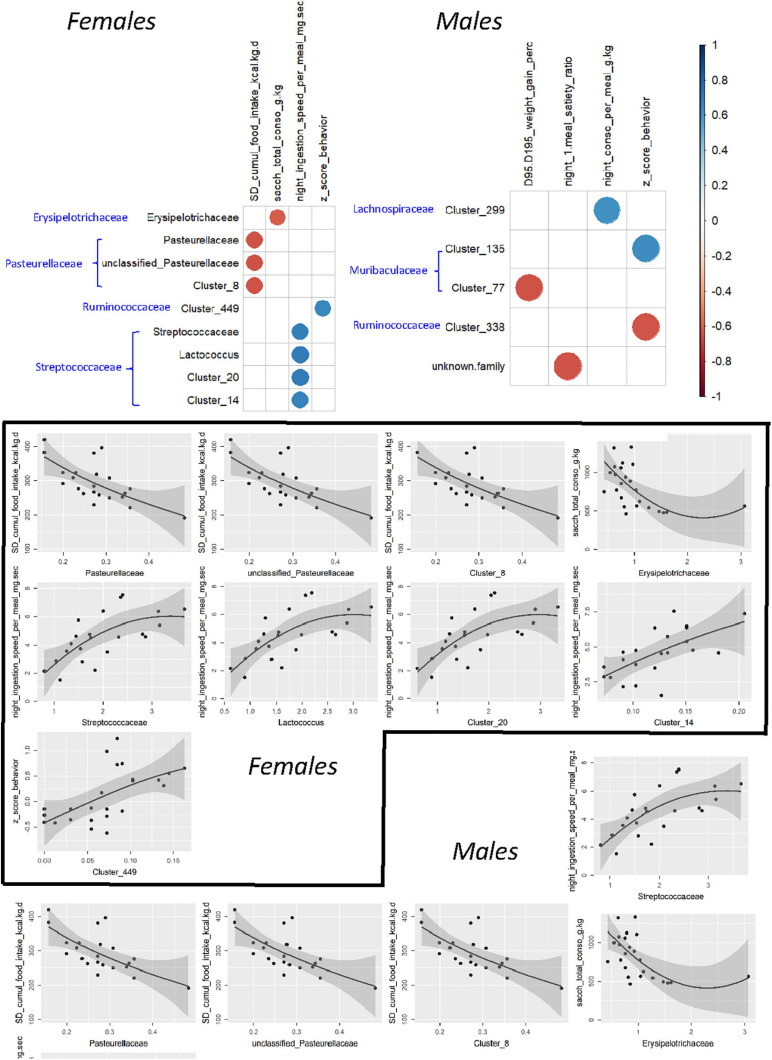
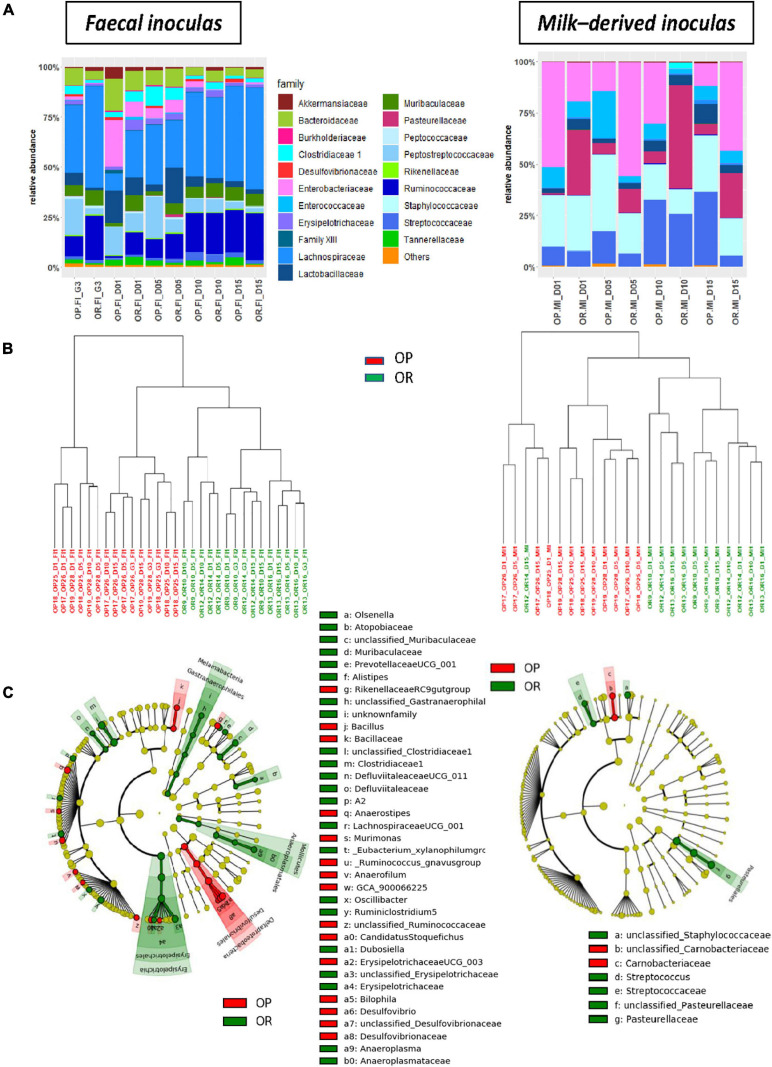
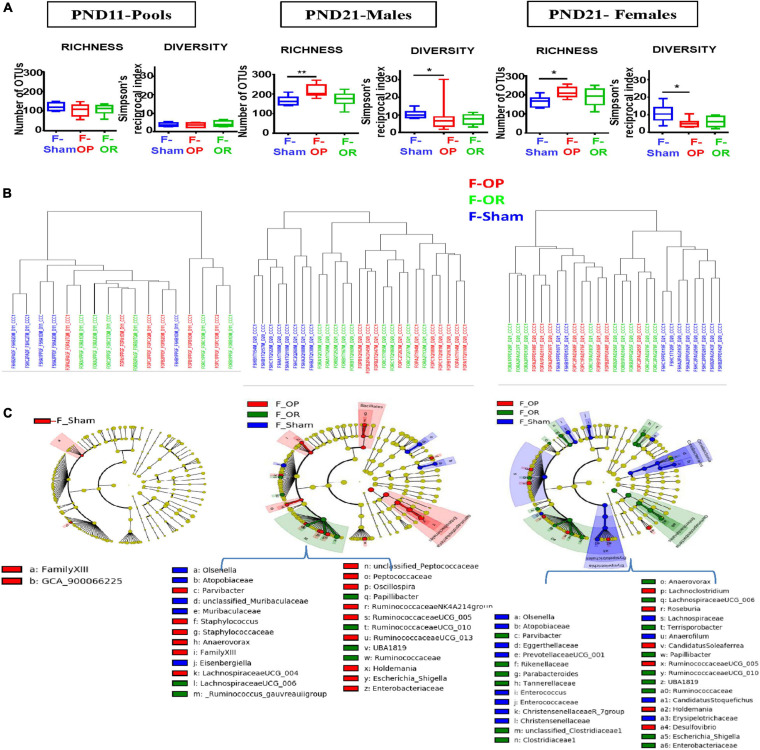
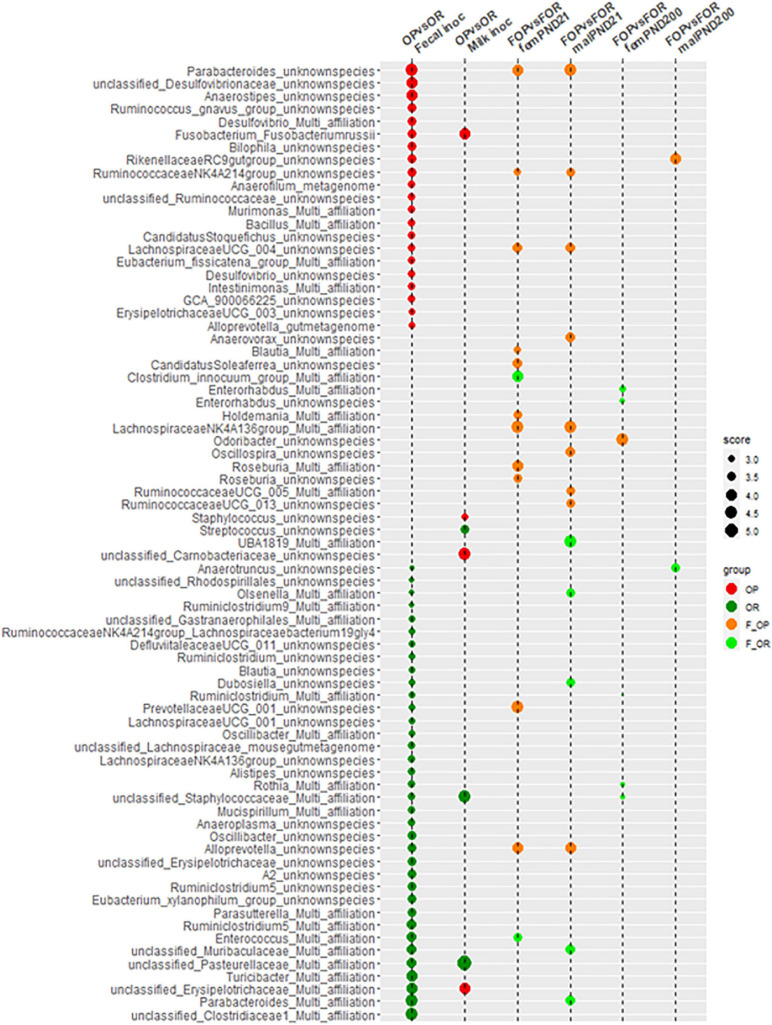
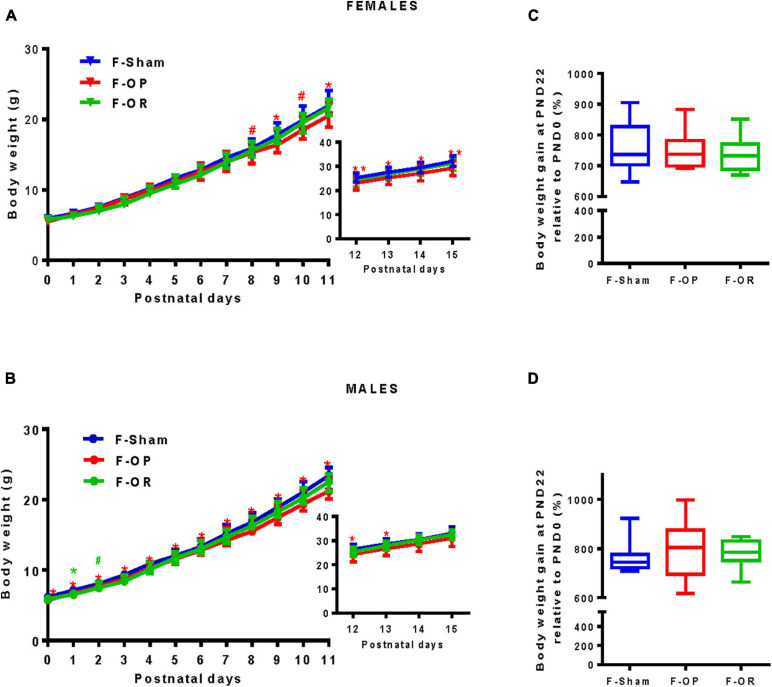
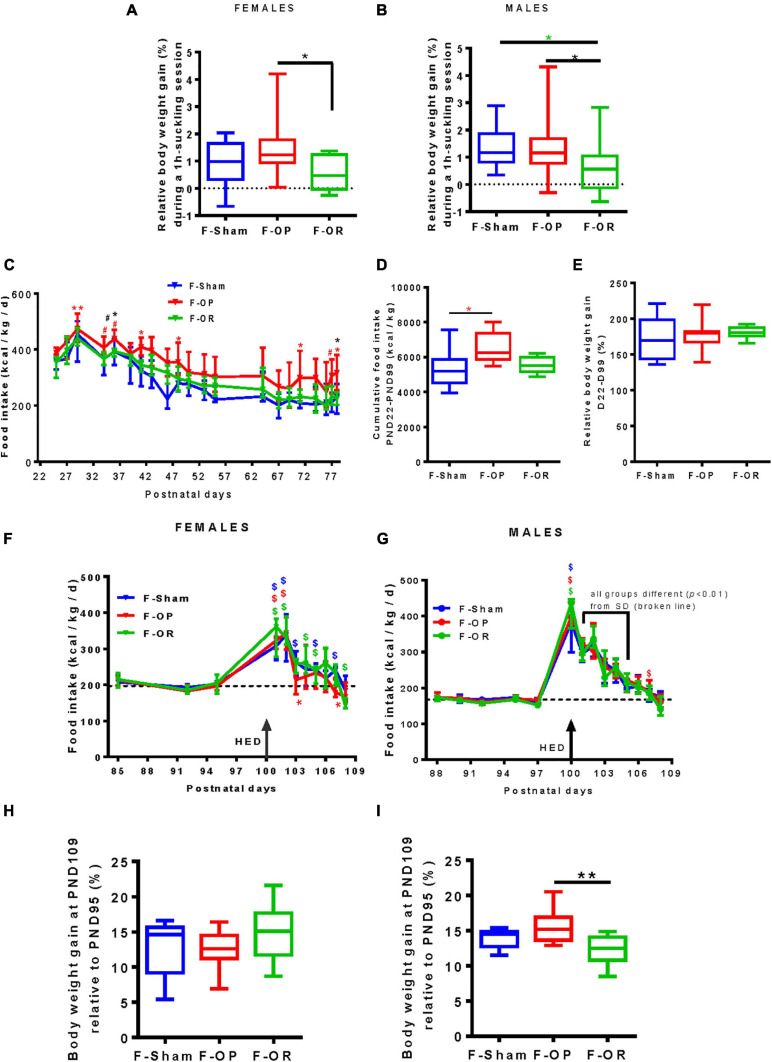
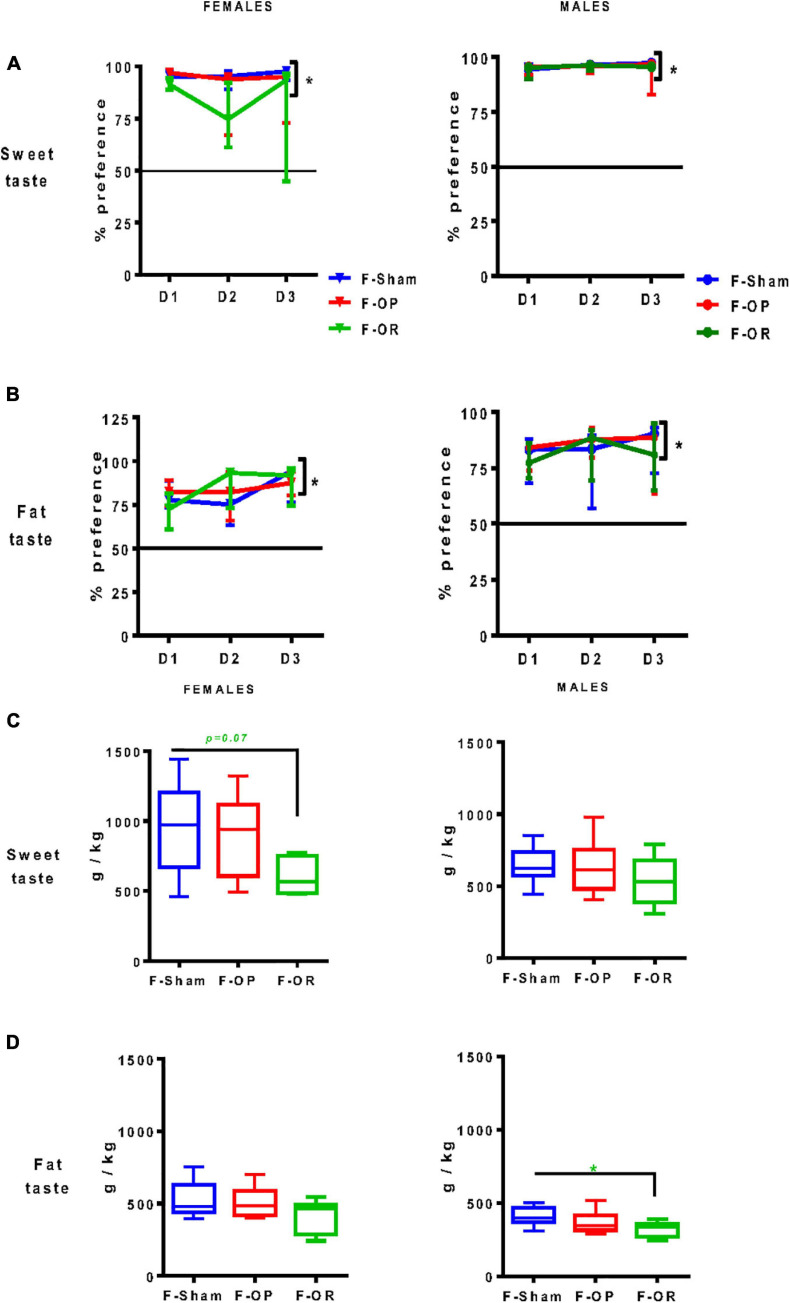
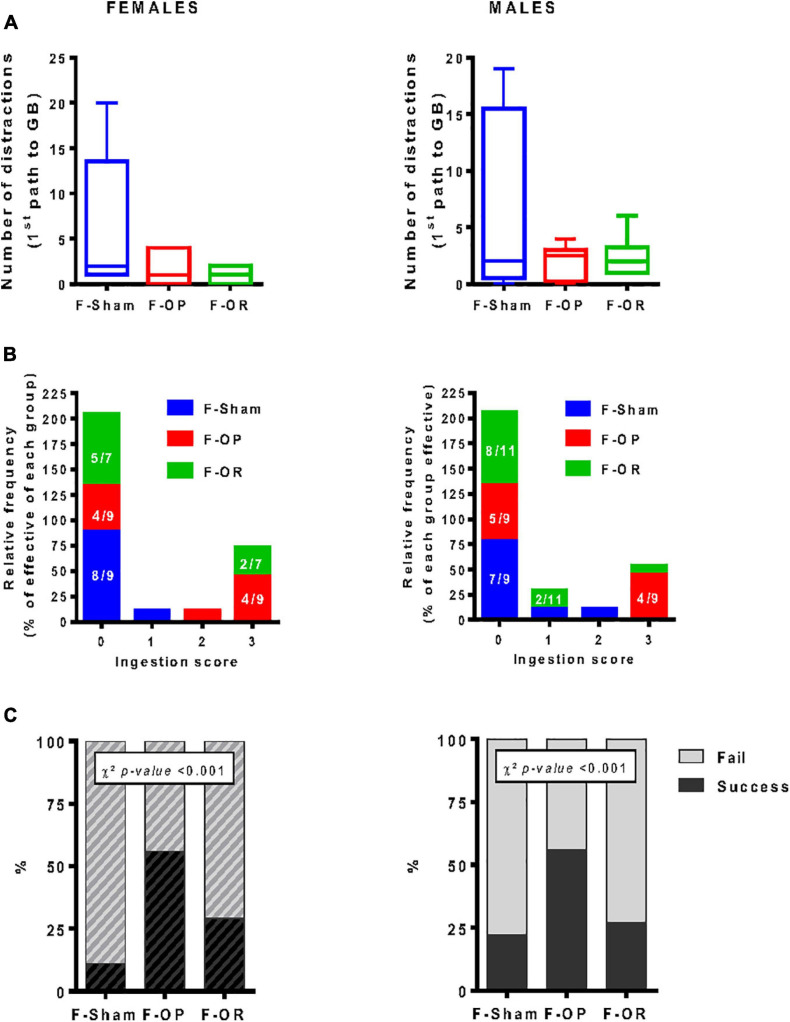
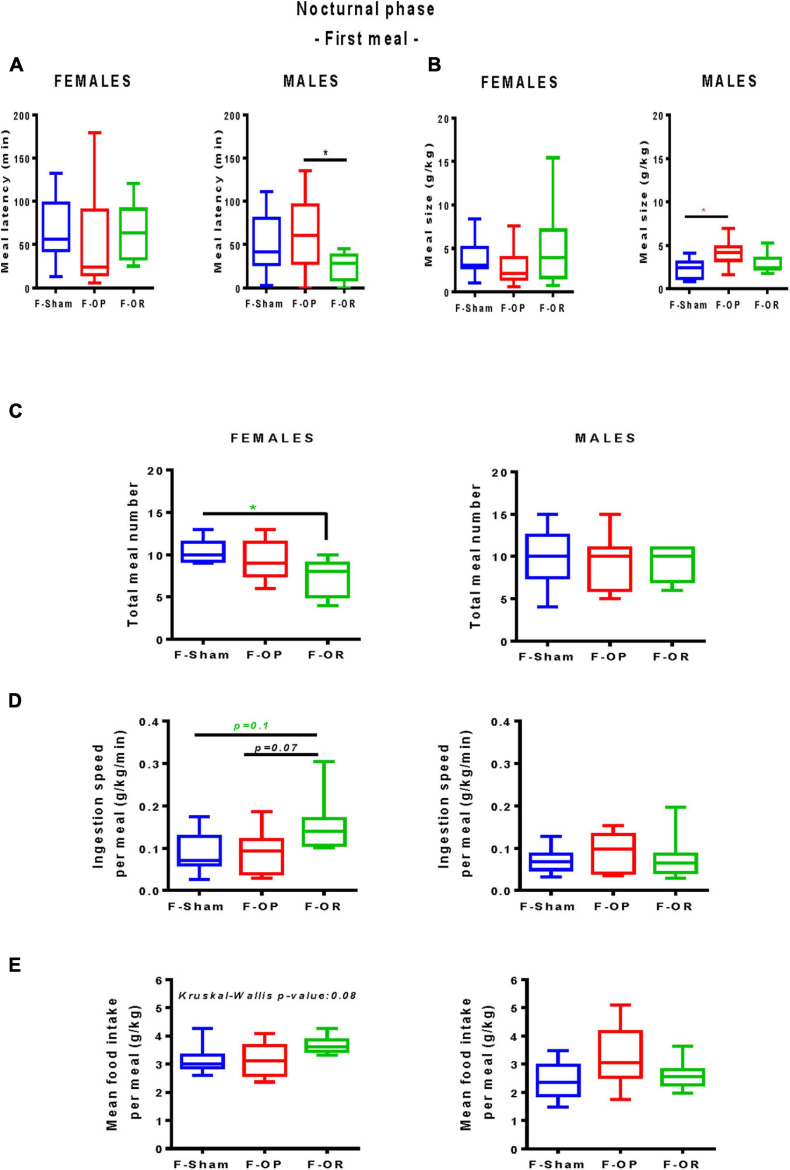
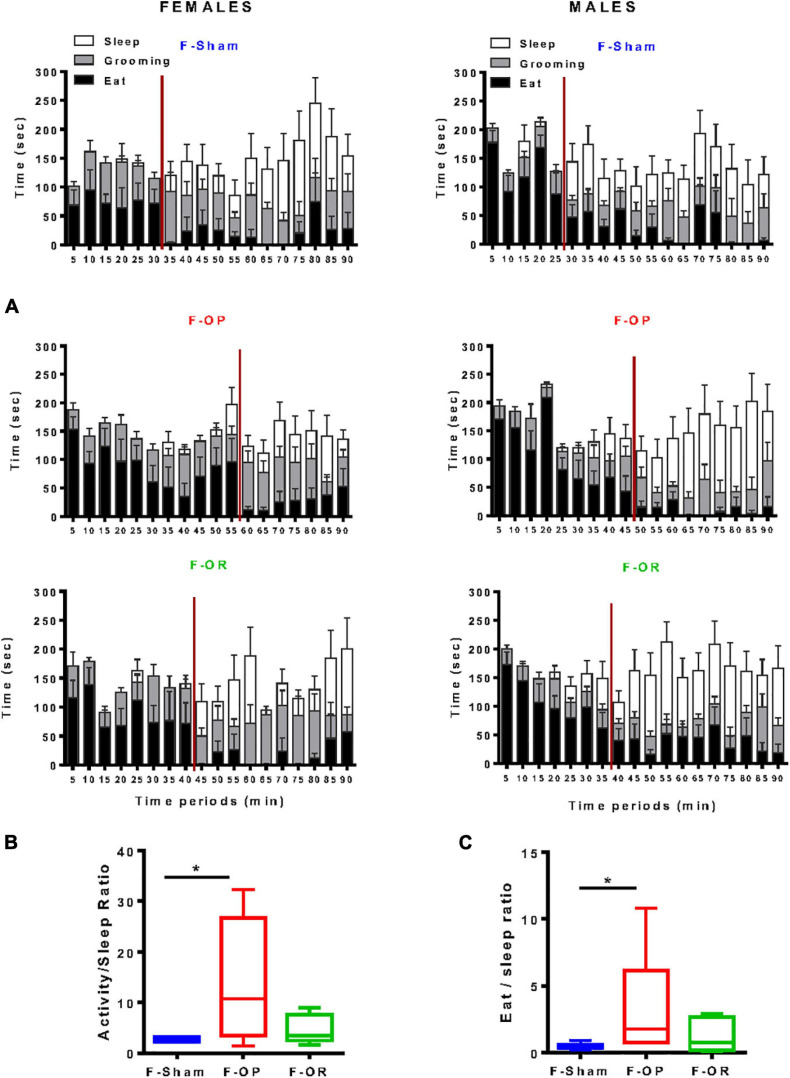
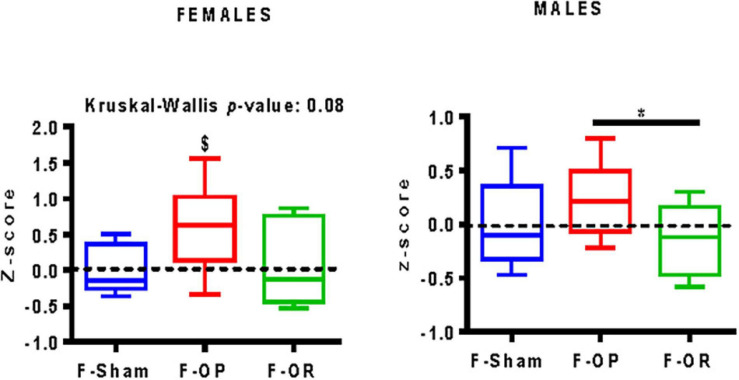
Understanding the link between mother's obesity and regulation of the child's appetite is a prerequisite for the design of successful preventive strategies. Beyond the possible contributions of genetic heritage, family culture, and hormonal and metabolic environment during pregnancy, we investigate in the present paper the causal role of the transmission of the maternal microbiotas in obesity as microbiotas differ between lean and obese mothers, maternal microbiotas are the main determinants of a baby's gut colonization, and the intestinal microbiota resulting from the early colonization could impact the feeding behavior of the offspring with short- and long-term consequences on body weight. We thus investigated the potential role of vertical transfers of maternal microbiotas in programming the eating behavior of the offspring. Selectively bred obese-prone (OP)/obese-resistant (OR) Sprague-Dawley dams were used since differences in the cecal microbiota have been evidenced from males of that strain. Microbiota collected from vagina (at the end of gestation), feces, and milk (at postnatal days 1, 5, 10, and 15) of OP/OR dams were orally inoculated to conventional Fischer F344 recipient pups from birth to 15 days of age to create three groups of pups: F-OP, F-OR, and F-Sham group (that received the vehicle). We first checked microbiotal differences between inoculas. We then assessed the impact of transfer (from birth to adulthood) onto the intestinal microbiota of recipients rats, their growth, and their eating behavior by measuring their caloric intake, their anticipatory food reward responses, their preference for sweet and fat tastes in solutions, and the sensations that extend after food ingestion. Finally, we searched for correlation between microbiota composition and food intake parameters. We found that maternal transfer of microbiota differing in composition led to alterations in pups' gut microbiota composition that did not last until adulthood but were associated with specific eating behavior characteristics that were predisposing F-OP rats to higher risk of over consuming at subsequent periods of their life. These findings support the view that neonatal gut microbiotal transfer can program eating behavior, even without a significant long-lasting impact on adulthood microbiota composition.
了解母亲肥胖与儿童食欲调节之间的联系是设计成功预防策略的前提条件。除了遗传因素、家庭文化以及孕期激素和代谢环境可能产生的影响外,我们在本文中研究了母体微生物群传播在肥胖中的因果作用,因为瘦母亲和肥胖母亲的微生物群存在差异,母体微生物群是婴儿肠道定植的主要决定因素,早期定植产生的肠道微生物群可能会影响后代的进食行为,对体重产生短期和长期影响。因此,我们研究了母体微生物群垂直转移在编程后代进食行为方面的潜在作用。使用选择性培育的易肥胖(OP)/抗肥胖(OR)斯普拉格-道利母鼠,因为已证明该品系雄性的盲肠微生物群存在差异。从OP/OR母鼠的阴道(妊娠末期)、粪便和乳汁(出生后第1、5、10和15天)中收集的微生物群,从出生到15日龄口服接种到常规的Fischer F344受体幼崽中,以创建三组幼崽:F-OP、F-OR和F-假手术组(接受载体)。我们首先检查接种物之间的微生物差异。然后,通过测量受体大鼠的热量摄入、预期食物奖励反应、对溶液中甜味和脂肪味的偏好以及进食后延长的感觉,评估从出生到成年的转移对受体大鼠肠道微生物群、生长和进食行为的影响。最后,我们寻找微生物群组成与食物摄入参数之间的相关性。我们发现,不同组成的微生物群的母体转移导致幼崽肠道微生物群组成发生改变,这种改变在成年前并未持续,但与特定的进食行为特征相关,这些特征使F-OP大鼠在其生命的后续阶段有更高的过度进食风险。这些发现支持了这样一种观点,即新生儿肠道微生物群转移可以编程进食行为,即使对成年微生物群组成没有显著的长期影响。