da Silva Josicléia Leôncio, Lima Ana Gonçalves, Diniz Natália Ramos, Leite Jéssica Costa
Centro Universitário Unifacisa - UNIFACISA, Campina Grande, PB, Brasil.
Universidade Estadual da Paraíba - UEPB, Campina Grande, PB, Brasil.
J Vasc Bras. 2021 Jun 16;20:e20200248. doi: 10.1590/1677-5449.200248.
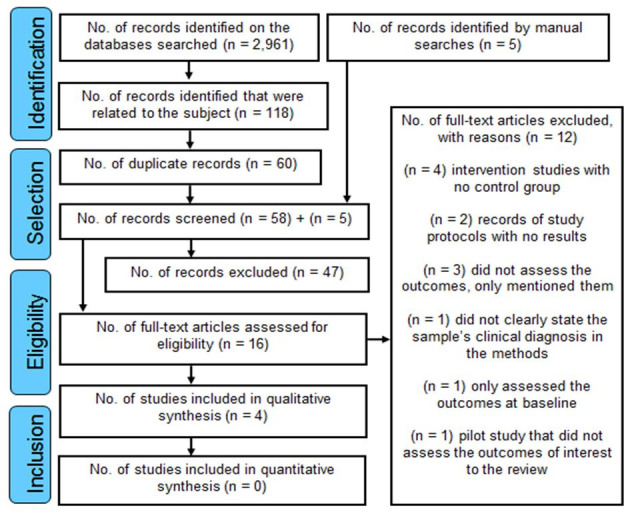
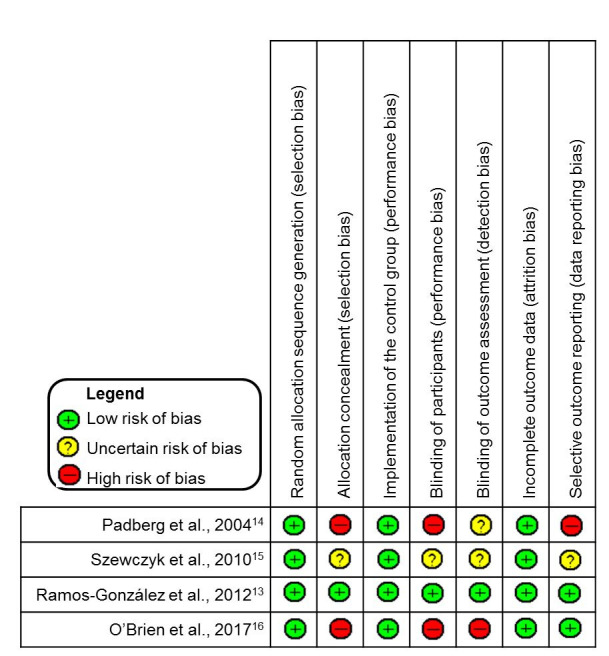
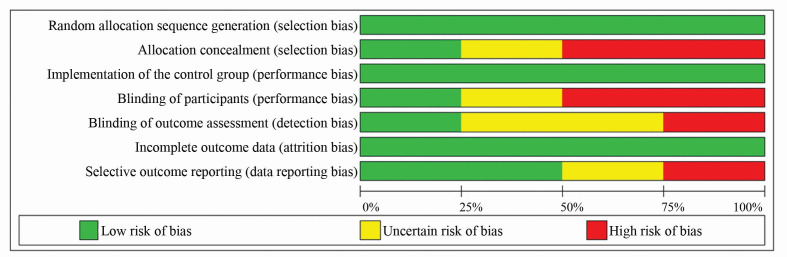
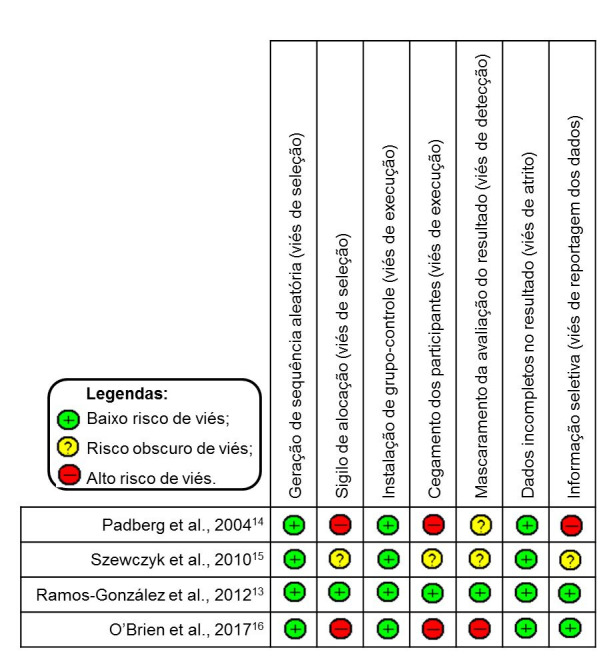
The main signs and symptoms of chronic venous insufficiency are pain, edema, varicose veins, and tissue changes; conditions that compromise functionality and quality of life. Management of the disease aims to mitigate these losses and involves a wide range of interventions, one of which is therapeutic exercise. This article presents the existing evidence on the effectiveness of therapeutic exercises for quality of life, pain, and functionality in chronic venous insufficiency. Searches were run on the databases CENTRAL, CINAHL, LILACS, MEDLINE, PEDro, SciELO, Science Direct, Scopus, and Web of Science. Four of the 2,961 results met the eligibility criteria. Only one of these studies showed benefits of exercise for improving quality of life and reducing pain. The others had low methodological quality. The existing evidence is therefore insufficient to indicate or contraindicate therapeutic exercises for improvement of quality of life, pain, and functionality in patients with chronic venous insufficiency.
慢性静脉功能不全的主要体征和症状包括疼痛、水肿、静脉曲张和组织变化;这些情况会损害功能和生活质量。该疾病的管理旨在减轻这些损害,涉及广泛的干预措施,其中之一是治疗性运动。本文介绍了关于治疗性运动对慢性静脉功能不全患者生活质量、疼痛和功能有效性的现有证据。在CENTRAL、CINAHL、LILACS、MEDLINE、PEDro、SciELO、Science Direct、Scopus和Web of Science数据库中进行了检索。2961项结果中有4项符合纳入标准。其中只有一项研究表明运动对改善生活质量和减轻疼痛有好处。其他研究的方法学质量较低。因此,现有证据不足以表明或排除治疗性运动可改善慢性静脉功能不全患者的生活质量、疼痛和功能。