Bertochi Thiago, Gomes Ricardo Zanetti, Martins Mario
Hospital Universitário Regional dos Campos Gerais - HURCG, Cirurgia Geral, Ponta Grossa, PR, Brasil.
J Vasc Bras. 2019 Jun 25;18:e20180133. doi: 10.1590/1677-5449.180133.
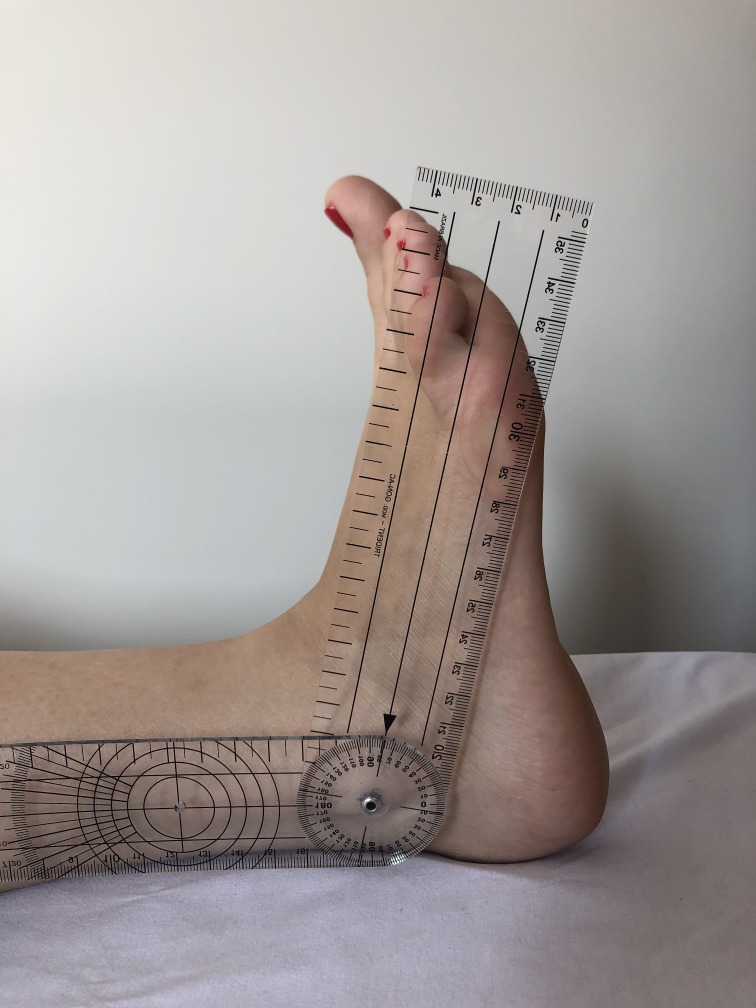
The present study arose from the need to improve treatment of patients with chronic venous insufficiency (CVI) who present with venous ulcers. A total of 40 lower limbs were assessed from 20 patients with healed venous ulcers (C5) or active venous ulcers (C6) who had undergone varicose vein surgery. The relationship between the range of motion of the ankle joint and presence of C5 or C6 venous ulcer was analyzed. For this purpose, normal goniometry findings for this joint were used as a predictor of venous ulcer healing, defined as the outcome. Thus, when identifying reduced ankle joint movement or immobility in these patients, new treatment options could be offered in order to increase joint mobility and prevent or delay CVI complications.
本研究源于改善患有静脉溃疡的慢性静脉功能不全(CVI)患者治疗的需求。对20例已愈合静脉溃疡(C5)或活动性静脉溃疡(C6)且接受过静脉曲张手术的患者的40条下肢进行了评估。分析了踝关节活动范围与C5或C6静脉溃疡存在之间的关系。为此,将该关节的正常测角结果用作静脉溃疡愈合的预测指标,静脉溃疡愈合被定义为结果。因此,当识别出这些患者踝关节活动减少或固定不动时,可以提供新的治疗选择,以增加关节活动度并预防或延迟CVI并发症。