First Department of Thoracic Surgery, Linyi Cancer Hospital, Linyi, Shandong, China (mainland).
Department of Anesthesiology and Surgical Intensive Care Unit, Xinhua Hospital, Shanghai Jiaotong University School of Medicine, Shanghai, China (mainland).
Med Sci Monit. 2021 Jul 5;27:e929727. doi: 10.12659/MSM.929727.
BACKGROUND Thymoma is the most common tumor of the anterior mediastinum, and can be caused by infrequent malignancies arising from the epithelial cells of the thymus. Unfortunately, blood-based diagnostic markers are not currently available. High-throughput sequencing technologies, such as RNA-seq with next-generation sequencing, have facilitated the detection and characterization of both coding and non-coding RNAs (ncRNAs), which play significant roles in genomic regulation, transcriptional and post-transcriptional regulation, and imprinting and epigenetic modification. The knowledge about fusion genes and ncRNAs in thymomas is scarce. MATERIAL AND METHODS For this study, we gathered large-scale RNA-seq data belonging to samples from 25 thymomas and 25 healthy thymus specimens and analyzed them to identify fusion genes, lncRNAs, and miRNAs. RESULTS We found 21 fusion genes, including KMT2A-MAML2, HADHB-REEP1, COQ3-CGA, MCM4-SNTB1, and IFT140-ACTN4, as the most frequent and significant in thymomas. We also detected 65 differentially-expressed lncRNAs in thymomas, including AFAP1-AS1, LINC00324, ADAMTS9-AS1, VLDLR-AS1, LINC00968, and NEAT1, that have been validated with the TCGA database. Moreover, we identified 1695 miRNAs from small RNA-seq data that were overexpressed in thymomas. Our network analysis of the lncRNA-mRNA-miRNA regulation axes identified a cluster of miRNAs upregulated in thymomas, that can trigger the expression of target protein-coding genes, and lead to the disruption of several biological pathways, including the PI3K-Akt signaling pathway, FoxO signaling pathway, and HIF-1 signaling pathway. CONCLUSIONS Our results show that overexpression of this miRNA cluster activates PI3K-Akt, FoxO, HIF-1, and Rap-1 signaling pathways, suggesting pathway inhibitors may be therapeutic candidates against thymoma.
胸腺瘤是前纵隔最常见的肿瘤,可由胸腺上皮细胞罕见的恶性肿瘤引起。不幸的是,目前尚无基于血液的诊断标志物。高通量测序技术,如带有下一代测序的 RNA-seq,已经促进了编码和非编码 RNA(ncRNA)的检测和特征分析,ncRNA 在基因组调控、转录和转录后调控、印迹和表观遗传修饰中发挥着重要作用。关于胸腺瘤中融合基因和 ncRNA 的知识还很匮乏。
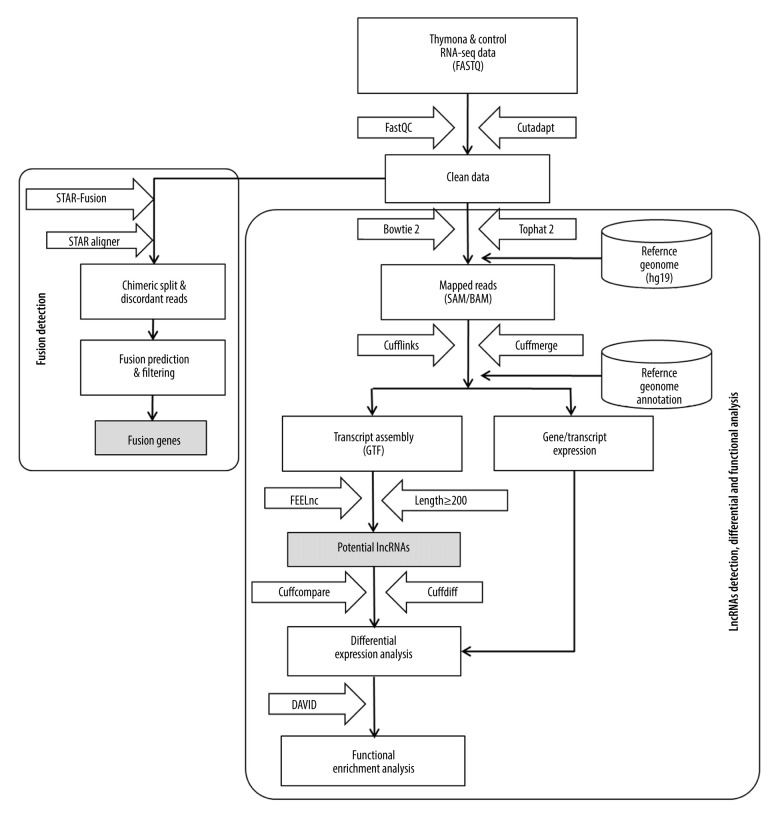
在这项研究中,我们收集了 25 例胸腺瘤和 25 例健康胸腺标本的大规模 RNA-seq 数据,并对其进行了分析,以鉴定融合基因、lncRNA 和 miRNA。
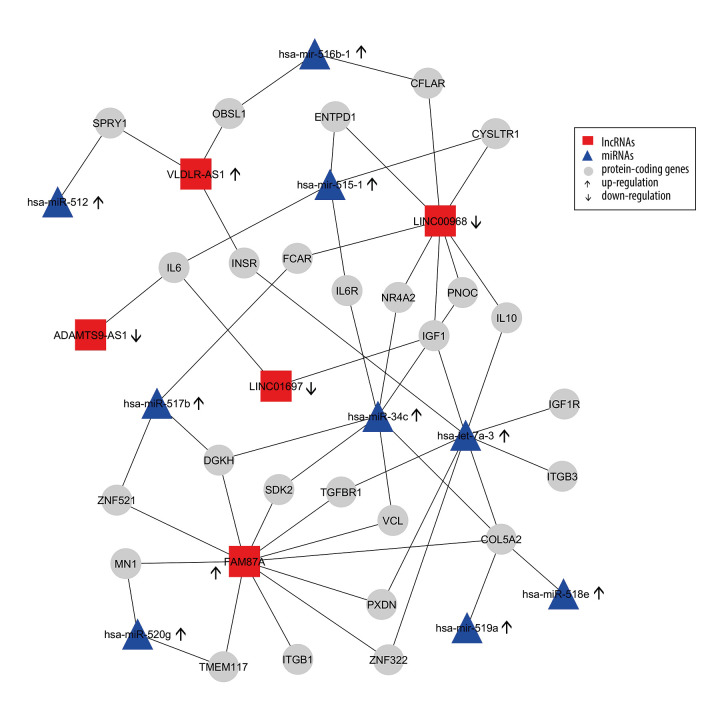
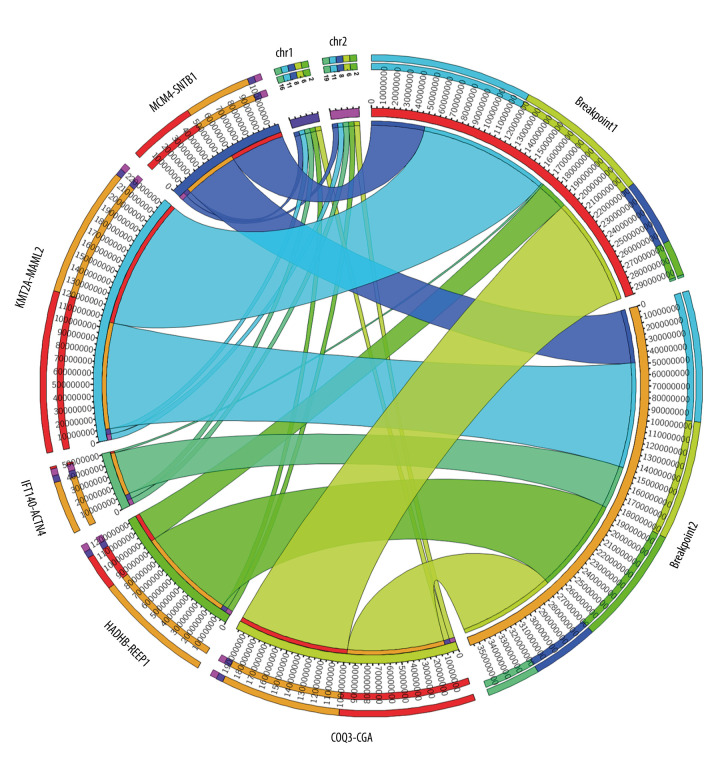
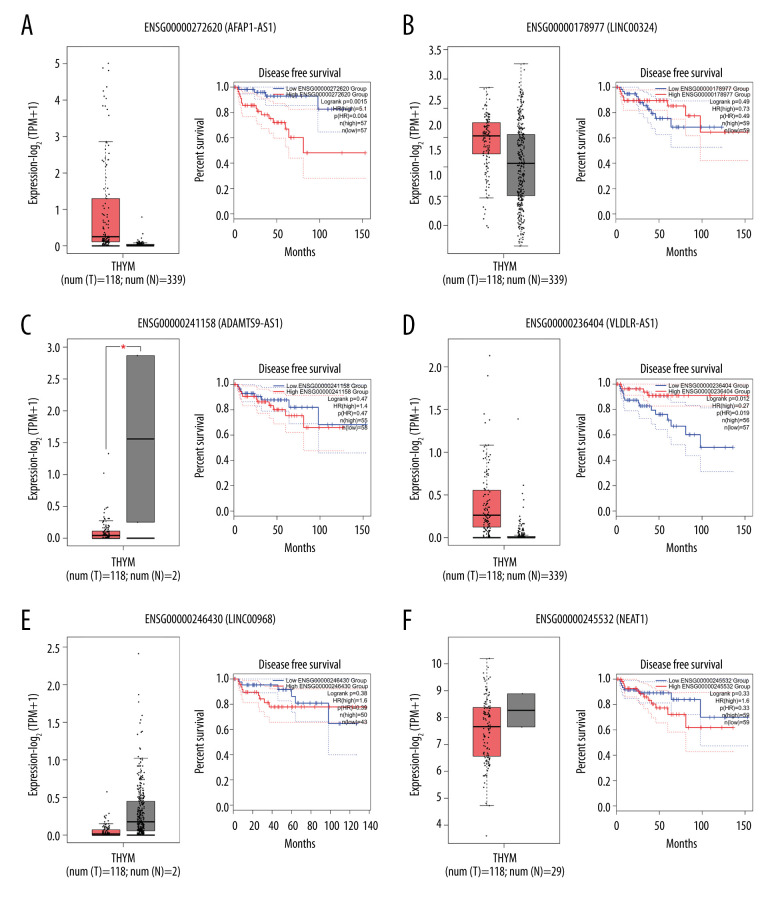
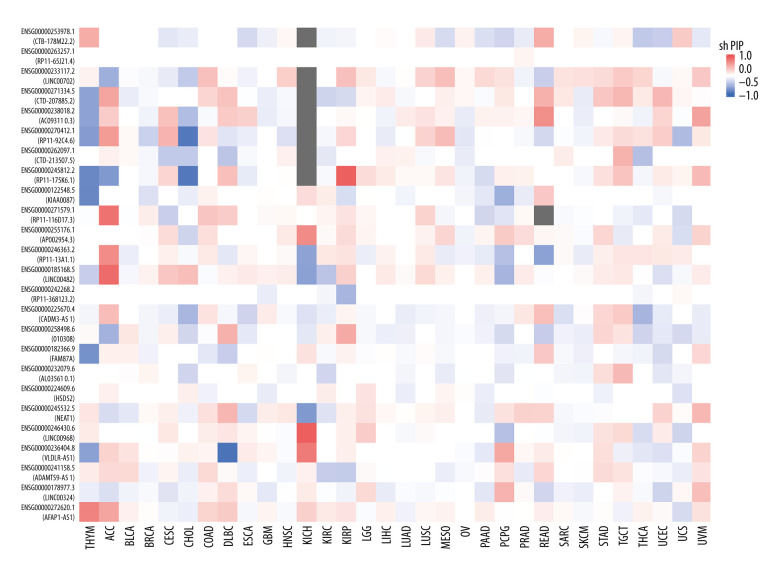
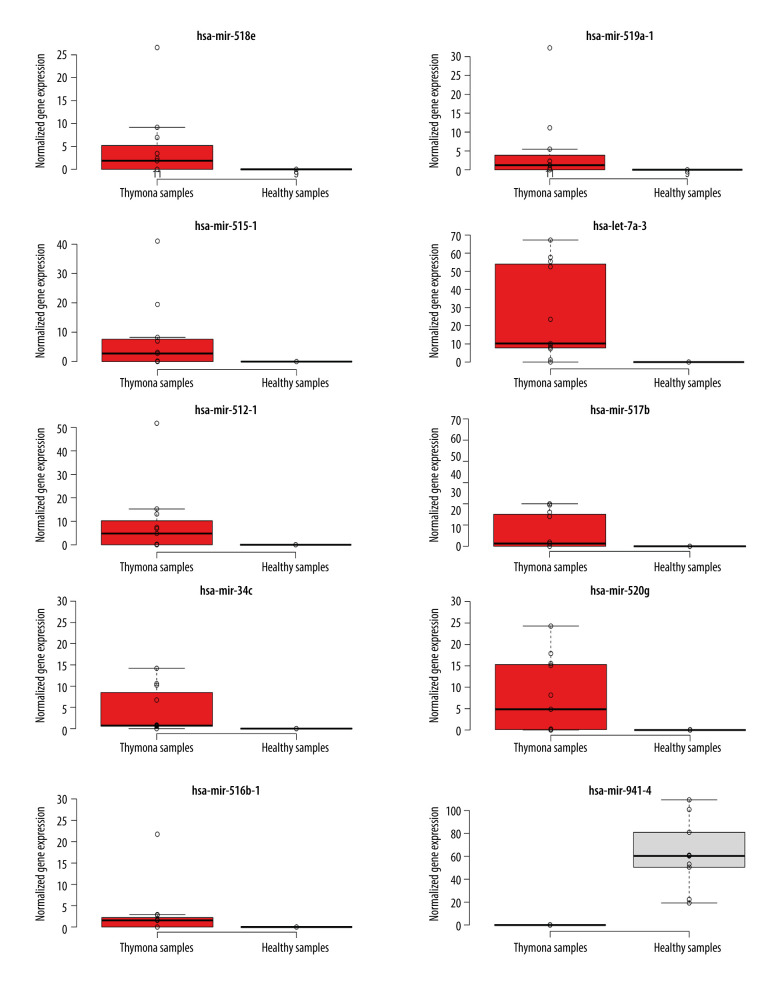
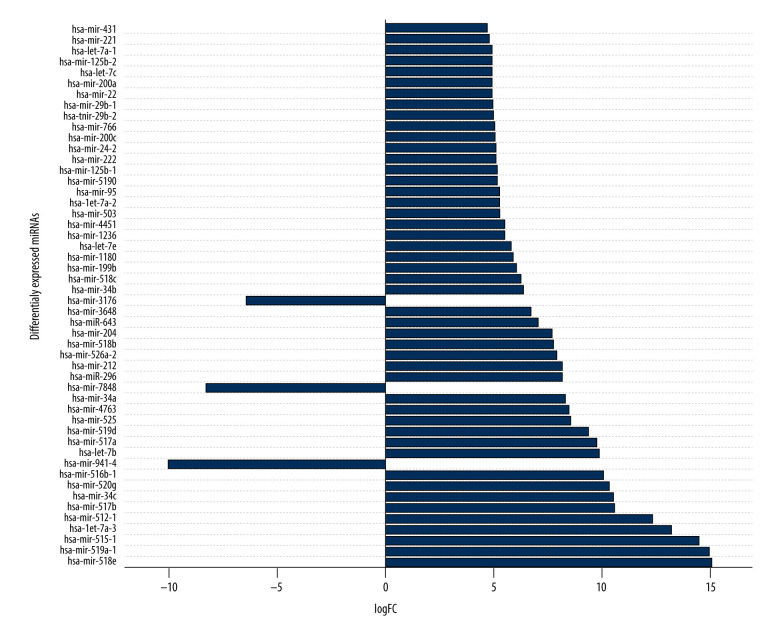
我们发现了 21 个融合基因,包括 KMT2A-MAML2、HADHB-REEP1、COQ3-CGA、MCM4-SNTB1 和 IFT140-ACTN4,它们在胸腺瘤中最为常见和显著。我们还在胸腺瘤中检测到 65 个差异表达的 lncRNA,包括 AFAP1-AS1、LINC00324、ADAMTS9-AS1、VLDLR-AS1、LINC00968 和 NEAT1,这些 lncRNA 已经在 TCGA 数据库中得到了验证。此外,我们从小 RNA-seq 数据中鉴定出 1695 个 miRNA,这些 miRNA 在胸腺瘤中表达上调。我们对 lncRNA-mRNA-miRNA 调控轴的网络分析确定了一个在胸腺瘤中上调的 miRNA 簇,该 miRNA 簇可以触发靶蛋白编码基因的表达,并导致几个生物学途径的破坏,包括 PI3K-Akt 信号通路、FoxO 信号通路和 HIF-1 信号通路。
我们的结果表明,该 miRNA 簇的过度表达激活了 PI3K-Akt、FoxO、HIF-1 和 Rap-1 信号通路,提示通路抑制剂可能是治疗胸腺瘤的候选药物。