Limbocker Ryan, Staats Roxine, Chia Sean, Ruggeri Francesco S, Mannini Benedetta, Xu Catherine K, Perni Michele, Cascella Roberta, Bigi Alessandra, Sasser Liam R, Block Natalie R, Wright Aidan K, Kreiser Ryan P, Custy Edward T, Meisl Georg, Errico Silvia, Habchi Johnny, Flagmeier Patrick, Kartanas Tadas, Hollows Jared E, Nguyen Lam T, LeForte Kathleen, Barbut Denise, Kumita Janet R, Cecchi Cristina, Zasloff Michael, Knowles Tuomas P J, Dobson Christopher M, Chiti Fabrizio, Vendruscolo Michele
Centre for Misfolding Diseases, Yusuf Hamied Department of Chemistry, University of Cambridge, Cambridge, United Kingdom.
Department of Chemistry & Life Science, United States Military Academy, West Point, NY, United States.
Front Neurosci. 2021 Jun 18;15:680026. doi: 10.3389/fnins.2021.680026. eCollection 2021.
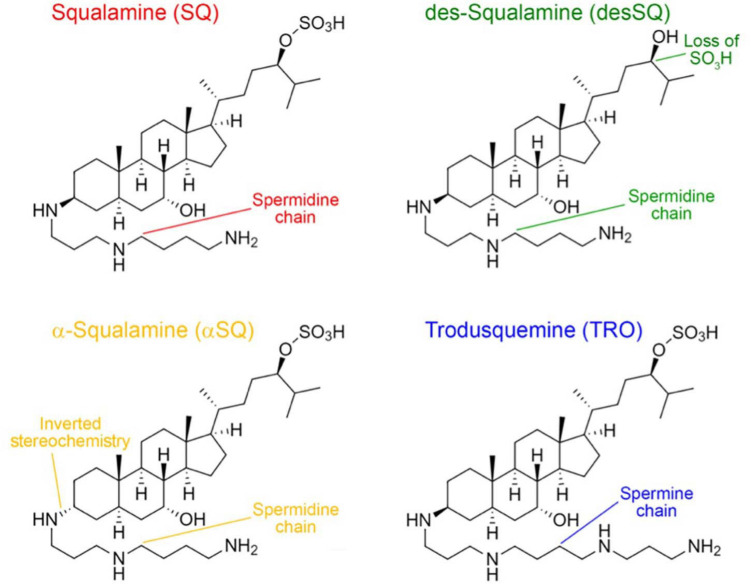
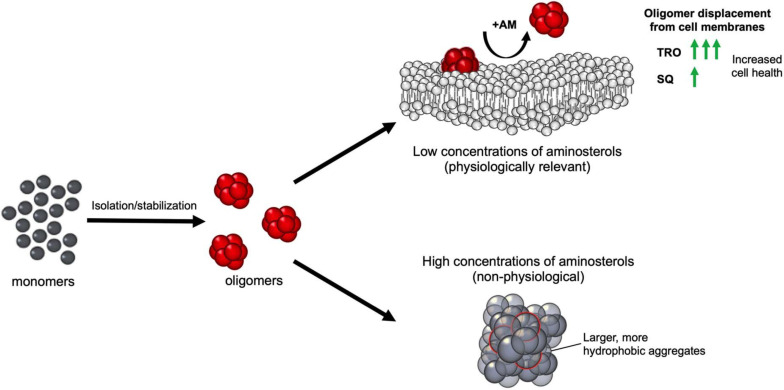
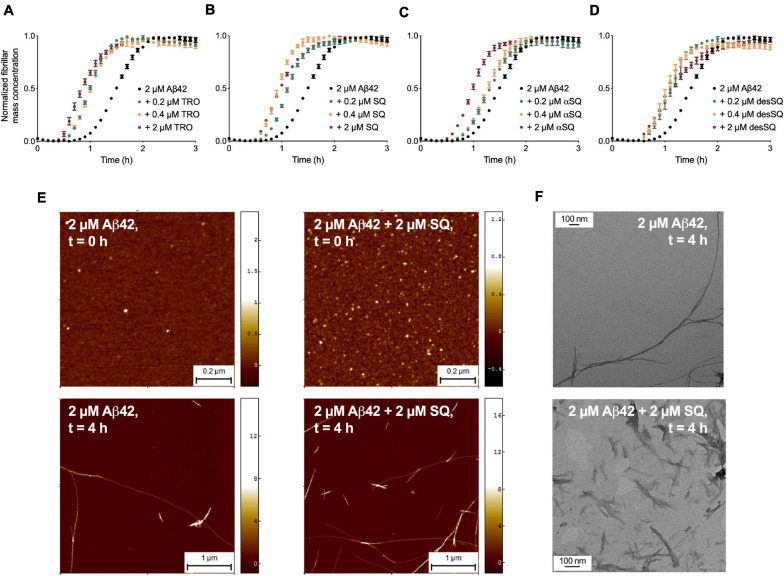
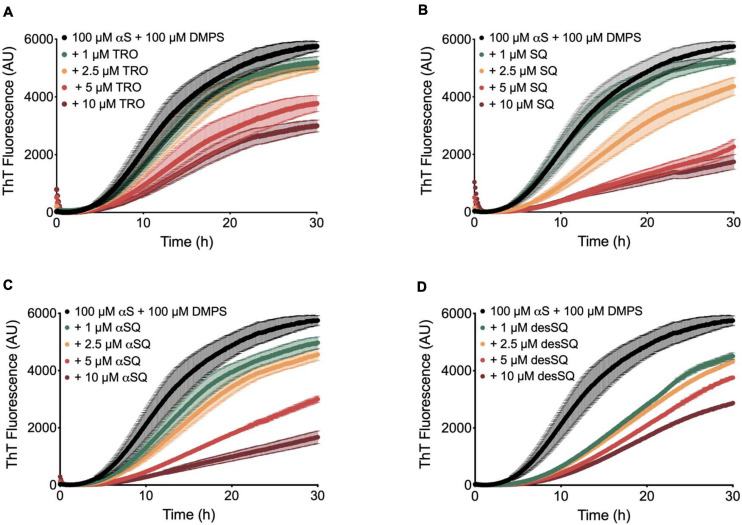
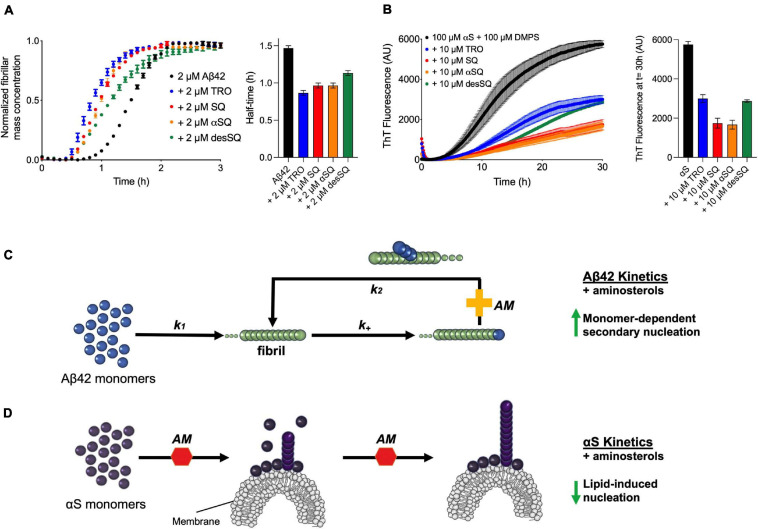
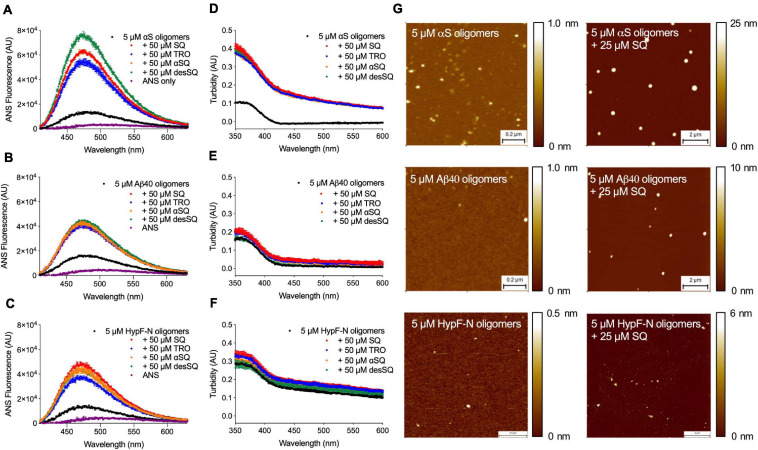
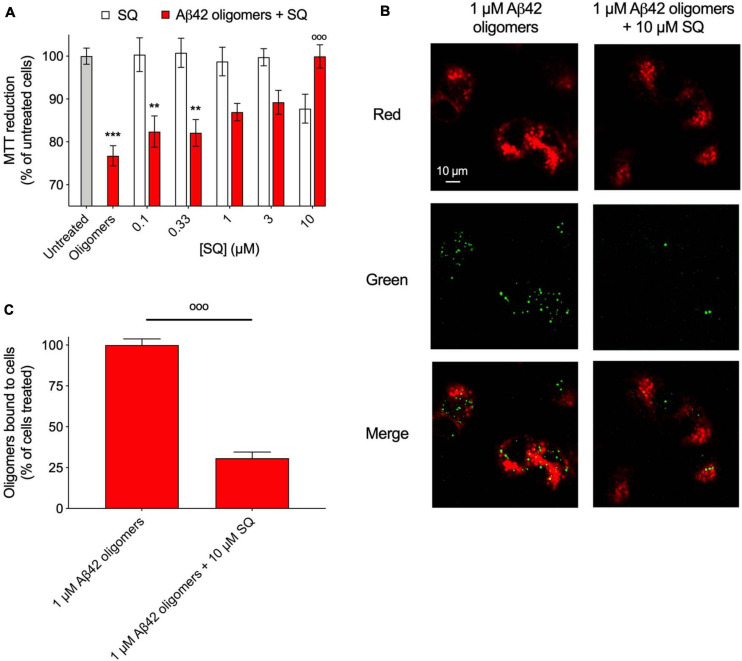
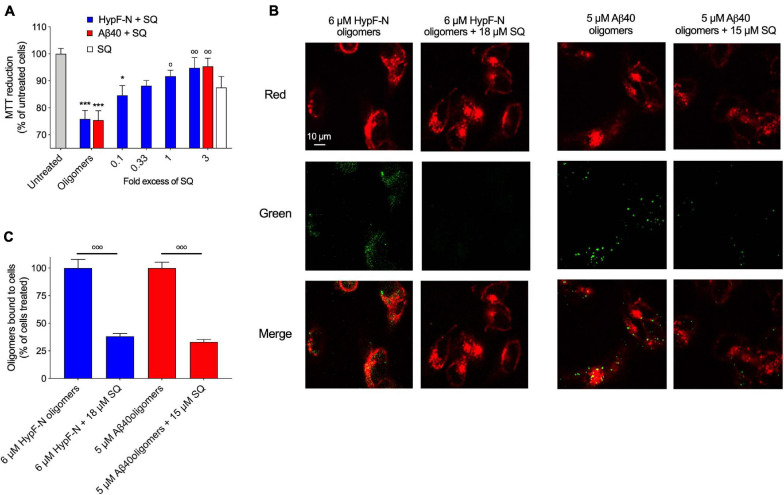
The aberrant aggregation of proteins is a key molecular event in the development and progression of a wide range of neurodegenerative disorders. We have shown previously that squalamine and trodusquemine, two natural products in the aminosterol class, can modulate the aggregation of the amyloid-β peptide (Aβ) and of α-synuclein (αS), which are associated with Alzheimer's and Parkinson's diseases. In this work, we expand our previous analyses to two squalamine derivatives, des-squalamine and α-squalamine, obtaining further insights into the mechanism by which aminosterols modulate Aβ and αS aggregation. We then characterize the ability of these small molecules to alter the physicochemical properties of stabilized oligomeric species and to suppress the toxicity of these aggregates to varying degrees toward human neuroblastoma cells. We found that, despite the fact that these aminosterols exert opposing effects on Aβ and αS aggregation under the conditions that we tested, the modifications that they induced to the toxicity of oligomers were similar. Our results indicate that the suppression of toxicity is mediated by the displacement of toxic oligomeric species from cellular membranes by the aminosterols. This study, thus, provides evidence that aminosterols could be rationally optimized in drug discovery programs to target oligomer toxicity in Alzheimer's and Parkinson's diseases.
蛋白质的异常聚集是多种神经退行性疾病发生和发展过程中的关键分子事件。我们之前已经表明,鲨胺和曲古抑菌素,这两种甾体胺类天然产物,可以调节与阿尔茨海默病和帕金森病相关的淀粉样β肽(Aβ)和α-突触核蛋白(αS)的聚集。在这项工作中,我们将之前的分析扩展到两种鲨胺衍生物,去鲨胺和α-鲨胺,从而进一步深入了解甾体胺调节Aβ和αS聚集的机制。然后,我们表征了这些小分子改变稳定化寡聚体物种的物理化学性质以及不同程度抑制这些聚集体对人神经母细胞瘤细胞毒性的能力。我们发现,尽管在我们测试的条件下这些甾体胺对Aβ和αS聚集产生相反的影响,但它们对寡聚体毒性诱导的修饰却是相似的。我们的结果表明,毒性的抑制是由甾体胺将有毒寡聚体物种从细胞膜上置换介导的。因此,这项研究提供了证据,表明在药物发现计划中可以合理优化甾体胺,以针对阿尔茨海默病和帕金森病中的寡聚体毒性。