Department of Pathophysiology, Institute for Translational Medicine, University of Pécs, Medical School, Pécs, Hungary.
Department of Pharmaceutical Chemistry, Semmelweis University, Budapest, Hungary.
J Enzyme Inhib Med Chem. 2021 Dec;36(1):1357-1369. doi: 10.1080/14756366.2021.1916010.
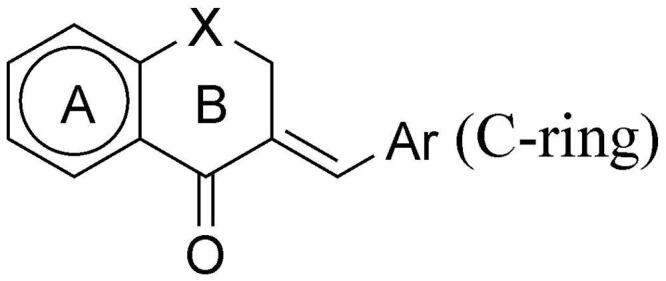
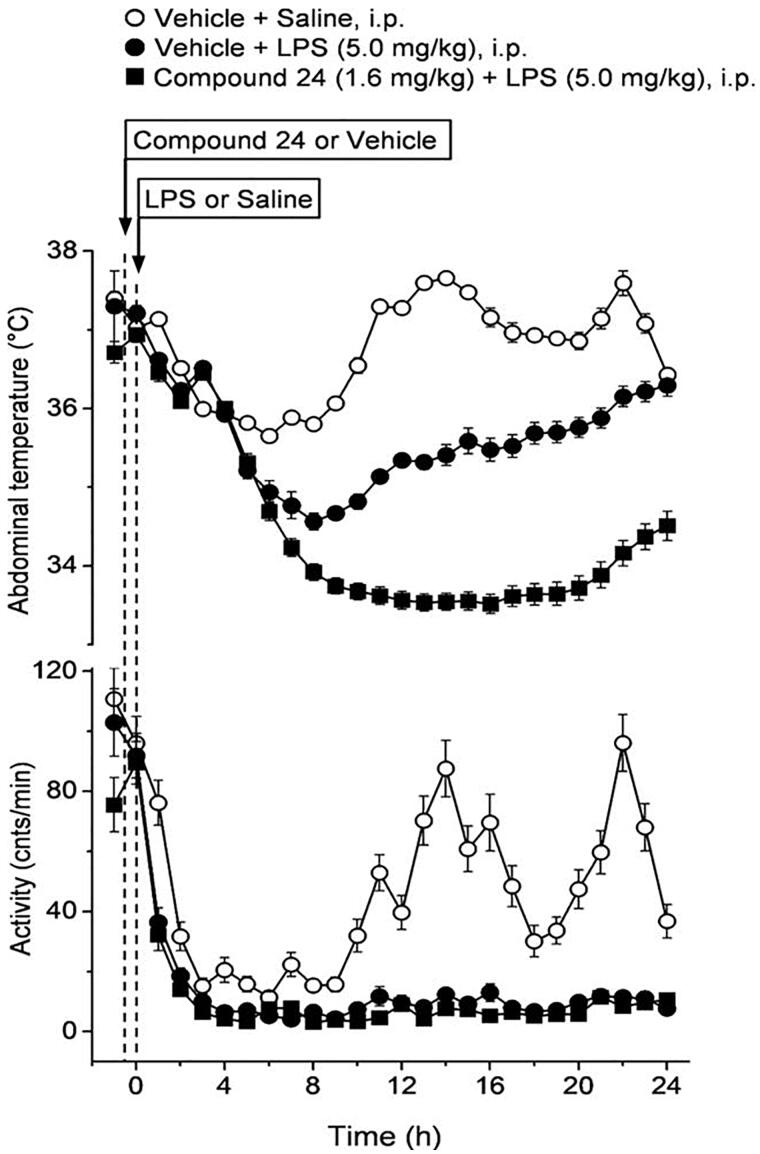
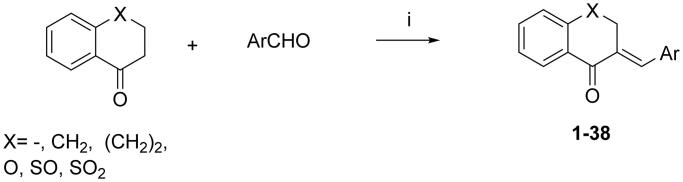
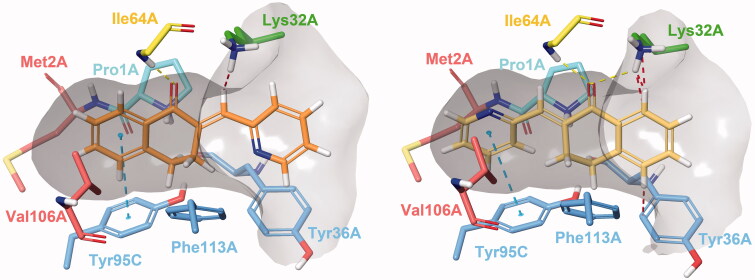
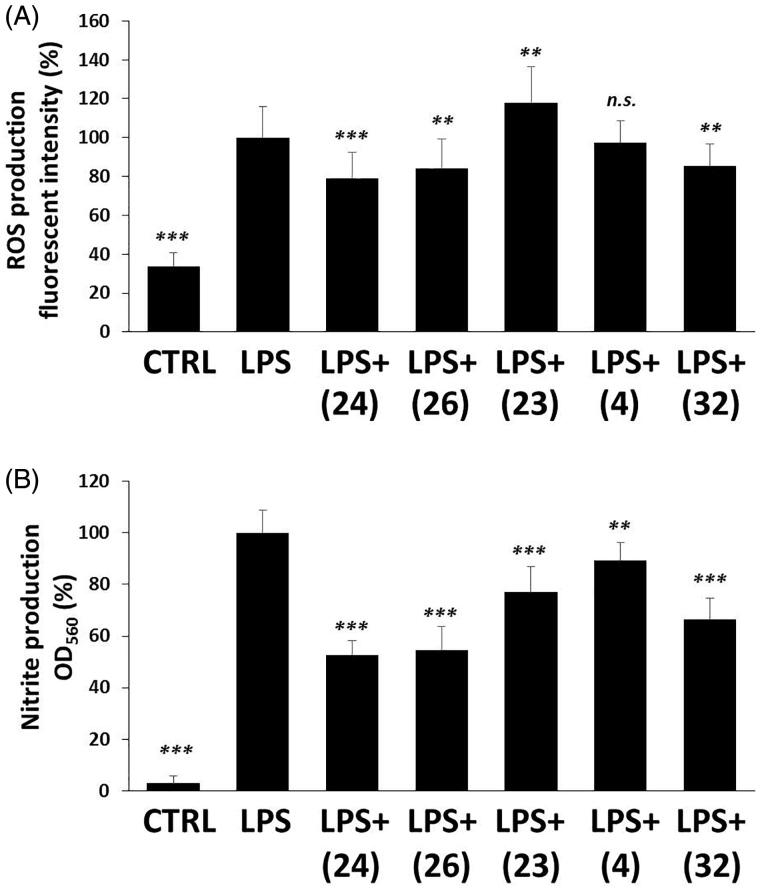
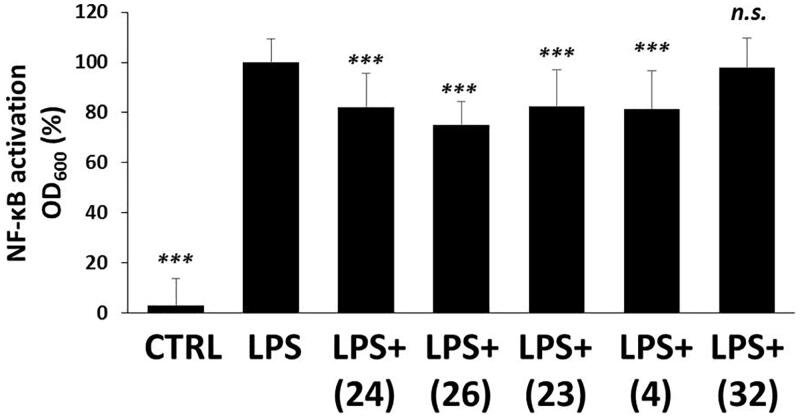
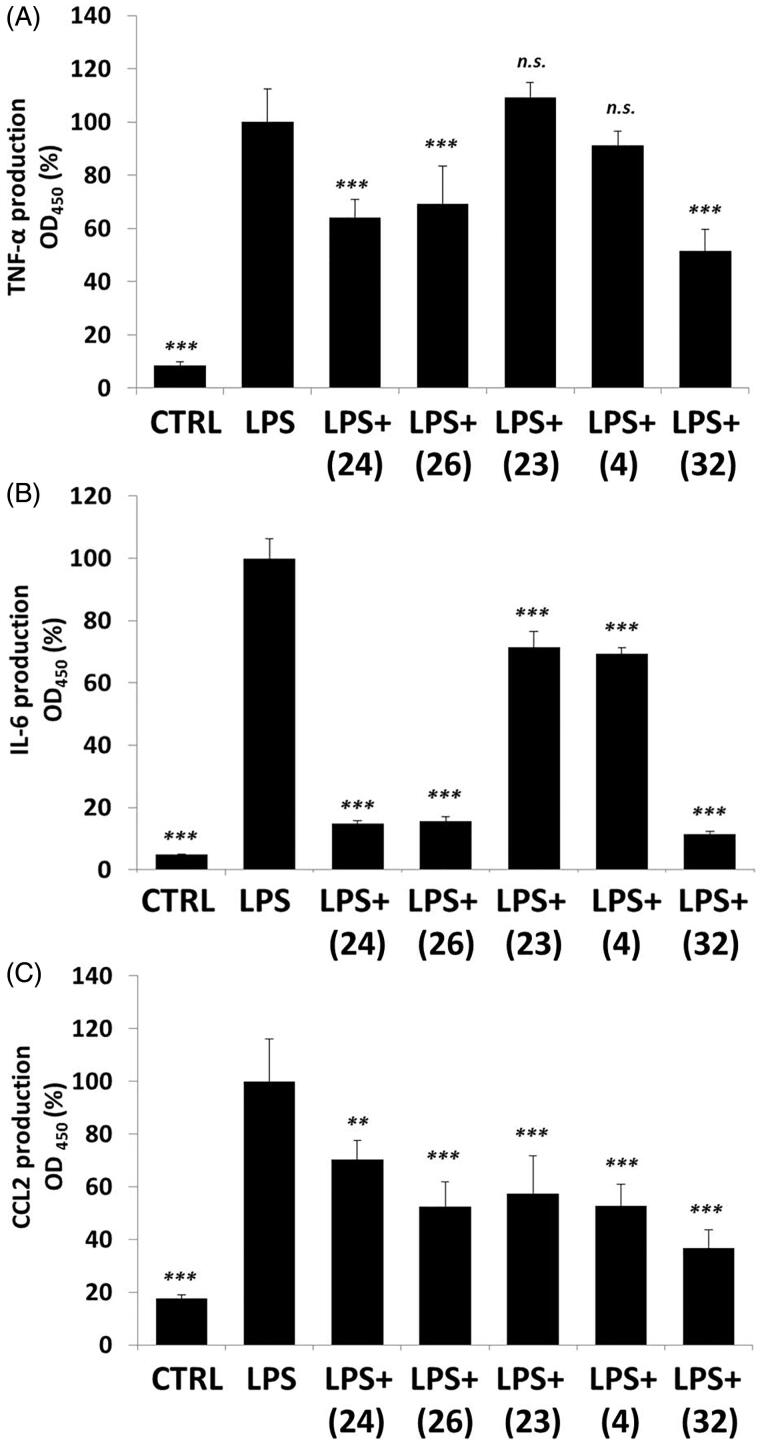
Macrophage migration inhibitory factor (MIF) is a pro-inflammatory cytokine playing crucial role in immunity. MIF exerts a unique tautomerase enzymatic activity that has relevance concerning its multiple functions and its small molecule inhibitors have been proven to block its pro-inflammatory effects. Here we demonstrate that some of the -2-arylmethylene-1-tetralones and their heteroanalogues efficiently bind to MIF's active site and inhibit MIF tautomeric (enolase, ketolase activity) functions. A small set of the synthesised derivatives, namely compounds (), (), (), () and (), reduced inflammatory macrophage activation. Two of the selected compounds () and (), however, markedly inhibited ROS and nitrite production, NF-κB activation, TNF-α, IL-6 and CCL-2 cytokine expression. Pre-treatment of mice with compound () exaggerated the hypothermic response to high dose of bacterial endotoxin. Our experiments suggest that tetralones and their derivatives inhibit MIF's tautomeric functions and regulate macrophage activation and thermal changes in severe forms of systemic inflammation.
巨噬细胞移动抑制因子(MIF)是一种促炎细胞因子,在免疫中发挥着关键作用。MIF 具有独特的互变异构酶活性,这与其多种功能相关,其小分子抑制剂已被证明能阻断其促炎作用。在这里,我们证明了一些 -2-芳亚甲基-1-四氢萘酮及其杂类似物能够有效地结合到 MIF 的活性位点,并抑制 MIF 的互变异构(烯醇酶、酮醇酶活性)功能。一小部分合成的衍生物,即化合物 ()、()、()、()和 (),可减少炎症性巨噬细胞的激活。然而,所选的两种化合物 () 和 () 显著抑制了 ROS 和亚硝酸盐的产生、NF-κB 激活、TNF-α、IL-6 和 CCL-2 细胞因子的表达。用化合物 () 预处理小鼠会增强对高剂量细菌内毒素的体温过低反应。我们的实验表明,四氢萘酮及其衍生物抑制 MIF 的互变异构功能,并调节巨噬细胞的激活和严重全身炎症形式下的热变化。