Department of Gynaecology and Obstetrics, Dongtai Hospital of Traditional Chinese Medicine, Dongtai, Yancheng City, Jiangsu Province, 224200, China.
Bioengineered. 2021 Dec;12(1):2779-2790. doi: 10.1080/21655979.2021.1930335.
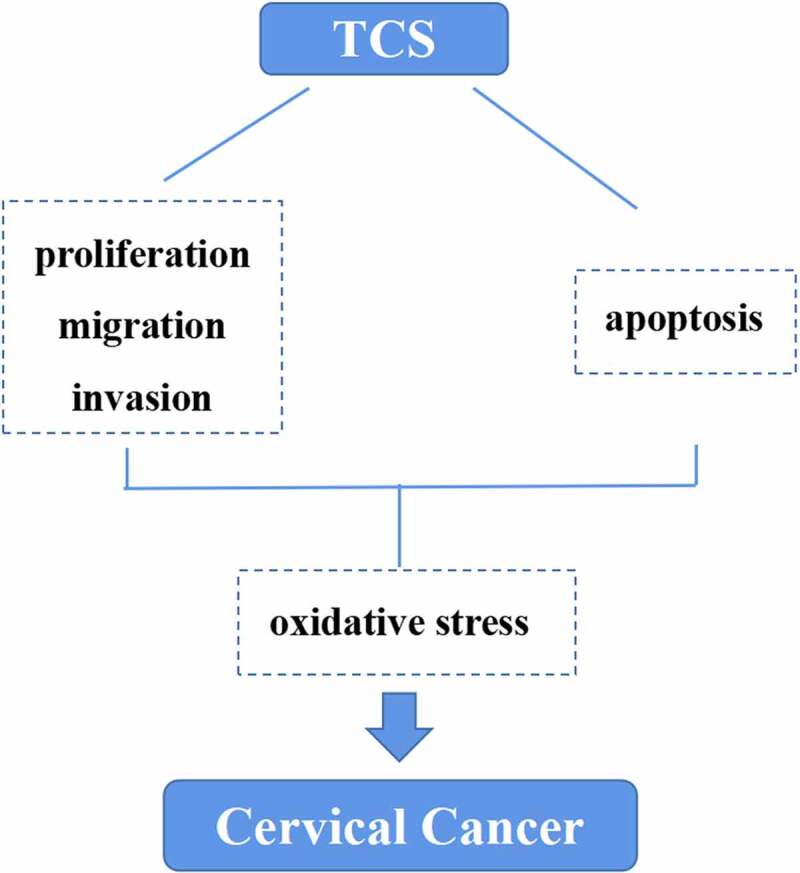
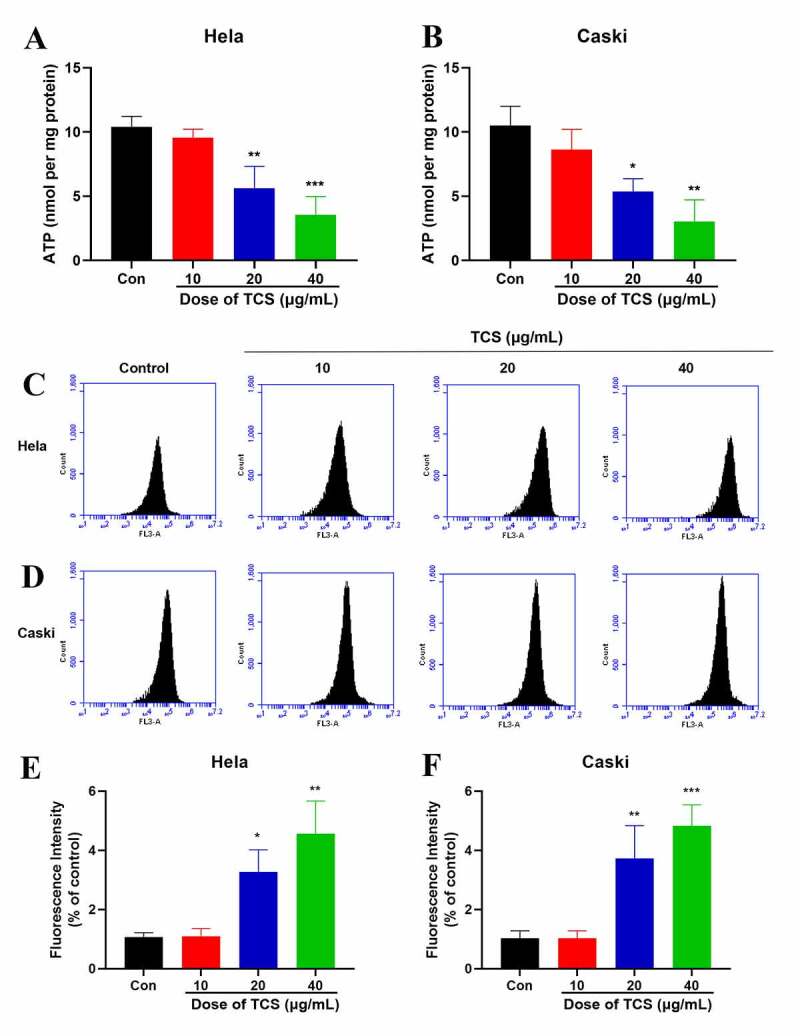
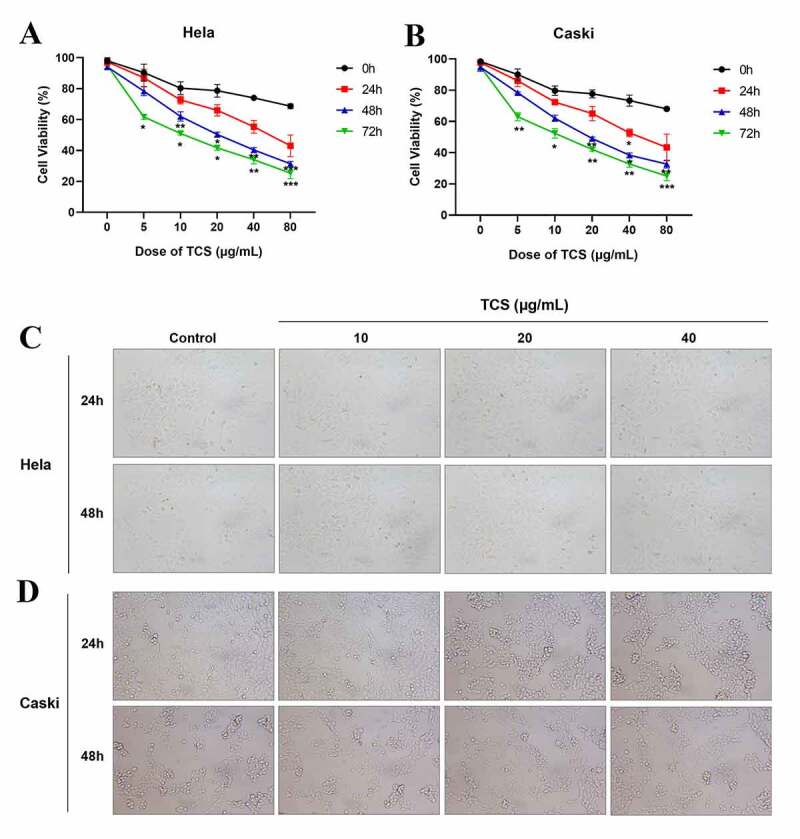
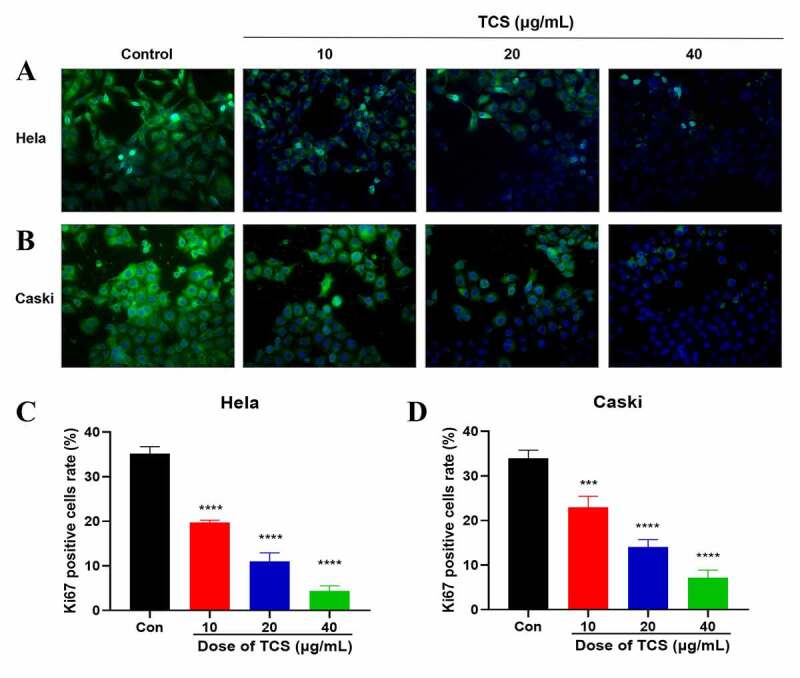
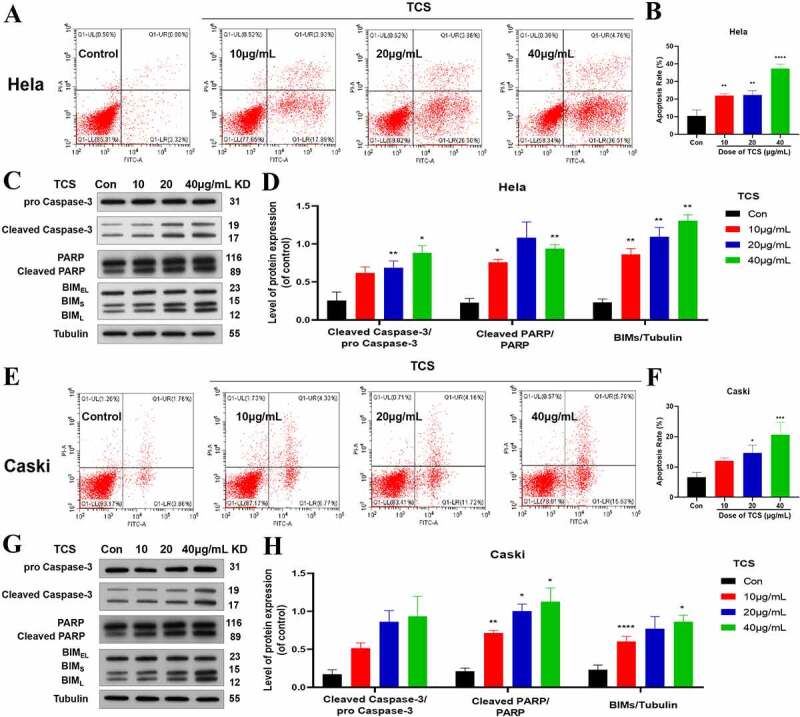
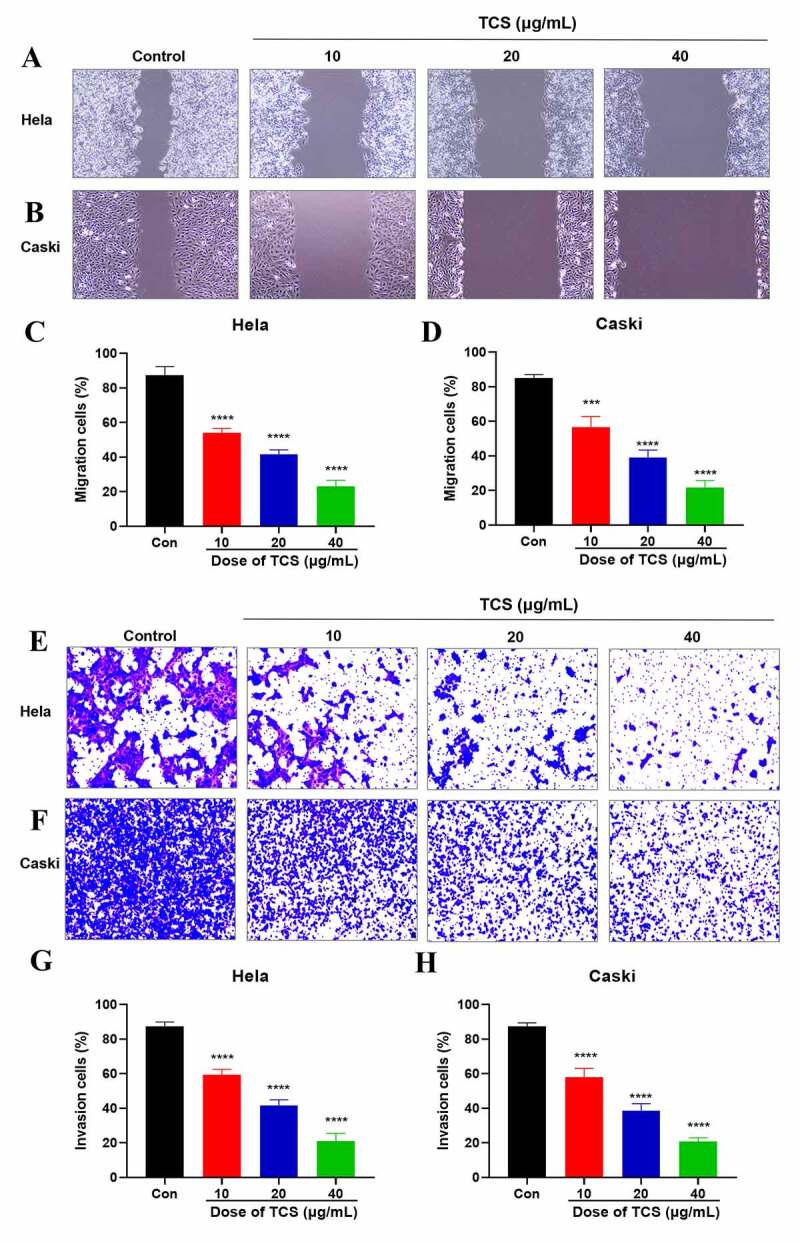
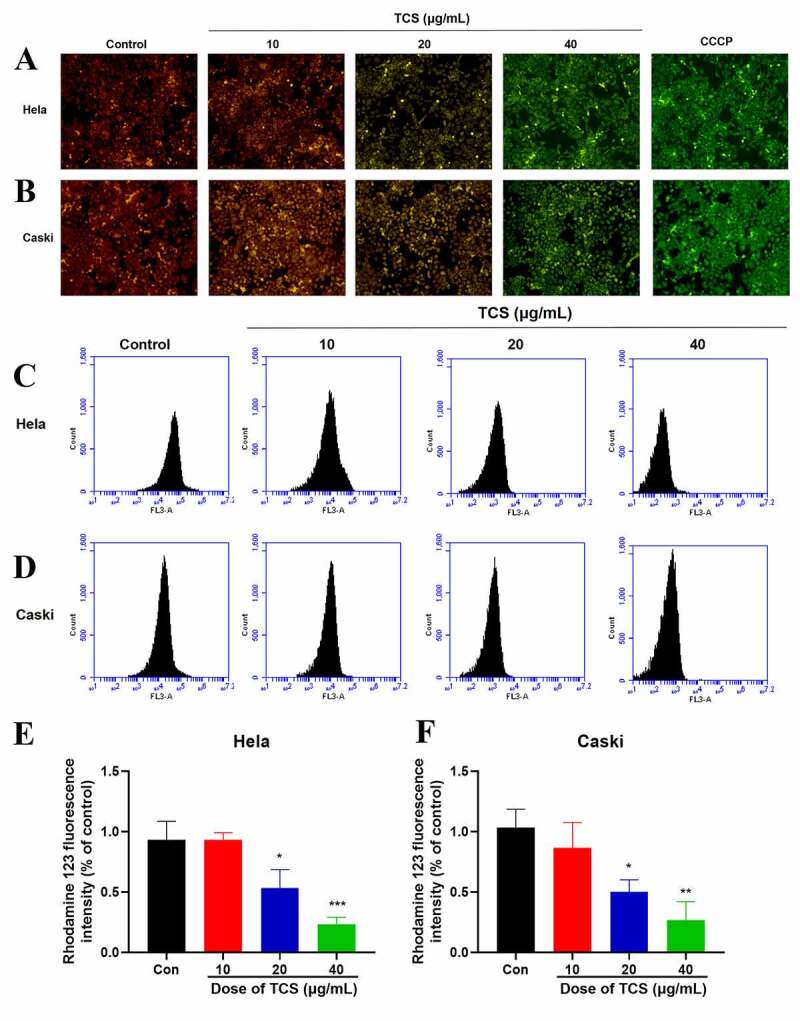
Based on many studies, trichosanthin (TCS) has an antiviral effect that regulates immune response, and targets cancer cells to exert broad-spectrum anti-tumor pharmacological activities. It is speculated that TCS may be a potential natural active drug for preventing as well as treating cervical cancer. But the clearer impact along with underlying TCS mechanism on cervical cancer are still unclear. The purpose of this study is to investigate the function and potential mechanism of TCS in cervical cancer. We measured the viability of cervical cancer cell lines (HeLa & caski cells) using CCK-8 analysis, detected cell proliferation efficiency through Ki-67 staining, analyzed cell apoptosis rate via flow cytometry as well as annexin V-FITC/PI double staining, performed apoptosis-related protein expression through western blotting, evaluated cell migration along with invasion by wound as well as transwell assays, carried out MMP via JC-1 and Rh123 fluorescent probes, as well as detected intracellular ATP and ROS levels by flow cytometry, respectively, to evaluate the effects of TCS. We found that TCS inhibited viability along with proliferation, induced apoptosis, as well as inhibited HeLa & caski cell migration along with invasion in a time- and dose-dependent manner. Additionally, TCS also reduced MMP, and the production of adenosine triphosphate, as well as induced the increase of intracellular reactive oxygen species in cancer cell lines. In accordance with the present studies, TCS inhibits HeLa & caski cell proliferation along with migration but promotes their apoptosis, which may be mediated by regulating oxidative stress.
基于多项研究,天花粉蛋白(TCS)具有抗病毒作用,可调节免疫反应,并靶向癌细胞,发挥广谱抗肿瘤药理活性。推测 TCS 可能是预防和治疗宫颈癌的一种有潜力的天然活性药物。但 TCS 对宫颈癌更明确的影响及潜在机制尚不清楚。本研究旨在探讨 TCS 在宫颈癌中的作用及潜在机制。我们通过 CCK-8 分析测定宫颈癌细胞系(HeLa 和 caski 细胞)的活力,通过 Ki-67 染色检测细胞增殖效率,通过流式细胞术及 Annexin V-FITC/PI 双染分析细胞凋亡率,通过 Western blot 分析检测凋亡相关蛋白表达,通过划痕实验和 Transwell 实验评估细胞迁移和侵袭,通过 JC-1 和 Rh123 荧光探针评估 MMP,通过流式细胞术检测细胞内 ATP 和 ROS 水平,分别评价 TCS 的作用。结果发现,TCS 呈时间和剂量依赖性地抑制 HeLa 和 caski 细胞活力和增殖,诱导细胞凋亡,抑制细胞迁移和侵袭。此外,TCS 还降低了 MMP 和三磷酸腺苷的产生,并诱导了癌细胞系中细胞内活性氧的增加。综上所述,TCS 抑制 HeLa 和 caski 细胞增殖和迁移,但促进其凋亡,这可能是通过调节氧化应激介导的。