Department of Pediatric Surgery, Xinhua Hospital, School of Medicine, Shanghai Jiaotong University, Shanghai, 200092, China.
Division of Pediatric Oncology, Shanghai Institute of Pediatric Research, Shanghai, 200092, China.
BMC Cancer. 2021 Jul 7;21(1):784. doi: 10.1186/s12885-021-08344-z.
Minichromosome maintenance complex component 6 (MCM6), as an important replication permission factor, is involved in the pathogenesis of various tumors. Here we studied the expression of MCM6 in neuroblastoma and its influence on tumor characteristics and prognosis.
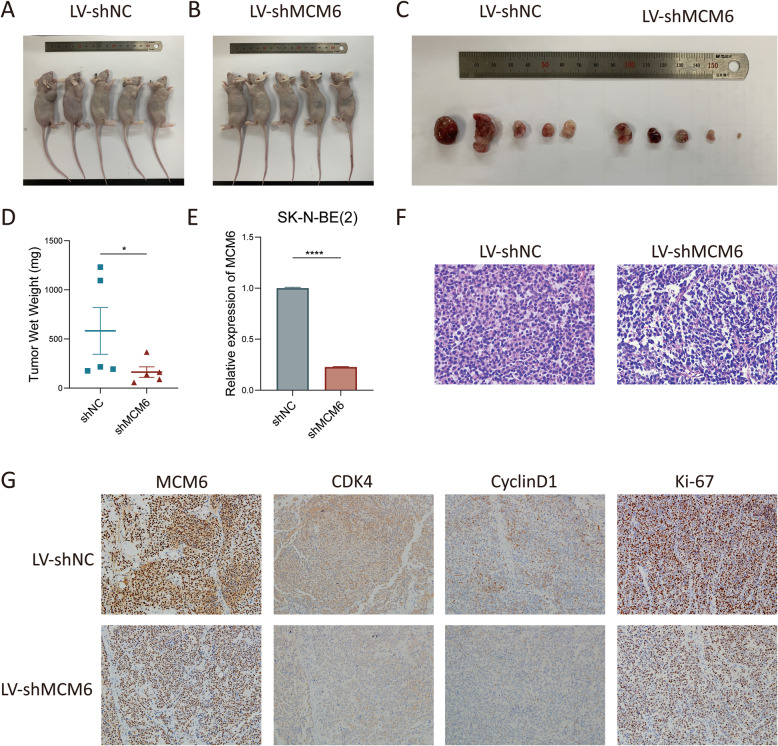
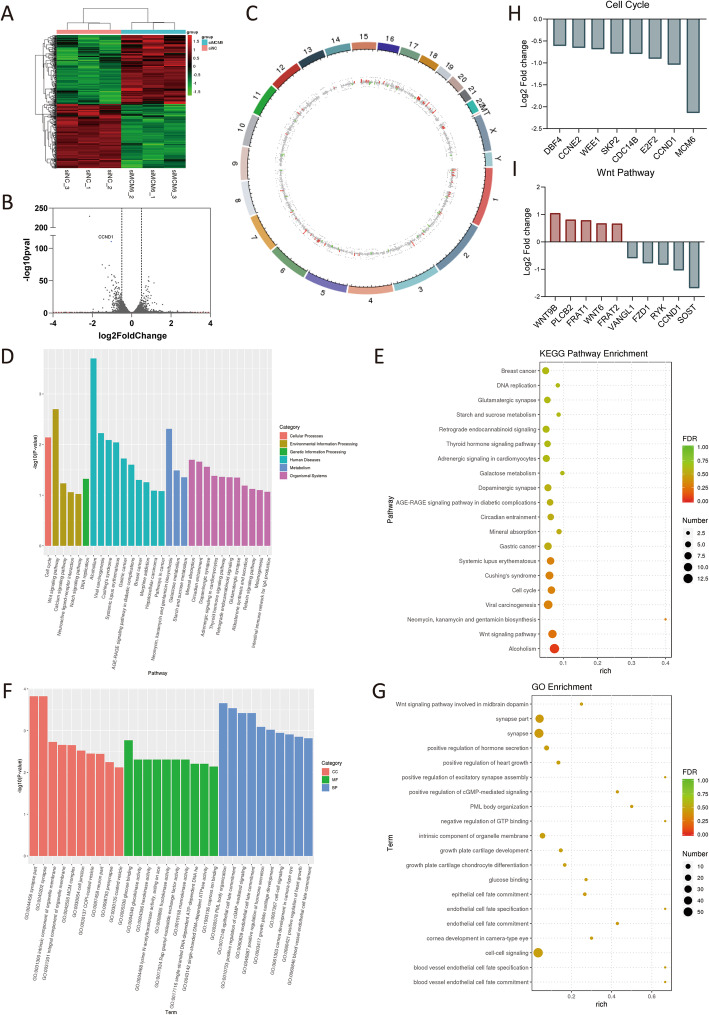
Publicly available datasets were used to explore the influence of the differential expression of MCM6 on neuroblastoma tumor stage, risk and prognosis. In cell experiments, human neuroblastoma cell lines SK-N-SH and SK-N-BE [ (2)] were utilized to verify the ability of MCM6 to promote cell proliferation, migration and invasion. We further explored the possible molecular mechanism of MCM6 affecting the phenotype of neuroblastoma cells by mutual verification of RNA-seq and western blotting, and flow cytometry to inquire about its potential specific roles in the cell cycle.
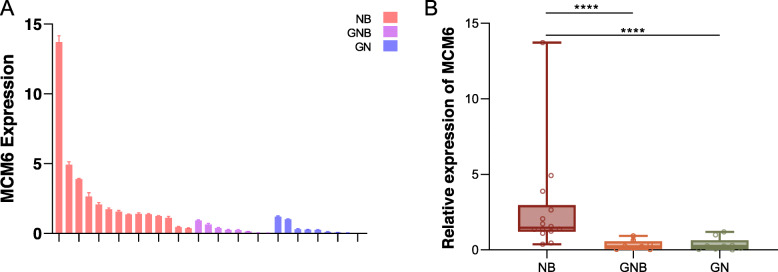
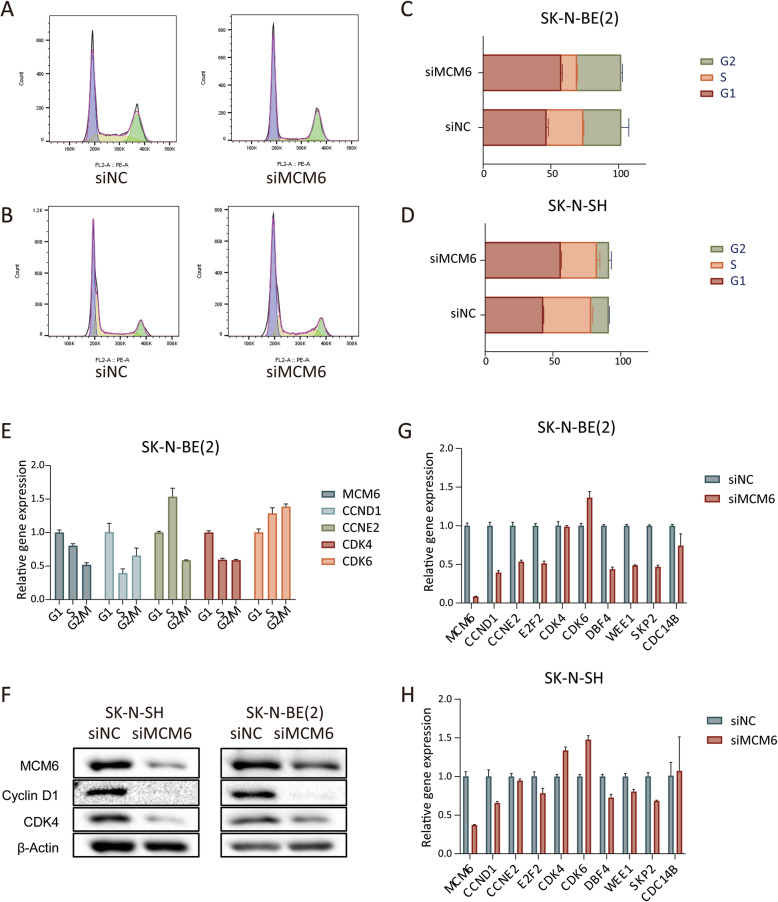
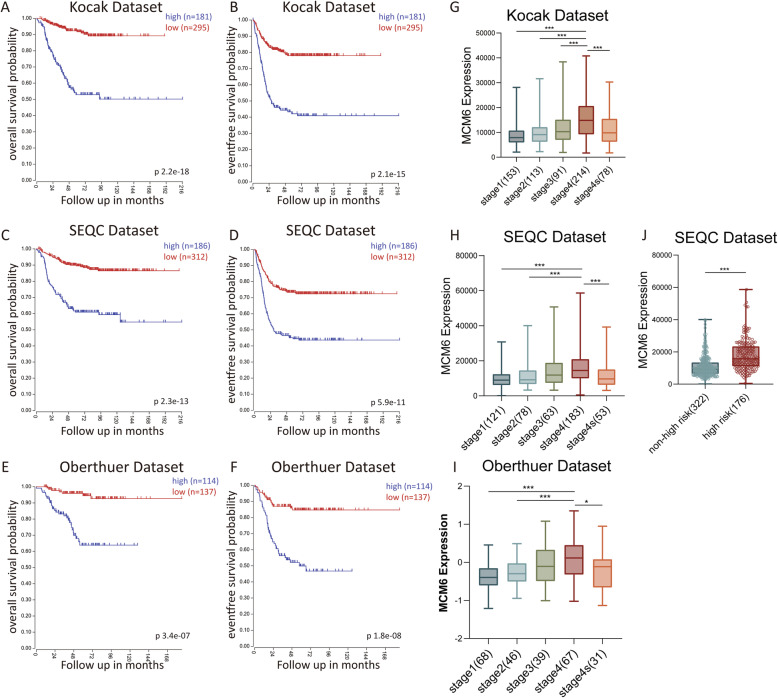
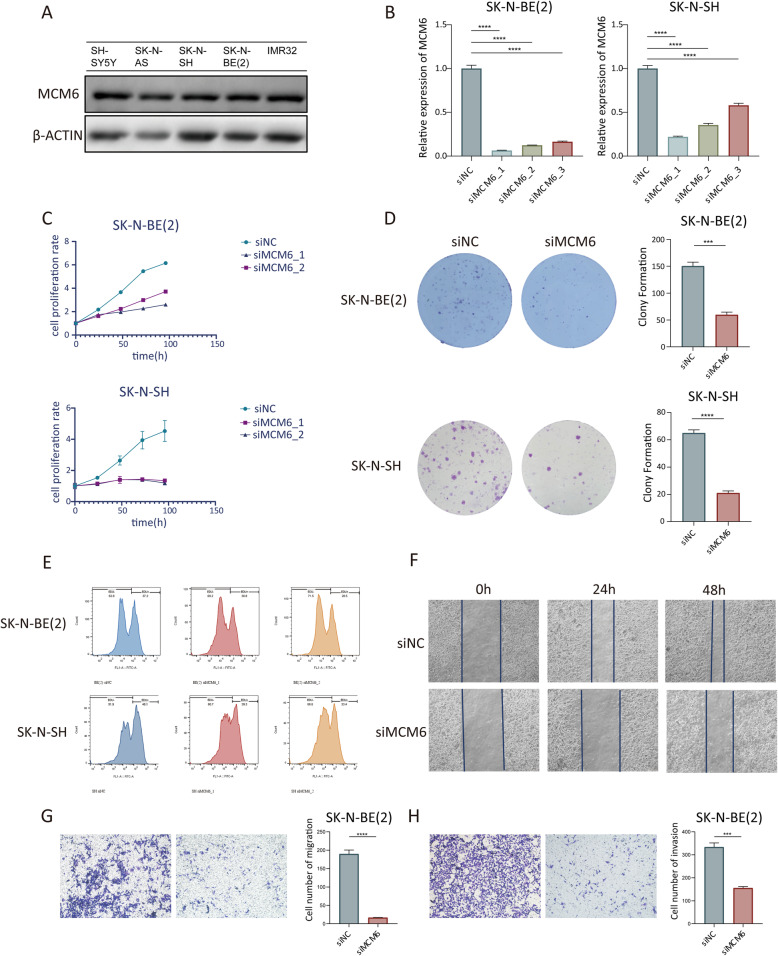
Through multiple datasets mining, we found that high expression of MCM6 was positively correlated with elevated tumor stage, high risk and poor prognosis in neuroblastoma. At the cellular level, neuroblastoma cell proliferation, migration and invasion were significantly inhibited after MCM6 was interfered by siRNA. Mutual verification of RNA-seq and western blotting suggested that the downstream cell cycle-related genes were differentially expressed after MCM6 interference. Flow cytometric analysis revealed that neuroblastoma cells were blocked in G1/S phase after MCM6 interference.
MCM6 is considered to be the driving force of G1/S cell cycle progression, and it is also a prognostic marker and a potential novel therapeutic target in neuroblastoma.
微小染色体维持复合物成分 6(MCM6)作为重要的复制许可因子,参与多种肿瘤的发病机制。本研究探讨了 MCM6 在神经母细胞瘤中的表达及其对肿瘤特征和预后的影响。
利用公共数据集探讨 MCM6 的差异表达对神经母细胞瘤肿瘤分期、风险和预后的影响。在细胞实验中,利用人神经母细胞瘤细胞系 SK-N-SH 和 SK-N-BE[2]验证 MCM6 促进细胞增殖、迁移和侵袭的能力。通过 RNA-seq 和 Western blot 的相互验证以及流式细胞术探究 MCM6 影响神经母细胞瘤细胞表型的可能分子机制,进一步探讨其在细胞周期中潜在的特定作用。
通过多个数据集挖掘,我们发现 MCM6 高表达与神经母细胞瘤肿瘤分期升高、风险增加和预后不良呈正相关。在细胞水平上,siRNA 干扰 MCM6 后,神经母细胞瘤细胞的增殖、迁移和侵袭明显受到抑制。RNA-seq 和 Western blot 的相互验证表明,MCM6 干扰后下游细胞周期相关基因表达差异。流式细胞术分析显示,MCM6 干扰后神经母细胞瘤细胞被阻滞在 G1/S 期。
MCM6 被认为是 G1/S 细胞周期进展的驱动力,也是神经母细胞瘤的预后标志物和潜在的新型治疗靶点。