Department of Medical and Molecular Genetics, King's College London, Guy's Hospital, London, SE1 9RT, United Kingdom.
Division of Hematology, Department of Medicine, Brigham and Women's Hospital, Harvard Medical School, Boston, Massachusetts 02115, USA.
Genome Res. 2021 Aug;31(8):1381-1394. doi: 10.1101/gr.270066.120. Epub 2021 Jul 9.
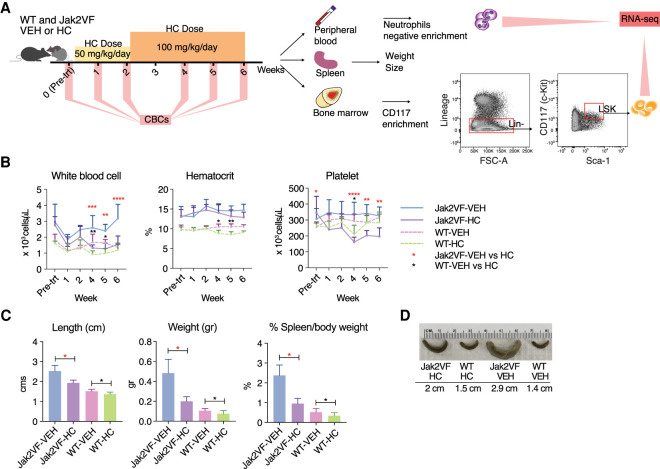
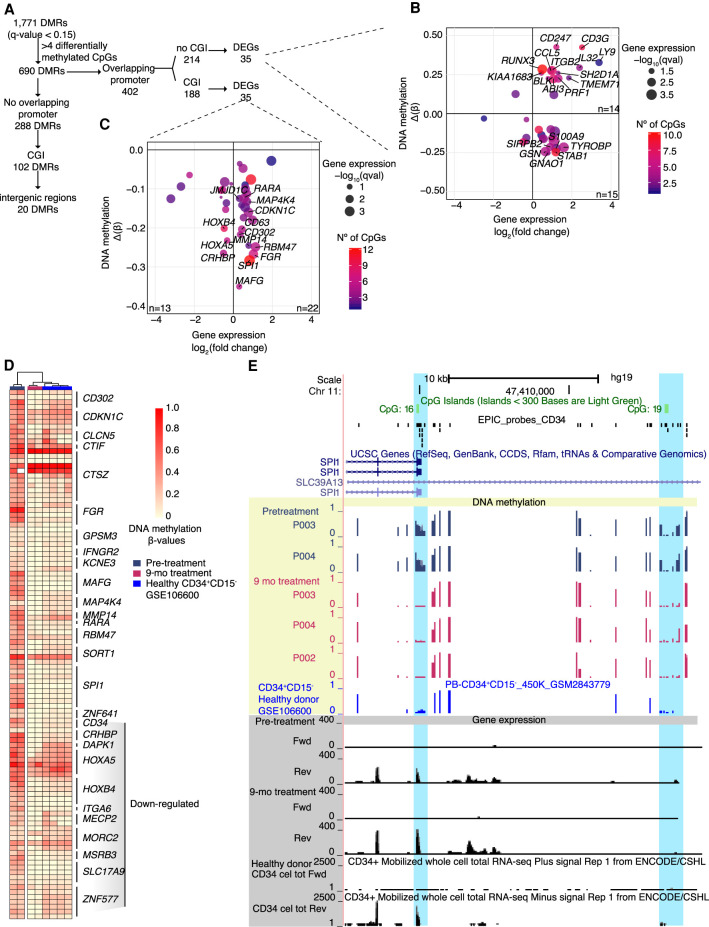
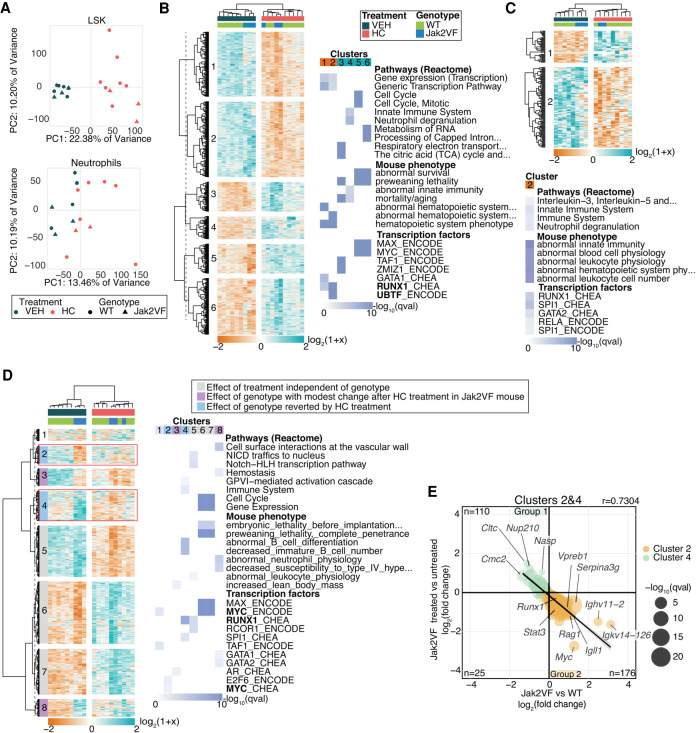
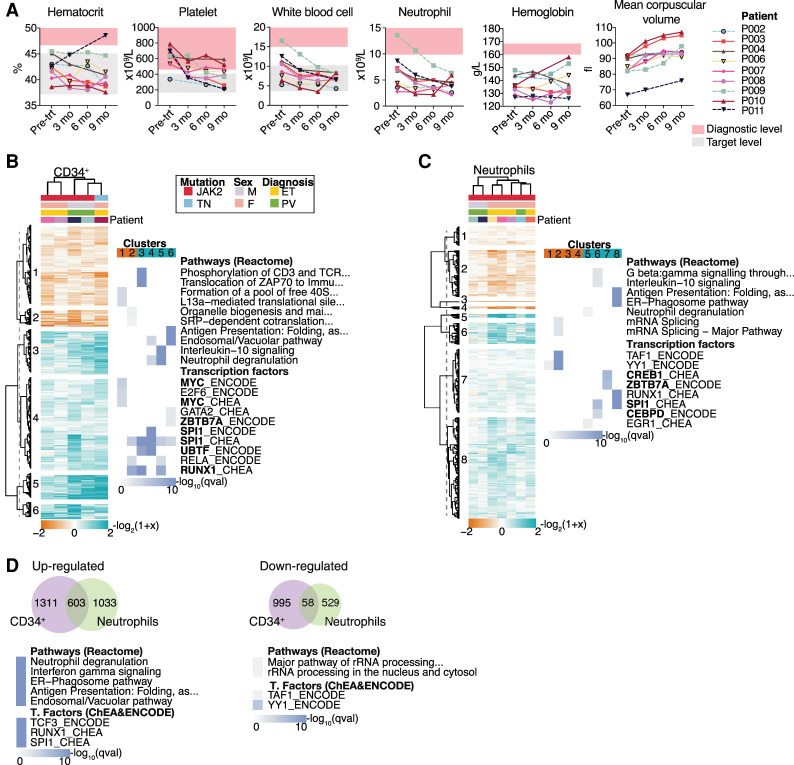
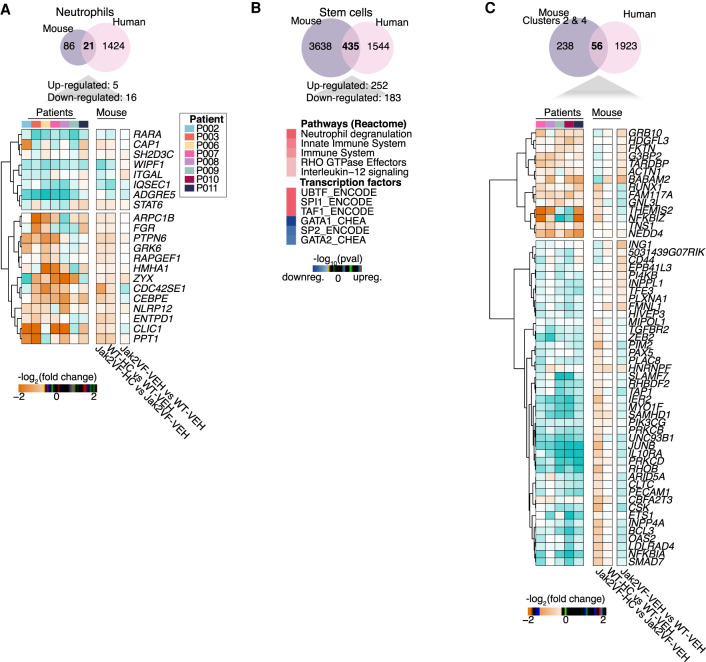
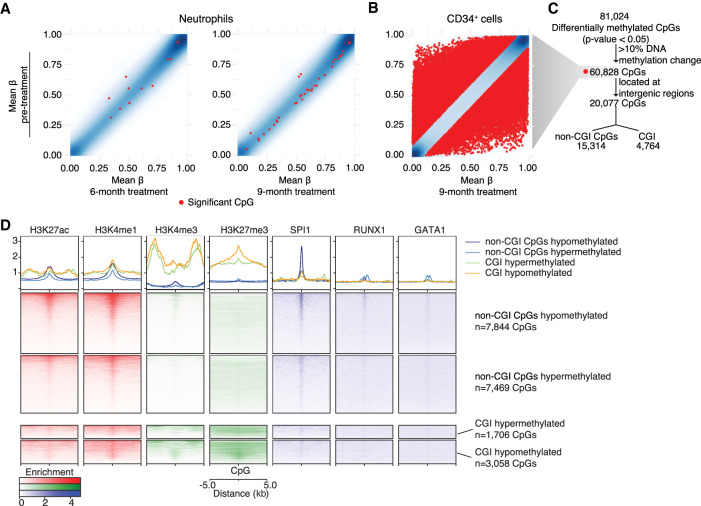
Hydroxycarbamide (HC, hydroxyurea) is a cytoreductive drug inducing cell cycle blockade. However, emerging evidence suggests that HC plays a role in the modulation of transcription through the activity of transcription factors and DNA methylation. Examining the global mechanism of action of HC in the context of myeloproliferative neoplasms (MPNs), for which HC is the first-line treatment, will provide a better understanding of its molecular effects. To explore the effects of HC genome-wide, transcriptomic analyses were performed on two clinically relevant cell types at different stages of differentiation treated with HC in a murine MPN model. This study was replicated in MPN patients by profiling genome-wide gene expression and DNA methylation using patient blood samples collected longitudinally, before and following HC exposure. The effects of HC on the transcriptome were not only associated with cell cycle interruption but also with hematopoietic functions. Moreover, a group of genes were restored to normal expression levels in murine hematopoietic stem cells (HSCs) following drug treatment, including the master regulator of hematopoiesis, In humans, HC significantly modifies DNA methylation levels in HSCs at several distal regulatory regions, which we show to be associated with SPI1 binding sites and at the locus itself. We have identified novel targets of HC that include pivotal transcription factors involved in hematopoiesis, and for the first time we report abnormal methylation patterns in MPN patients at the master regulator gene and its distal binding sites, which HC is able to restore to normal levels.
羟基脲(HC,羟脲)是一种细胞减灭药物,可诱导细胞周期阻滞。然而,新出现的证据表明,HC 通过转录因子和 DNA 甲基化的活性在转录调控中发挥作用。在骨髓增生性肿瘤(MPN)的背景下研究 HC 的全球作用机制,因为 HC 是 MPN 的一线治疗药物,将更好地了解其分子作用。为了探索 HC 的全基因组作用,在一个鼠 MPN 模型中,对两种在不同分化阶段用 HC 处理的临床相关细胞类型进行了转录组分析。通过对 MPN 患者进行纵向采集的血液样本进行全基因组基因表达和 DNA 甲基化分析,在患者中复制了这项研究。HC 对转录组的影响不仅与细胞周期中断有关,还与造血功能有关。此外,一组基因在药物治疗后在鼠造血干细胞(HSCs)中恢复到正常表达水平,包括造血的主调节因子 。在人类中,HC 显著改变了 HSCs 中几个远端调控区域的 DNA 甲基化水平,我们证明这些改变与 SPI1 结合位点和 基因本身有关。我们已经确定了 HC 的新靶标,包括参与造血的关键转录因子,并且我们首次报告了 MPN 患者在主调节基因 及其远端结合位点的异常甲基化模式,而 HC 能够将其恢复到正常水平。