Acibadem Health Group, Pathology Department, Istanbul, Turkey.
Pathol Oncol Res. 2021 Apr 30;27:609472. doi: 10.3389/pore.2021.609472. eCollection 2021.
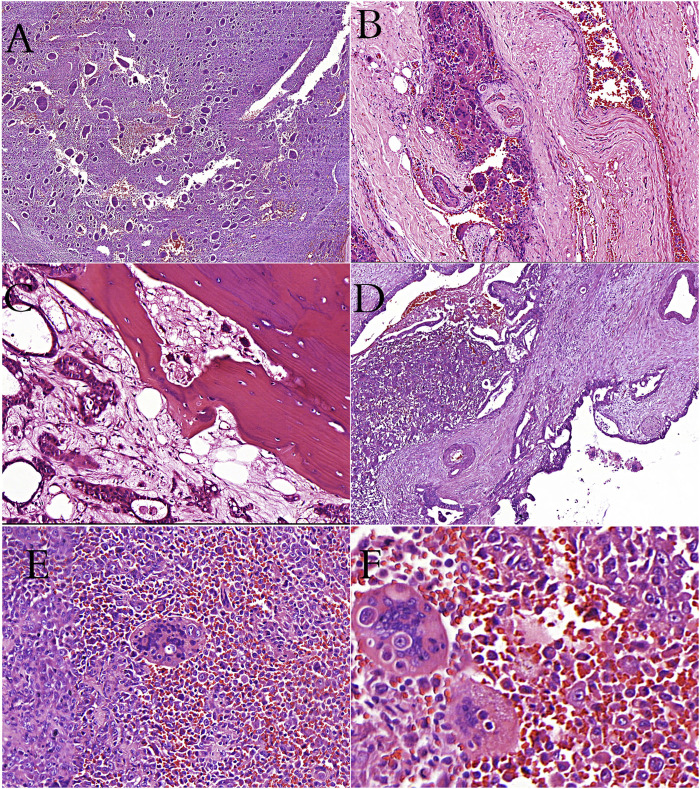
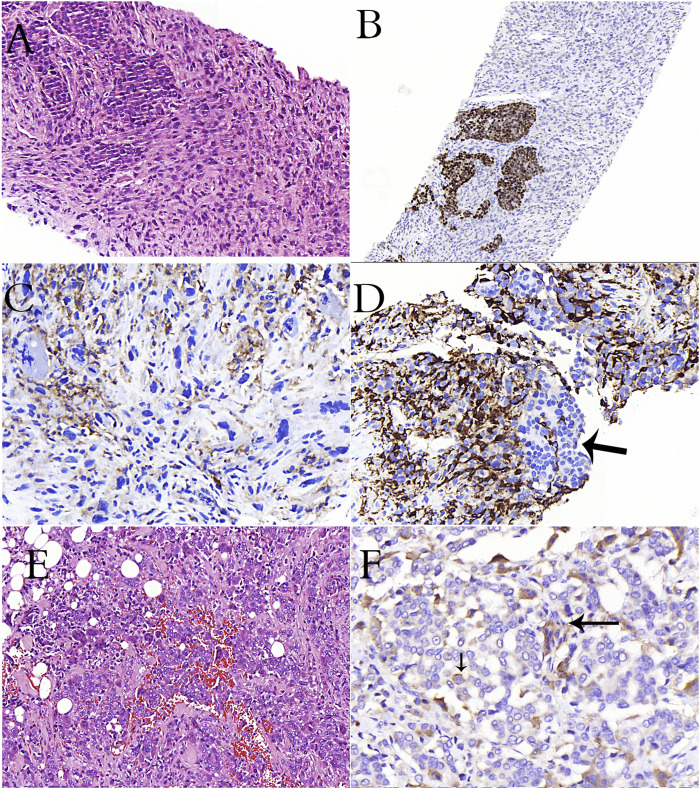
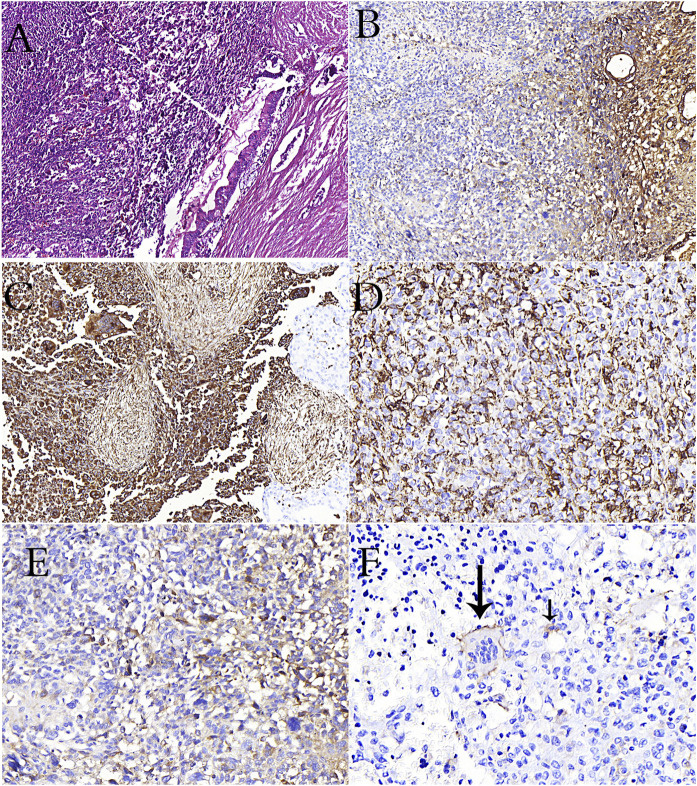
Osteoclast is a specialized cell that originates from monocytic lineage, communicates closely with osteoblasts under physiological conditions, participates in bone modeling and re-modeling, contributes to calcium homeostasis and osteoimmunity. In pathological conditions, it is involved in many tumors such as giant cell bone tumor (osteoclastoma), aneurysmal bone cyst, osteosarcoma, and metastatic cancers, and it usually causes local spread and progression of the tumor, working against the host. Since osteoclasts play an active role in primary bone tumors and bone metastases, the use of anti-osteoclastic agents significantly reduces the mortality and morbidity rates of patients by preventing the progression and local spread of tumors. Osteoclasts also accompany undifferentiated carcinomas of many organs, especially pancreas, thyroid, bladder and ovary. Undifferentiated carcinomas rich in osteoclasts have osteoclastoma-like histology. In these organs, osteoclastoma-like histology may accompany epithelial carcinomas, and , benign and borderline tumors. Mature and immature myeloid cells, including osteoclasts, play an active role in the tumor progression in primary and metastatic tumor microenvironment, in epithelial-mesenchymal transition (EMT), mesenchymal-epithelial-transition (MET), and cancer stem cell formation. Additionally, they are the most suitable candidates for cancer cells in cell fusion due to their evolutionary fusion capabilities. Myeloid features and markers (CD163, CD33, CD68 etc.) can be seen in metastatic cancer cells. Consequently, they provide metastatic cancer cells with motility, margination, transmigration, chemotaxis, phagocytosis, angiogenesis, matrix degradation, and resistance to chemotherapy. For these reasons, we think that the concept of Epithelial-Mesencyhmal-Myeloid-Transition (EMMT) will be more accurate than EMT for cancer cells with myeloid properties.
破骨细胞是一种来源于单核细胞谱系的特化细胞,在生理条件下与成骨细胞密切沟通,参与骨建模和重塑,有助于钙稳态和骨免疫。在病理条件下,它参与许多肿瘤,如巨细胞瘤(破骨细胞瘤)、动脉瘤样骨囊肿、骨肉瘤和转移性癌症,通常导致肿瘤的局部扩散和进展,对宿主不利。由于破骨细胞在原发性骨肿瘤和骨转移中发挥积极作用,使用抗破骨细胞药物通过阻止肿瘤的进展和局部扩散,显著降低了患者的死亡率和发病率。破骨细胞还伴随着许多器官的未分化癌,特别是胰腺、甲状腺、膀胱和卵巢。富含破骨细胞的未分化癌具有破骨细胞瘤样组织学。在这些器官中,破骨细胞瘤样组织学可能伴随着上皮癌,以及良性和交界性肿瘤。成熟和未成熟的髓样细胞,包括破骨细胞,在原发性和转移性肿瘤微环境中的肿瘤进展中、上皮-间充质转化(EMT)、间充质-上皮转化(MET)和癌症干细胞形成中发挥积极作用。此外,由于其进化融合能力,它们是细胞融合中癌细胞最适合的候选者。转移癌细胞中可以看到髓样特征和标志物(CD163、CD33、CD68 等)。因此,它们为转移癌细胞提供了迁移、边缘聚集、穿越、趋化性、吞噬作用、血管生成、基质降解和化疗耐药性。基于这些原因,我们认为对于具有髓样特性的癌细胞,上皮-间充质-髓样转化(EMMT)的概念将比 EMT 更准确。