Pu Jian, Xu Zuoming, Nian Jiahui, Fang Quan, Yang Meng, Huang Youguan, Li Wenchuan, Ge Bin, Wang Jianchu, Wei Huamei
Department of Pathology, Affiliated Hospital of Youjiang Medical University for Nationalities, Guangxi Zhuang, China.
Clinic Medicine Research Center of Hepatobiliary Diseases, Guangxi Zhuang, China.
Cell Death Discov. 2021 Jul 16;7(1):182. doi: 10.1038/s41420-021-00556-3.
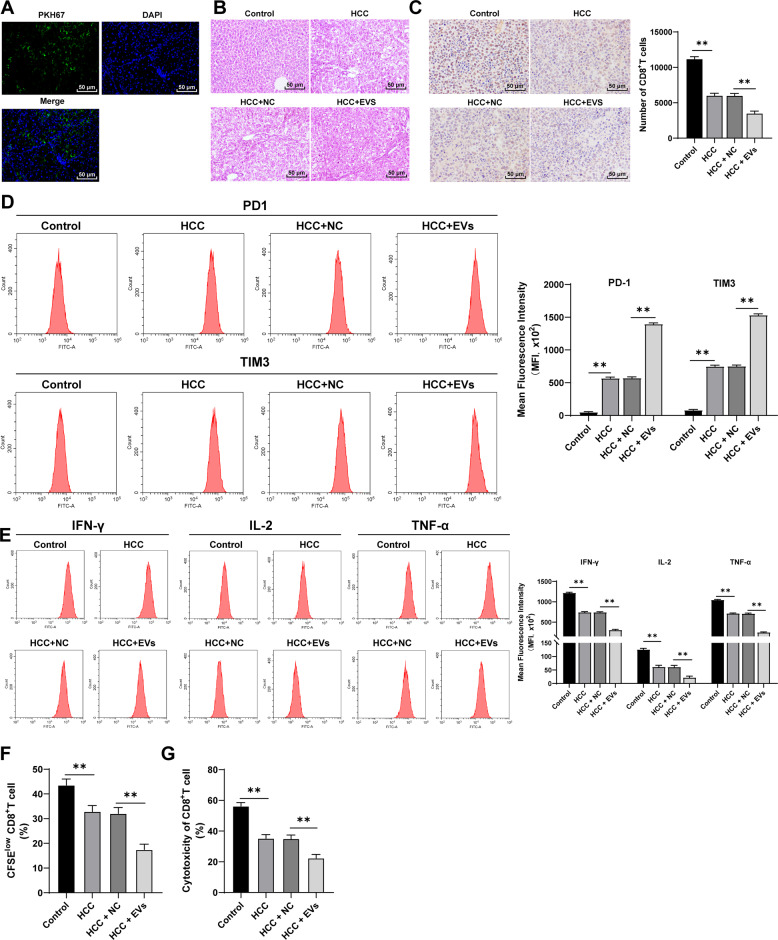
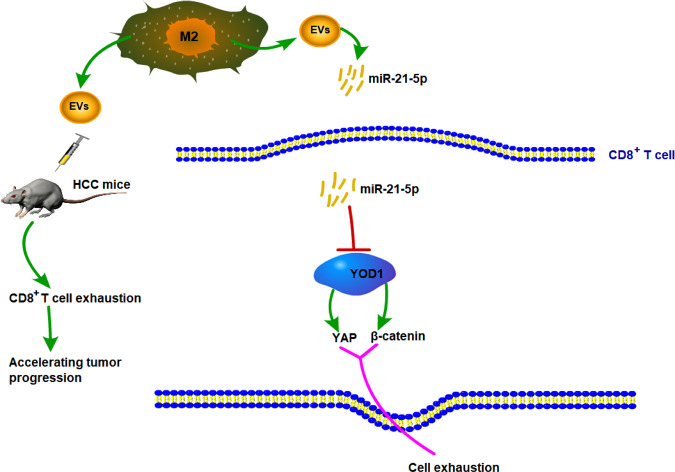
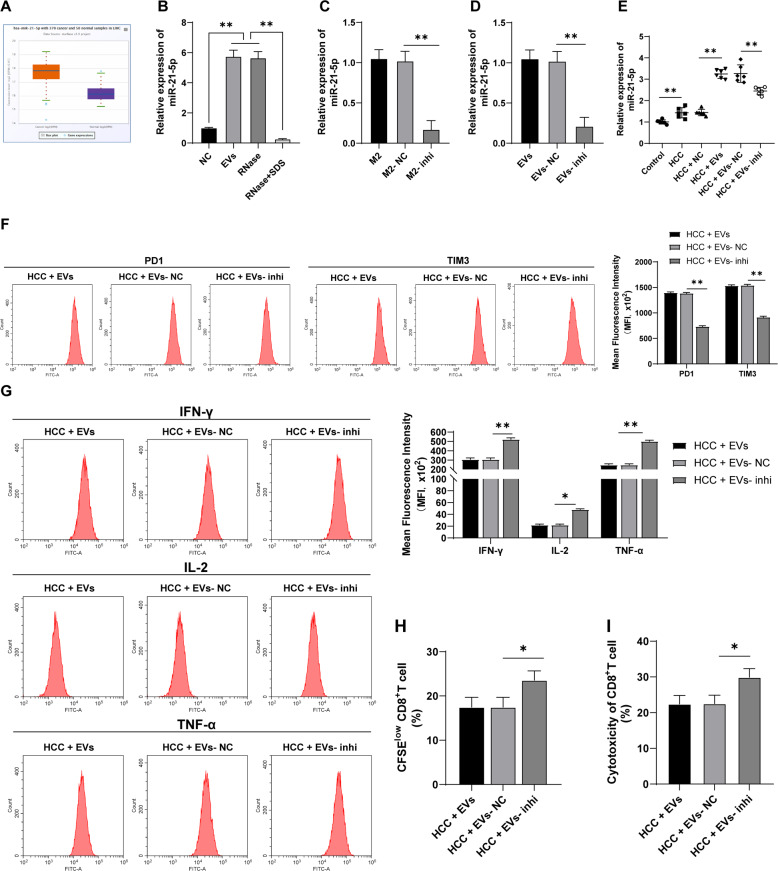
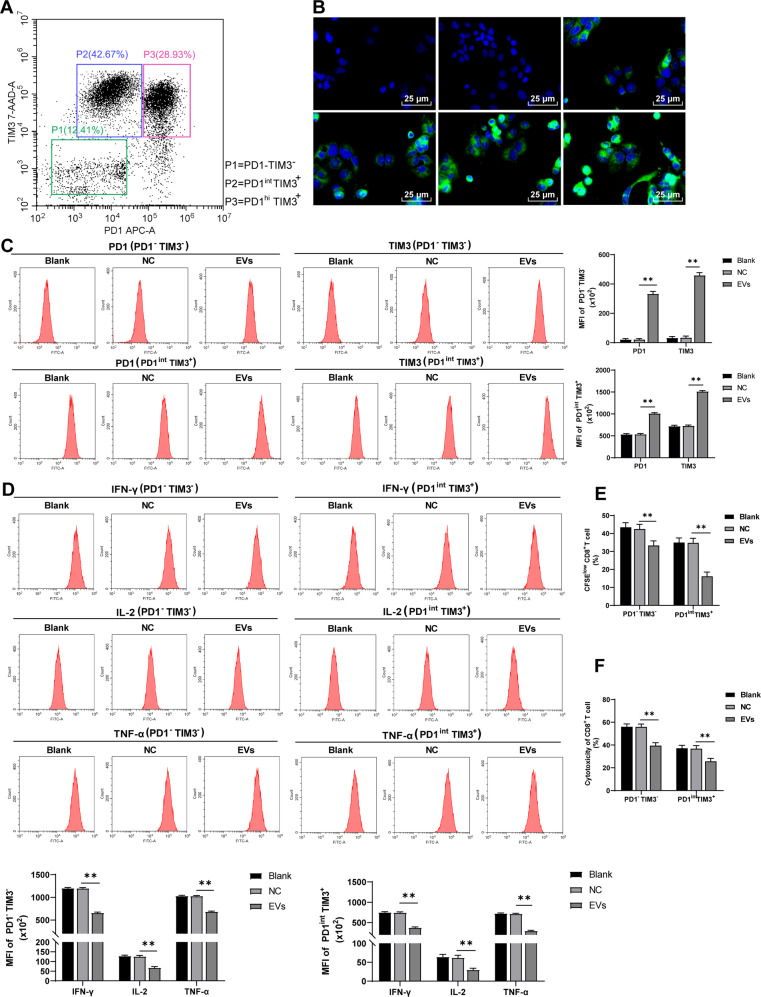
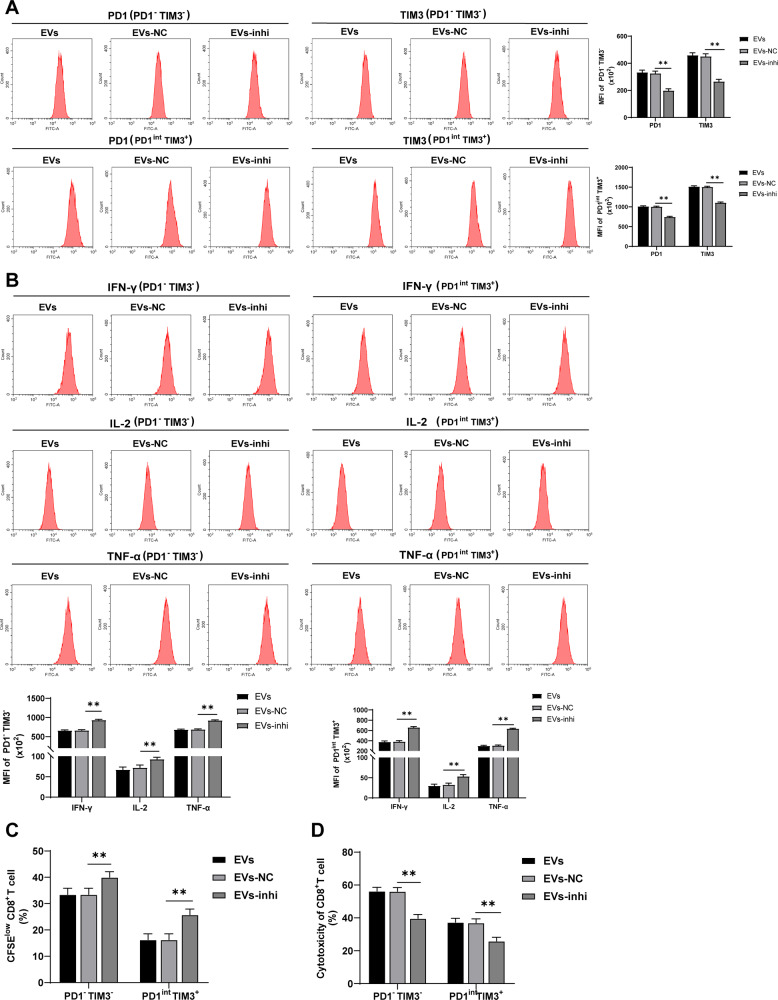
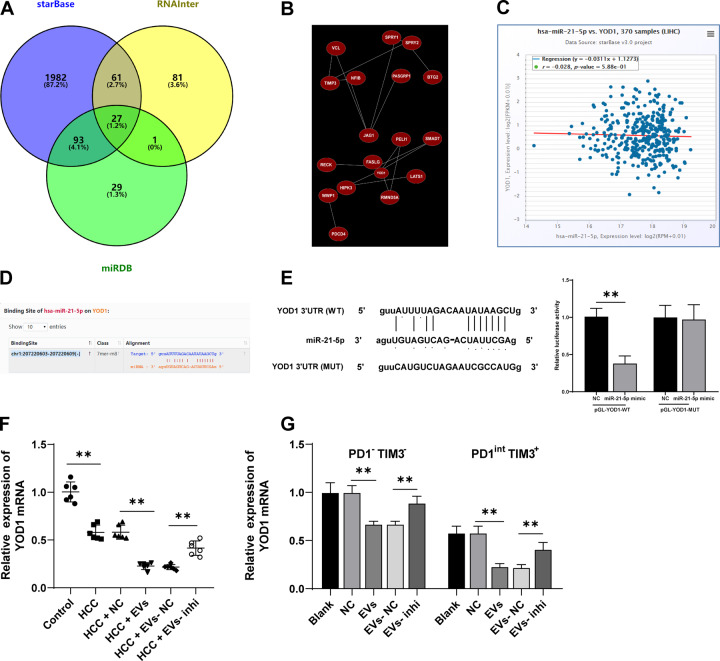
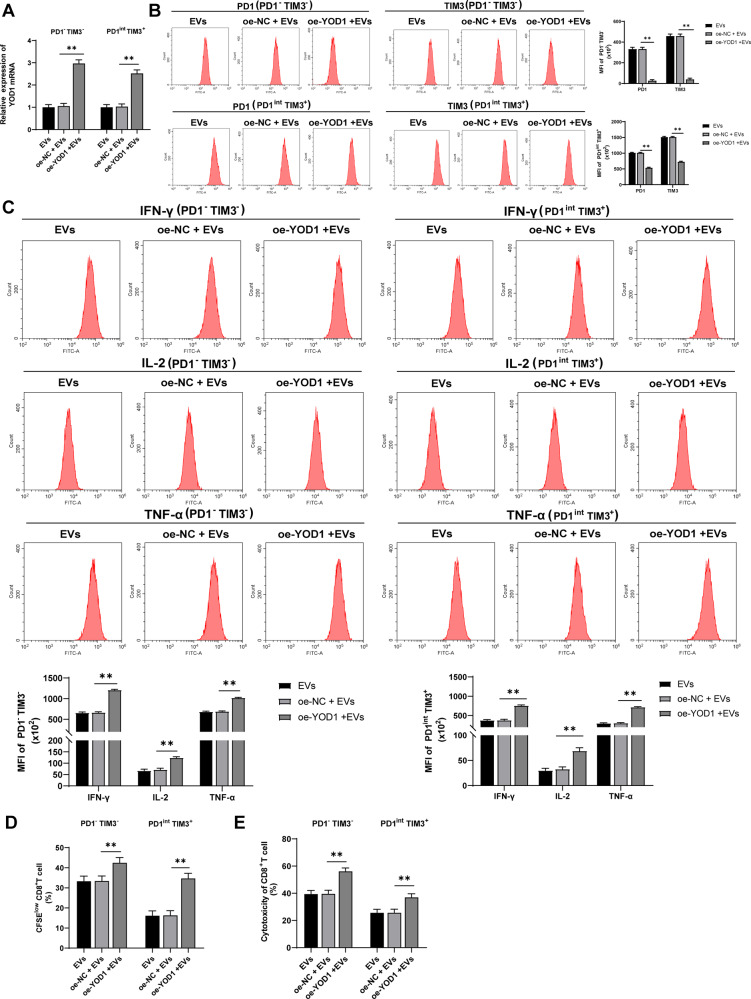
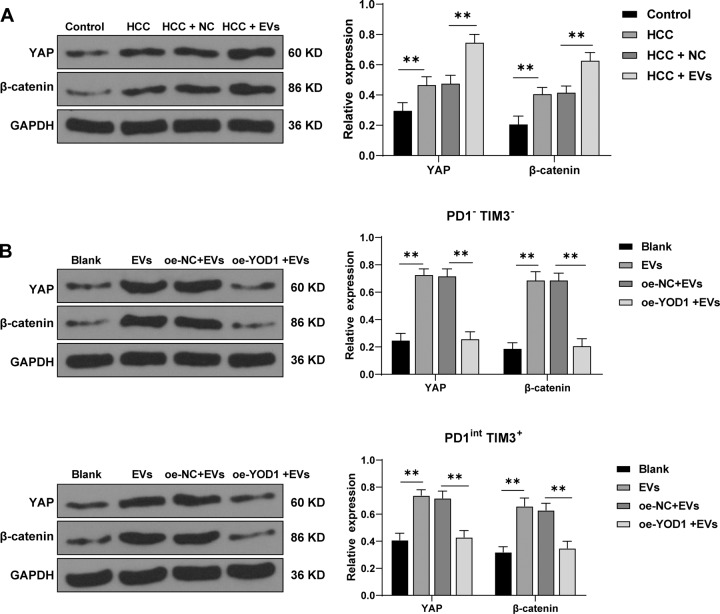
Hepatocellular carcinoma (HCC) is a common malignancy. CD8 T cell-mediated immune response is critical for the inhibition of HCC progression. M2 macrophages participate in HCC progression. This study set out to investigate the effect of M2 macrophage-derived extracellular vesicles (EVs) on CD8 T cell exhaustion in HCC. M2 macrophage-derived EVs were isolated and identified. The murine model of primary HCC was established through DEN/CCl induction, and model mice were injected with EVs. Peripheral blood mononuclear cells (PBMCs) were isolated from the mouse liver and CD8 T cells were sorted. The expressions of immune checkpoint inhibitory receptors and effector cytokines on CD8 T cells were detected, followed by the evaluation of CD8 T cell proliferation and killing function. miR-21-5p expression in M2 macrophage-derived EVs was detected. The binding relationship between miR-21-5p and YOD1 was verified. The activation of the YAP/β-catenin pathway was detected. Consequently, M2 macrophage-derived EVs promoted CD8 T cell exhaustion in HCC mice. miR-21-5p expression was upregulated in M2 macrophage-derived EVs, and EVs carried miR-21-5p into HCC tissues. miR-21-5p targeted YOD1. Inhibition of miR-21-5p or overexpression of YOD1 annulled the promoting effect of EVs on CD8 T cell exhaustion. YOD1 inactivated the YAP/β-catenin pathway. In conclusion, M2 macrophage-derived EVs facilitated CD8 T cell exhaustion via the miR-21-5p/YOD1/YAP/β-catenin axis. This study may confer novel insights into the immunotherapy of HCC.
肝细胞癌(HCC)是一种常见的恶性肿瘤。CD8 T细胞介导的免疫反应对于抑制HCC进展至关重要。M2巨噬细胞参与HCC进展。本研究旨在探讨M2巨噬细胞衍生的细胞外囊泡(EVs)对HCC中CD8 T细胞耗竭的影响。分离并鉴定了M2巨噬细胞衍生的EVs。通过二乙基亚硝胺/四氯化碳诱导建立原发性HCC小鼠模型,并给模型小鼠注射EVs。从小鼠肝脏中分离外周血单核细胞(PBMCs)并分选CD8 T细胞。检测CD8 T细胞上免疫检查点抑制受体和效应细胞因子的表达,随后评估CD8 T细胞的增殖和杀伤功能。检测M2巨噬细胞衍生的EVs中miR-21-5p的表达。验证了miR-21-5p与YOD1之间的结合关系。检测YAP/β-连环蛋白通路的激活情况。结果显示,M2巨噬细胞衍生的EVs促进了HCC小鼠中CD8 T细胞的耗竭。M2巨噬细胞衍生的EVs中miR-21-5p表达上调,且EVs将miR-21-5p携带至HCC组织中。miR-21-5p靶向YOD1。抑制miR-21-5p或过表达YOD1可消除EVs对CD8 T细胞耗竭的促进作用。YOD1使YAP/β-连环蛋白通路失活。总之,M2巨噬细胞衍生的EVs通过miR-21-5p/YOD1/YAP/β-连环蛋白轴促进了CD8 T细胞的耗竭。本研究可能为HCC的免疫治疗提供新的见解。