Department of General Surgery, Jiangxi Province, The First Affiliated Hospital of Nanchang University, No. 17, Yongwai Zheng Road, Nanchang, 330006, People's Republic of China.
Department of Pathology, The First Affiliated Hospital of Nanchang University, Nanchang, 330006, People's Republic of China.
J Exp Clin Cancer Res. 2022 Apr 22;41(1):152. doi: 10.1186/s13046-022-02356-8.
Extracellular vesicles (EVs) derived from tumor-associated macrophages are implicated in the progression and metastasis of gastric cancer (GC) via the transfer of molecular cargo RNAs. We aimed to decipher the impact of microRNA (miR)-15b-5p transferred by M2 macrophage-derived EVs in the metastasis of GC.
Expression of miR-15b-5p was assessed and the downstream genes of miR-15b-5p were analyzed. GC cells were subjected to gain- and loss-of function experiments for miR-15b-5p, BRMS1, and DAPK1. M2 macrophage-derived EVs were extracted, identified, and subjected to co-culture with GC cells and their biological behaviors were analyzed. A lung metastasis model in nude mice was established to determine the effects of miR-15b-5p on tumor metastasis in vivo.
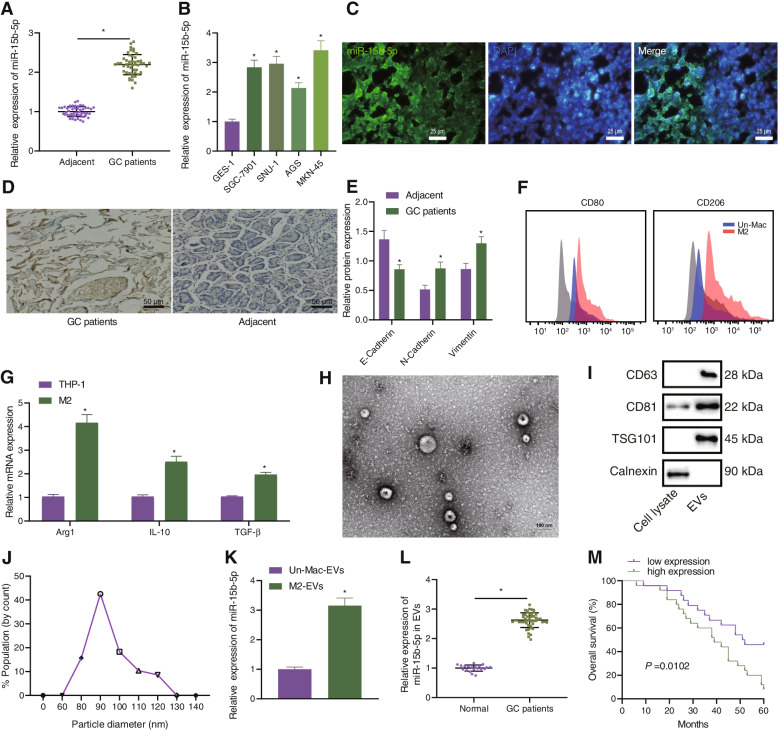
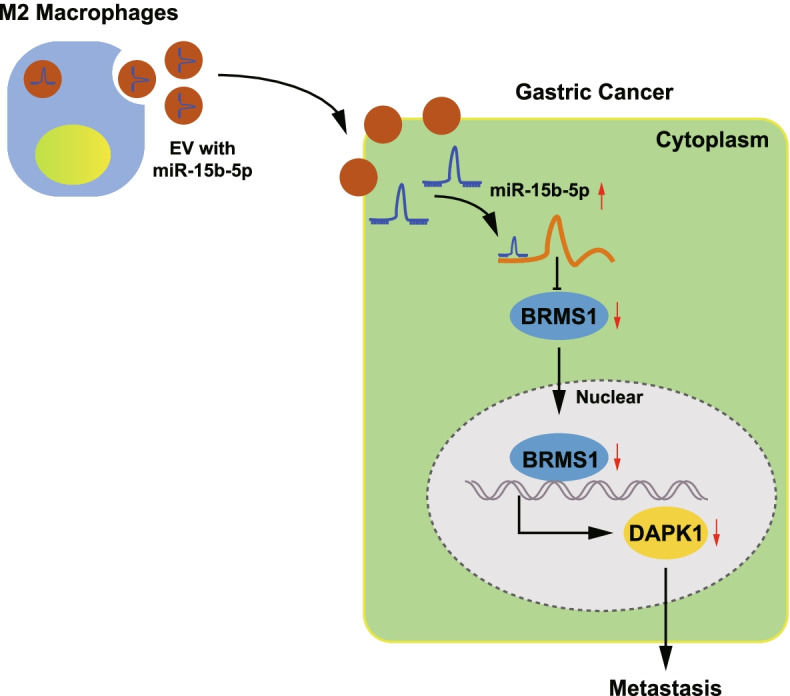
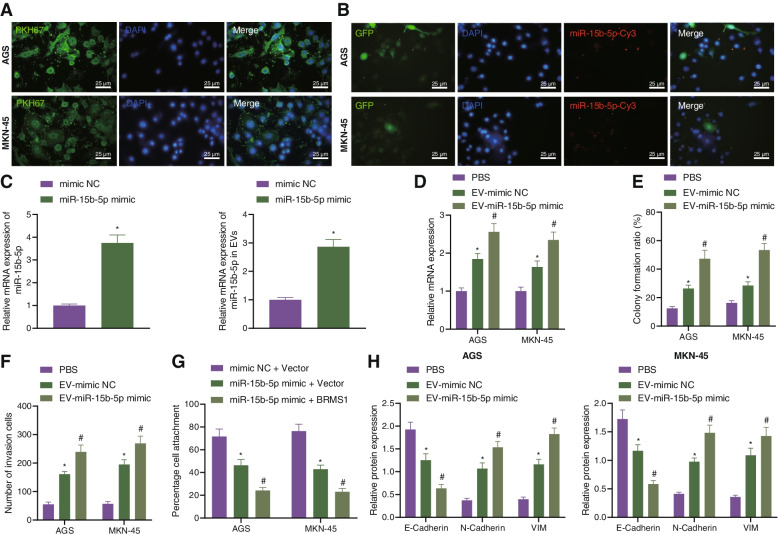
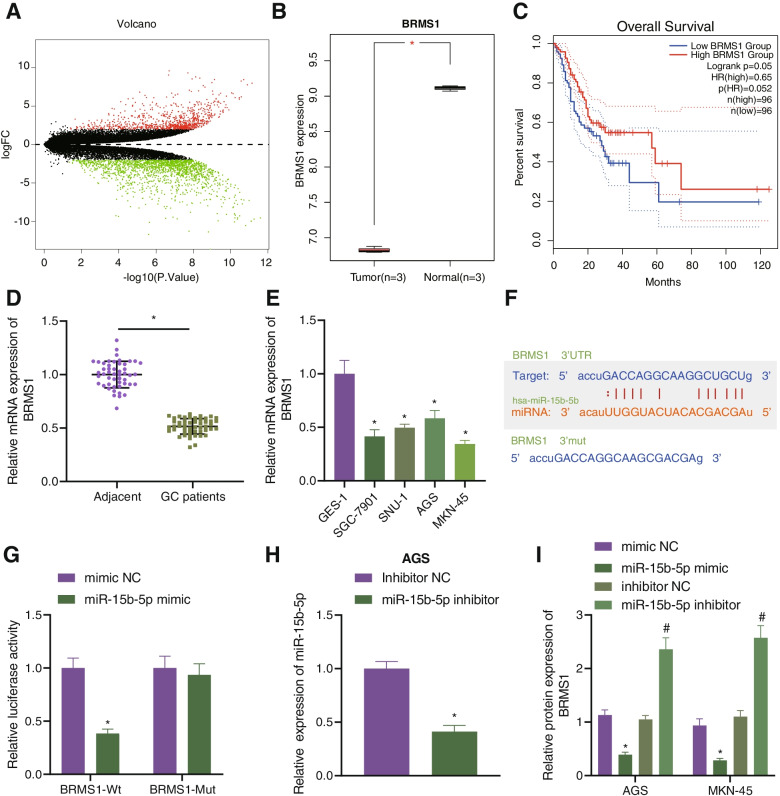
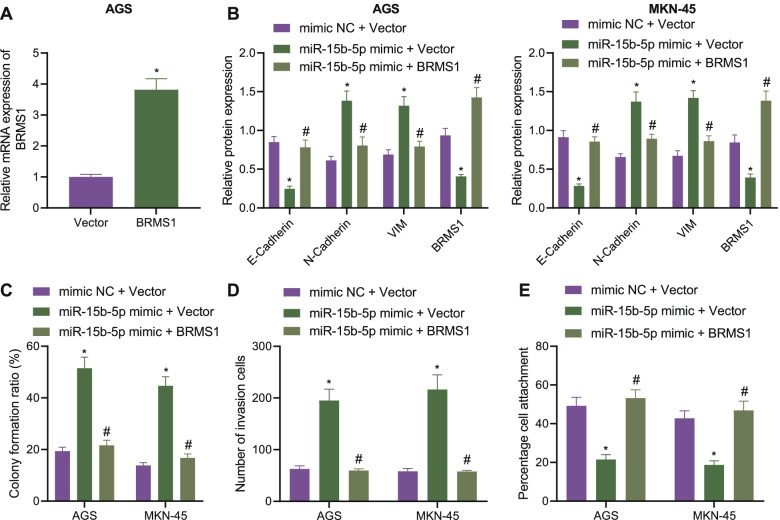
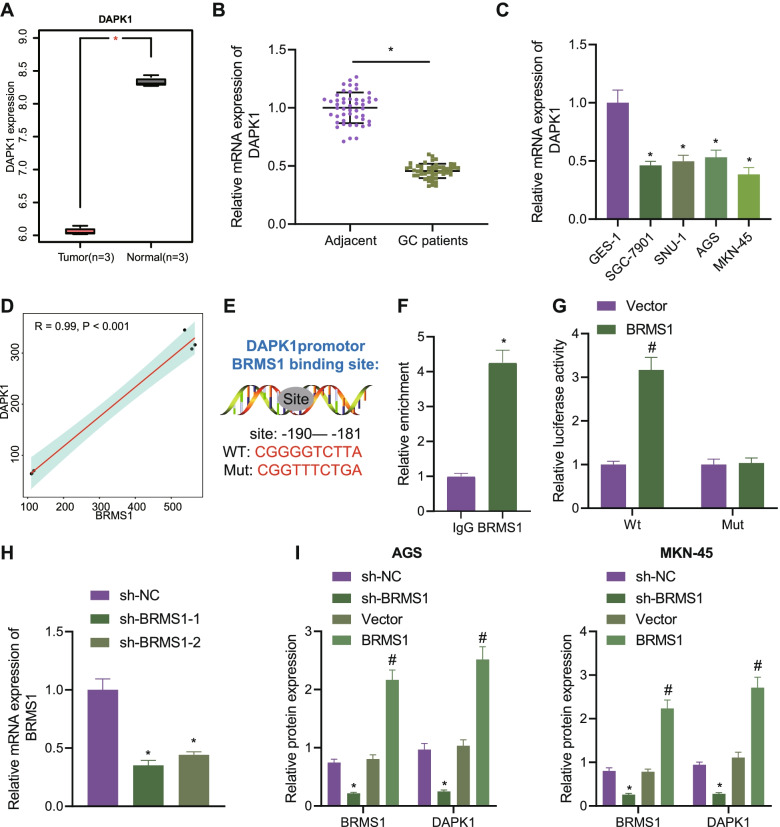
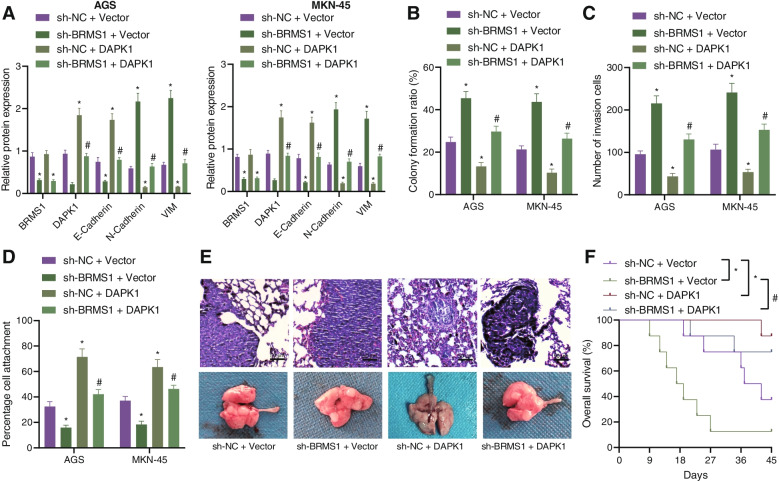
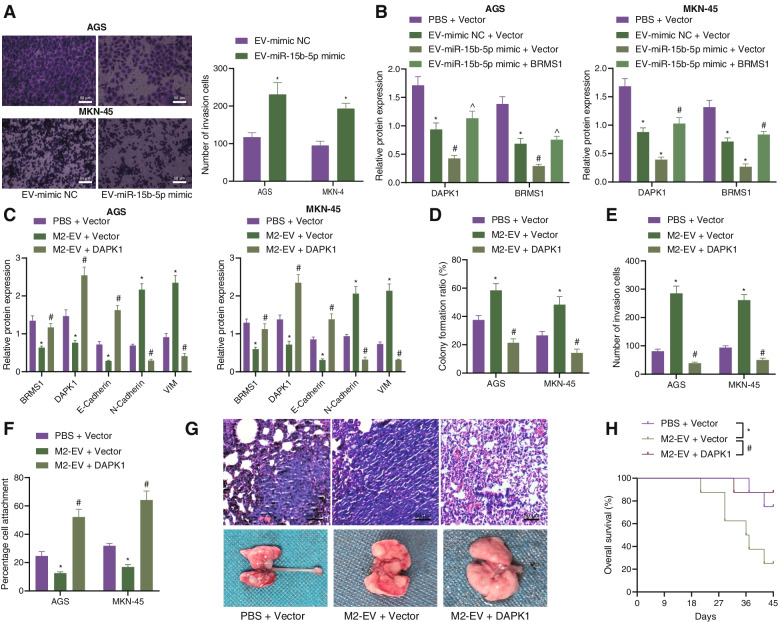
miR-15b-5p was upregulated in GC tissues and cells as well as in M2 macrophage-derived EVs. miR-15b-5p promoted the proliferative and invasive potentials, and epithelial-mesenchymal transition (EMT) of GC cells. M2 macrophage-derived EVs could transfer miR-15b-5p into GC cells where it targeted BRMS1 by binding to its 3'UTR. BRMS1 was enriched in the DAPK1 promoter region and promoted its transcription, thereby arresting the proliferative and invasive potentials, and EMT of GC cells. In vivo experiments demonstrated that orthotopic implantation of miR-15b-5p overexpressing GC cells in nude mice displayed led to enhanced tumor metastasis by inhibiting the BRMS1/DAPK1 axis.
Overall, miR-15b-5p delivered by M2 macrophage-derived EVs constitutes a molecular mechanism implicated in the metastasis of GC, and may thus be considered as a novel therapeutic target for its treatment.
肿瘤相关巨噬细胞衍生的细胞外囊泡(EVs)通过转移分子货物 RNA 参与胃癌(GC)的进展和转移。我们旨在阐明 M2 巨噬细胞衍生的 EV 转移的 microRNA(miR)-15b-5p 对 GC 转移的影响。
评估 miR-15b-5p 的表达,并分析 miR-15b-5p 的下游基因。对 GC 细胞进行 miR-15b-5p、BRMS1 和 DAPK1 的增益和功能丧失实验。提取、鉴定 M2 巨噬细胞衍生的 EV,并与 GC 细胞共培养,分析其生物学行为。建立裸鼠肺转移模型,确定 miR-15b-5p 在体内对肿瘤转移的影响。
miR-15b-5p 在 GC 组织和细胞以及 M2 巨噬细胞衍生的 EV 中上调。miR-15b-5p 促进 GC 细胞的增殖和侵袭能力以及上皮间质转化(EMT)。M2 巨噬细胞衍生的 EV 可以将 miR-15b-5p 转移到 GC 细胞中,miR-15b-5p 通过结合其 3'UTR 靶向 BRMS1。BRMS1 富含在 DAPK1 启动子区域,并促进其转录,从而抑制 GC 细胞的增殖和侵袭能力以及 EMT。体内实验表明,在裸鼠中过表达 miR-15b-5p 的 GC 细胞原位植入导致肿瘤转移增强,通过抑制 BRMS1/DAPK1 轴。
总之,M2 巨噬细胞衍生的 EV 递送的 miR-15b-5p 构成了 GC 转移涉及的分子机制,因此可被视为其治疗的新的治疗靶点。