AMPEL BioSolutions, LLC and RILITE Research Institute, Charlottesville, VA, USA.
EMD Serono Research & Development Institute, 45 A Middlesex Turnpike, Billerica, MA, 01821, USA.
Sci Rep. 2021 Jul 20;11(1):14789. doi: 10.1038/s41598-021-93034-w.
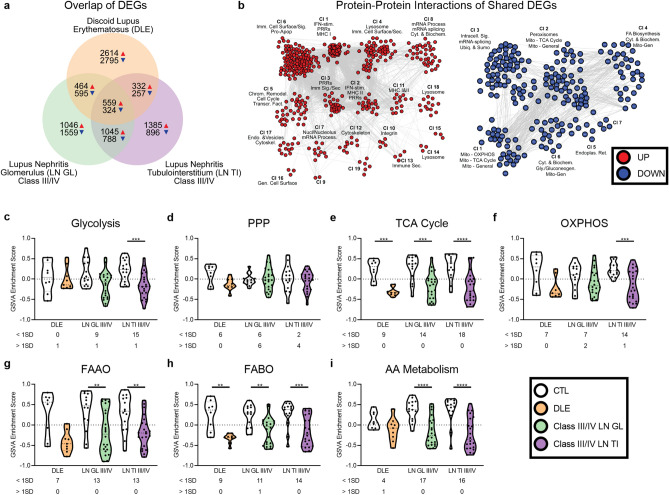
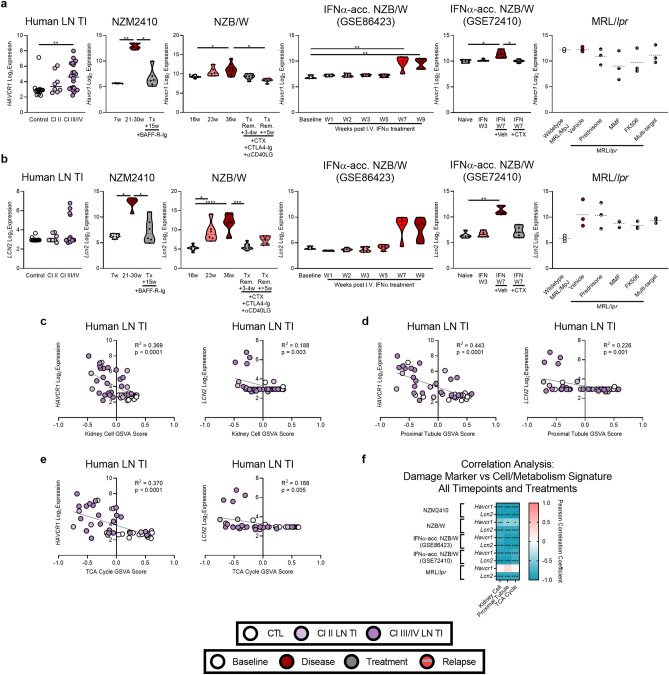
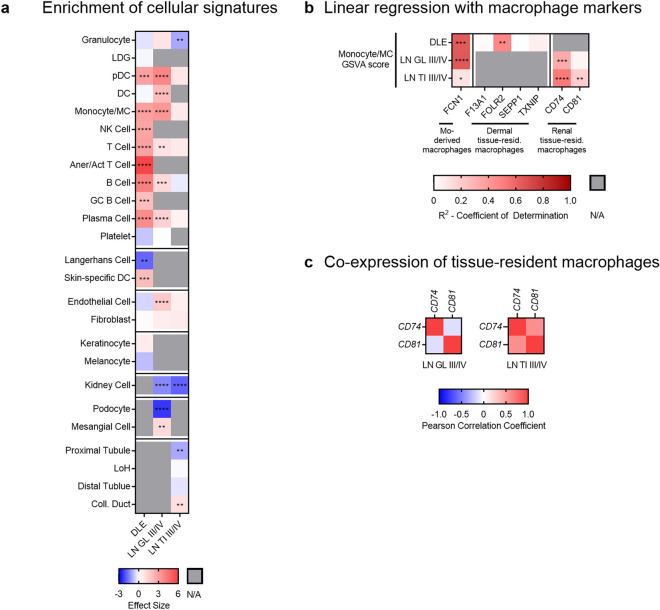
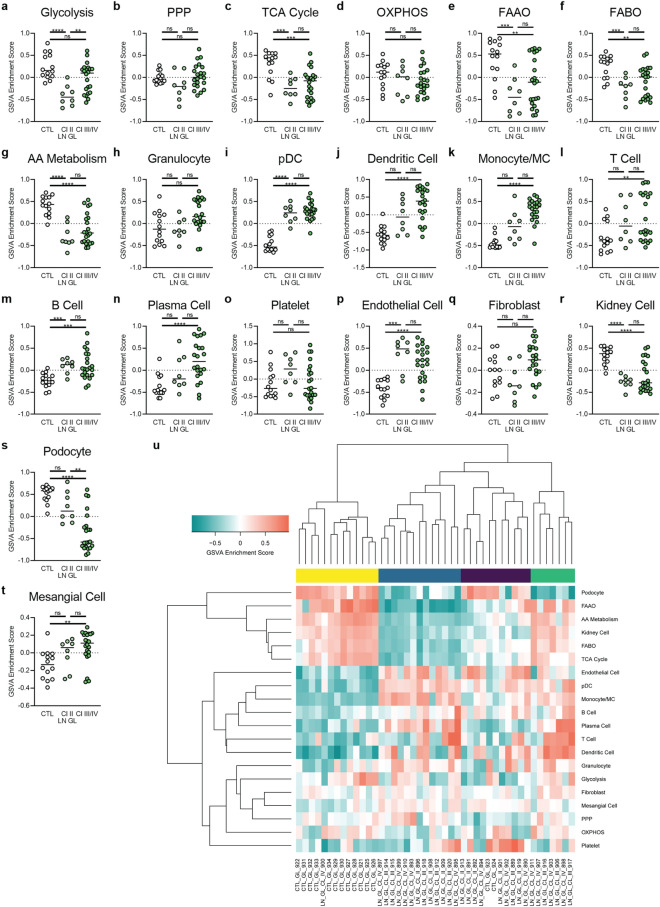
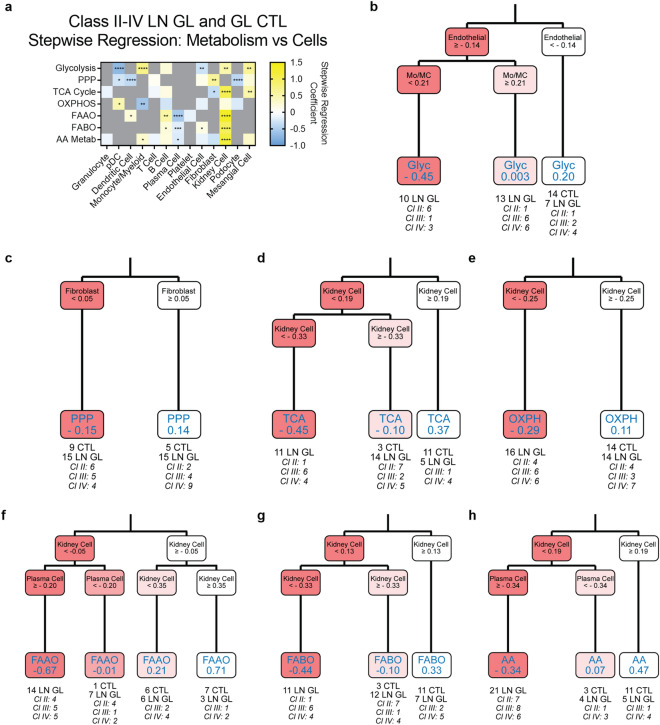
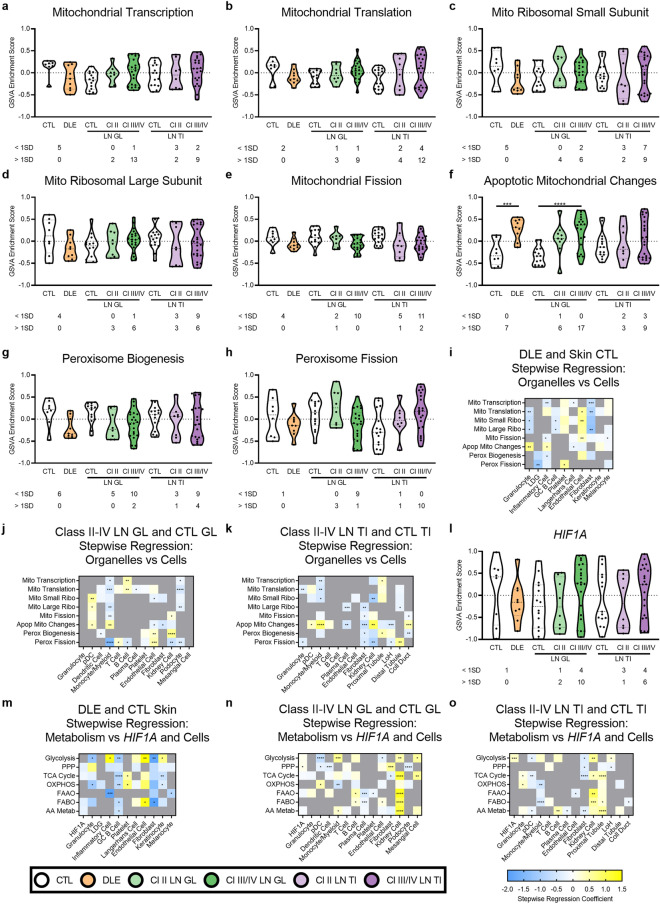
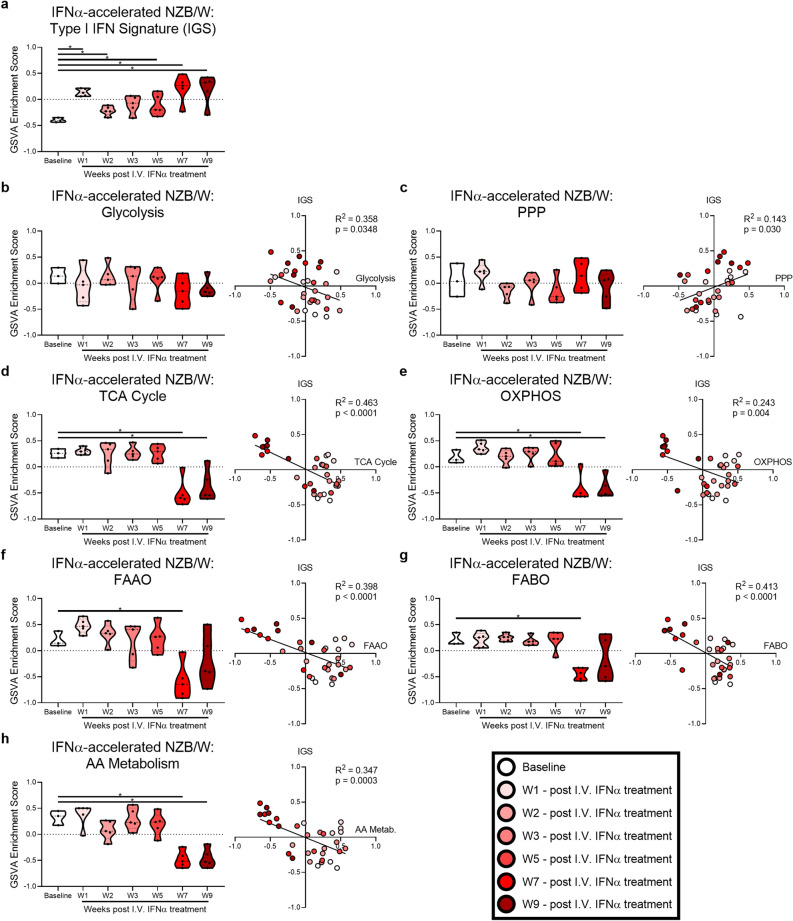
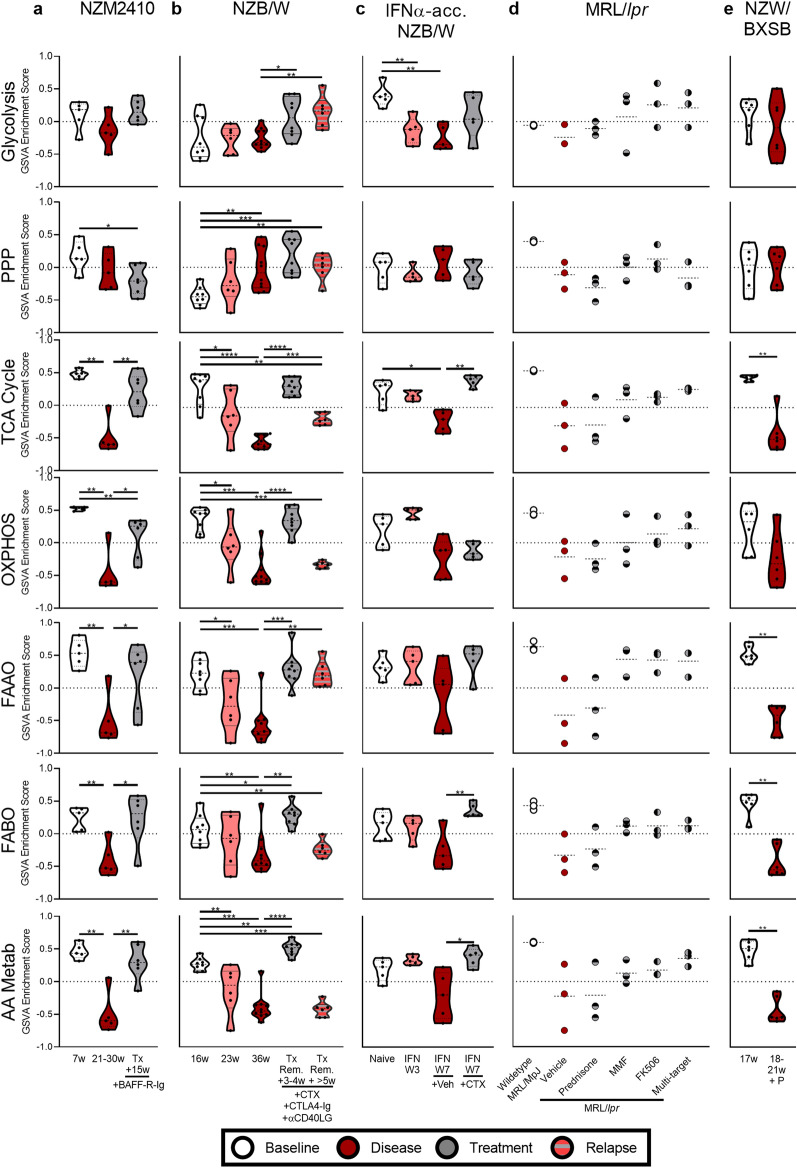
To compare lupus pathogenesis in disparate tissues, we analyzed gene expression profiles of human discoid lupus erythematosus (DLE) and lupus nephritis (LN). We found common increases in myeloid cell-defining gene sets and decreases in genes controlling glucose and lipid metabolism in lupus-affected skin and kidney. Regression models in DLE indicated increased glycolysis was correlated with keratinocyte, endothelial, and inflammatory cell transcripts, and decreased tricarboxylic (TCA) cycle genes were correlated with the keratinocyte signature. In LN, regression models demonstrated decreased glycolysis and TCA cycle genes were correlated with increased endothelial or decreased kidney cell transcripts, respectively. Less severe glomerular LN exhibited similar alterations in metabolism and tissue cell transcripts before monocyte/myeloid cell infiltration in some patients. Additionally, changes to mitochondrial and peroxisomal transcripts were associated with specific cells rather than global signal changes. Examination of murine LN gene expression demonstrated metabolic changes were not driven by acute exposure to type I interferon and could be restored after immunosuppression. Finally, expression of HAVCR1, a tubule damage marker, was negatively correlated with the TCA cycle signature in LN models. These results indicate that altered metabolic dysfunction is a common, reversible change in lupus-affected tissues and appears to reflect damage downstream of immunologic processes.
为了比较不同组织中的狼疮发病机制,我们分析了人类盘状红斑狼疮(DLE)和狼疮肾炎(LN)的基因表达谱。我们发现狼疮皮肤和肾脏中存在髓系细胞定义基因集的共同增加和控制葡萄糖和脂质代谢的基因减少。在 DLE 中的回归模型表明,糖酵解增加与角质形成细胞、内皮细胞和炎症细胞转录物相关,三羧酸(TCA)循环基因减少与角质形成细胞特征相关。在 LN 中,回归模型表明糖酵解和 TCA 循环基因减少分别与内皮细胞或肾脏细胞转录物增加相关。在一些患者中,在单核细胞/髓样细胞浸润之前,较轻的肾小球 LN 表现出代谢和组织细胞转录物的相似改变。此外,线粒体和过氧化物酶体转录物的变化与特定细胞而不是全局信号变化相关。对狼疮肾炎小鼠基因表达的研究表明,代谢变化不是由 I 型干扰素的急性暴露驱动的,并且在免疫抑制后可以恢复。最后,HAVCR1(一种小管损伤标志物)的表达与 LN 模型中的 TCA 循环特征呈负相关。这些结果表明,改变的代谢功能障碍是狼疮受累组织中的一种常见、可逆变化,似乎反映了免疫过程下游的损伤。