Division of Medical Oncology, Department of Medicine, University of Ottawa and the Ottawa Hospital, Ottawa, ON K1H 8L6, Canada.
Ottawa Hospital Research Institute, Ottawa, ON K1Y 4E9, Canada.
Curr Oncol. 2021 Jul 6;28(4):2523-2528. doi: 10.3390/curroncol28040229.
Non-compliance and non-persistence with endocrine therapy for breast cancer is common and usually related to treatment-induced side effects. There are anecdotal reports that simply changing the time of day when taking endocrine therapy (i.e., changing morning dosing to evening dosing or vice versa) can reduce side effects.
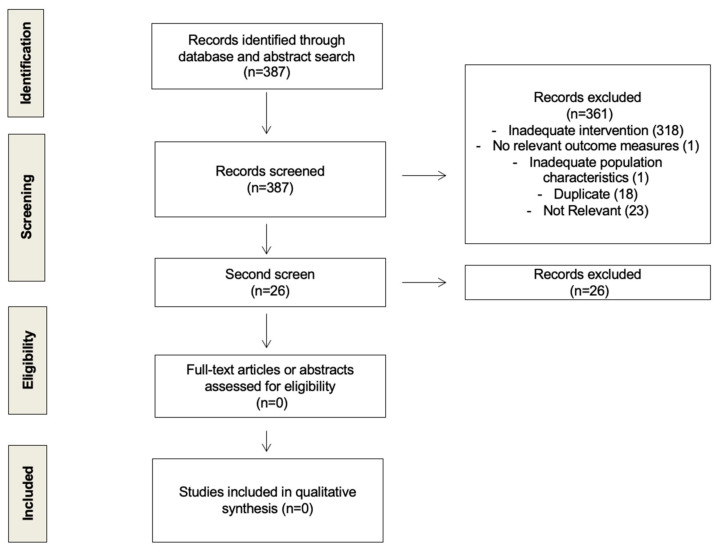
We conducted a literature review to evaluate whether changing the timing of tamoxifen and/or aromatase inhibitor administration impacted patient outcomes. No randomized control trials or prospective cohort studies that looked at time of day of endocrine therapy were identified through our review of literature from 1947 until August 2020.
Given the rates of endocrine therapy non-compliance and non-persistence reported in the literature, ranging from 41-72% and 31-73%, respectively, simply changing the time of day when medications are taken could be an important strategy. We could identify no trials evaluating the effect of changes in timing of administration of endocrine therapy on breast cancer patient outcomes. Randomized control trials are clearly indicated for this simple and cost-effective intervention.
乳腺癌内分泌治疗的不依从和不持续很常见,通常与治疗引起的副作用有关。有传闻称,简单地改变内分泌治疗的服药时间(即,将早晨剂量改为晚上剂量,反之亦然)可以减少副作用。
我们进行了文献回顾,以评估改变他莫昔芬和/或芳香化酶抑制剂给药时间是否会影响患者的结局。通过对 1947 年至 2020 年 8 月的文献进行综述,我们没有发现任何关于内分泌治疗时间的随机对照试验或前瞻性队列研究。
鉴于文献报道的内分泌治疗不依从和不持续的发生率分别为 41%-72%和 31%-73%,简单地改变服药时间可能是一种重要的策略。我们无法确定评估内分泌治疗给药时间变化对乳腺癌患者结局影响的试验。对于这种简单且具有成本效益的干预措施,显然需要进行随机对照试验。