Department of Traditional Chinese Medicine, The First Affiliated Hospital, Sun Yat-sen University, Guangzhou, China.
Front Immunol. 2021 Jul 5;12:564948. doi: 10.3389/fimmu.2021.564948. eCollection 2021.
Previous studies have reported the potential of aryl hydrocarbon receptor (AhR) in cancer immunotherapy. However, the mechanisms underpinning its therapeutic value have yet to be comprehensively investigated. Thus, this research aimed to explore the underlying association between AhR and cancer immunotherapy in 33 human cancers.
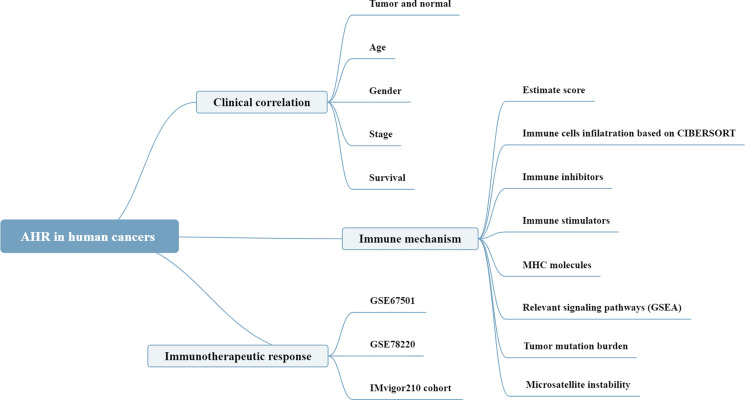
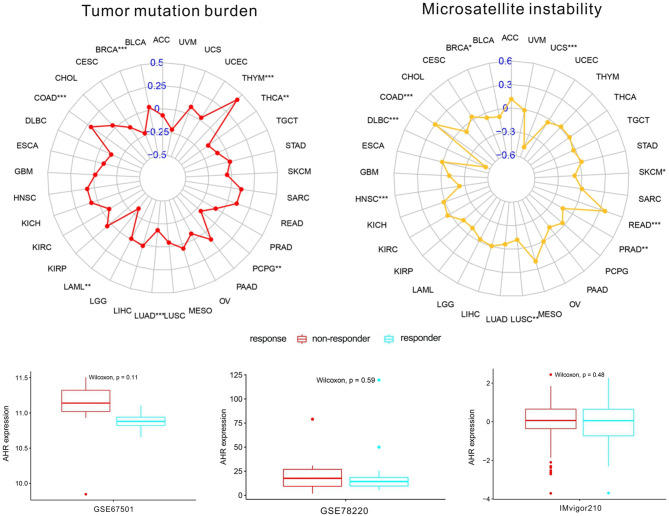
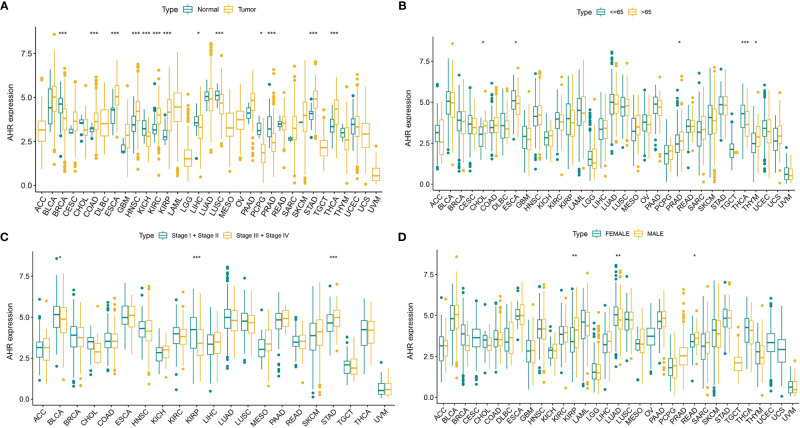
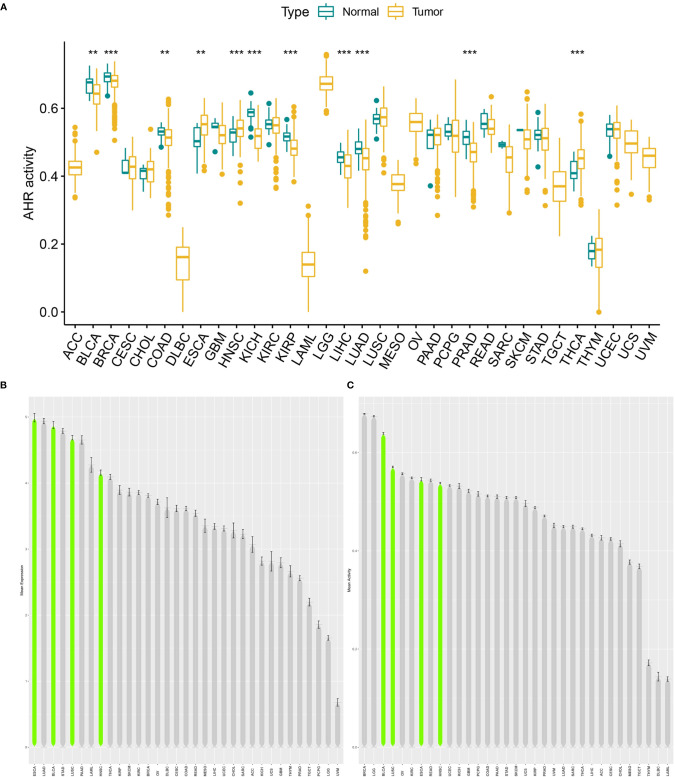
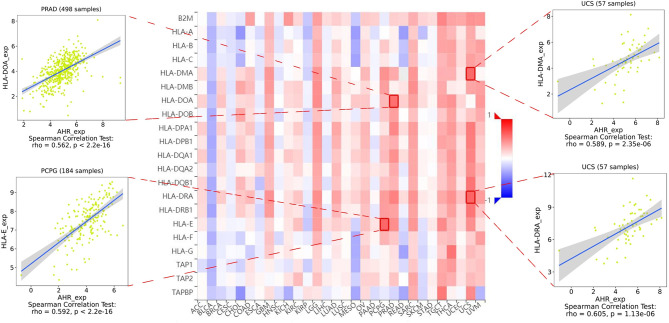
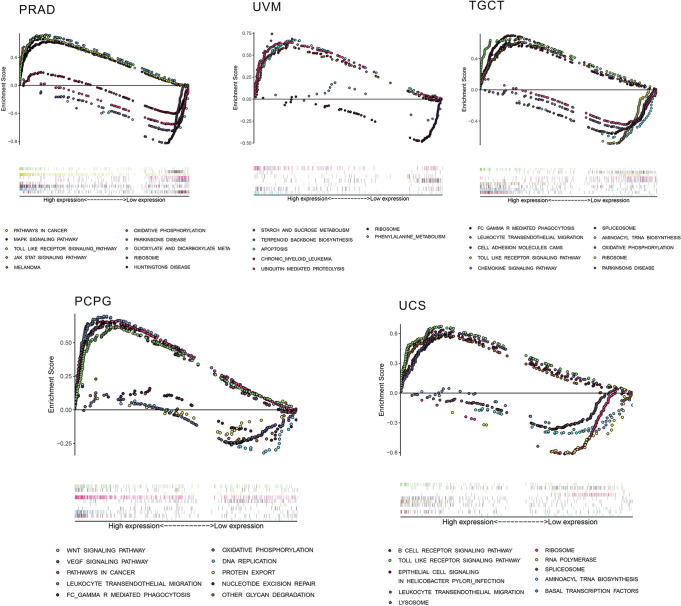
The gene expression data and clinical characteristics of 33 cancers were retrieved from The Cancer Genome Atlas database. The immunotherapeutic cohorts included GSE67501 and GSE78220 as well as IMvigor210, which were obtained from the Gene Expression Omnibus database and included in a previously published study respectively. Clinical parameters, including patient age, gender, survival, and tumor stage were analyzed to assess the prognostic value of AhR. The activity of AhR was generated by single sample gene set enrichment analysis and used to evaluate the difference between the AhR transcriptome and protein expression level. To better understand the role of AhR in cancer immunotherapy, the correlation between AhR and tumor microenvironment, as well as its relation to immune processes/elements, such as immune cell infiltration, immune inhibitors and stimulators, and the major histocompatibility complex were analyzed. The relevant underlying pathways associated with AhR signaling in cancer were also explored. Furthermore, the correlation between AhR and two immunotherapeutic biomarkers (tumor mutational burden and microsatellite instability) was investigated. Finally, the relationship between AhR and immunotherapeutic response was explored using three independent immunotherapeutic cohorts.
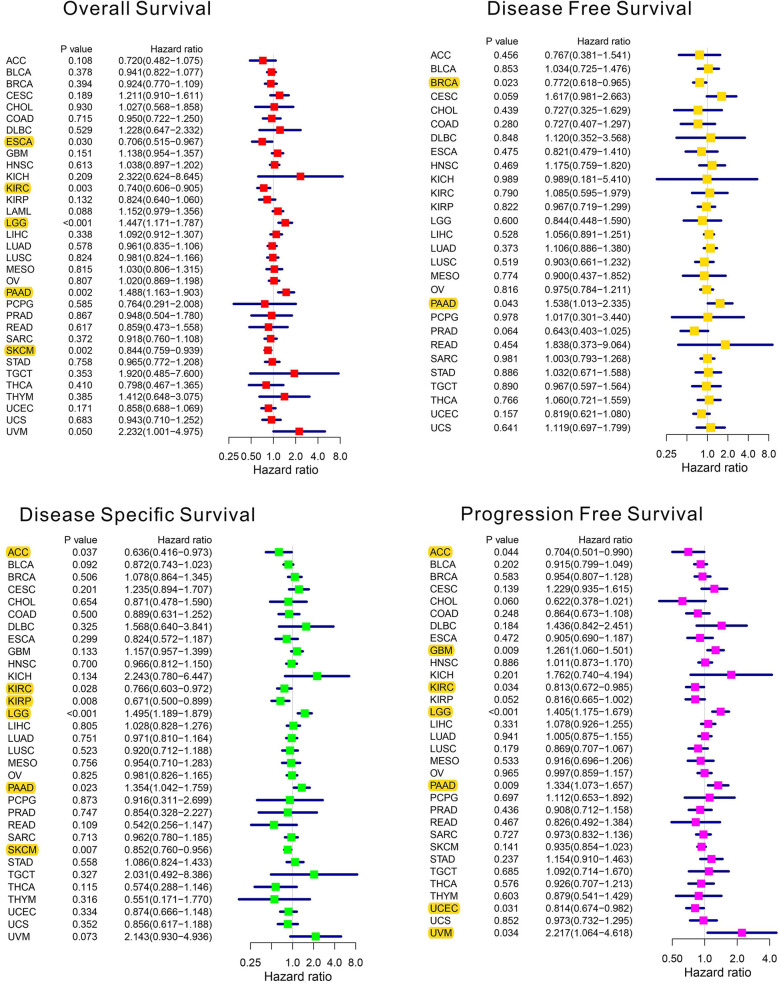
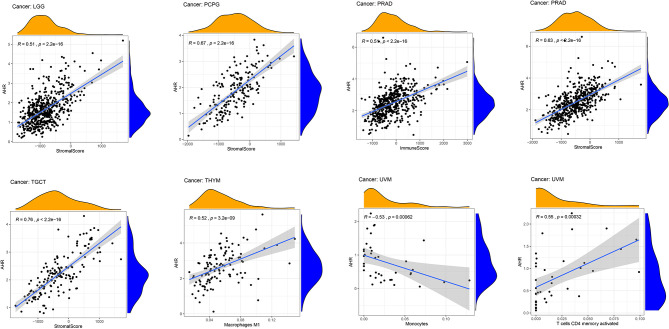
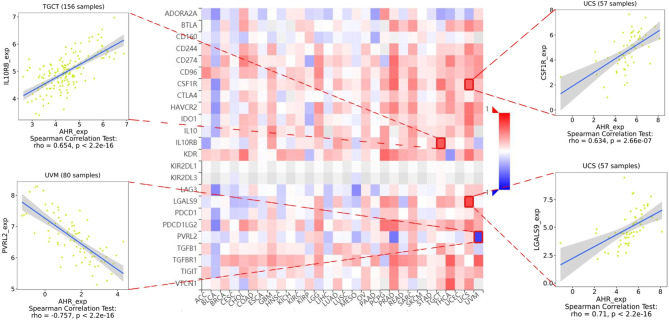
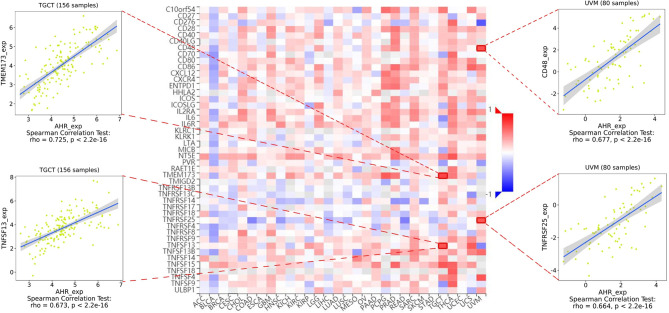
Although AhR was not closely associated with age (5/33), gender (3/33), or tumor stage (3/21) in any of the studied human cancers, it exhibited potential prognostic value for predicting patient survival. Consistency has been observed between AhR activity and expression in some cancers (7/33). Generally, AhR presented a robust correlation with immune cell infiltration, immune modulators, and immunotherapeutic markers. Moreover, high AhR expression was significantly related to immune-relevant pathways. However, no significant correlation was observed between AhR and the immunotherapeutic response.
This research investigated the immunotherapeutic value of AhR in 33 human cancers, providing evidence regarding the function of AhR and its role in clinical treatment. However, considering that a bioinformatics approach was adopted, the current results are preliminary and require further validation.
先前的研究报告了芳香烃受体 (AhR) 在癌症免疫治疗中的潜力。然而,其治疗价值的潜在机制尚未得到全面研究。因此,本研究旨在探索 33 种人类癌症中 AhR 与癌症免疫治疗之间的潜在关联。
从癌症基因组图谱数据库中检索了 33 种癌症的基因表达数据和临床特征。免疫治疗队列包括 GSE67501 和 GSE78220 以及来自基因表达综合数据库的 IMvigor210,这些数据分别来自基因表达综合数据库并包含在之前发表的研究中。分析了临床参数,包括患者年龄、性别、生存和肿瘤分期,以评估 AhR 的预后价值。通过单样本基因集富集分析生成 AhR 的活性,并用于评估 AhR 转录组和蛋白表达水平之间的差异。为了更好地理解 AhR 在癌症免疫治疗中的作用,分析了 AhR 与肿瘤微环境之间的相关性,以及与免疫过程/元素(如免疫细胞浸润、免疫抑制剂和刺激剂以及主要组织相容性复合体)的关系。还探讨了与 AhR 信号相关的相关潜在途径。此外,还研究了 AhR 与两种免疫治疗生物标志物(肿瘤突变负担和微卫星不稳定性)之间的相关性。最后,使用三个独立的免疫治疗队列探索了 AhR 与免疫治疗反应之间的关系。
尽管 AhR 与所研究的 33 种人类癌症中的任何一种的年龄(5/33)、性别(3/33)或肿瘤分期(3/21)均无密切关联,但它显示出预测患者生存的潜在预后价值。在一些癌症中观察到 AhR 活性与表达之间的一致性(7/33)。一般来说,AhR 与免疫细胞浸润、免疫调节剂和免疫治疗标志物具有很强的相关性。此外,高 AhR 表达与免疫相关途径显著相关。然而,没有观察到 AhR 与免疫治疗反应之间存在显著相关性。
本研究调查了 33 种人类癌症中 AhR 的免疫治疗价值,为 AhR 的功能及其在临床治疗中的作用提供了证据。然而,考虑到采用了生物信息学方法,目前的结果是初步的,需要进一步验证。