Alvarado-Marchena Luis, Marquez-Molins Joan, Martinez-Perez Mireya, Aparicio Frederic, Pallás Vicente
Instituto de Biología Molecular y Celular de Plantas, Consejo Superior de Investigaciones Científicas, Universidat Politècnica de Valencia, Valencia, Spain.
Front Plant Sci. 2021 Jul 5;12:701683. doi: 10.3389/fpls.2021.701683. eCollection 2021.
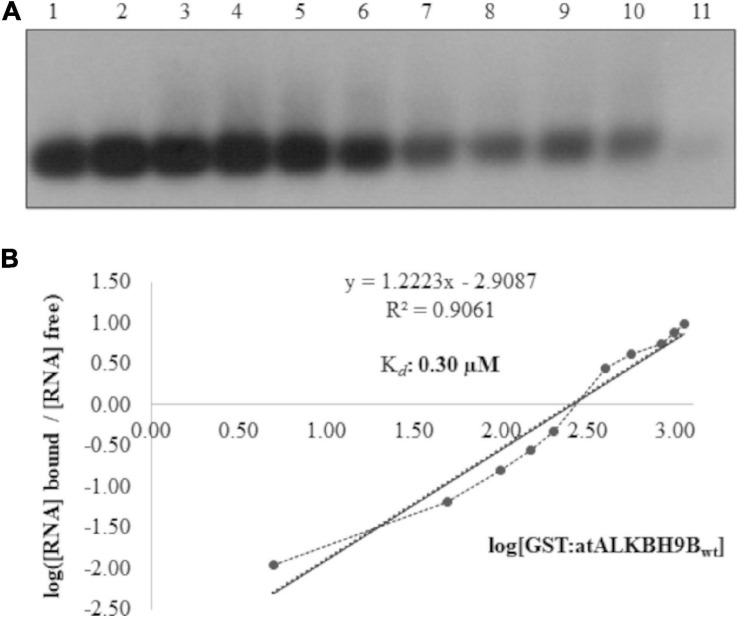
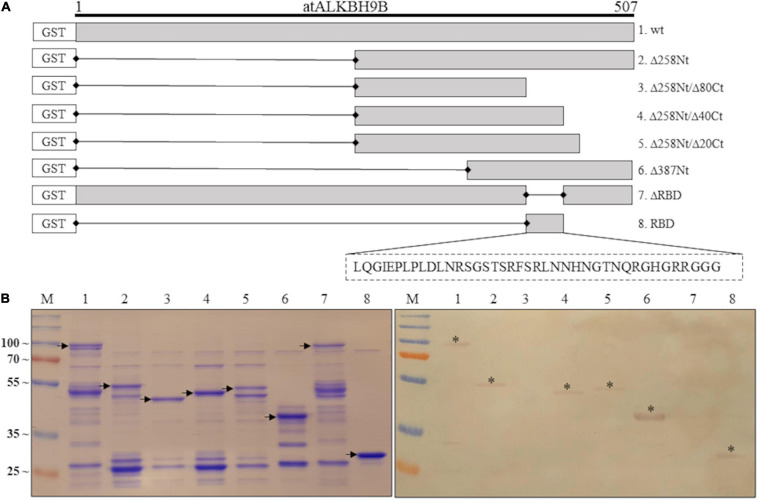
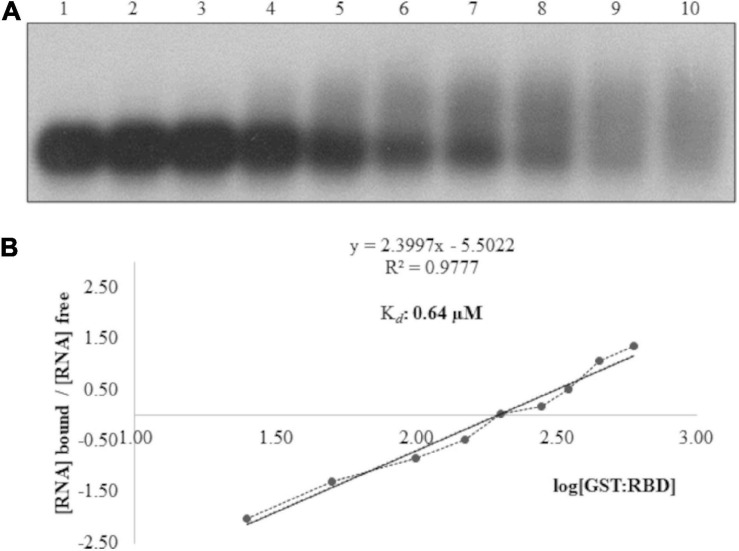
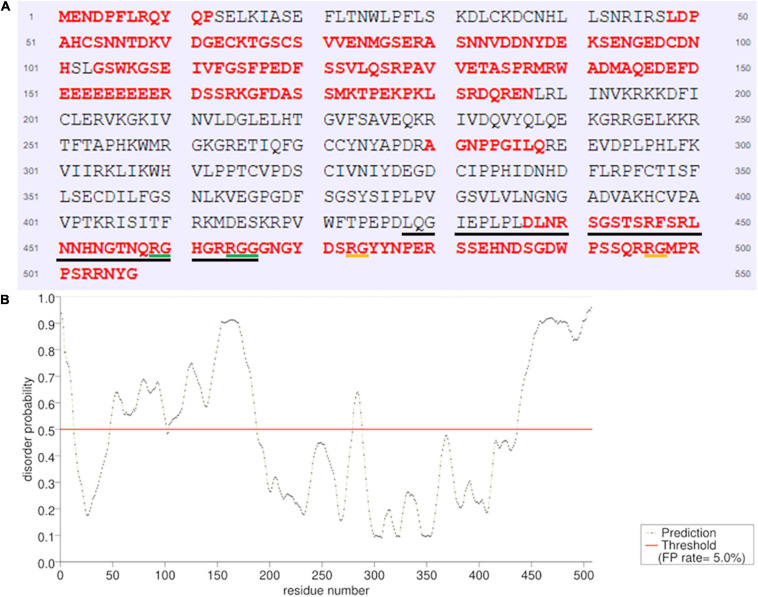
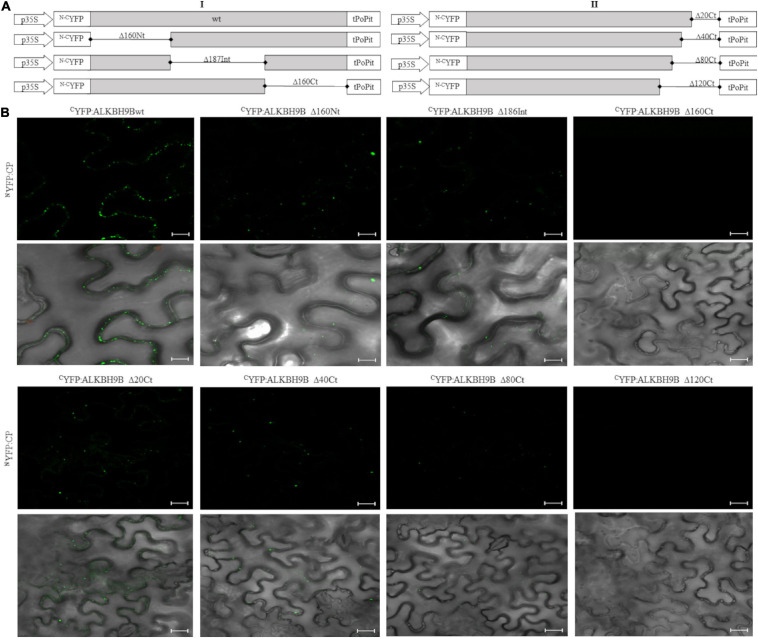
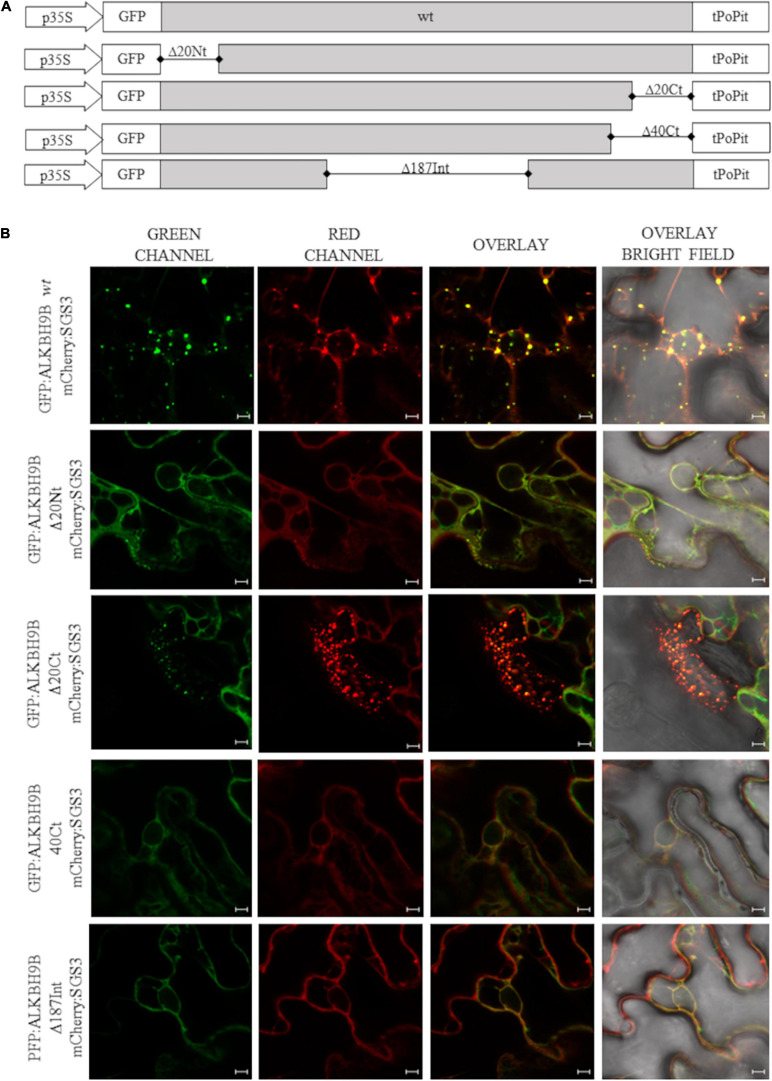
-methyladenosine (mA) modification is a dynamically regulated RNA modification that impacts many cellular processes and pathways. This epitranscriptomic methylation relies on the participation of RNA methyltransferases (referred to as "writers") and demethylases (referred to as "erasers"), respectively. We previously demonstrated that the Arabidopsis thaliana protein ALKBH9B showed mA-demethylase activity and interacted with the coat protein (CP) of alfalfa mosaic virus (AMV), causing a profound impact on the viral infection cycle. To dissect the functional activity of ALKBH9B in AMV infection, we performed a protein-mapping analysis to identify the putative domains required for regulating this process. In this context, the mutational analysis of the protein revealed that the residues between 427 and 467 positions are critical for binding to the AMV RNA. The ALKBH9B amino acid sequence showed intrinsically disordered regions (IDRs) located at the N-terminal part delimiting the internal AlkB-like domain and at the C-terminal part. We identified an RNA binding domain containing an RGxxxRGG motif that overlaps with the C-terminal IDR. Moreover, bimolecular fluorescent experiments allowed us to determine that residues located between 387 and 427 are critical for the interaction with the AMV CP, which should be critical for modulating the viral infection process. Finally, we observed that ALKBH9B deletions of either N-terminal 20 residues or the C-terminal's last 40 amino acids impede their accumulation in siRNA bodies. The involvement of the regions responsible for RNA and viral CP binding and those required for its localization in stress granules in the viral cycle is discussed.
N6-甲基腺苷(mA)修饰是一种动态调控的RNA修饰,影响许多细胞过程和信号通路。这种表观转录组甲基化分别依赖于RNA甲基转移酶(称为“书写器”)和去甲基化酶(称为“擦除器”)的参与。我们之前证明,拟南芥蛋白ALKBH9B具有mA去甲基化酶活性,并与苜蓿花叶病毒(AMV)的外壳蛋白(CP)相互作用,对病毒感染周期产生深远影响。为了剖析ALKBH9B在AMV感染中的功能活性,我们进行了蛋白质图谱分析,以确定调控这一过程所需的假定结构域。在此背景下,对该蛋白的突变分析表明,427至467位之间的残基对于与AMV RNA的结合至关重要。ALKBH9B氨基酸序列在N端界定内部AlkB样结构域的部分以及C端部分显示出内在无序区域(IDR)。我们鉴定出一个包含RGxxxRGG基序的RNA结合结构域,该基序与C端IDR重叠。此外,双分子荧光实验使我们能够确定387至427位之间的残基对于与AMV CP的相互作用至关重要,这对于调节病毒感染过程应该至关重要。最后,我们观察到N端20个残基或C端最后40个氨基酸的ALKBH9B缺失会阻碍它们在小干扰RNA(siRNA)小体中的积累。本文讨论了负责RNA和病毒CP结合的区域以及其在病毒周期中定位到应激颗粒所需区域的作用。