Institute of Clinical Chemistry and Clinical Pharmacology, University Hospital Bonn, Bonn, Germany.
Institute of Immunology, Philipps-University Marburg, Marburg, Germany.
Sci Rep. 2021 Jul 22;11(1):14983. doi: 10.1038/s41598-021-94386-z.
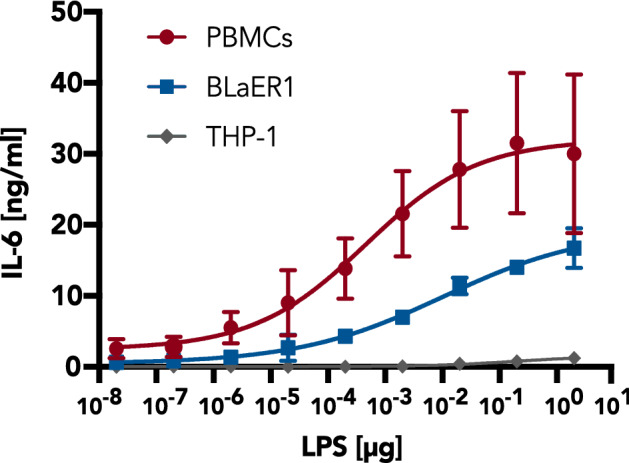
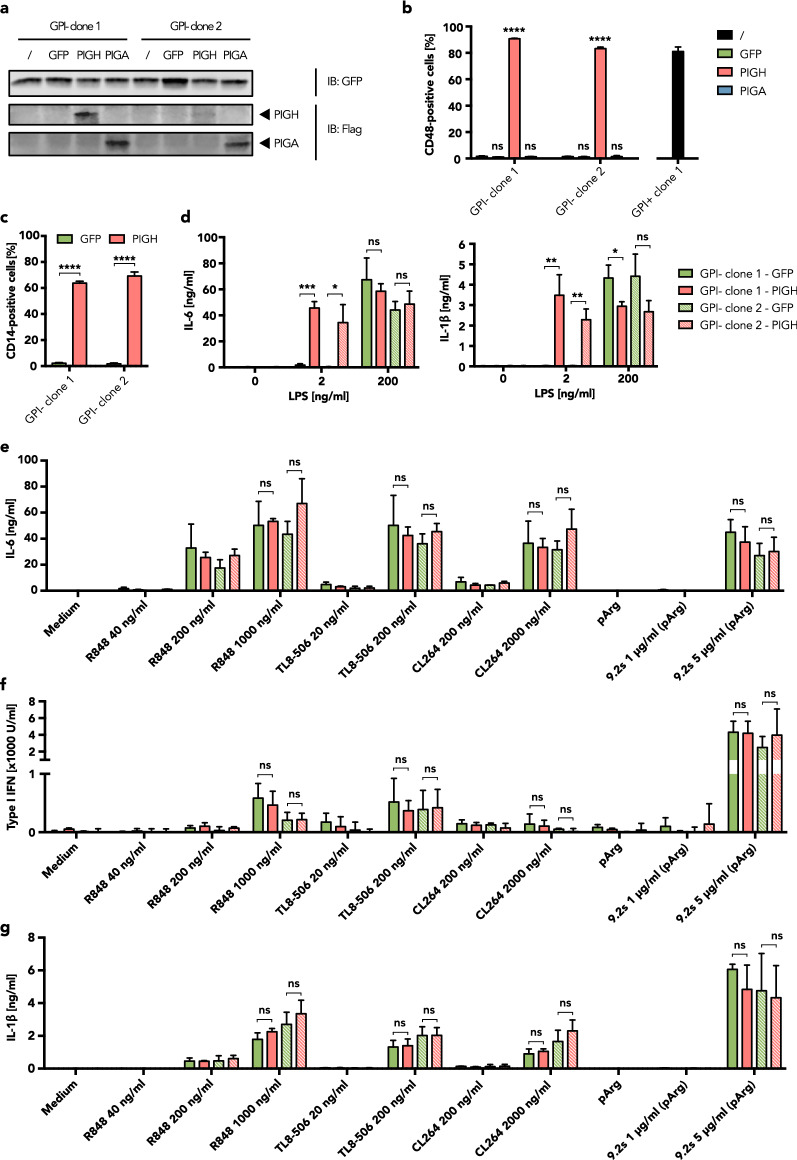
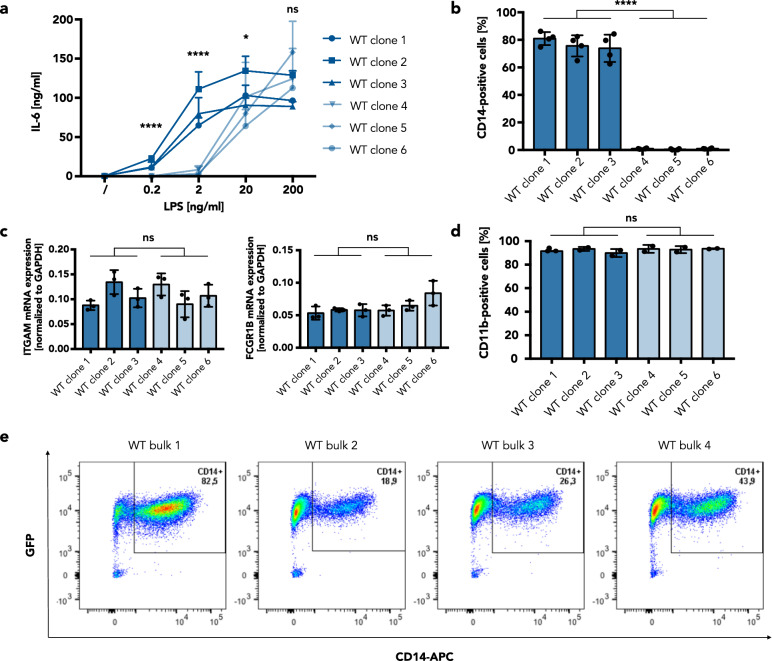
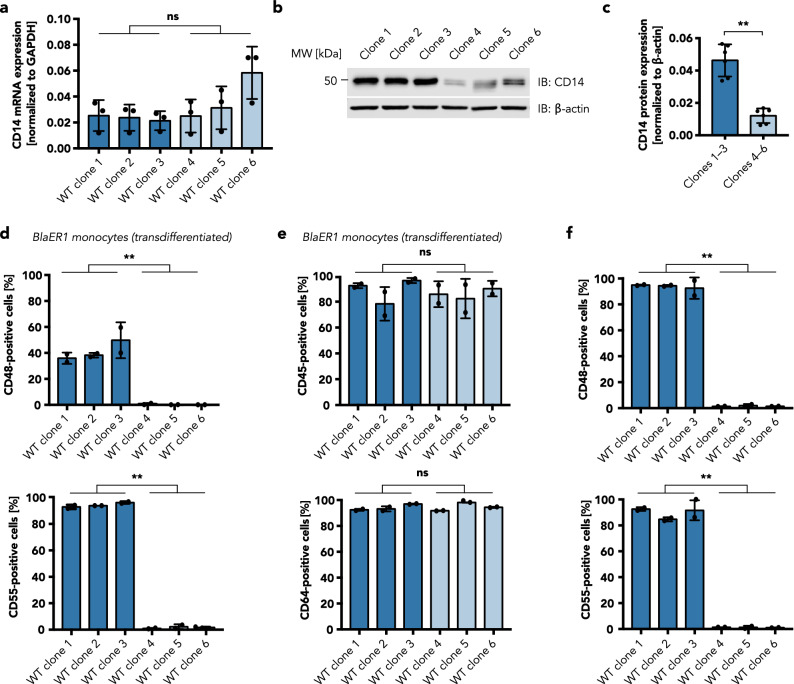
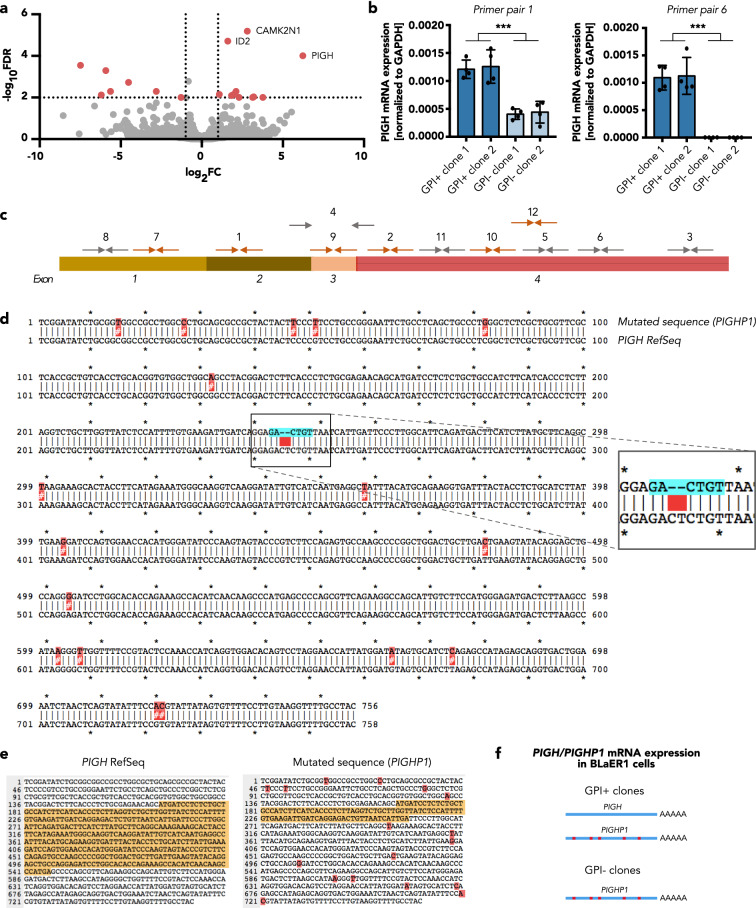
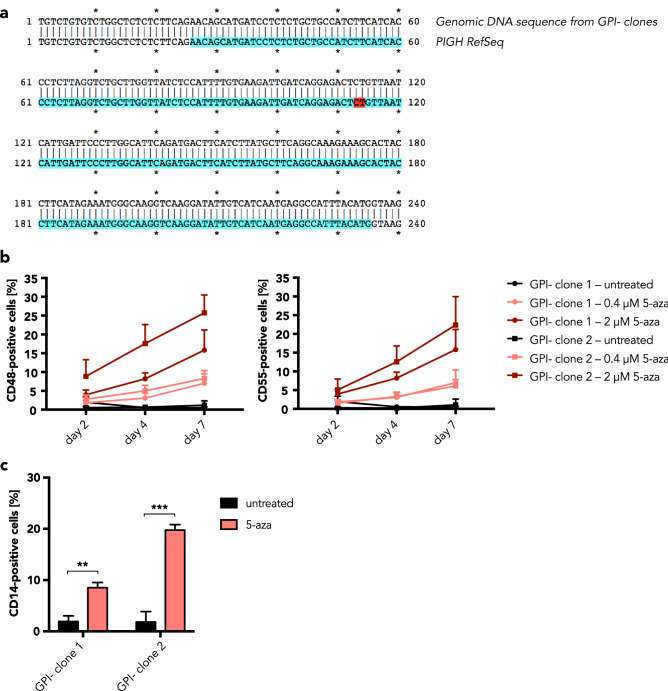
Antigen-presenting myeloid cells like monocytes detect invading pathogens via pattern recognition receptors (PRRs) and initiate adaptive and innate immune responses. As analysis of PRR signaling in primary human monocytes is hampered by their restricted expandability, human monocyte models like THP-1 cells are commonly used for loss-of-function studies, such as with CRISPR-Cas9 editing. A recently developed transdifferentiation cell culture system, BLaER1, enables lineage conversion from malignant B cells to monocytes and was found superior to THP-1 in mimicking PRR signaling, thus being the first model allowing TLR4 and inflammasome pathway analysis. Here, we identified an important caveat when investigating TLR4-driven signaling in BLaER1 cells. We show that this model contains glycosylphosphatidylinositol (GPI) anchor-deficient cells, which lack CD14 surface expression when differentiated to monocytes, resulting in diminished LPS/TLR4 but not TLR7/TLR8 responsiveness. This GPI anchor defect is caused by epigenetic silencing of PIGH, leading to a random distribution of intact and PIGH-deficient clones after single-cell cloning. Overexpressing PIGH restored GPI-anchored protein (including CD14) expression and LPS responsiveness. When studying CD14- or other GPI-anchored protein-dependent pathways, researchers should consider this anomaly and ensure equal GPI-anchored protein expression when comparing cells that have undergone single-cell cloning, e. g. after CRISPR-Cas9 editing.
抗原呈递髓系细胞(如单核细胞)通过模式识别受体(PRRs)检测入侵病原体,并启动适应性和固有免疫反应。由于原代人单核细胞中 PRR 信号的分析受到其有限的扩增能力的阻碍,因此通常使用 THP-1 细胞等人类单核细胞模型进行功能丧失研究,例如使用 CRISPR-Cas9 编辑。最近开发的转分化细胞培养系统 BLaER1 能够从恶性 B 细胞向单核细胞转化,并且在模拟 PRR 信号方面优于 THP-1,因此是第一个允许 TLR4 和炎性小体途径分析的模型。在这里,我们在研究 BLaER1 细胞中 TLR4 驱动的信号转导时发现了一个重要的注意事项。我们表明,该模型包含糖基磷脂酰肌醇(GPI)锚缺失细胞,当分化为单核细胞时,这些细胞缺乏 CD14 表面表达,导致 LPS/TLR4 但不 TLR7/TLR8 反应性降低。这种 GPI 锚缺陷是由 PIGH 的表观遗传沉默引起的,导致单细胞克隆后完整和 PIGH 缺陷克隆的随机分布。过表达 PIGH 恢复了 GPI 锚定蛋白(包括 CD14)的表达和 LPS 反应性。当研究 CD14 或其他 GPI 锚定蛋白依赖性途径时,研究人员应考虑到这种异常,并确保在比较已经进行单细胞克隆的细胞时,具有相等的 GPI 锚定蛋白表达,例如在 CRISPR-Cas9 编辑之后。