Department of Neuroradiology, Heidelberg University Hospital, INF 400, 69120, Heidelberg, Germany.
Neuroradiology, Alfried-Krupp-Krankenhaus Rüttenscheid, Essen, Germany.
Clin Neuroradiol. 2022 Mar;32(1):25-38. doi: 10.1007/s00062-021-01066-6. Epub 2021 Jul 29.
Endovascular embolization is an effective treatment option for cerebral arteriovenous malformations (AVMs) and dural arteriovenous fistulas (DAVFs). A variety of liquid embolic agents have been and are currently used for embolization of AVMs and DAVFs. Knowledge of the special properties of the agent which is used is crucial for an effective and safe embolization procedure.
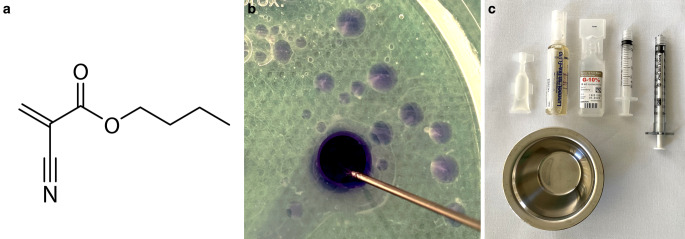
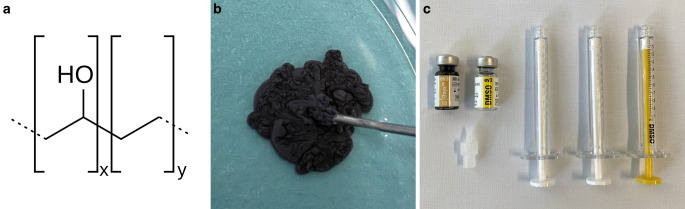
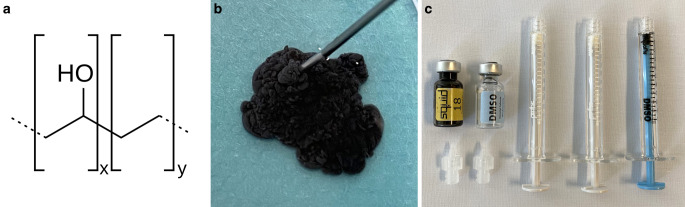
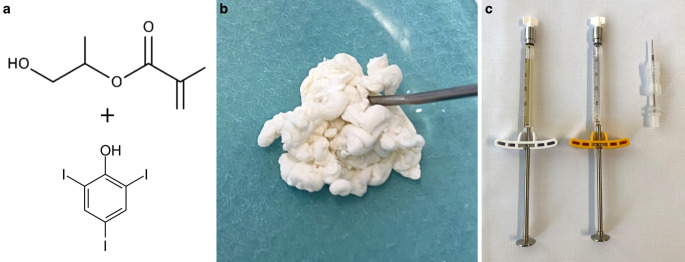
This article describes the properties and indications of the liquid embolic agents which are currently available: cyanoacrylates (also called glues), and the copolymers Onyx, Squid and PHIL, as well as their respective subtypes.
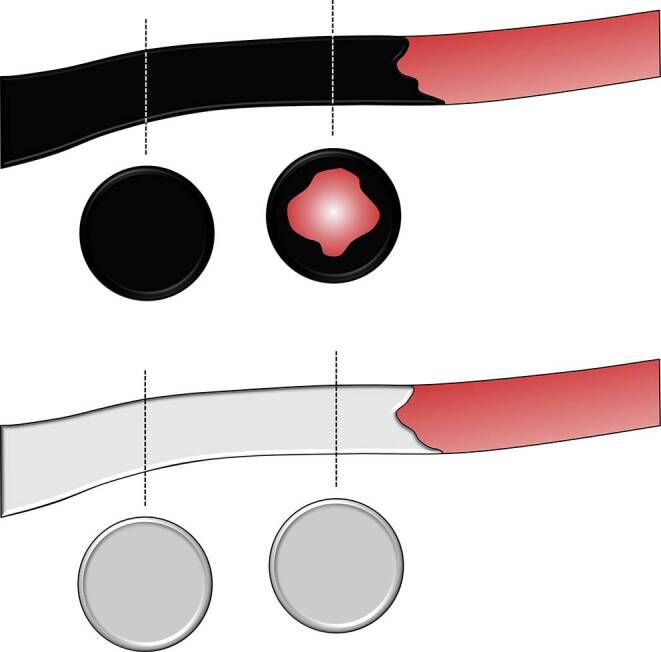
Cyanoacrylates were the predominantly used agents in the 1980s and 1990s. They are currently still used in specific situations, for example for the occlusion of macro-shunts, for the pressure cooker technique or in cases in which microcatheters are used that are not compatible with dimethyl-sulfoxide. The first broadly used copolymer-based embolic agent Onyx benefits from a large amount of available experience and data, which demonstrated its safety and efficacy in the treatment of cerebral vascular malformations, while its drawbacks include temporary loss of visibility during longer injections and artifacts in cross-sectional imaging. The more recently introduced agents Squid and PHIL aim to overcome these shortcomings and to improve the success rate of endovascular embolization. Novelties of these newer agents with potential advantages include extra-low viscosity versions, more stable visibility, and a lower degree of imaging artifacts.
All the available liquid embolic agents feature specific potential advantages and disadvantages over each other. The choice of the most appropriate embolic agent must be made based on the specific material characteristics of the agent, related to the specific anatomical characteristics of the target pathology.
血管内栓塞是治疗脑动静脉畸形(AVM)和硬脑膜动静脉瘘(DAVF)的有效治疗选择。目前有多种液体栓塞剂可用于栓塞 AVM 和 DAVF。了解所使用的栓塞剂的特殊性能对于有效的、安全的栓塞程序至关重要。
本文描述了目前可用的液体栓塞剂的特性和适应证:氰基丙烯酸酯(也称为胶水),以及共聚体 Onyx、Squid 和 PHIL,以及它们各自的亚型。
氰基丙烯酸酯在 20 世纪 80 年代和 90 年代被广泛使用。它们目前仍在特定情况下使用,例如闭塞大分流、高压锅技术或在不兼容二甲基亚砜的微导管使用的情况下使用。第一种广泛使用的基于共聚体的栓塞剂 Onyx 得益于大量的现有经验和数据,这些数据证明了其在治疗脑血管畸形中的安全性和有效性,但其缺点包括在较长时间的注射过程中暂时失去可见性和在横截面成像中的伪影。最近推出的 Squid 和 PHIL 旨在克服这些缺点,提高血管内栓塞的成功率。这些新型、具有潜在优势的新型药物的特点包括超低粘度版本、更稳定的可见度和较低程度的成像伪影。
所有可用的液体栓塞剂彼此之间都有特定的潜在优缺点。最适合的栓塞剂的选择必须基于栓塞剂的特定材料特性,与目标病变的特定解剖学特征相关。