Institute of Rheumatology and Immunology, Affiliated Hospital of North Sichuan Medical College, Nanchong, China.
Biology Group of Preclinical School of North SiChuan Medical College, Nanchong, China.
Front Immunol. 2021 Jul 16;12:675534. doi: 10.3389/fimmu.2021.675534. eCollection 2021.
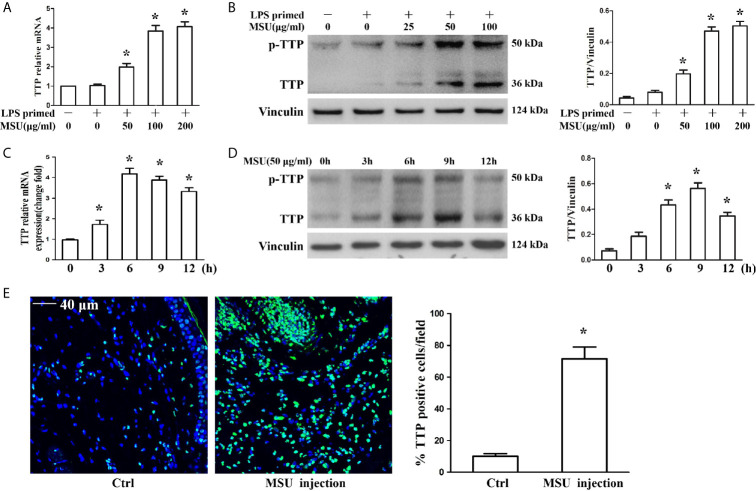
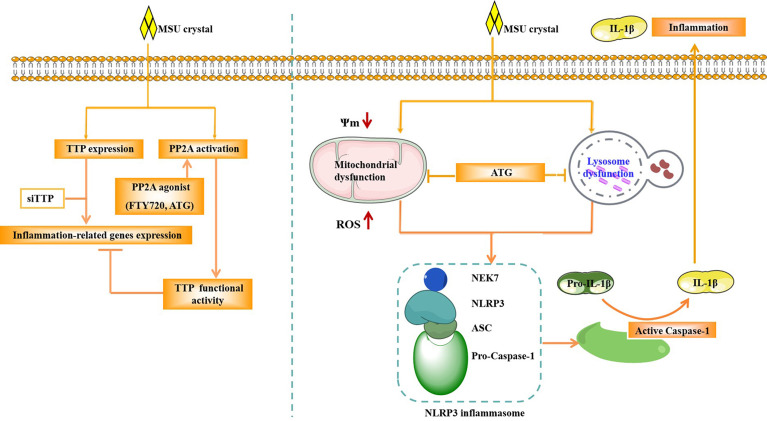
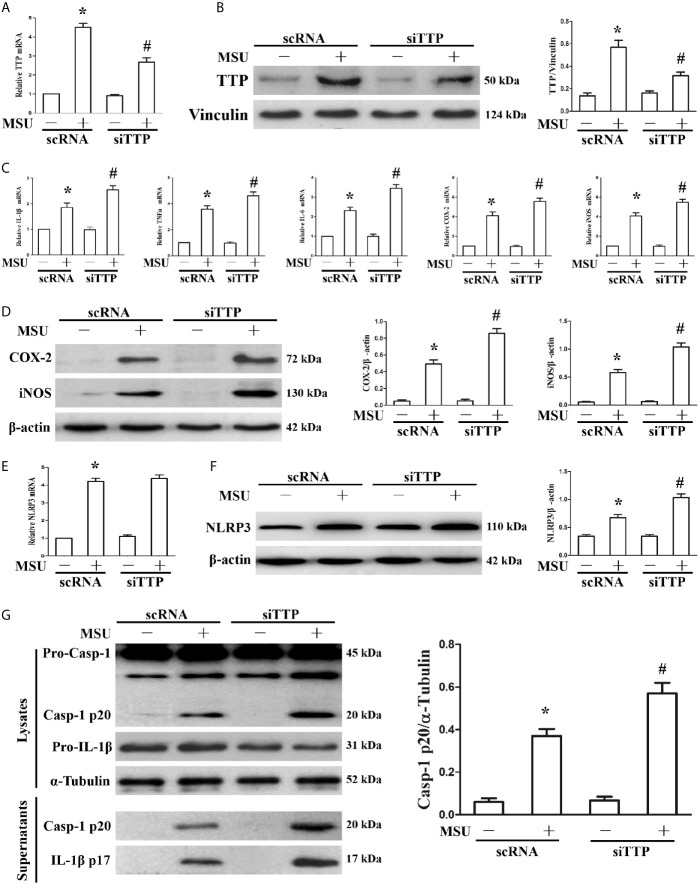
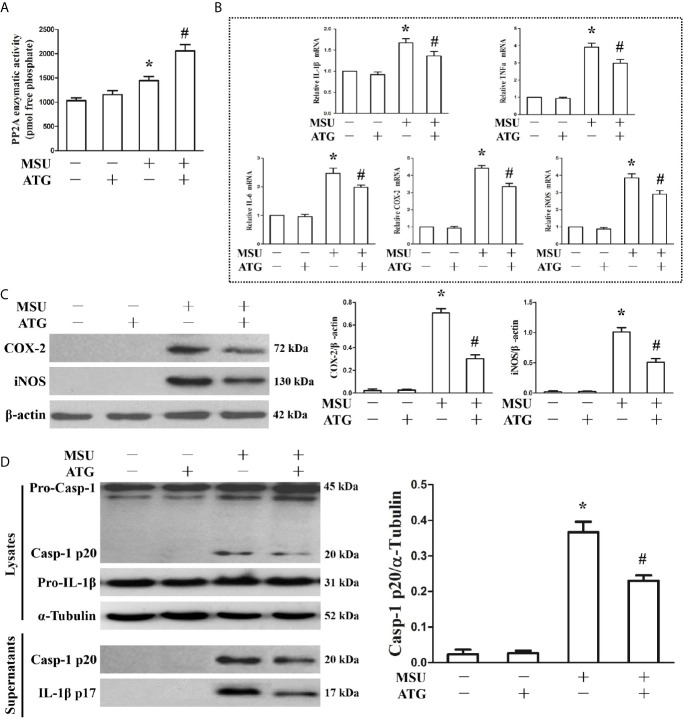
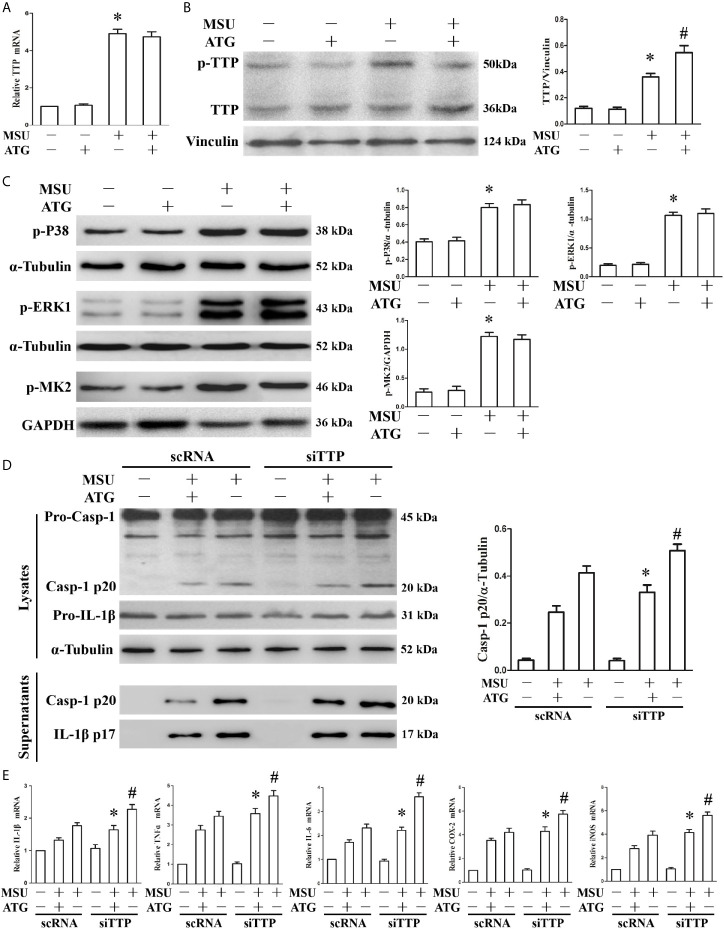
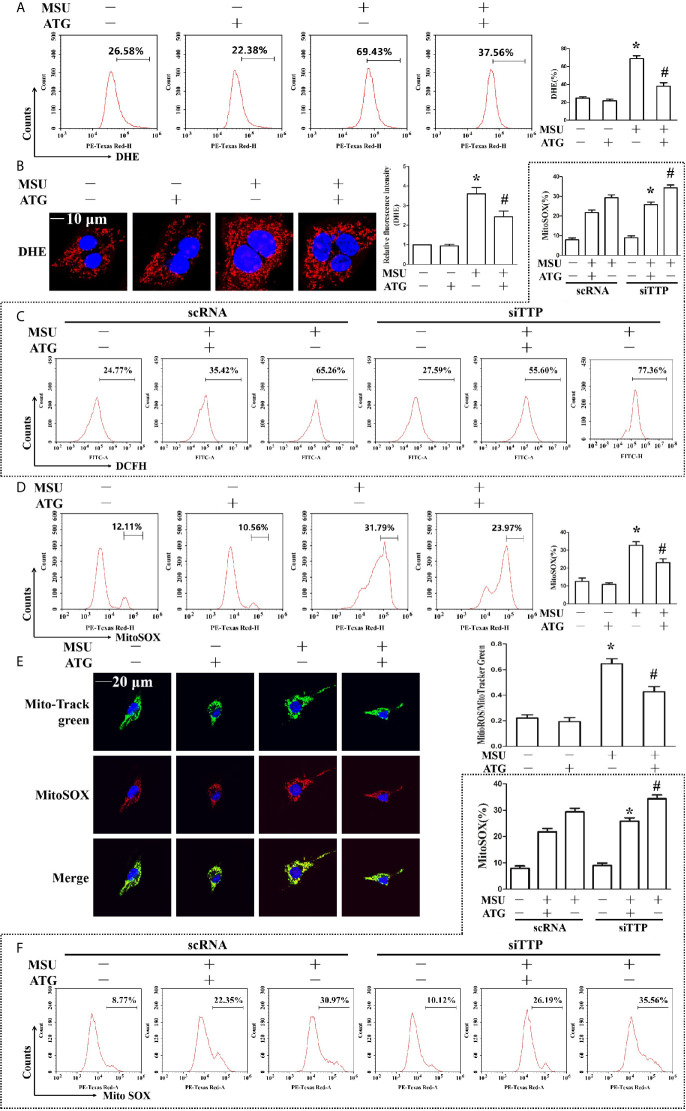
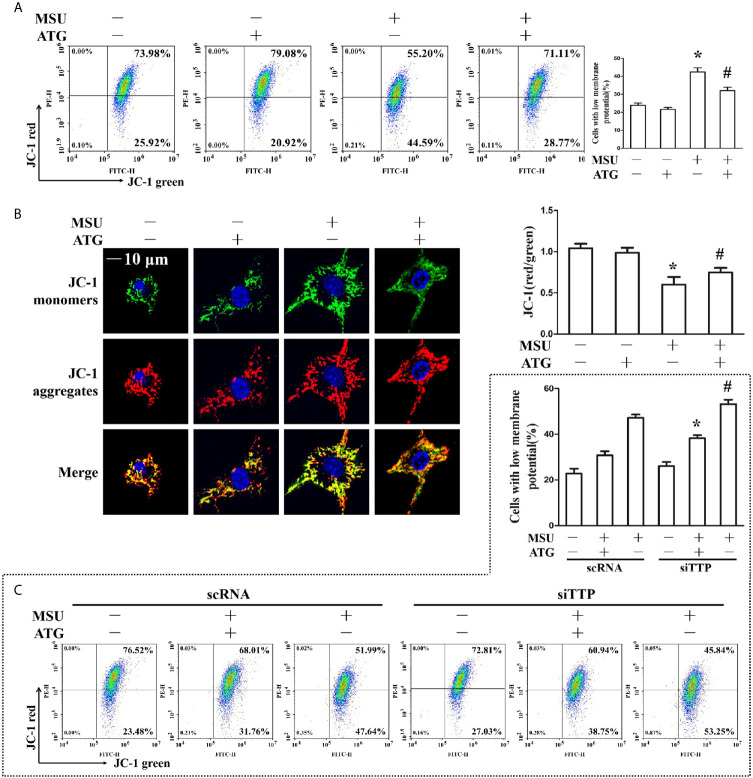
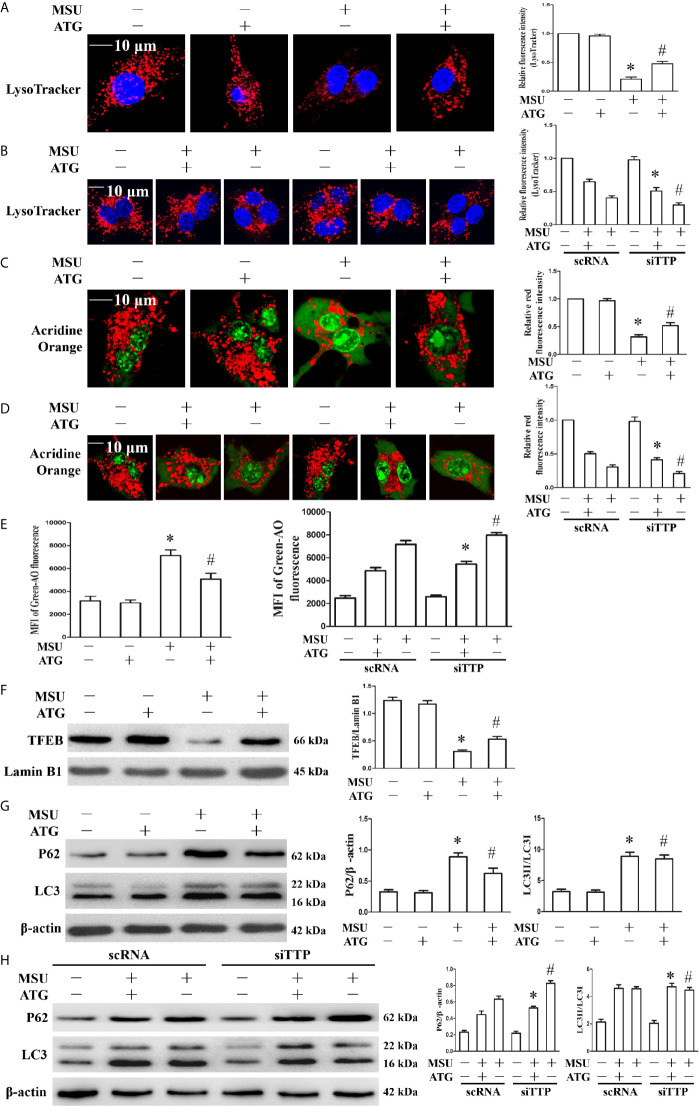
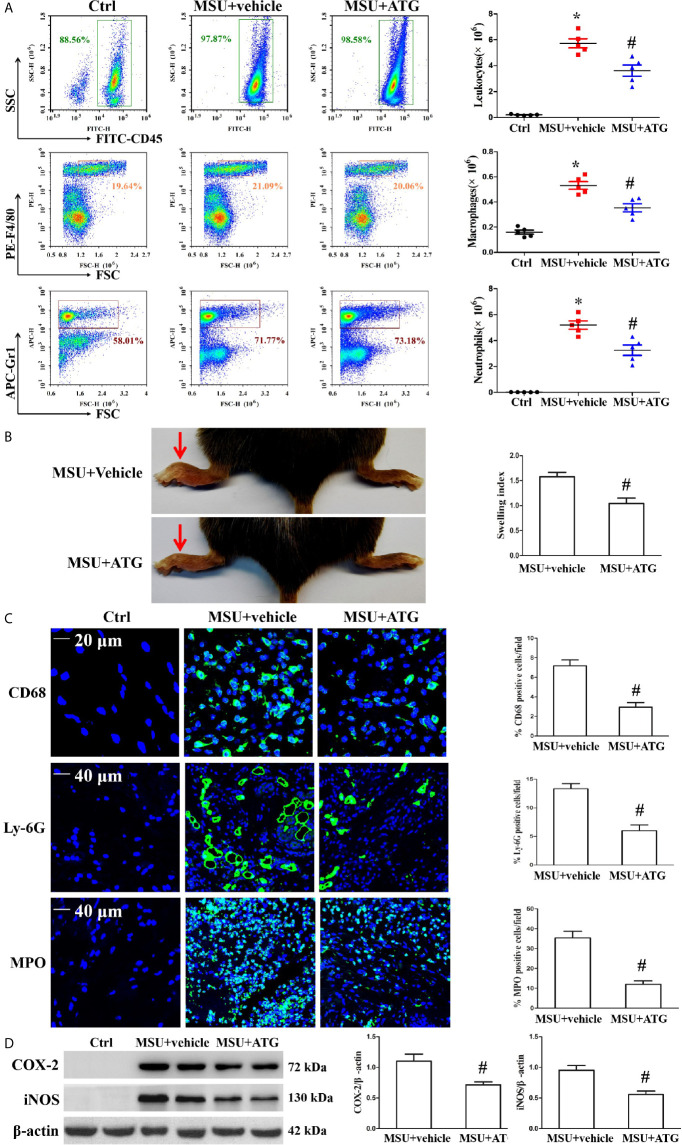
The RNA-binding protein tristetraprolin (TTP) is an anti-inflammatory factor that prompts the mRNA decay of target mRNAs and is involved in inflammatory diseases such as rheumatoid arthritis (RA). TTP is regulated by phosphorylation, and protein phosphatase 2A (PP2A) can dephosphorylate TTP to activate its mRNA-degrading function. Some small molecules can enhance PP2A activation. Short interfering RNA (siRNA) targeting TTP expression or PP2A agonist (Arctigenin) was administered to monosodium urate (MSU) crystal-induced J774A.1 cells, and the expression of inflammatory related genes was detected by RT-PCR and Western blot assays. The effects of Arctigenin in mouse models of acute inflammation induced by MSU crystals, including peritonitis and arthritis, were evaluated. The data indicated that TTP expression levels and endogenous PP2A activity were increased in MSU-crystal treated J774A.1 cells. TTP knockdown exacerbated inflammation-related genes expression and NLRP3 inflammasome activation. However, PP2A agonist treatment (Arctigenin) suppressed MSU crystal-induced inflammation in J774A.1 cells. Arctigenin also relieved mitochondrial reactive oxygen species (mtROS) production and improved lysosomal membrane permeability in MSU crystal-treated J774A.1 cells. Moreover, TTP knockdown reversed the anti-inflammatory and antioxidant effects of Arctigenin. Oral administration of Arctigenin significantly alleviated foot pad swelling, the number of inflammatory cells in peritoneal lavage fluids and the production of IL-1β in the mouse model of inflammation induced by MSU crystals. Collectively, these data imply that targeting TTP expression or functional activity may provide a potential therapeutic strategy for inflammation caused by MSU crystals.
RNA 结合蛋白 tristetraprolin(TTP)是一种抗炎因子,可促进靶 mRNA 的降解,并参与类风湿关节炎(RA)等炎症性疾病。TTP 受磷酸化调节,蛋白磷酸酶 2A(PP2A)可使 TTP 去磷酸化以激活其 mRNA 降解功能。一些小分子可以增强 PP2A 的激活。用 TTP 表达的短发夹 RNA(siRNA)或 PP2A 激动剂(牛蒡苷)处理单钠尿酸盐(MSU)晶体诱导的 J774A.1 细胞,通过 RT-PCR 和 Western blot 检测炎症相关基因的表达。评估了牛蒡苷在 MSU 晶体诱导的急性炎症小鼠模型(包括腹膜炎和关节炎)中的作用。数据表明,MSU 晶体处理的 J774A.1 细胞中 TTP 表达水平和内源性 PP2A 活性增加。TTP 敲低加剧了炎症相关基因的表达和 NLRP3 炎性体的激活。然而,PP2A 激动剂(牛蒡苷)处理抑制了 J774A.1 细胞中 MSU 晶体诱导的炎症。牛蒡苷还缓解了 MSU 晶体处理的 J774A.1 细胞中线粒体活性氧(mtROS)的产生和溶酶体膜通透性。此外,TTP 敲低逆转了牛蒡苷的抗炎和抗氧化作用。牛蒡苷的口服给药显著减轻了 MSU 晶体诱导的炎症小鼠模型中足垫肿胀、腹腔灌洗液中炎症细胞的数量和 IL-1β 的产生。综上所述,这些数据表明靶向 TTP 表达或功能活性可能为 MSU 晶体引起的炎症提供一种潜在的治疗策略。