Yu Xiaoyu, Zhang Pu, He Yi, Lin Emily, Ai Huiwang, Ramasubramanian Melur K, Wang Yong, Xing Yuan, Oberholzer José
Department of Surgery, University of Virginia, Charlottesville, VA, United States.
Department of Mechanical and Aerospace Engineering, University of Virginia, Charlottesville, VA, United States.
Front Bioeng Biotechnol. 2021 Jul 19;9:692686. doi: 10.3389/fbioe.2021.692686. eCollection 2021.
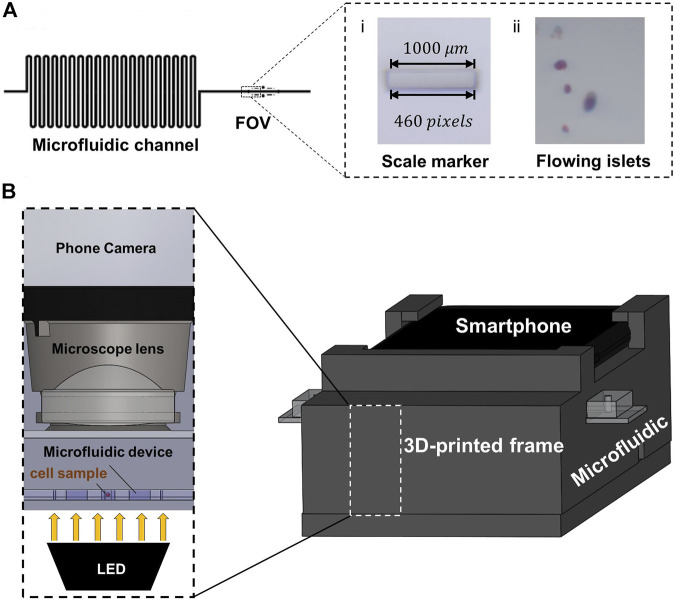
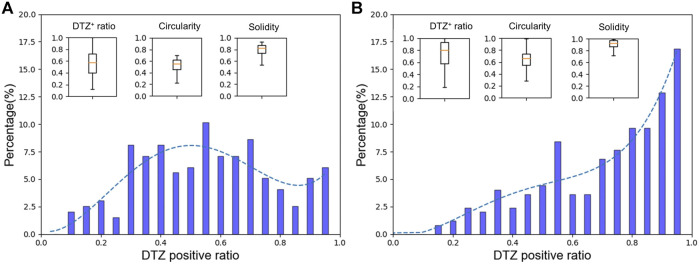
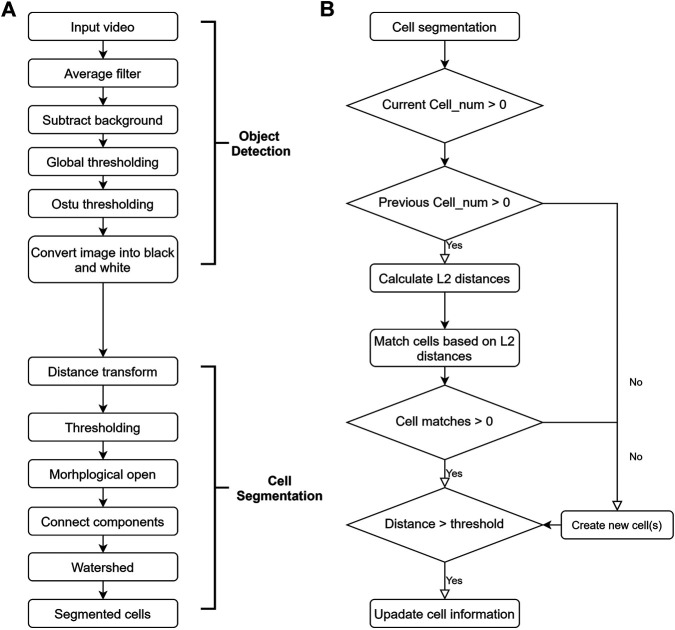
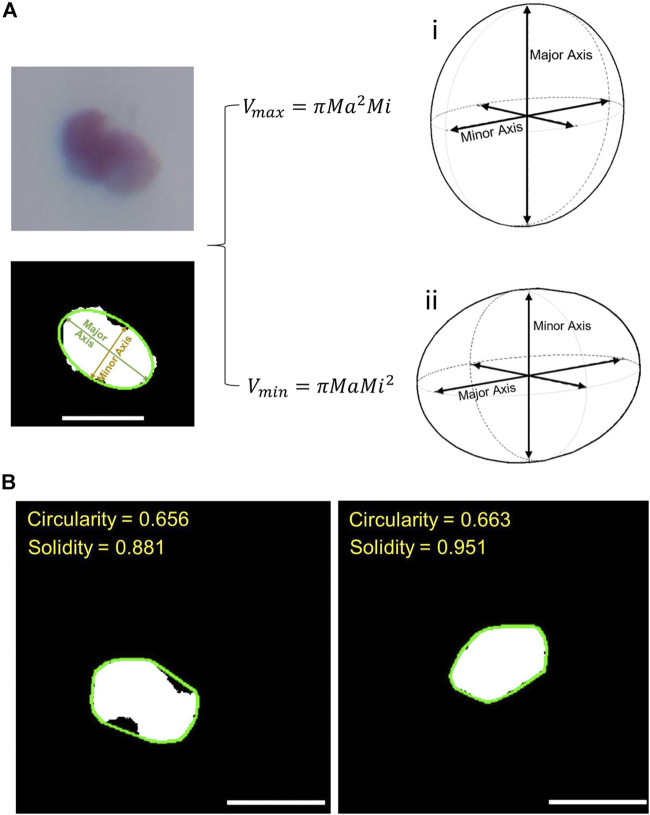
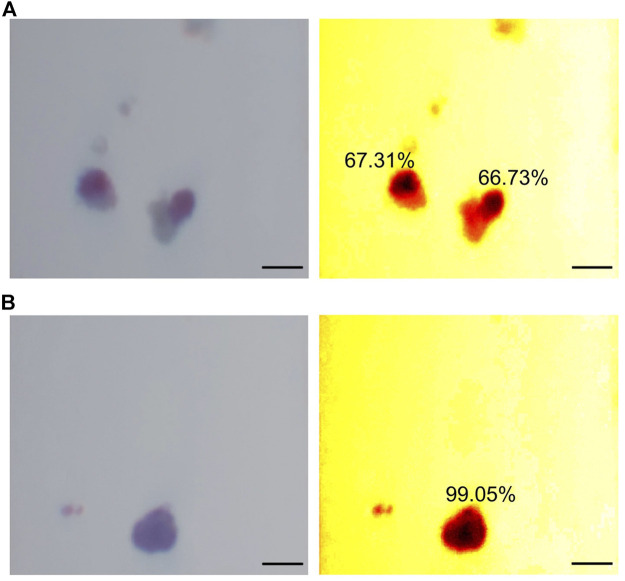
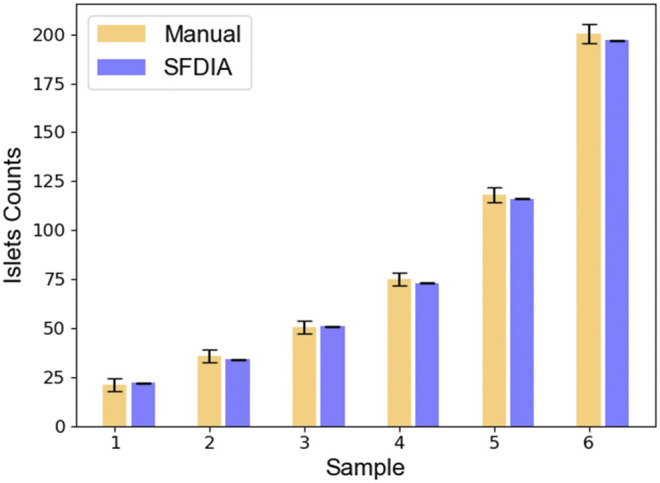
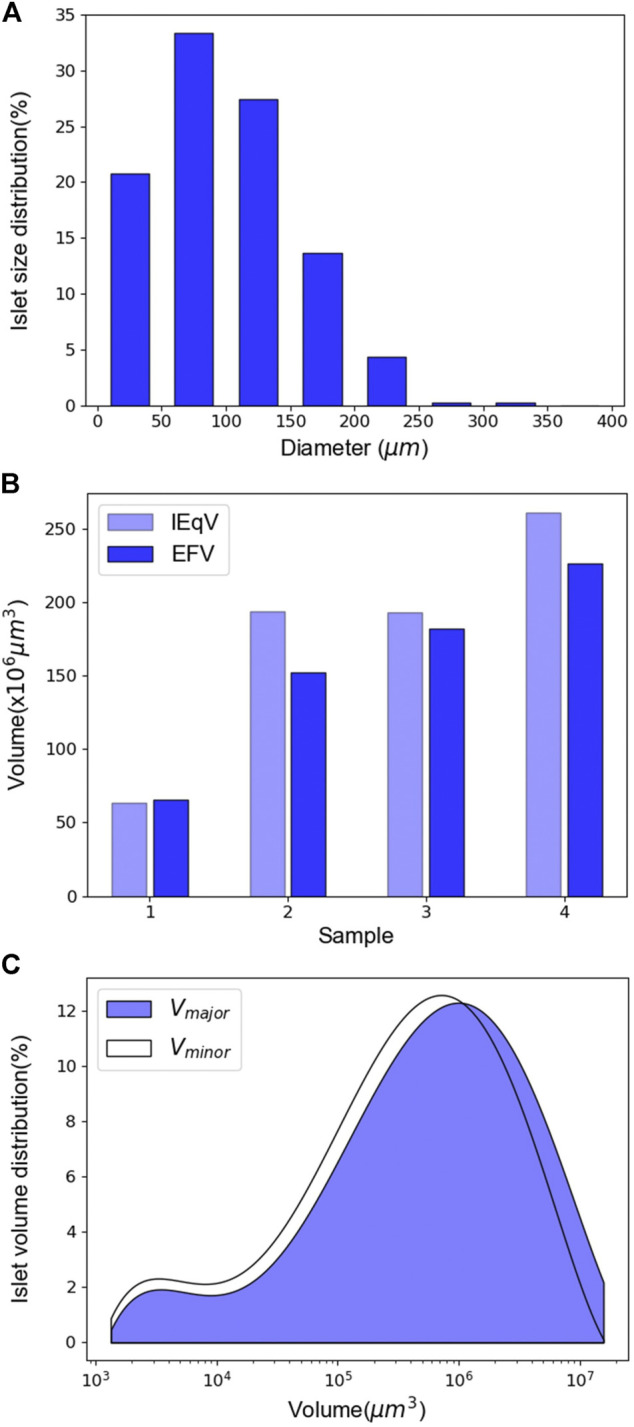
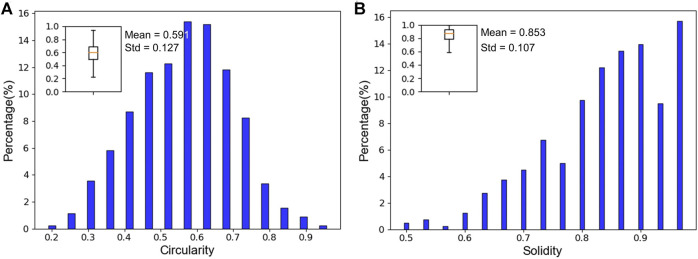
Islet beta-cell viability, function, and mass are three decisive attributes that determine the efficacy of human islet transplantation for type 1 diabetes mellitus (T1DM) patients. Islet mass is commonly assessed manually, which often leads to error and bias. Digital imaging analysis (DIA) system has shown its potential as an alternative, but it has some associated limitations. In this study, a Smartphone-Fluidic Digital Imaging Analysis (SFDIA) System, which incorporates microfluidic techniques and Python-based video processing software, was developed for islet mass assessment. We quantified islets by tracking multiple moving islets in a microfluidic channel using the SFDIA system, and we achieved a relatively consistent result. The counts from the SFDIA and manual counting showed an average difference of 2.91 ± 1.50%. Furthermore, our software can analyze and extract key human islet mass parameters, including quantity, size, volume, IEq, morphology, and purity, which are not fully obtainable from traditional manual counting methods. Using SFDIA on a representative islet sample, we measured an average diameter of 99.88 ± 53.91 µm, an average circularity of 0.591 ± 0.133, and an average solidity of 0.853 ± 0.107. analysis of dithizone-stained islets using SFDIA, we found that a higher islet tissue percentage is associated with top-layer islets as opposed to middle-layer islets (0.735 ± 0.213 and 0.576 ± 0.223, respectively). Our results indicate that the SFDIA system can potentially be used as a multi-parameter islet mass assay that is superior in accuracy and consistency, when compared to conventional manual techniques.
胰岛β细胞的活力、功能和数量是决定1型糖尿病(T1DM)患者胰岛移植疗效的三个决定性因素。胰岛数量通常通过人工评估,这常常导致误差和偏差。数字成像分析(DIA)系统已显示出其作为一种替代方法的潜力,但它也有一些相关的局限性。在本研究中,开发了一种结合微流控技术和基于Python的视频处理软件的智能手机-微流控数字成像分析(SFDIA)系统,用于评估胰岛数量。我们使用SFDIA系统通过跟踪微流控通道中多个移动的胰岛来对胰岛进行定量,并且我们获得了相对一致的结果。SFDIA计数与人工计数的平均差异为2.91±1.50%。此外,我们的软件可以分析和提取关键的人类胰岛数量参数,包括数量、大小、体积、胰岛当量、形态和纯度,而这些参数是传统人工计数方法无法完全获得的。在一个具有代表性的胰岛样本上使用SFDIA,我们测得平均直径为99.88±53.91 µm,平均圆形度为0.591±0.133,平均紧实度为0.853±0.107。使用SFDIA对双硫腙染色的胰岛进行分析,我们发现较高的胰岛组织百分比与上层胰岛相关,而不是中层胰岛(分别为0.735±0.213和0.576±0.223)。我们的结果表明,与传统的人工技术相比,SFDIA系统有可能用作一种在准确性和一致性方面更优越的多参数胰岛数量检测方法。