Mann Gagandeep, Mora Stephen, Madu Glory, Adegoke Olasunkanmi A J
Muscle Health Research Centre, School of Kinesiology and Health Science, York University, Toronto, ON, Canada.
Front Physiol. 2021 Jul 20;12:702826. doi: 10.3389/fphys.2021.702826. eCollection 2021.
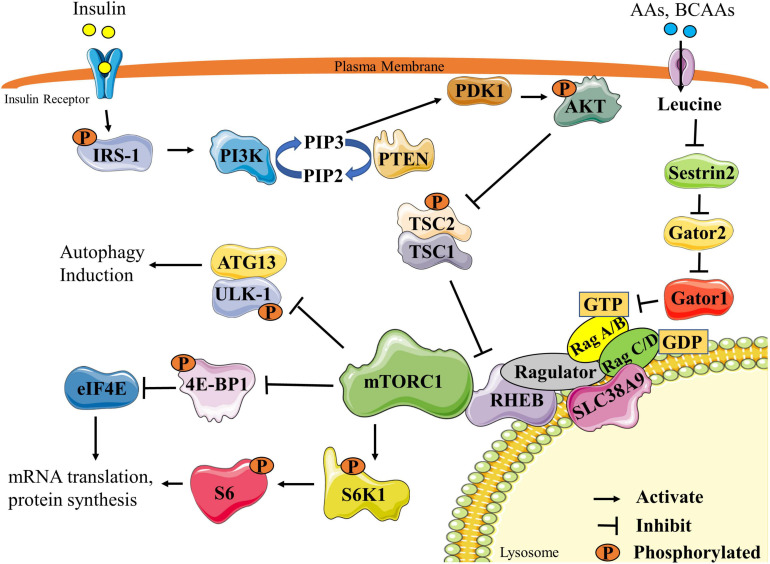
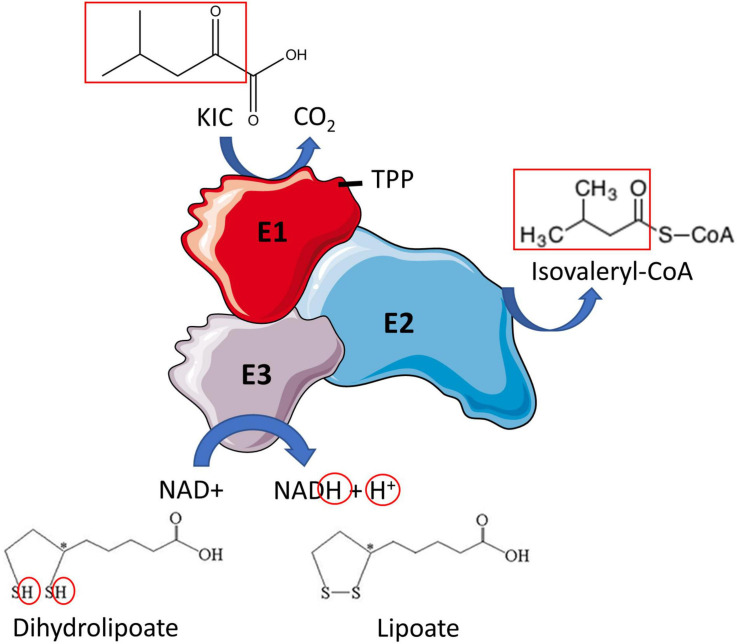
Branched-chain amino acids (BCAAs) are critical for skeletal muscle and whole-body anabolism and energy homeostasis. They also serve as signaling molecules, for example, being able to activate mammalian/mechanistic target of rapamycin complex 1 (mTORC1). This has implication for macronutrient metabolism. However, elevated circulating levels of BCAAs and of their ketoacids as well as impaired catabolism of these amino acids (AAs) are implicated in the development of insulin resistance and its sequelae, including type 2 diabetes, cardiovascular disease, and of some cancers, although other studies indicate supplements of these AAs may help in the management of some chronic diseases. Here, we first reviewed the catabolism of these AAs especially in skeletal muscle as this tissue contributes the most to whole body disposal of the BCAA. We then reviewed emerging mechanisms of control of enzymes involved in regulating BCAA catabolism. Such mechanisms include regulation of their abundance by microRNA and by post translational modifications such as phosphorylation, acetylation, and ubiquitination. We also reviewed implications of impaired metabolism of BCAA for muscle and whole-body metabolism. We comment on outstanding questions in the regulation of catabolism of these AAs, including regulation of the abundance and post-transcriptional/post-translational modification of enzymes that regulate BCAA catabolism, as well the impact of circadian rhythm, age and mTORC1 on these enzymes. Answers to such questions may facilitate emergence of treatment/management options that can help patients suffering from chronic diseases linked to impaired metabolism of the BCAAs.
支链氨基酸(BCAAs)对骨骼肌和全身合成代谢以及能量稳态至关重要。它们还作为信号分子,例如能够激活哺乳动物/雷帕霉素复合物1(mTORC1)的机制靶点。这对常量营养素代谢有影响。然而,循环中BCAAs及其酮酸水平升高以及这些氨基酸(AAs)的分解代谢受损与胰岛素抵抗及其后遗症的发生有关,包括2型糖尿病、心血管疾病和某些癌症,尽管其他研究表明补充这些氨基酸可能有助于管理某些慢性疾病。在这里,我们首先回顾了这些氨基酸的分解代谢,特别是在骨骼肌中的分解代谢,因为该组织对BCAA的全身处理贡献最大。然后,我们回顾了参与调节BCAA分解代谢的酶的新兴控制机制。这些机制包括通过微小RNA以及磷酸化、乙酰化和泛素化等翻译后修饰对其丰度的调节。我们还回顾了BCAA代谢受损对肌肉和全身代谢的影响。我们对这些氨基酸分解代谢调节中的突出问题进行了评论,包括调节BCAA分解代谢的酶的丰度和转录后/翻译后修饰,以及昼夜节律、年龄和mTORC1对这些酶的影响。对这些问题的回答可能有助于出现治疗/管理方案,以帮助患有与BCAAs代谢受损相关的慢性疾病的患者。