Federal Research Center "Pushchino Scientific Center for Biological Research of the Russian Academy of Sciences", Institute of Cell Biophysics of the Russian Academy of Sciences, 3 Institutskaya St., 142290 Pushchino, Russia.
Prokhorov General Physics Institute of the Russian Academy of Sciences, 38 Vavilove St., 119991 Moscow, Russia.
Int J Mol Sci. 2021 Jul 21;22(15):7798. doi: 10.3390/ijms22157798.
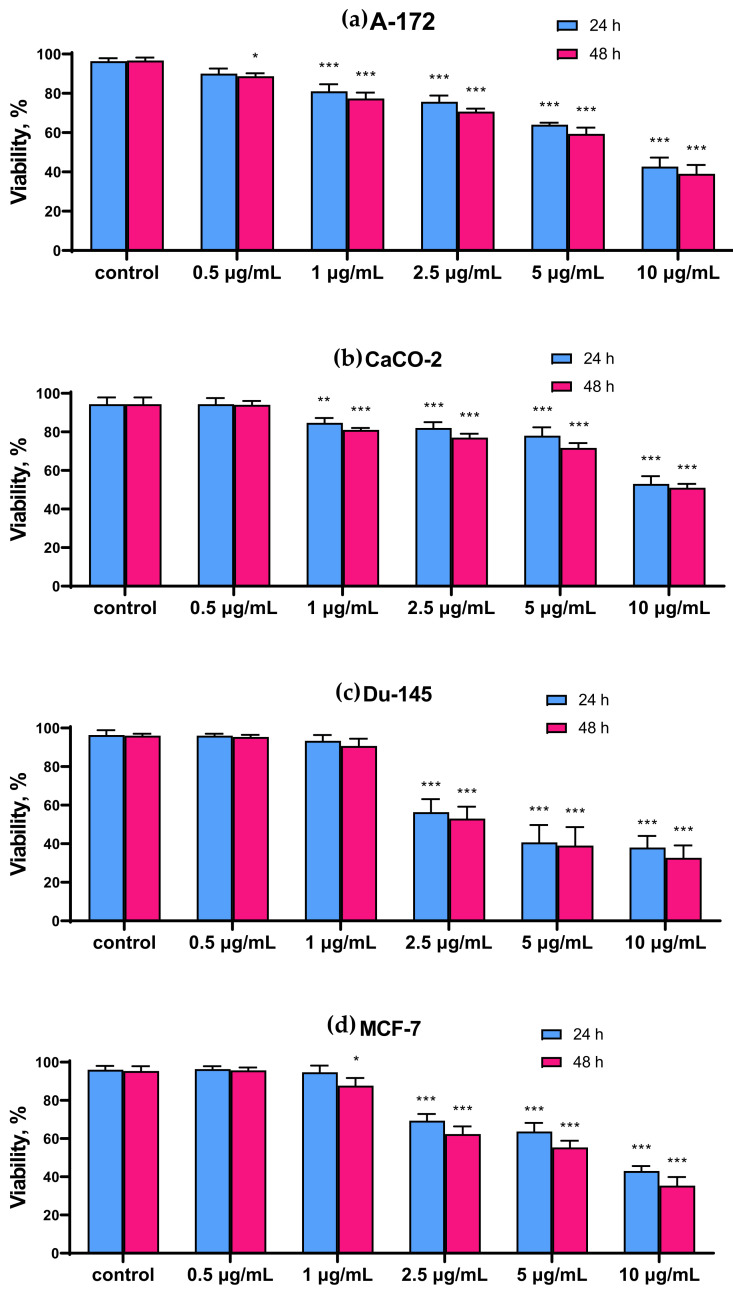
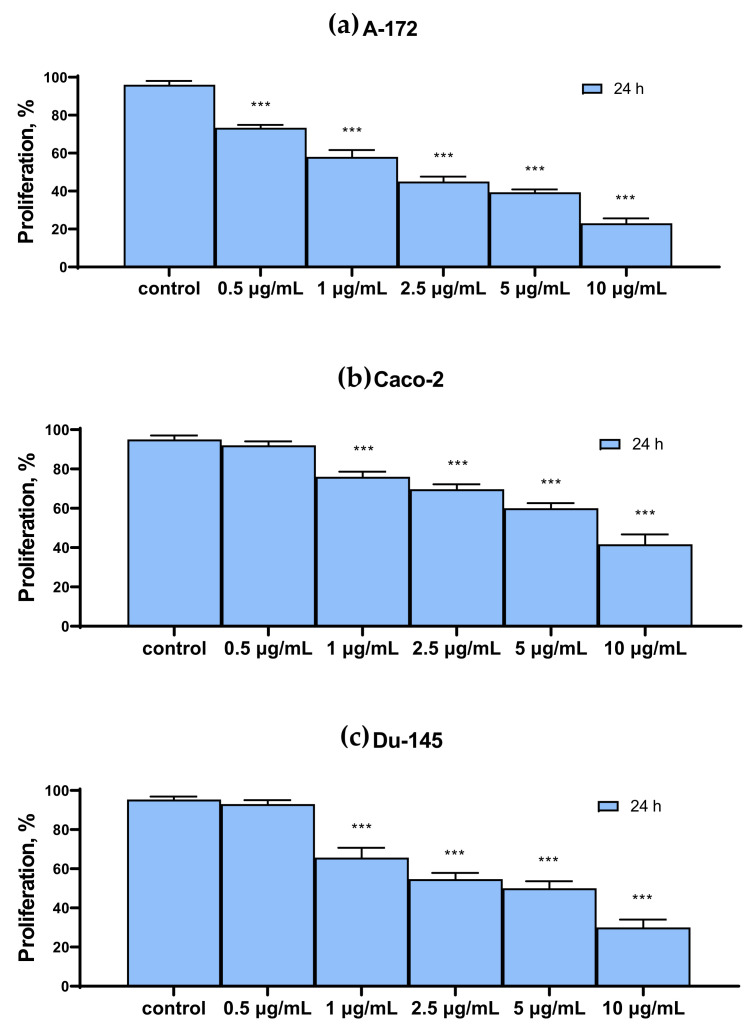
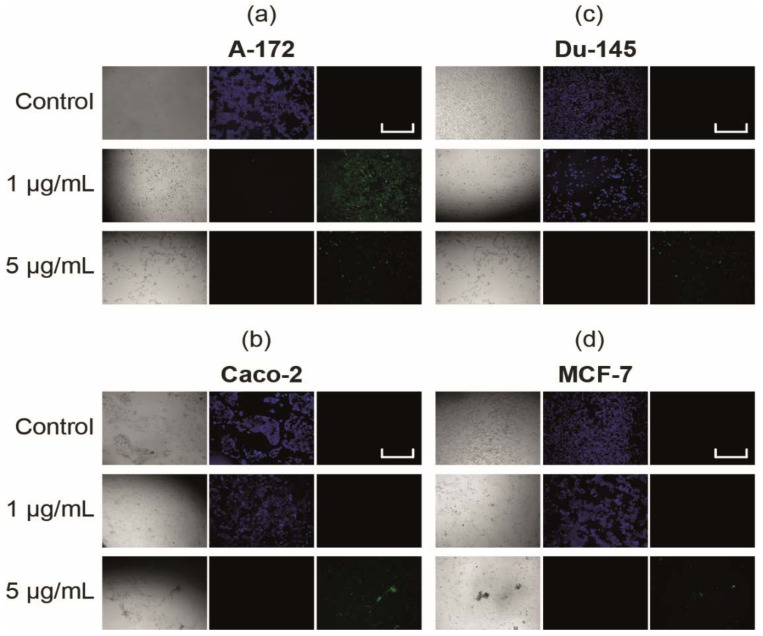
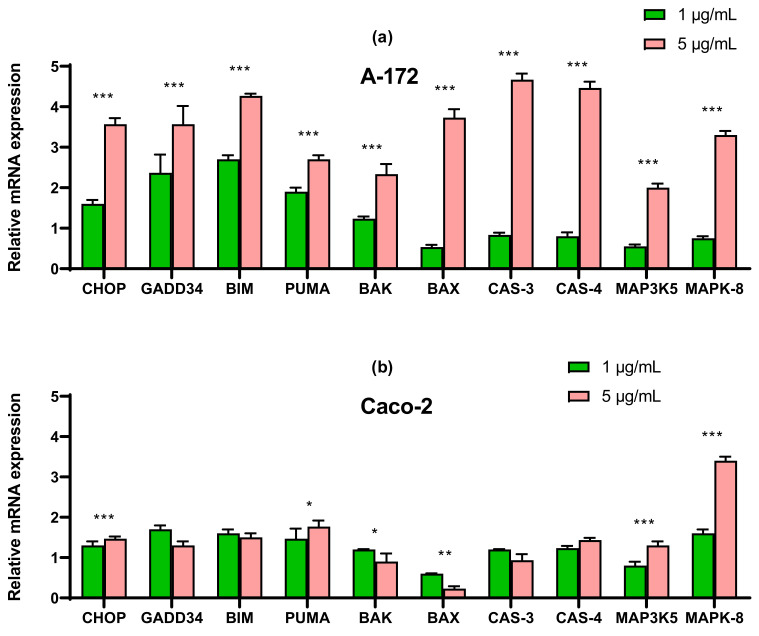
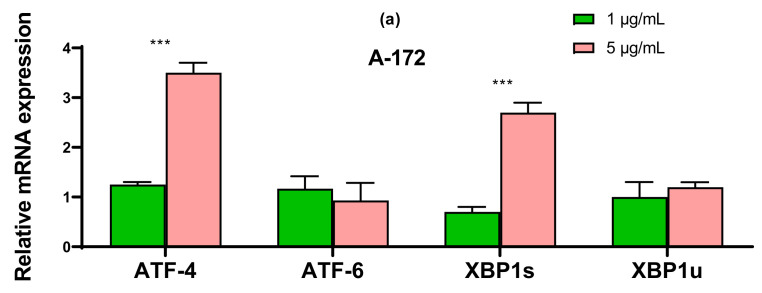
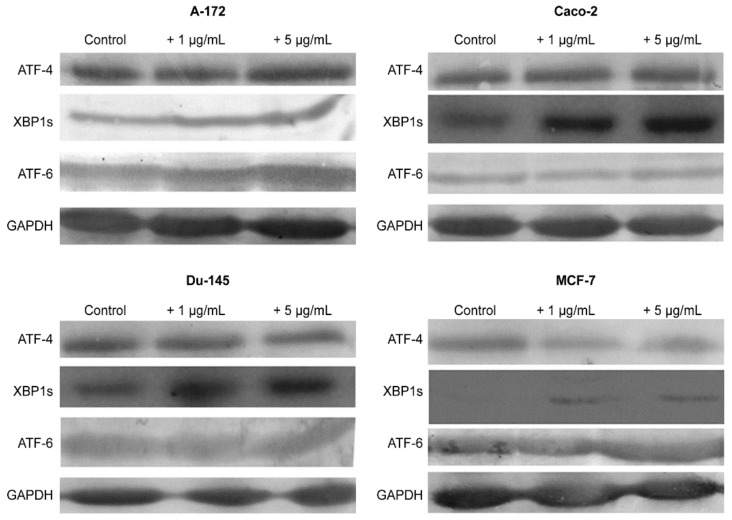
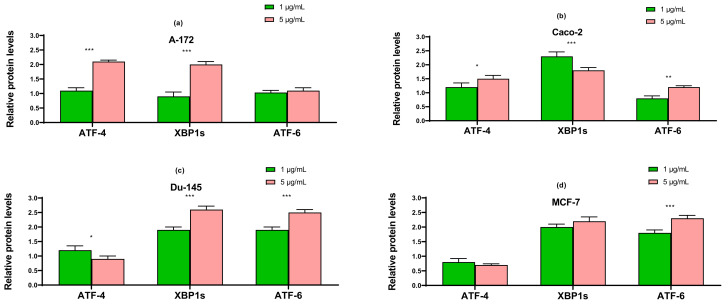
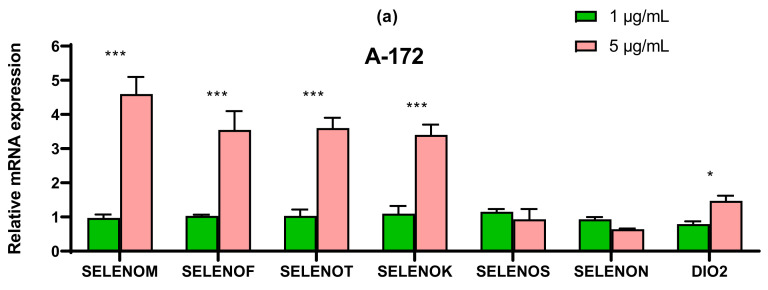
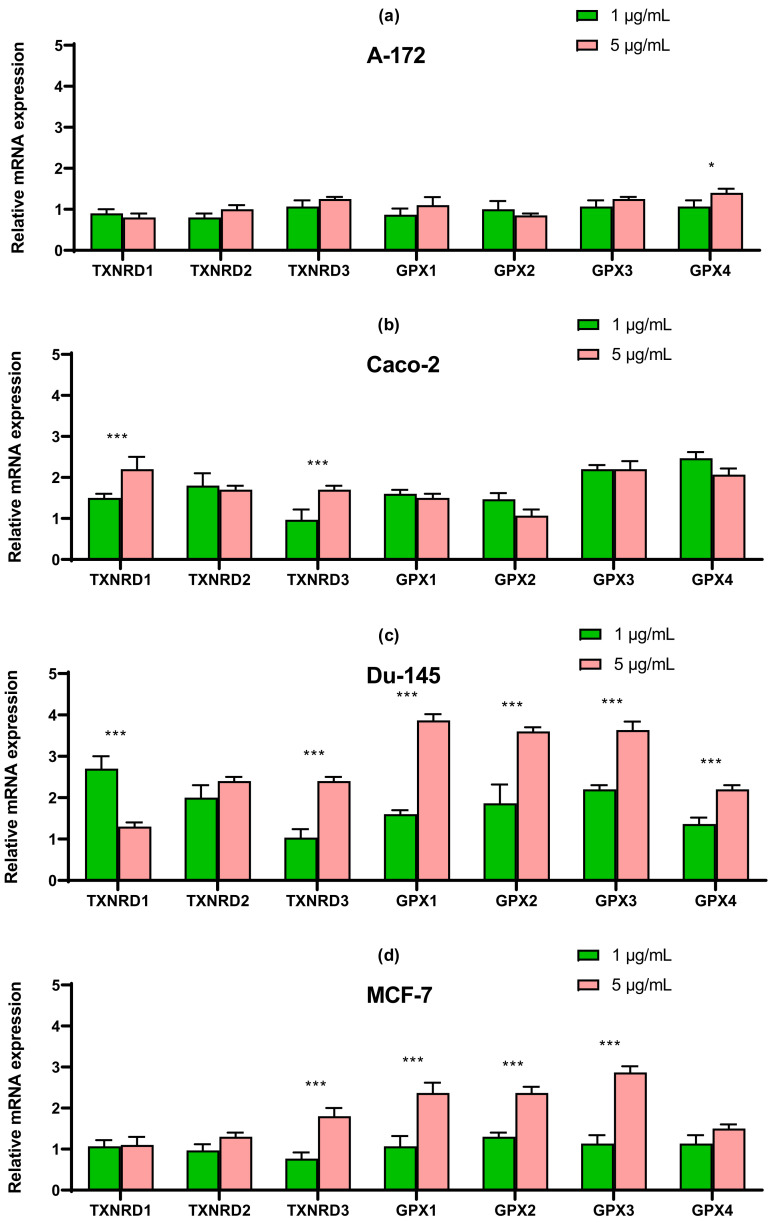
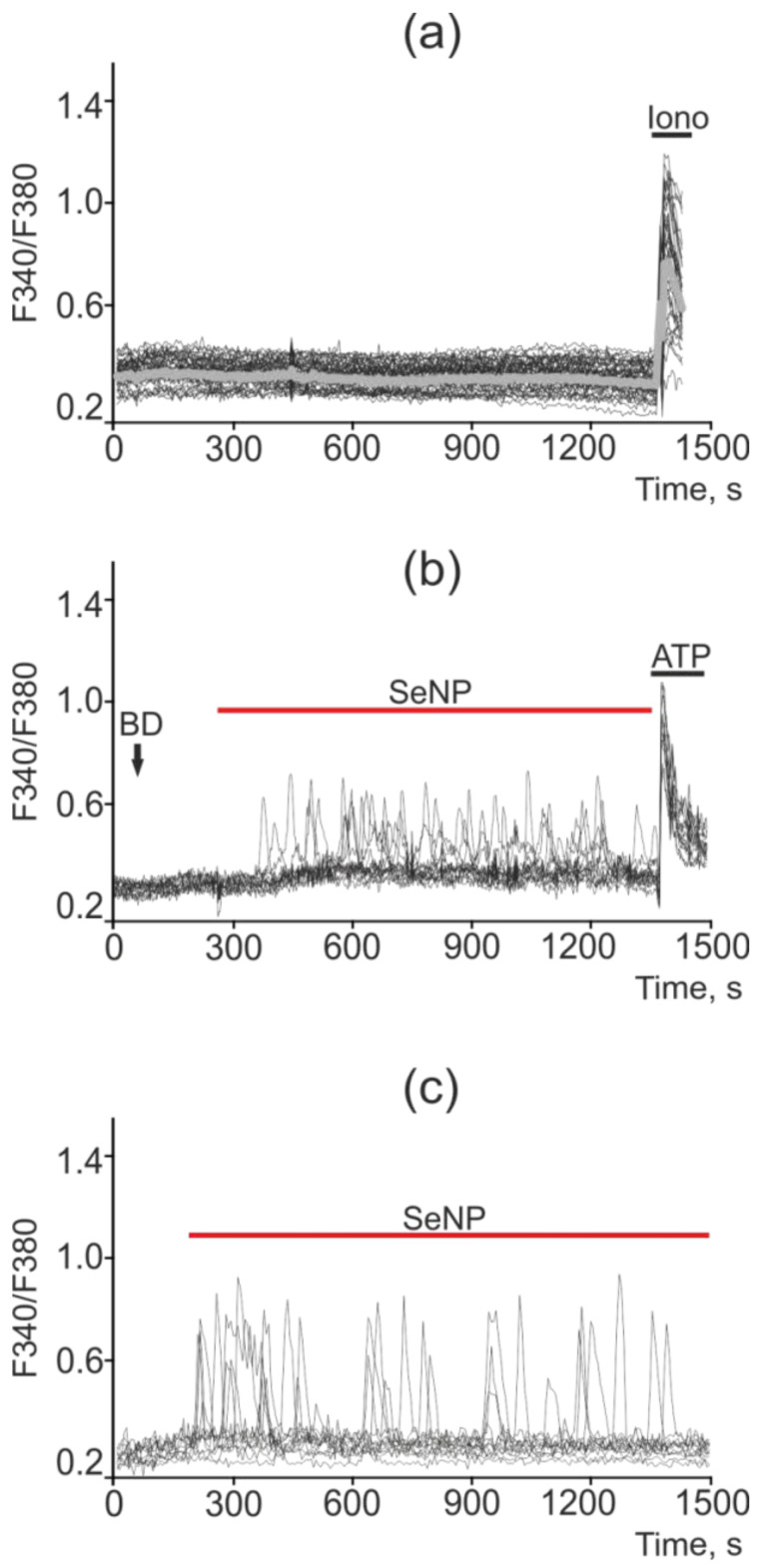
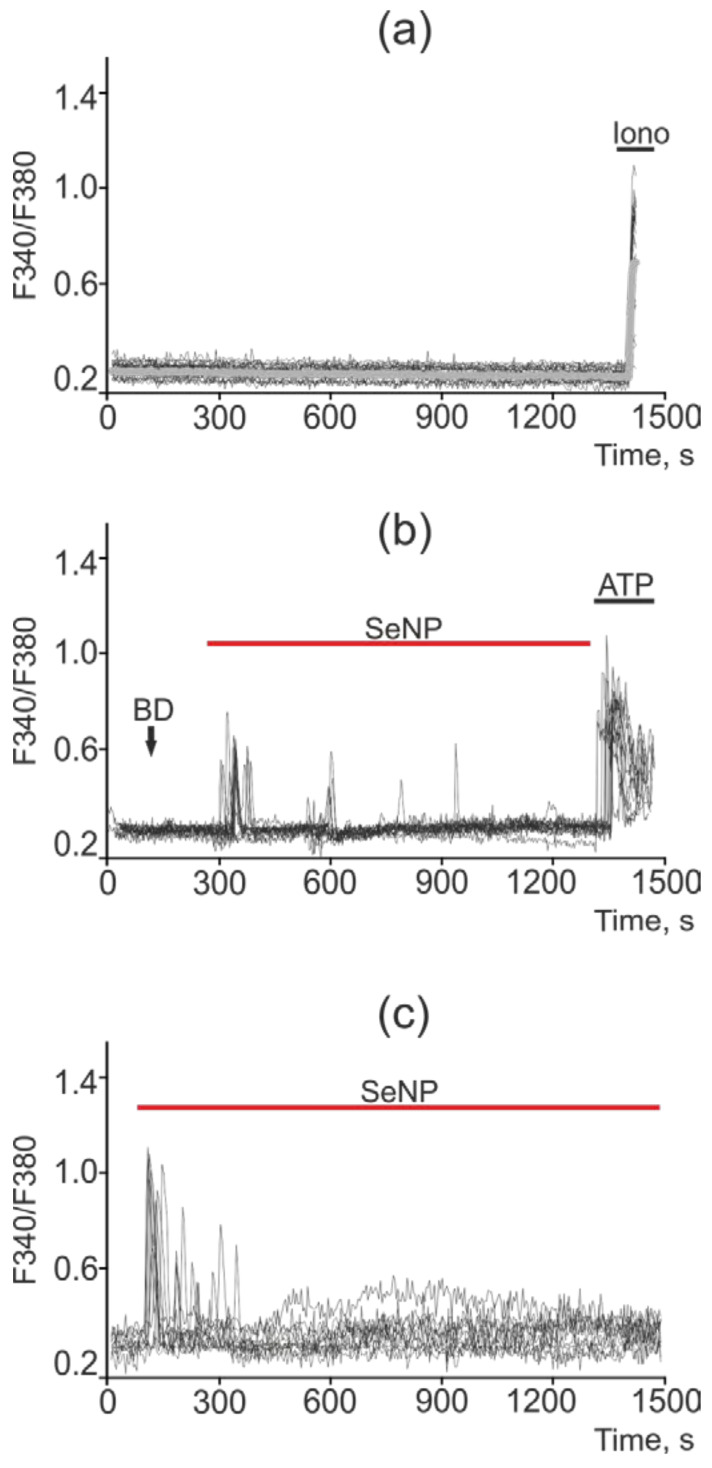
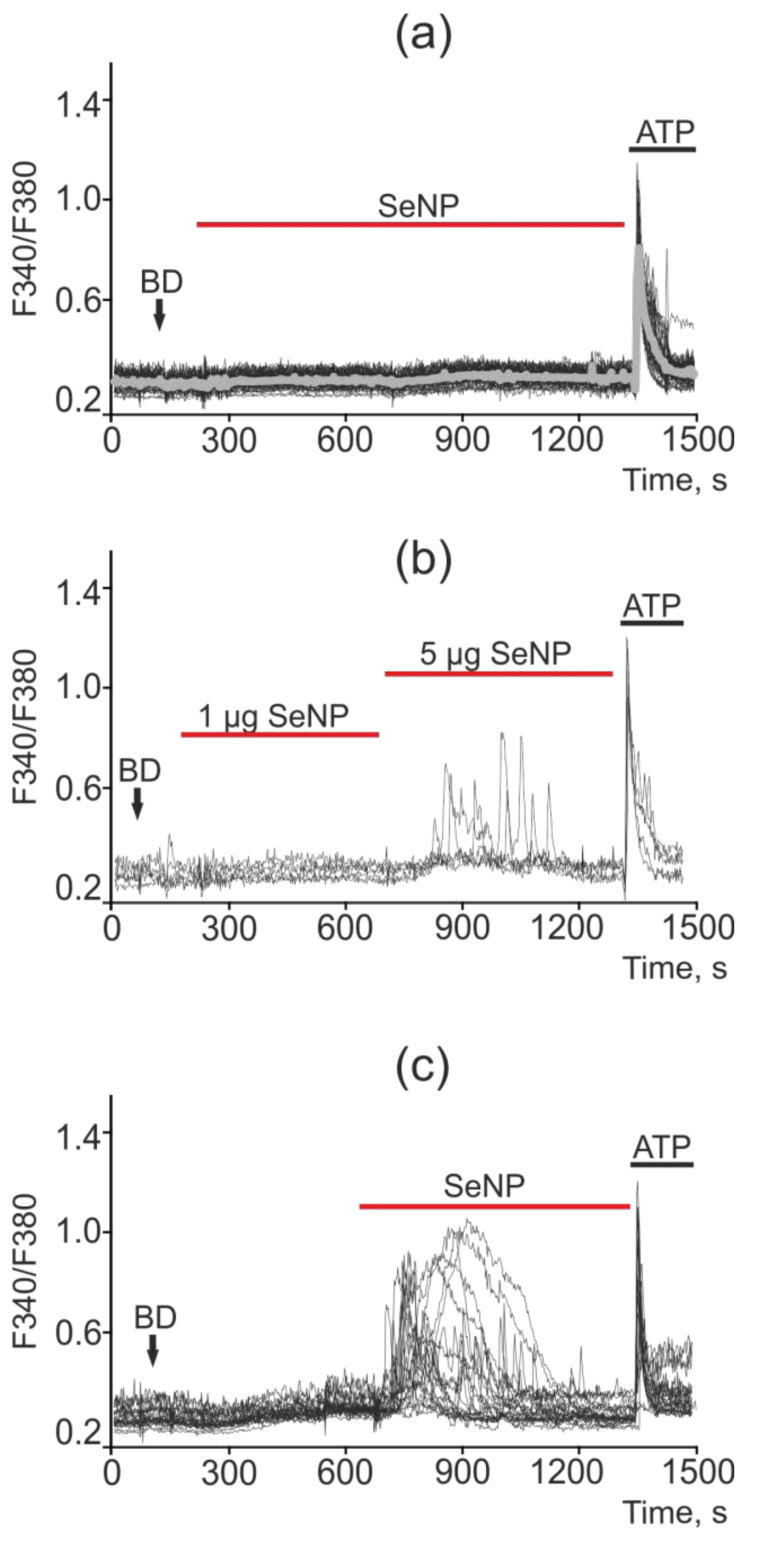
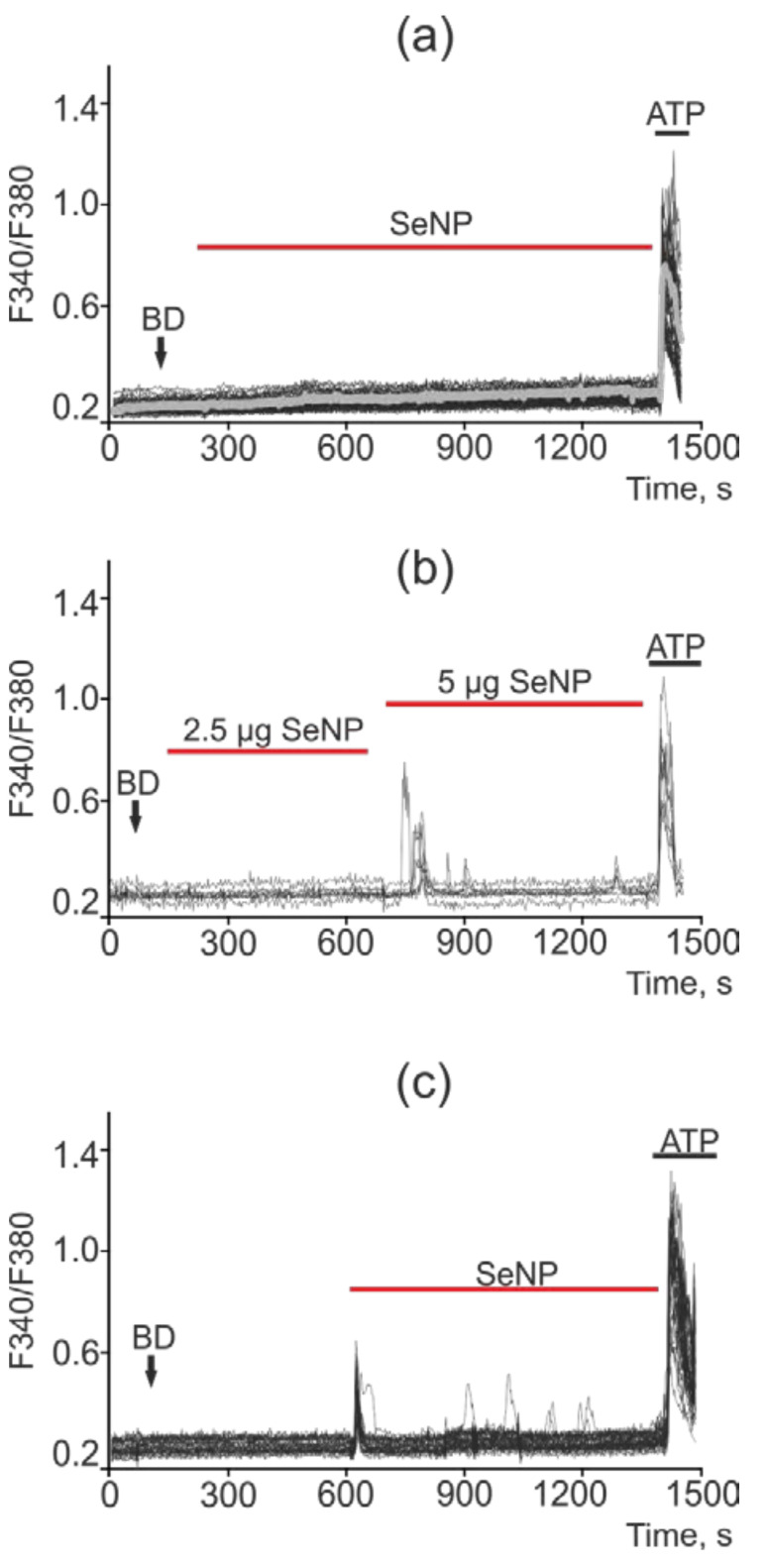
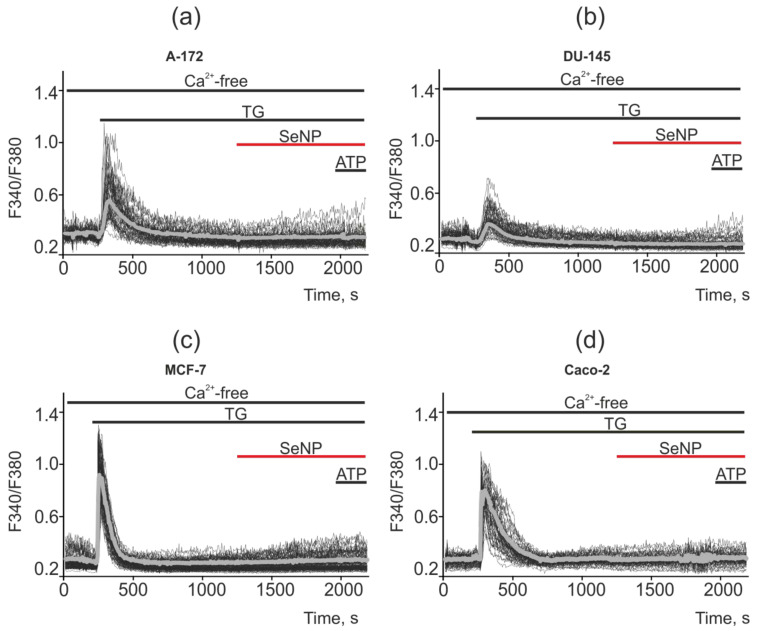
In recent decades, studies on the functional features of Se nanoparticles (SeNP) have gained great popularity due to their high biocompatibility, stability, and pronounced selectivity. A large number of works prove the anticarcinogenic effect of SeNP. In this work, the molecular mechanisms regulating the cytotoxic effects of SeNP, obtained by laser ablation, were studied by the example of four human cancer cell lines: A-172 (glioblastoma), Caco-2, (colorectal adenocarcinoma), DU-145 (prostate carcinoma), MCF-7 (breast adenocarcinoma). It was found that SeNP had different concentration-dependent effects on cancer cells of the four studied human lines. SeNP at concentrations of less than 1 μg/mL had no cytotoxic effect on the studied cancer cells, with the exception of the A-172 cell line, for which 0.5 μg/mL SeNP was the minimum concentration affecting its metabolic activity. It was shown that SeNP concentration-dependently caused cancer cell apoptosis, but not necrosis. In addition, it was found that SeNP enhanced the expression of pro-apoptotic genes in almost all cancer cell lines, with the exception of Caco-2 and activated various pathways of adaptive and pro-apoptotic signaling pathways of UPR. Different effects of SeNP on the expression of ER-resident selenoproteins and selenium-containing glutathione peroxidases and thioredoxin reductases, depending on the cell line, were established. In addition, SeNP triggered Ca signals in all investigated cancer cell lines. Different sensitivity of cancer cell lines to SeNP can determine the induction of the process of apoptosis in them through regulation of the Ca signaling system, mechanisms of ER stress, and activation of various expression patterns of genes encoding pro-apoptotic proteins.
近几十年来,由于硒纳米颗粒(SeNP)具有高生物相容性、稳定性和显著的选择性,因此对其功能特征的研究备受关注。大量研究证明了 SeNP 的抗癌作用。在这项工作中,通过激光烧蚀获得的 SeNP 的细胞毒性作用的调控分子机制,以四种人类癌细胞系:A-172(胶质母细胞瘤)、Caco-2(结肠直肠腺癌)、DU-145(前列腺癌)和 MCF-7(乳腺腺癌)为例进行了研究。结果发现,SeNP 对四种研究人类细胞系的癌细胞具有不同浓度依赖性的影响。SeNP 的浓度低于 1μg/mL 时,对研究的癌细胞没有细胞毒性作用,除了 A-172 细胞系,其 0.5μg/mL 的 SeNP 是影响其代谢活性的最小浓度。结果表明,SeNP 浓度依赖性地诱导癌细胞凋亡,但不诱导坏死。此外,还发现 SeNP 增强了几乎所有癌细胞系中促凋亡基因的表达,除了 Caco-2 细胞系,并激活了 UPR 的适应性和促凋亡信号通路的各种途径。还建立了 SeNP 对 ER 驻留硒蛋白和含硒谷胱甘肽过氧化物酶和硫氧还蛋白还原酶的表达的依赖性浓度效应,这取决于细胞系。此外,SeNP 在所有研究的癌细胞系中触发了 Ca 信号。癌细胞系对 SeNP 的不同敏感性可以通过调节 Ca 信号系统、内质网应激机制和激活编码促凋亡蛋白的各种基因表达模式来确定它们中凋亡过程的诱导。