Rekatsina Martina, Paladini Antonella, Drewes Asbjørn M, Ayob Farrah, Viswanath Omar, Urits Ivan, Corli Oscar, Pergolizzi Joseph, Varrassi Giustino
Pain Management, Whipps Cross Hospital Barts Health NHS, London, GBR.
Department of Clinical Medicine, Public Health and Life Science (MESVA), University of L'Aquila, L'Aquila, ITA.
Cureus. 2021 Jul 5;13(7):e16201. doi: 10.7759/cureus.16201. eCollection 2021 Jul.
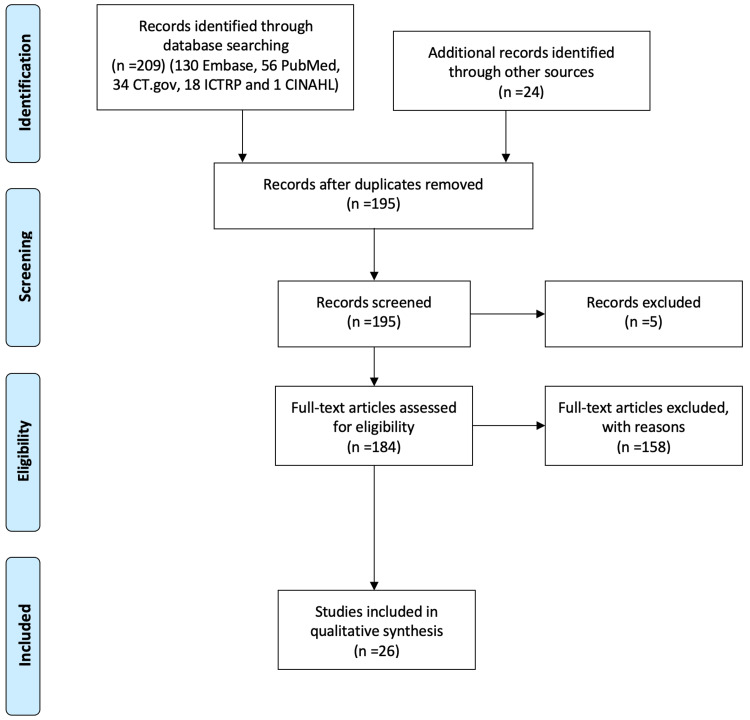
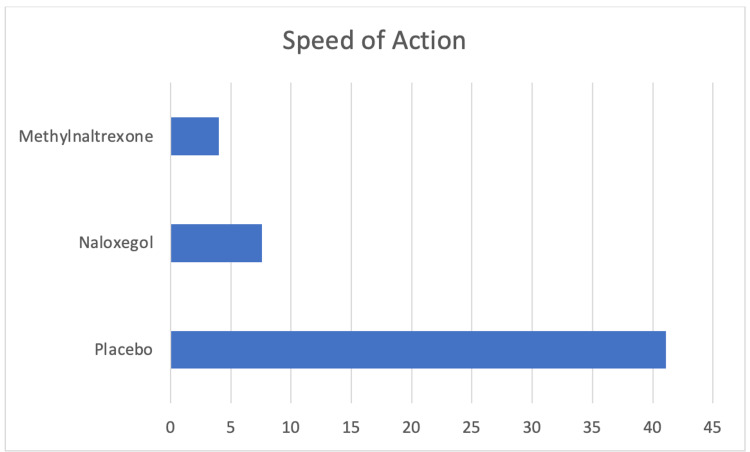
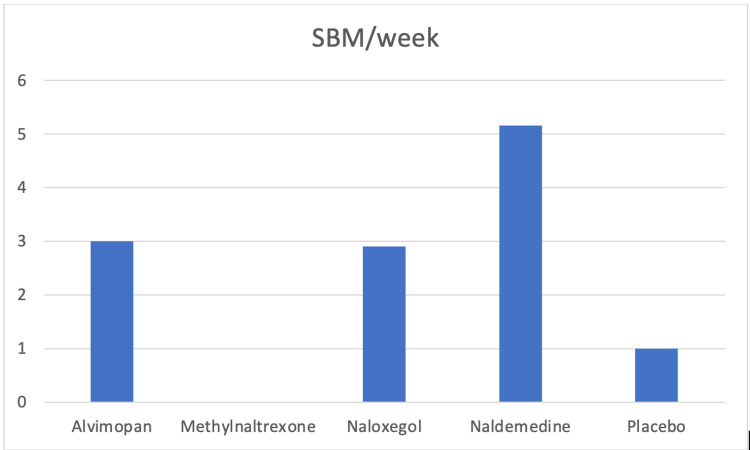
In treating chronic and acute pain, opioids are widely used. Although they do provide analgesia, their usage does come with adverse events (AEs). One of the most burdensome is opioid-induced bowel dysfunction, and more specifically opioid-induced constipation (OIC). The pathogenesis of these AEs is well known as the consequence of the action of opioids on m-receptors in the enteric nervous system. In recent years, medicines counteracting this specific action at the receptors have been registered for clinical use: the peripherally acting μ-opioid receptor antagonists (PAMORAs). The knowledge of their comparative efficacy and tolerability is very important for physicians and patients in opioid therapy. This systematic review of the existing literature on PAMORAs aimed to study the relative clinical advantages and disadvantages. The most important data banks, including "PubMed," "Embase," "CT.gov," "ICTRP" and "CINAHL" were used to find the published material on PAMORAs. The selected publications were examined to systematically analyze the efficacy and safety of the four existing PAMORAs. All of the medications are superior to placebo in reducing OIC. There are few published data on alvimopan used to treat OIC, and it is only indicated for the treatment of post-abdominal surgery ileus. Methylnaltrexone is studied mainly in its subcutaneous (SC) formulation. When used in its oral formulation, it seems more rapid than naloxegol and placebo in the reduction of OIC. Naldemedine is able to produce more spontaneous bowel movements (SBMs) when compared to alvimopan and naloxegol. Tolerability was found to be similar for all of them. In particular, they affect the gastrointestinal tract (GI), with flatulence and diarrhea, especially at high dosages. For some of them, nasopharyngitis and abdominal pain were observed as treatment adverse effects (TEAs). Several cardiovascular TEAs were reported after methylnaltrexone use, but it is not clear whether they were consequences of the drug or related to the general conditions of the patients. Considering the existing data, naloxegol and naldemedine seem to be the best choices, with a higher number of spontaneous bowel movements following naldemedine administration.
在治疗慢性和急性疼痛时,阿片类药物被广泛使用。尽管它们确实能提供镇痛作用,但其使用也会带来不良事件(AE)。其中最麻烦的一种是阿片类药物引起的肠道功能障碍,更具体地说是阿片类药物引起的便秘(OIC)。这些不良事件的发病机制众所周知,是阿片类药物作用于肠神经系统中的m受体的结果。近年来,针对受体的这种特定作用的药物已获批用于临床:外周作用的μ-阿片受体拮抗剂(PAMORA)。了解它们的相对疗效和耐受性对阿片类药物治疗中的医生和患者非常重要。本对现有关于PAMORA的文献进行系统综述旨在研究其相对临床优缺点。使用了最重要的数据库,包括“PubMed”、“Embase”、“CT.gov”、“ICTRP”和“CINAHL”来查找关于PAMORA的已发表材料。对所选出版物进行审查,以系统分析四种现有PAMORA的疗效和安全性。所有药物在减轻OIC方面均优于安慰剂。关于用于治疗OIC的阿洛司琼的已发表数据很少,且它仅适用于治疗腹部手术后肠梗阻。甲基纳曲酮主要以皮下(SC)制剂进行研究。当以口服制剂使用时,它在减轻OIC方面似乎比纳洛昔醇和安慰剂更快。与阿洛司琼和纳洛昔醇相比,纳地美定能够产生更多的自主排便(SBM)。发现它们的耐受性相似。特别是,它们会影响胃肠道(GI),导致肠胃胀气和腹泻,尤其是在高剂量时。对于其中一些药物,观察到鼻咽炎和腹痛是治疗不良反应(TEA)。使用甲基纳曲酮后报告了一些心血管TEA,但尚不清楚它们是药物的后果还是与患者的一般状况有关。考虑到现有数据,纳洛昔醇和纳地美定似乎是最佳选择,纳地美定给药后自主排便次数更多。