Department of Evolutionary Biology, Bielefeld University, Konsequenz 45, 33615, Bielefeld, Germany.
Applied Zoology, Technical University Dresden, Zellescher Weg 20b, 01062, Dresden, Germany.
BMC Ecol Evol. 2021 Aug 12;21(1):159. doi: 10.1186/s12862-021-01887-6.
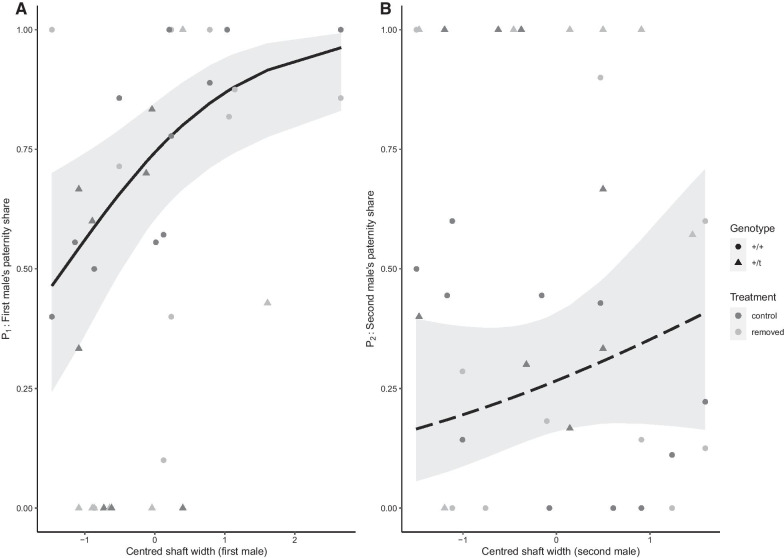
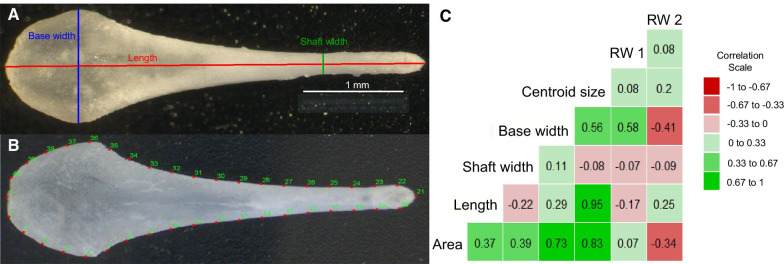
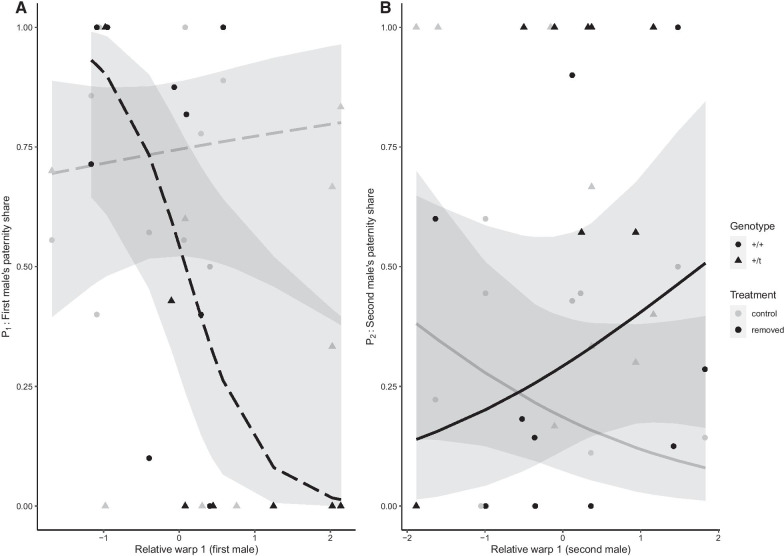
The vast variation observed in genital morphology is a longstanding puzzle in evolutionary biology. Studies showing that the morphology of the mammalian baculum (penis bone) can covary with a male's paternity success indicate a potential impact of baculum morphology on male fitness, likely through influencing sperm competition outcomes. We therefore measured the size (measurements of length and width) and shape (geometric morphometric measurements) of the bacula of male house mice used in previously published sperm competition experiments, in which two males mated successively with the same female in staged matings. This enabled us to correlate baculum morphology with sperm competition success, incorporating potential explanatory variables related to copulatory plugs, male mating behavior and a selfish genetic element that influences sperm motility. We found that a wider baculum shaft increased a male's paternity share when mating first, but not when mating second with a multiply-mating female. Geometric morphometric shape measurements were not clearly associated with fertilization success for either male. We found limited evidence that the effect of baculum morphology on male fertilization success was altered by experimental removal of the copulatory plug. Furthermore, neither genetic differences in sperm motility, nor covariation with male mating behavior mediated the effect of baculum morphology on male fertilization success. Taken together with previous findings, the mating-order effects we found here suggest that baculum-mediated stimulation by the first male might be particularly important for fertilization.
生殖器形态的巨大差异是进化生物学中长期存在的难题。研究表明,哺乳动物的阴茎骨(骨)形态可以与雄性的父权成功相关,这表明阴茎骨形态可能通过影响精子竞争结果对雄性适合度产生潜在影响。因此,我们测量了在之前发表的精子竞争实验中使用的雄性家鼠的阴茎骨的大小(长度和宽度的测量)和形状(几何形态测量),在这些实验中,两个雄性在分期交配中相继与同一只雌性交配。这使我们能够将阴茎骨形态与精子竞争成功相关联,同时考虑到与交配塞、雄性交配行为和影响精子活力的自私遗传因素有关的潜在解释变量。我们发现,当雄性首先交配时,更宽的阴茎骨轴增加了雄性的父权份额,但当与多次交配的雌性第二次交配时则没有。对于雄性来说,几何形态测量的形状测量与受精成功没有明显的相关性。我们发现的证据有限,表明实验性去除交配塞会改变阴茎骨形态对雄性受精成功的影响。此外,精子活力的遗传差异以及与雄性交配行为的协变都不能介导阴茎骨形态对雄性受精成功的影响。综合以前的研究结果,我们在这里发现的交配顺序效应表明,第一只雄性的阴茎骨介导的刺激对受精可能特别重要。