Wales Kidney Research Unit, Division of Infection and Immunity, School of Medicine, College of Biomedical and Life Sciences, Cardiff University, Heath Park, Cardiff, CF14 4XN, UK.
Cardiff Institute of Tissue Engineering and Repair, Museum Place, Cardiff, CF10 3BG, UK.
Sci Rep. 2021 Aug 13;11(1):16499. doi: 10.1038/s41598-021-94984-x.
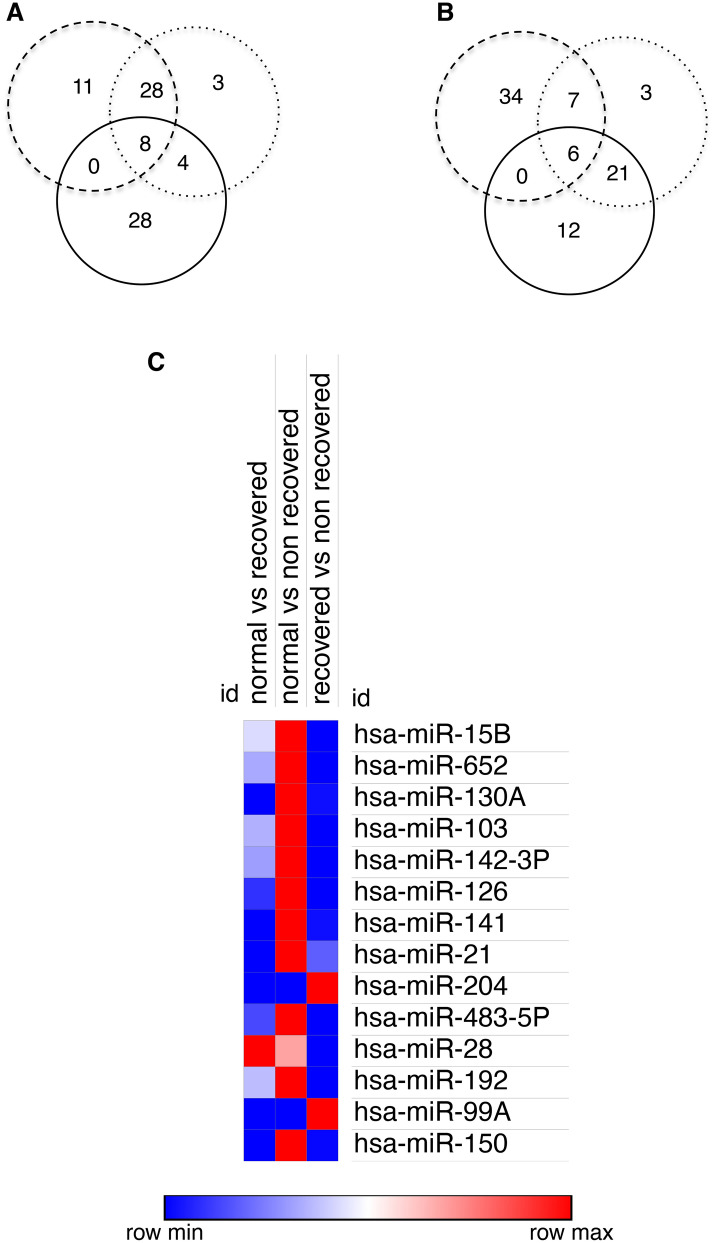
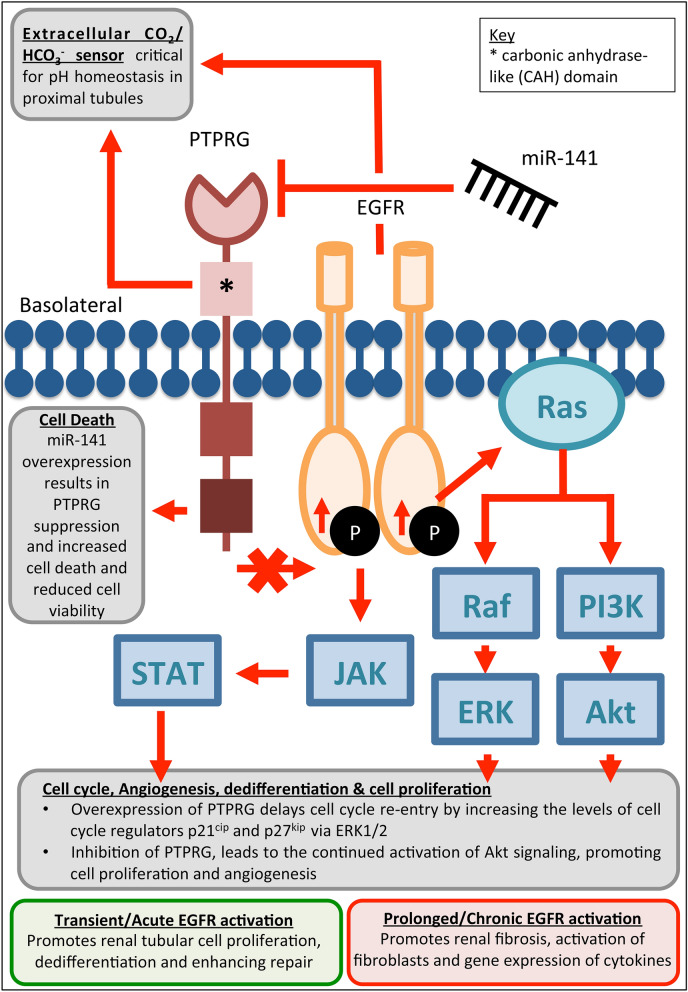
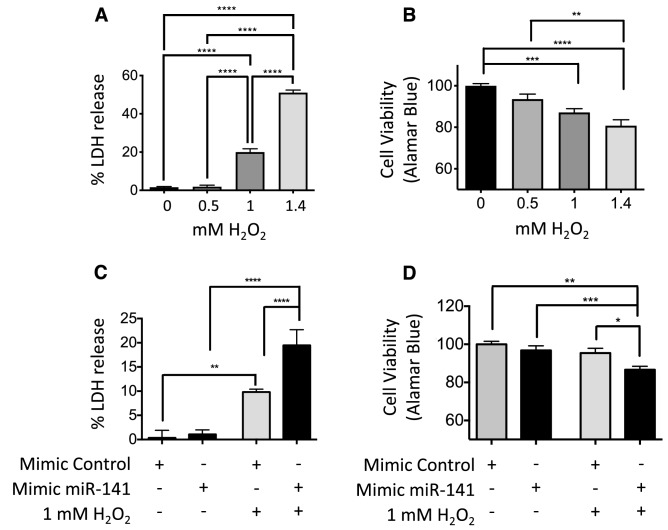
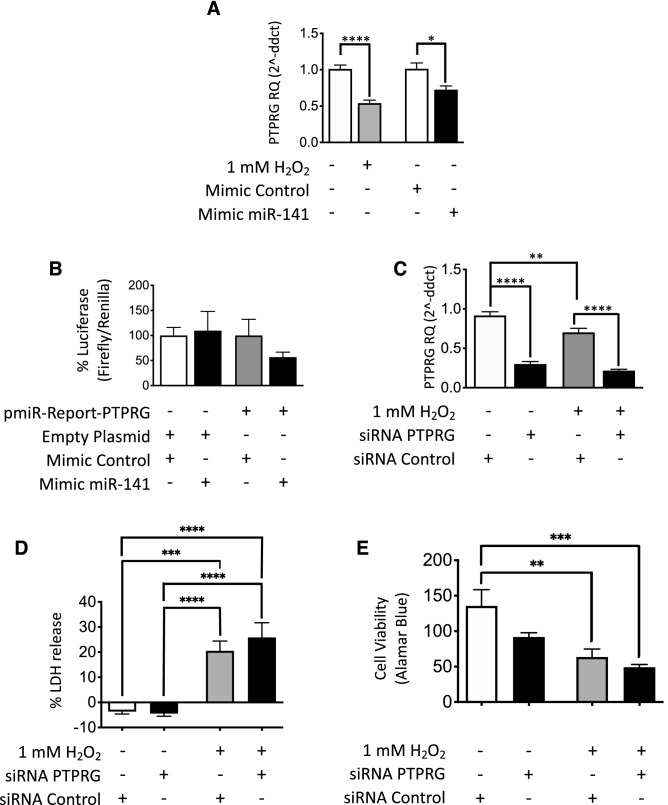
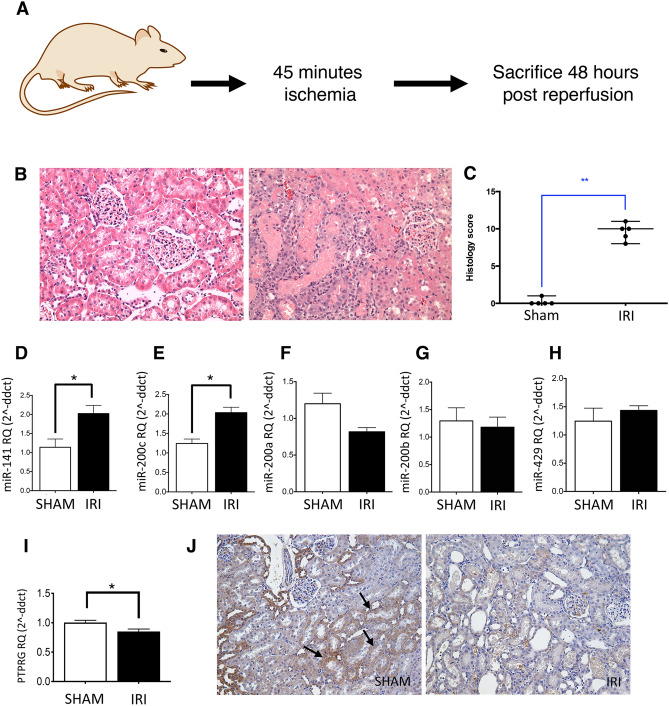
Acute kidney injury (AKI) is a global clinical problem characterised by a sudden decline in renal function and mortality as high as 60%. Current AKI biomarkers have limited ability to classify disease progression and identify underlying pathological mechanisms. Here we hypothesised that alterations in urinary microRNA profiles could predict AKI recovery/nonrecovery after 90 days, and that injury-specific changes would signify microRNA mediators of AKI pathology. Comparison of urinary microRNA profiles from AKI patients with controls detected significant injury-specific increases in miR-21, miR-126 and miR-141 (p < 0.05) and decreases in miR-192 (p < 0.001) and miR-204 (p < 0.05). Expression of miR-141 increased in renal proximal tubular epithelial cells (PTECs) under oxidative stress in vitro and unilateral ischaemic reperfusion injury in vivo. Forced miR-141 expression in the presence of HO increased PTEC death and decreased cell viability. Of nine messenger RNA targets with two or more miR-141 3'-untranslated region binding sites, we confirmed protein tyrosine phosphatase receptor type G (PTPRG) as a direct miR-141 target in PTECs. PTPRG-specific siRNA knockdown under oxidative stress increased PTEC death and decreased cell viability. In conclusion, we detected significant alterations in five urinary microRNAs following AKI, and identified proximal tubular cell PTPRG as a putative novel therapeutic target.
急性肾损伤 (AKI) 是一种全球性的临床问题,其特征是肾功能突然下降,死亡率高达 60%。目前的 AKI 生物标志物在对疾病进展进行分类和识别潜在病理机制方面的能力有限。在这里,我们假设尿 microRNA 谱的改变可以预测 AKI 在 90 天后的恢复/不恢复,并且损伤特异性的改变将表明 microRNA 是 AKI 病理的介质。比较 AKI 患者和对照者的尿 microRNA 谱,发现 miR-21、miR-126 和 miR-141 的损伤特异性显著增加(p<0.05),miR-192 和 miR-204 的减少(p<0.001 和 p<0.05)。miR-141 在体外氧化应激和体内单侧缺血再灌注损伤的肾近端肾小管上皮细胞 (PTEC) 中表达增加。在 HO 存在的情况下强制表达 miR-141 会增加 PTEC 死亡并降低细胞活力。在具有两个或更多 miR-141 3'UTR 结合位点的九个信使 RNA 靶标中,我们证实蛋白酪氨酸磷酸酶受体 G (PTPRG) 是 PTEC 中的直接 miR-141 靶标。在氧化应激下,针对 PTPRG 的特异性 siRNA 敲低会增加 PTEC 死亡并降低细胞活力。总之,我们在 AKI 后检测到五种尿 microRNA 的显著改变,并确定近端肾小管细胞 PTPRG 是一个潜在的新的治疗靶点。