Massey Cory A, Thompson Samantha J, Ostrom Ryan W, Drabek Janice, Sveinsson Olafur A, Tomson Torbjörn, Haas Elisabeth A, Mena Othon J, Goldman Alica M, Noebels Jeffrey L
Developmental Neurogenetics Laboratory, Department of Neurology, Baylor College of Medicine, Houston, TX 77030, USA.
Department of Neurology, National University Hospital of Iceland, 101 Reykjavik, Iceland.
Brain Commun. 2021 Jul 9;3(3):fcab149. doi: 10.1093/braincomms/fcab149. eCollection 2021.
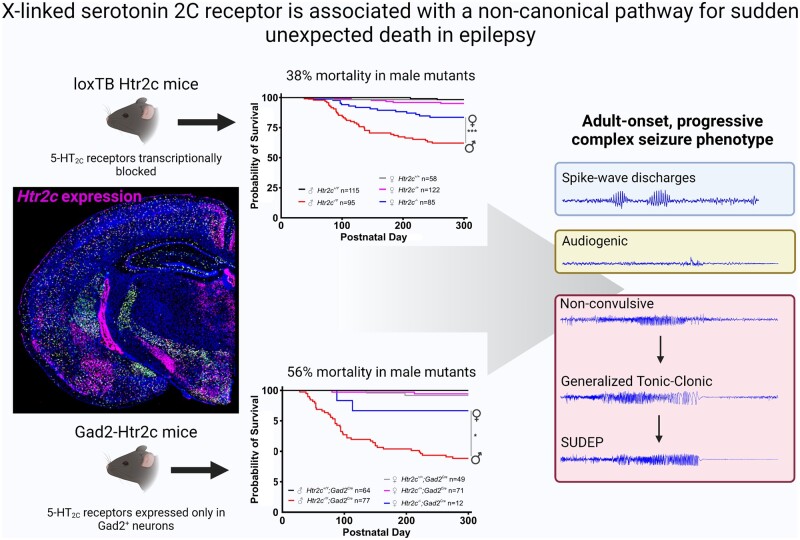
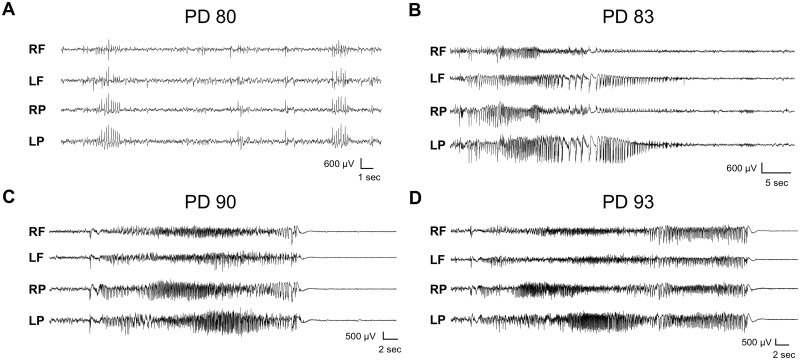
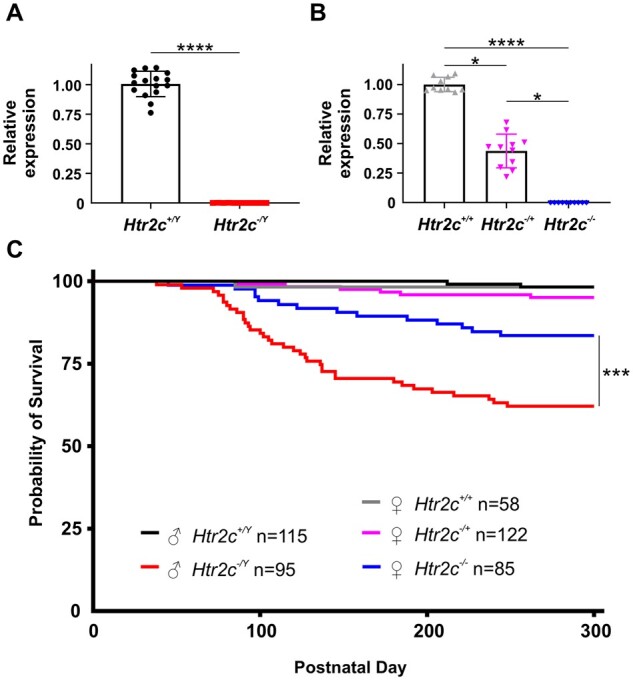
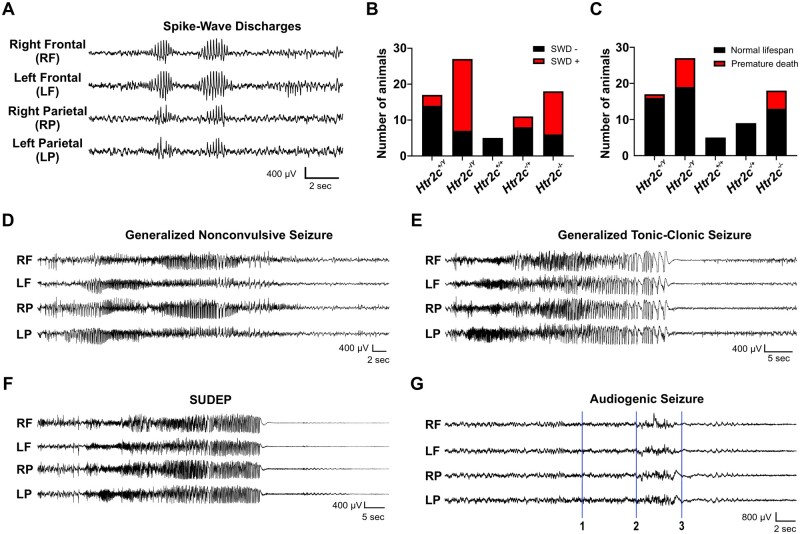
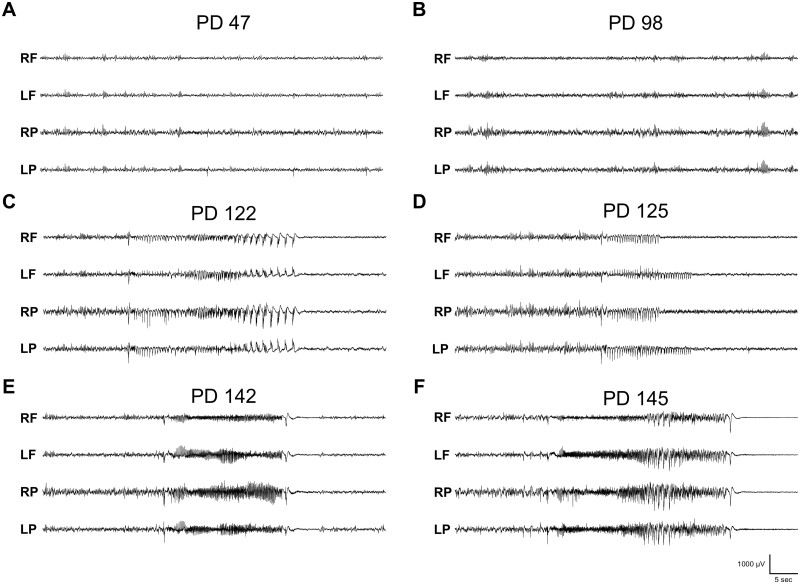
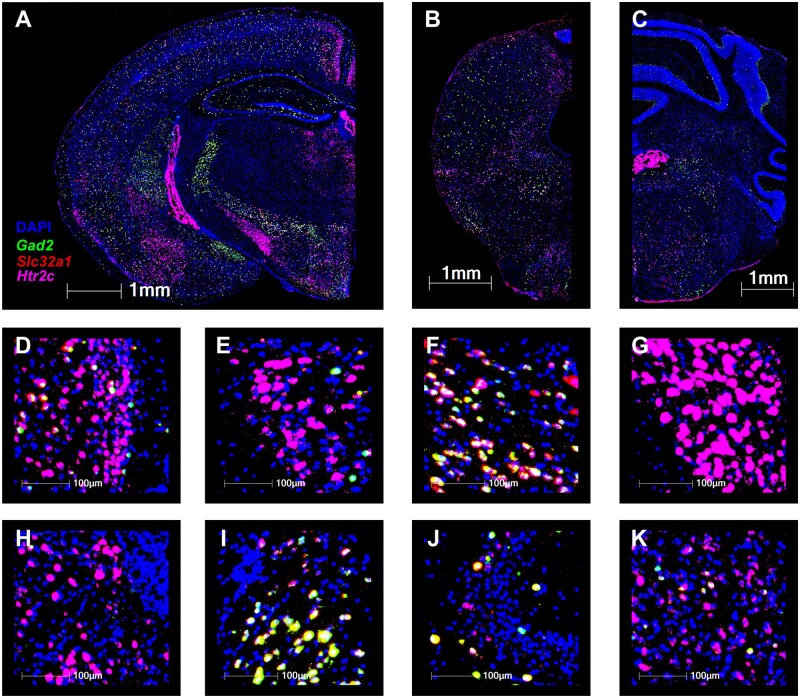
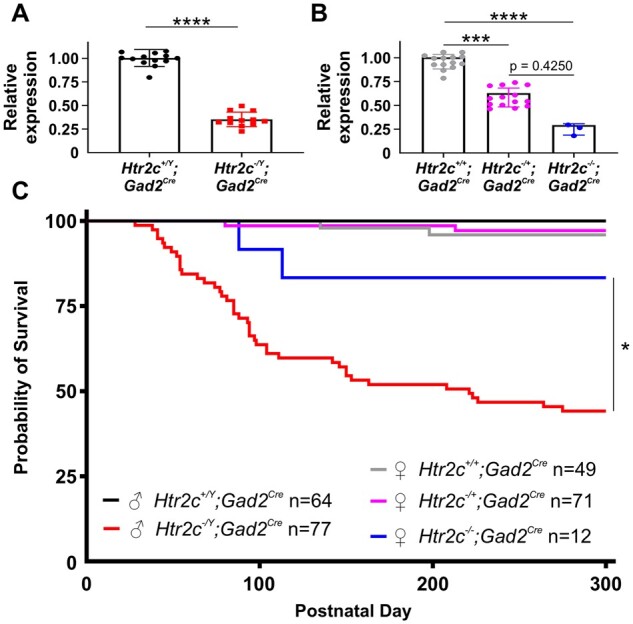
Sudden Unexpected Death in Epilepsy is a leading cause of epilepsy-related mortality, and the analysis of mouse Sudden Unexpected Death in Epilepsy models is steadily revealing a spectrum of inherited risk phenotypes based on distinct genetic mechanisms. Serotonin (5-HT) signalling enhances post-ictal cardiorespiratory drive and, when elevated in the brain, reduces death following evoked audiogenic brainstem seizures in inbred mouse models. However, no gene in this pathway has yet been linked to a spontaneous epilepsy phenotype, the defining criterion of Sudden Unexpected Death in Epilepsy. Most monogenic models of Sudden Unexpected Death in Epilepsy invoke a failure of inhibitory synaptic drive as a critical pathogenic step. Accordingly, the G protein-coupled, membrane serotonin receptor 5-HT inhibits forebrain and brainstem networks by exciting GABAergic interneurons, and deletion of this gene lowers the threshold for lethal evoked audiogenic seizures. Here, we characterize epileptogenesis throughout the lifespan of mice lacking X-linked, 5-HT receptors (loxTB Htr2c). We find that loss of generates a complex, adult-onset spontaneous epileptic phenotype with a novel progressive hyperexcitability pattern of absences, non-convulsive, and convulsive behavioural seizures culminating in late onset sudden mortality predominantly in male mice. RNAscope localized mRNA in subsets of + GABAergic neurons in forebrain and brainstem regions. To evaluate the contribution of 5-HT receptor-mediated inhibitory drive, we selectively spared their deletion in GAD2+ GABAergic neurons of pan-deleted loxTB Htr2c mice, yet unexpectedly found no amelioration of survival or epileptic phenotype, indicating that expression of 5-HT receptors in GAD2+ inhibitory neurons was not sufficient to prevent hyperexcitability and lethal seizures. Analysis of human Sudden Unexpected Death in Epilepsy and epilepsy genetic databases identified an enrichment of non-synonymous variants in Sudden Unexpected Death in Epilepsy cases. Interestingly, while early lethality is not reflected in the mouse model, we also identified variants mainly among male Sudden Infant Death Syndrome patients. Our findings validate as a novel, sex-linked candidate gene modifying Sudden Unexpected Death in Epilepsy risk, and demonstrate that the complex epilepsy phenotype does not arise solely from 5-HT-mediated synaptic disinhibition. These results strengthen the evidence for the serotonin hypothesis of Sudden Unexpected Death in Epilepsy risk in humans, and advance current efforts to develop gene-guided interventions to mitigate premature mortality in epilepsy.
癫痫性猝死是癫痫相关死亡的主要原因,对小鼠癫痫性猝死模型的分析正不断揭示基于不同遗传机制的一系列遗传风险表型。血清素(5-HT)信号增强发作后心肺驱动,并且在大脑中水平升高时,可降低近交系小鼠模型中诱发的听源性脑干癫痫发作后的死亡率。然而,该信号通路中尚无基因与自发性癫痫表型相关联,而自发性癫痫表型是癫痫性猝死的定义标准。大多数癫痫性猝死的单基因模型认为抑制性突触驱动失败是关键的致病步骤。相应地,G蛋白偶联的膜血清素受体5-HT通过兴奋GABA能中间神经元来抑制前脑和脑干网络,该基因的缺失会降低致死性诱发听源性癫痫发作的阈值。在此,我们描述了缺乏X连锁5-HT受体(loxTB Htr2c)的小鼠在整个生命周期中的癫痫发生情况。我们发现该受体的缺失产生了一种复杂的成年期自发性癫痫表型,具有失神、非惊厥性和惊厥性行为发作的新型进行性过度兴奋模式,最终主要在雄性小鼠中导致晚期突发性死亡。RNAscope将该mRNA定位在前脑和脑干区域的GABA能神经元亚群中。为了评估5-HT受体介导的抑制性驱动的作用,我们在泛缺失的loxTB Htr2c小鼠的GAD2 + GABA能神经元中选择性地保留其缺失,但意外地发现存活率或癫痫表型没有改善,这表明5-HT受体在GAD2 +抑制性神经元中的表达不足以预防过度兴奋和致死性癫痫发作。对人类癫痫性猝死和癫痫遗传数据库的分析发现,癫痫性猝死病例中存在丰富的该基因非同义变异。有趣的是,虽然早期致死性在小鼠模型中未体现,但我们也在主要在男性婴儿猝死综合征患者中发现了变异。我们的研究结果验证了该基因作为一个新的、与性别相关的候选基因可改变癫痫性猝死风险,并证明复杂的癫痫表型并非仅由5-HT介导的突触去抑制引起。这些结果加强了人类癫痫性猝死风险的血清素假说的证据,并推动了当前为开发基因导向干预措施以降低癫痫过早死亡率所做的努力。