Manivannan Jeganathan, Sundaresan Lakshmikirupa
Environmental Health and Toxicology Lab, Department of Environmental Sciences, School of Life Sciences, Bharathiar University, Coimbatore 641046, Tamil Nadu, India.
Developmental & Stem Cell Biology Program, The Hospital for Sick Children, Toronto, ON M5G 1X8, Canada.
Gene Rep. 2021 Dec;25:101312. doi: 10.1016/j.genrep.2021.101312. Epub 2021 Aug 12.
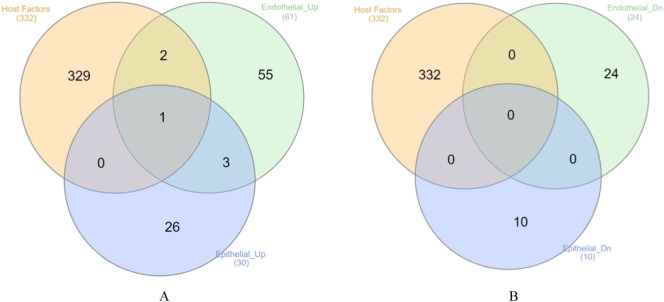
Coronavirus disease 2019 (COVID-19) is a viral pandemic caused by severe acute respiratory syndrome coronavirus 2 (SARS-CoV-2) that led to more than 800,00 deaths and continues to be a major threat worldwide. The scientific community has been studying the risk factors associated with SARS-CoV-2 infection and pathogenesis. Recent studies highlight the possible contribution of atmospheric air pollution, specifically particulate matter (PM) exposure as a co-factor in COVID-19 severity. Hence, meaningful translation of suitable omics datasets of SARS-CoV-2 infection and PM exposure is warranted to understand the possible involvement of airborne exposome on COVID-19 outcome. Publicly available transcriptomic data (microarray and RNA-Seq) related to COVID-19 lung biopsy, SARS-CoV-2 infection in epithelial cells and PM exposure (lung tissue, epithelial and endothelial cells) were obtained in addition with proteome and interactome datasets. System-wide pathway/network analysis was done through appropriate software tools and data resources. The primary findings are; 1. There is no robust difference in the expression of SARS-CoV-2 entry factors upon particulate exposure, 2. The upstream pathways associated with upregulated genes during SARS-CoV-2 infection considerably overlap with that of PM exposure, 3. Similar pathways were differentially expressed during SARS-CoV-2 infection and PM exposure, 4. SARS-CoV-2 interacting host factors were predicted to be associated with the molecular impact of PM exposure and 5. Differentially expressed pathways during PM exposure may increase COVID-19 severity. Based on the observed molecular mechanisms (direct and indirect effects) the current study suggests that airborne PM exposure has to be considered as an additional co-factor in the outcome of COVID-19.
2019冠状病毒病(COVID-19)是由严重急性呼吸综合征冠状病毒2(SARS-CoV-2)引起的病毒性大流行,已导致超过80万人死亡,并且仍然是全球的重大威胁。科学界一直在研究与SARS-CoV-2感染和发病机制相关的风险因素。最近的研究强调了大气空气污染,特别是颗粒物(PM)暴露作为COVID-19严重程度的一个辅助因素的可能作用。因此,有必要对SARS-CoV-2感染和PM暴露的合适组学数据集进行有意义的翻译,以了解空气传播暴露组对COVID-19结局的可能影响。除了蛋白质组和相互作用组数据集外,还获得了与COVID-19肺活检、上皮细胞中的SARS-CoV-2感染以及PM暴露(肺组织、上皮和内皮细胞)相关的公开可用转录组数据(微阵列和RNA测序)。通过适当的软件工具和数据资源进行全系统通路/网络分析。主要发现如下:1. 颗粒物暴露后SARS-CoV-2进入因子的表达没有显著差异;2. SARS-CoV-2感染期间上调基因相关的上游通路与PM暴露的上游通路有相当大的重叠;3. SARS-CoV-2感染和PM暴露期间相似的通路有差异表达;4. 预测SARS-CoV-2相互作用的宿主因子与PM暴露的分子影响相关;5. PM暴露期间差异表达的通路可能会增加COVID-19的严重程度。基于观察到的分子机制(直接和间接影响),本研究表明,空气传播的PM暴露必须被视为COVID-19结局中的一个额外辅助因素。