Laboratory of Immunology and Infectious Disease Biology, Department of Biological Sciences, Indian Institute of Science Education and Research (IISER) Bhopal, Bhopal, 462066, MP, India.
National Institute of Technology Karnataka (NITK), Surathkal, Mangaluru, 575025, Karnataka, India; Centre for Water Food and Environment, IIT Ropar, Rupnagar, 140001, Punjab, India.
Environ Pollut. 2020 Nov;266(Pt 1):115148. doi: 10.1016/j.envpol.2020.115148. Epub 2020 Jul 13.
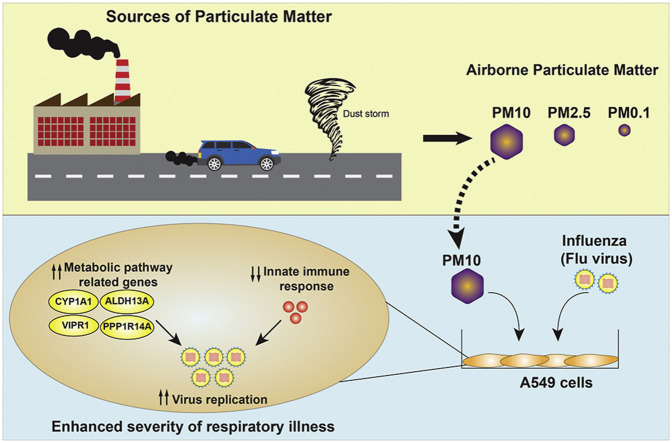
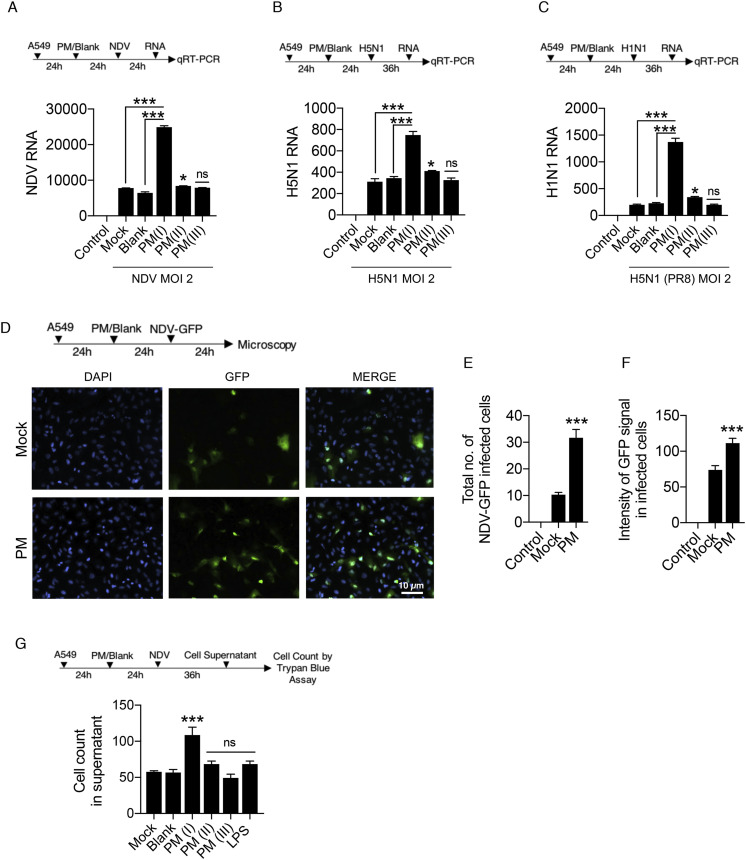
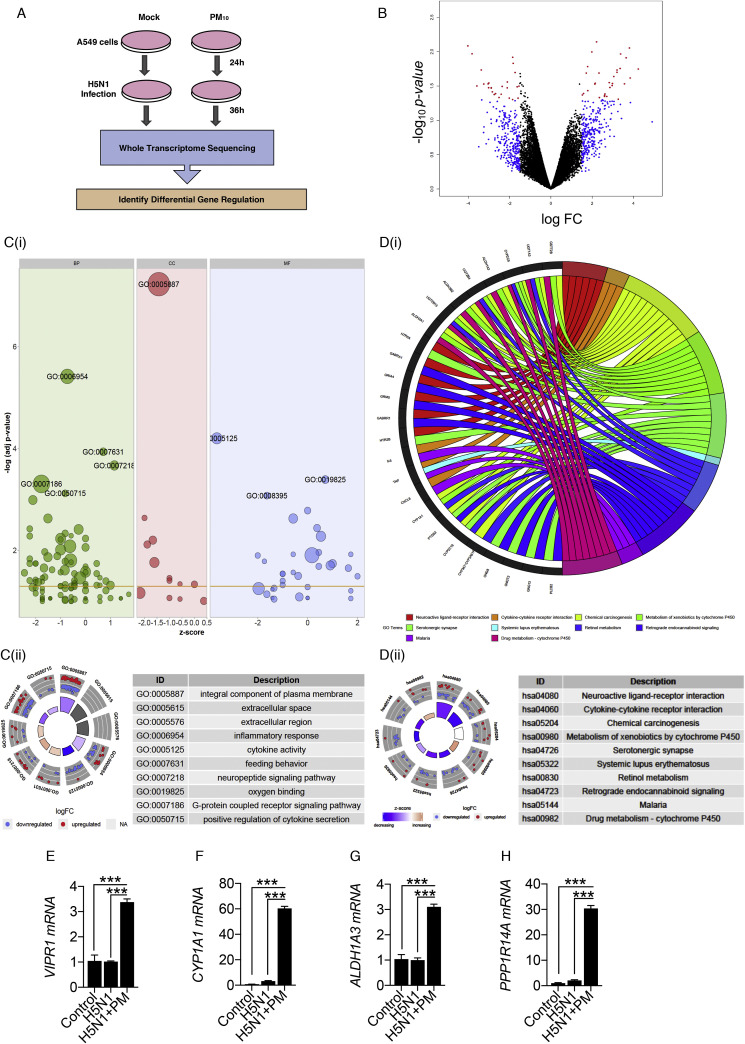
Sensing of pathogens by specialized receptors is the hallmark of the innate immunity. Innate immune response also mounts a defense response against various allergens and pollutants including particulate matter present in the atmosphere. Air pollution has been included as the top threat to global health declared by WHO which aims to cover more than three billion people against health emergencies from 2019 to 2023. Particulate matter (PM), one of the major components of air pollution, is a significant risk factor for many human diseases and its adverse effects include morbidity and premature deaths throughout the world. Several clinical and epidemiological studies have identified a key link between the PM existence and the prevalence of respiratory and inflammatory disorders. However, the underlying molecular mechanism is not well understood. Here, we investigated the influence of air pollutant, PM (particles with aerodynamic diameter less than 10 μm) during RNA virus infections using Highly Pathogenic Avian Influenza (HPAI) - H5N1 virus. We thus characterized the transcriptomic profile of lung epithelial cell line, A549 treated with PM prior to H5N1infection, which is known to cause severe lung damage and respiratory disease. We found that PM enhances vulnerability (by cellular damage) and regulates virus infectivity to enhance overall pathogenic burden in the lung cells. Additionally, the transcriptomic profile highlights the connection of host factors related to various metabolic pathways and immune responses which were dysregulated during virus infection. Collectively, our findings suggest a strong link between the prevalence of respiratory illness and its association with the air quality.
专门受体对病原体的感应是先天免疫的标志。先天免疫反应也会对各种过敏原和污染物(包括大气中存在的颗粒物)产生防御反应。空气污染已被世界卫生组织(WHO)列为对全球健康的头号威胁,该组织旨在为 2019 年至 2023 年期间的 30 多亿人提供抵御卫生紧急情况的保护。颗粒物(PM)是空气污染的主要成分之一,是许多人类疾病的重要危险因素,其不良影响包括全球发病率和过早死亡。几项临床和流行病学研究已经确定了 PM 存在与呼吸道和炎症性疾病流行之间的关键联系。然而,其潜在的分子机制尚不清楚。在这里,我们使用高致病性禽流感(HPAI)-H5N1 病毒研究了空气污染物 PM(空气动力学直径小于 10μm 的颗粒)在 RNA 病毒感染期间的影响。因此,我们对 PM 处理的肺上皮细胞系 A549 在 H5N1 感染之前的转录组特征进行了表征,已知 PM 会导致严重的肺部损伤和呼吸道疾病。我们发现,PM 增强了细胞的易感性(通过细胞损伤),并调节了病毒感染力,从而增强了肺部细胞的整体致病负担。此外,转录组特征突出了与各种代谢途径和免疫反应相关的宿主因子的连接,这些因子在病毒感染期间失调。总的来说,我们的研究结果表明,呼吸道疾病的流行与空气质量之间存在很强的联系。