Maliyakkal Naseer, Appadath Beeran Asmy, Udupa Nayanabhirama
Department of Basic Medical Sciences, College of Applied Medical Sciences in Khamis Mushait, King Khalid University, Abha, Saudi Arabia.
Manipal College of Pharmaceutical Sciences, Manipal Academy of Higher Education, Manipal, Karnataka, India.
Saudi Pharm J. 2021 Aug;29(8):857-873. doi: 10.1016/j.jsps.2021.07.001. Epub 2021 Jul 15.
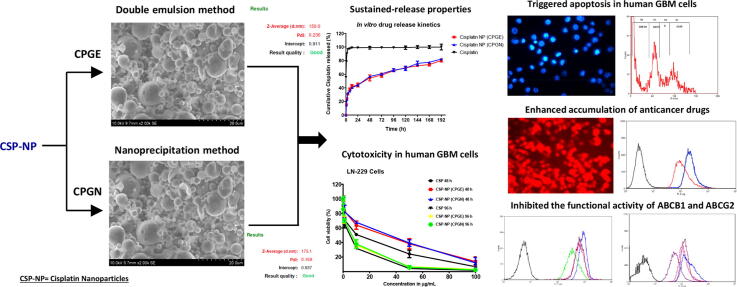
Cisplatin (CSP) is a potent anticancer drug widely used in treating glioblastoma multiforme (GBM). However, CSP's clinical efficacy in GBM contrasted with low therapeutic ratio, toxicity, and multidrug resistance (MDR). Therefore, we have developed a system for the active targeting of cisplatin in GBM via cisplatin loaded polymeric nanoplatforms (CSP-NPs).
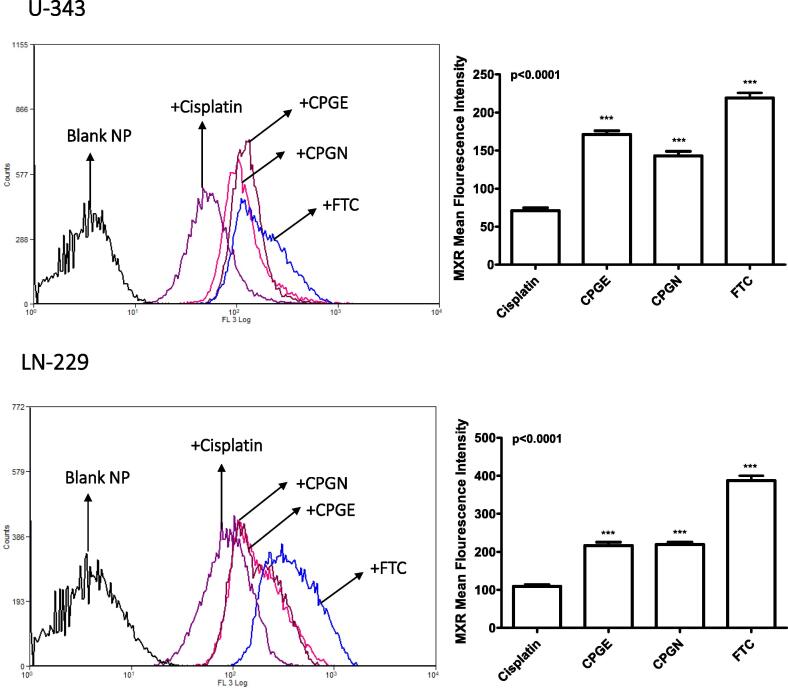
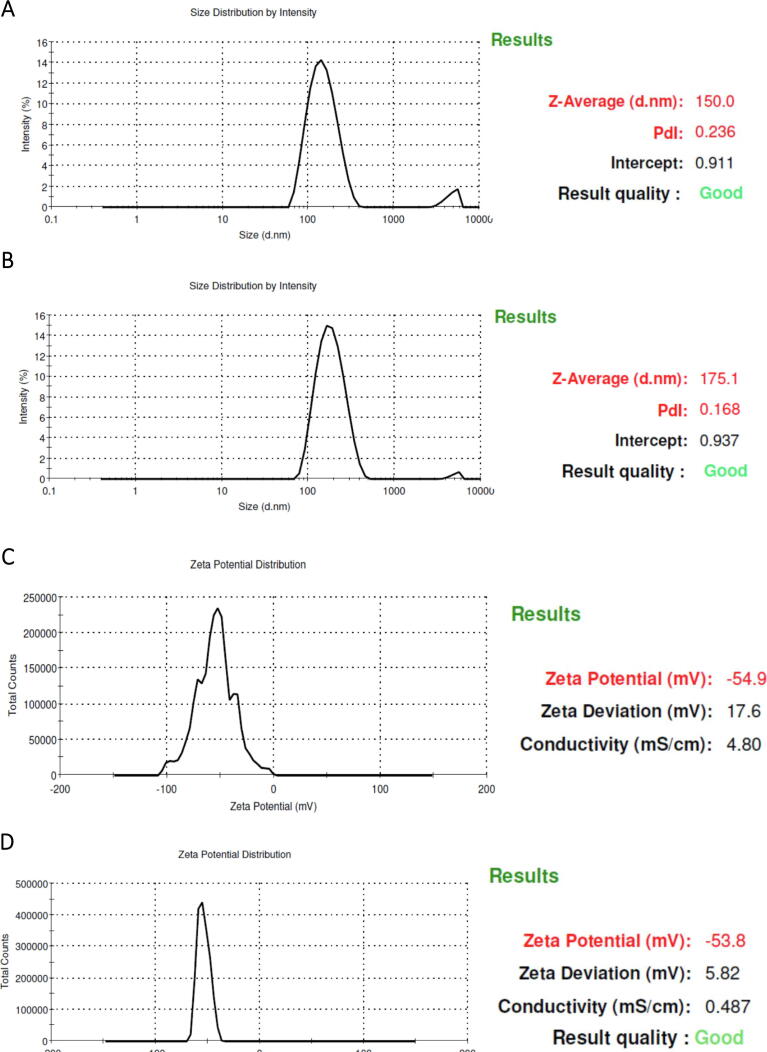
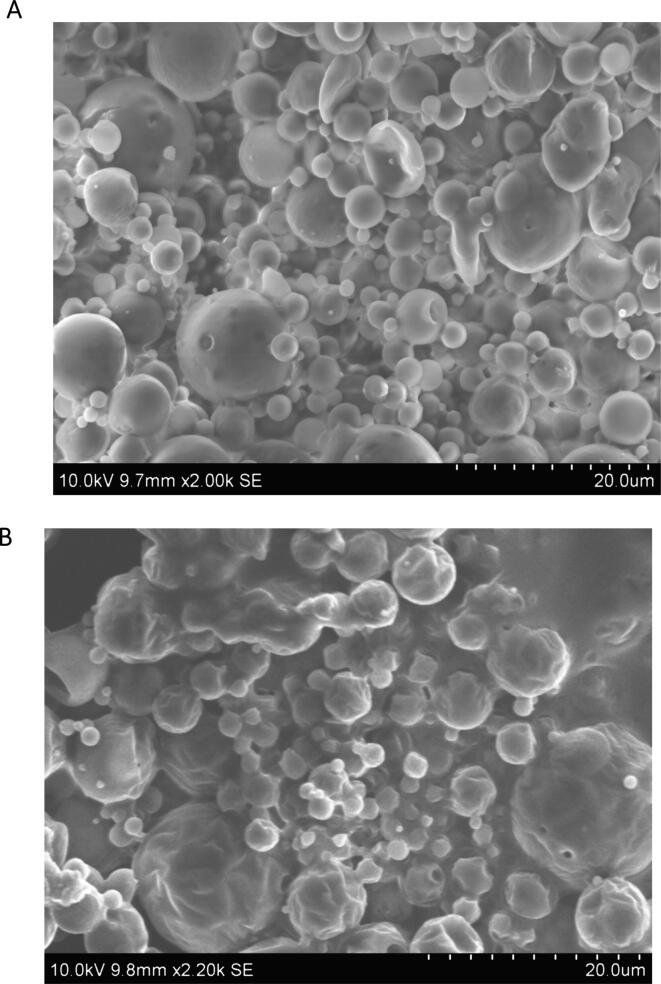
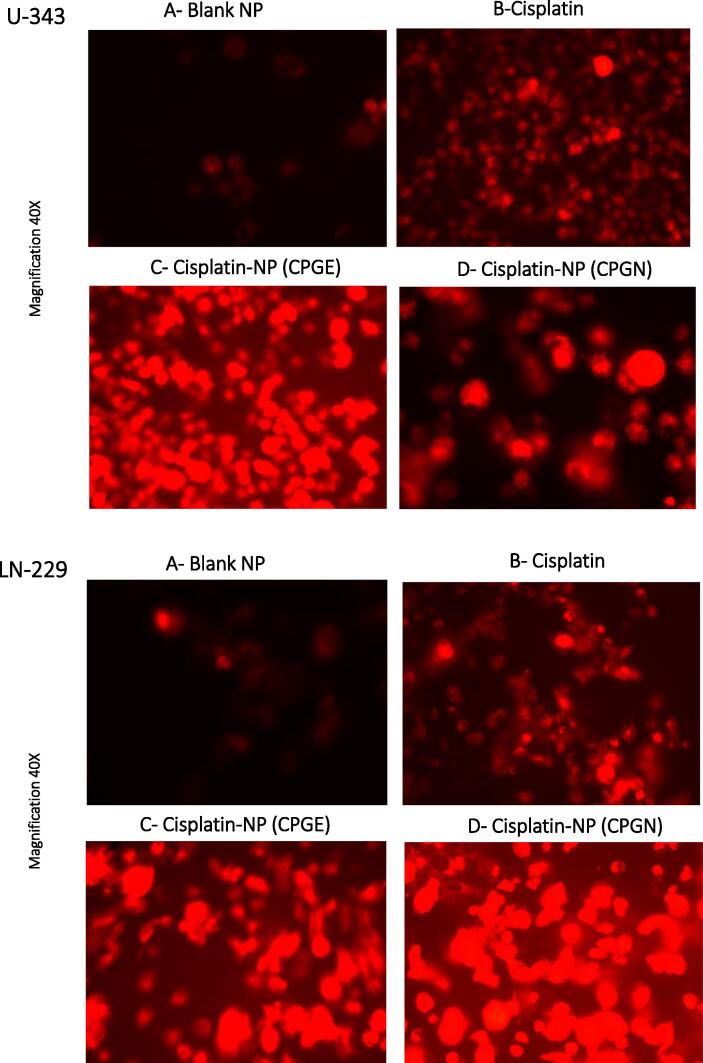
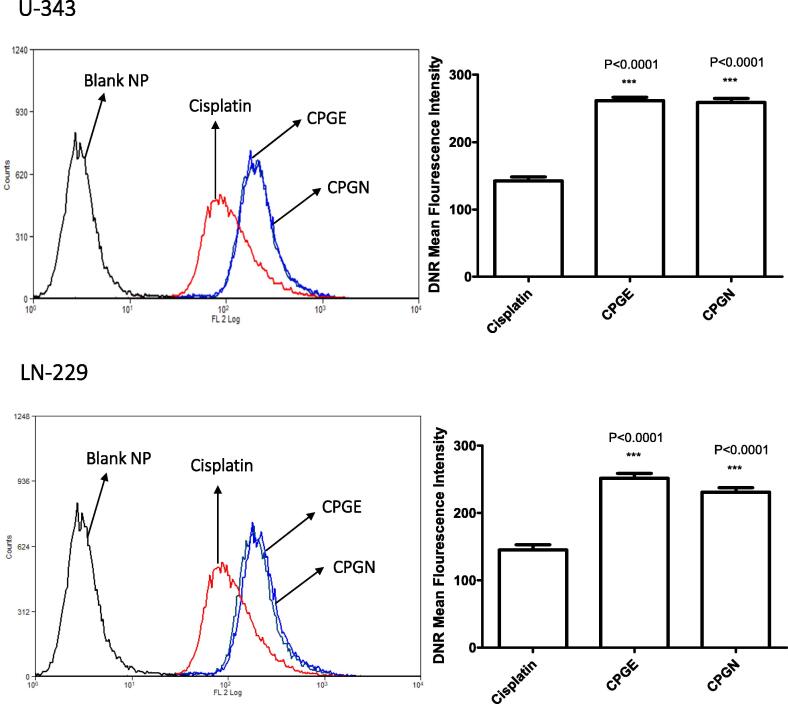
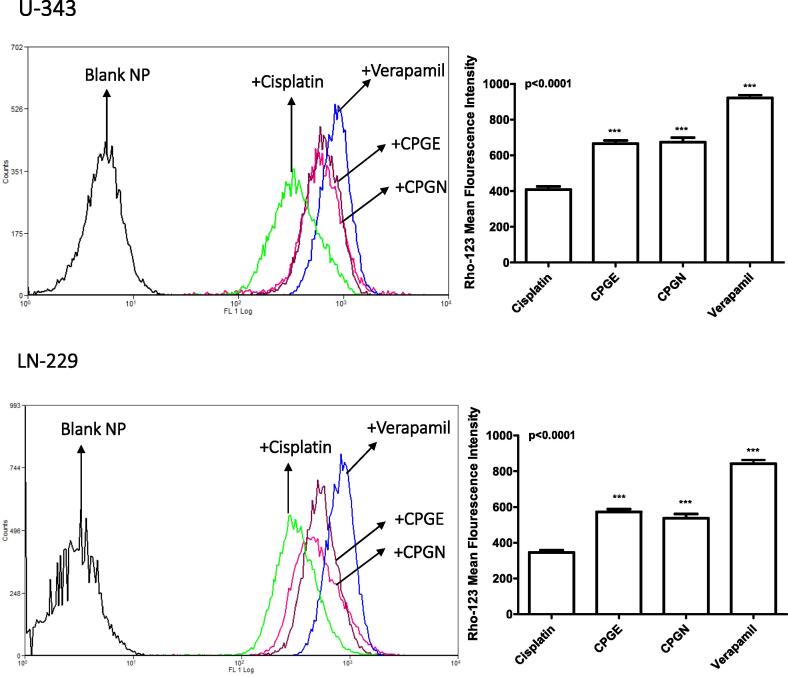
CSP-NPs were prepared by modified double emulsion and nanoprecipitation techniques. The physiochemical characterizations of CSP-NPs were performed using zeta sizer, scanning electron microscopy (SEM), drug release kinetics, and drug content analysis. Cytotoxicity, induction of apoptosis, and cell cycle-specific activity of CSP-NPs in human GBM cell lines were evaluated by MTT assay, fluorescent microscopy, and flow cytometry. Intracellular drug uptake was gauged by fluorescent imaging and flow cytometry. The potential of CSP-NPs to inhibit MDR transporters were assessed by flow cytometry-based drug efflux assays.
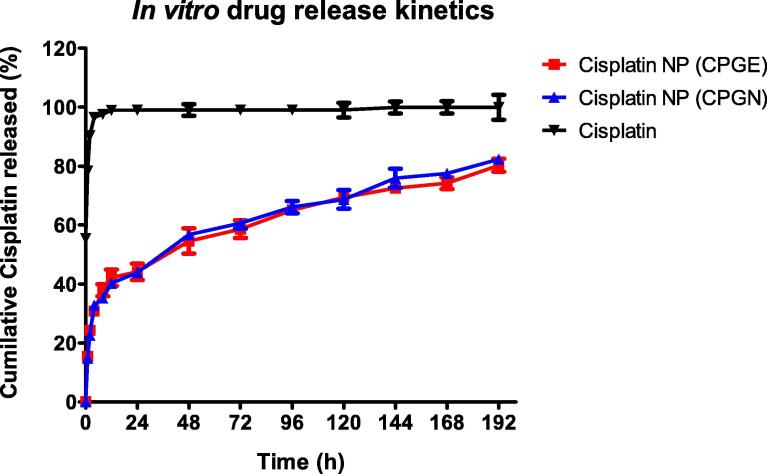
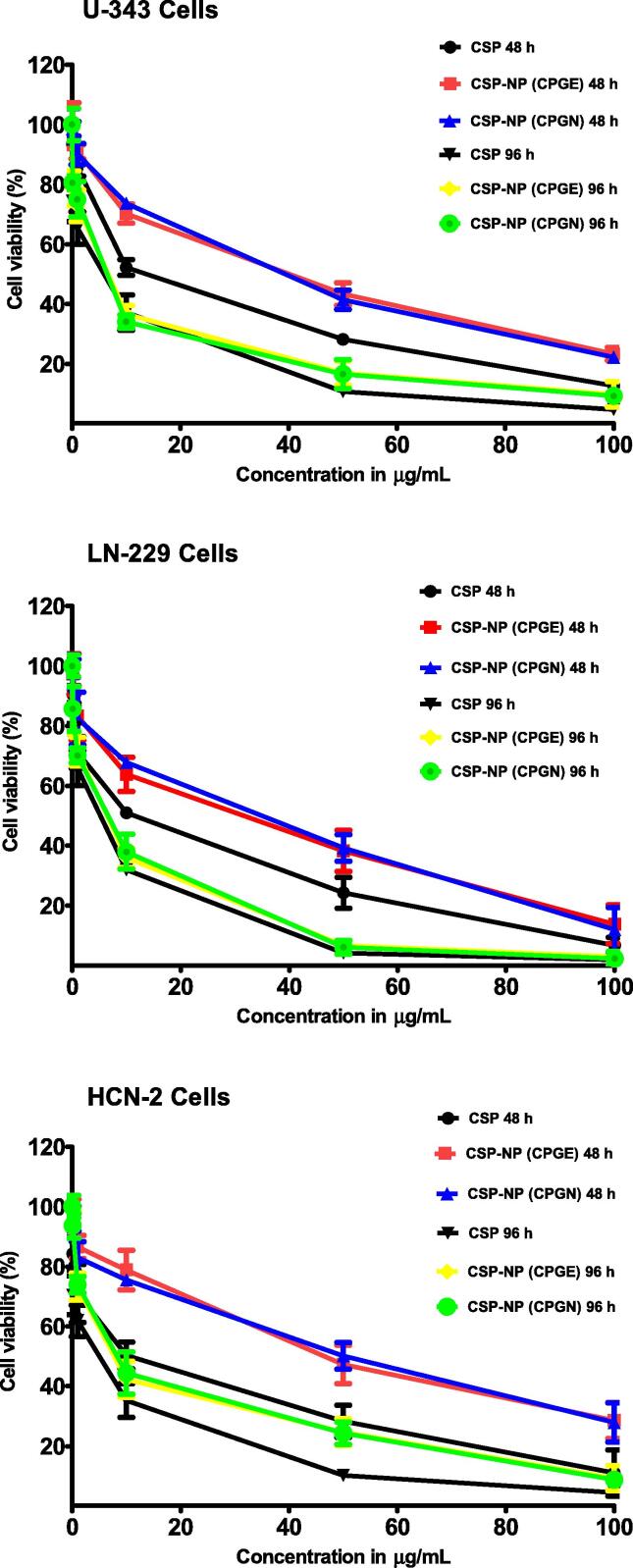
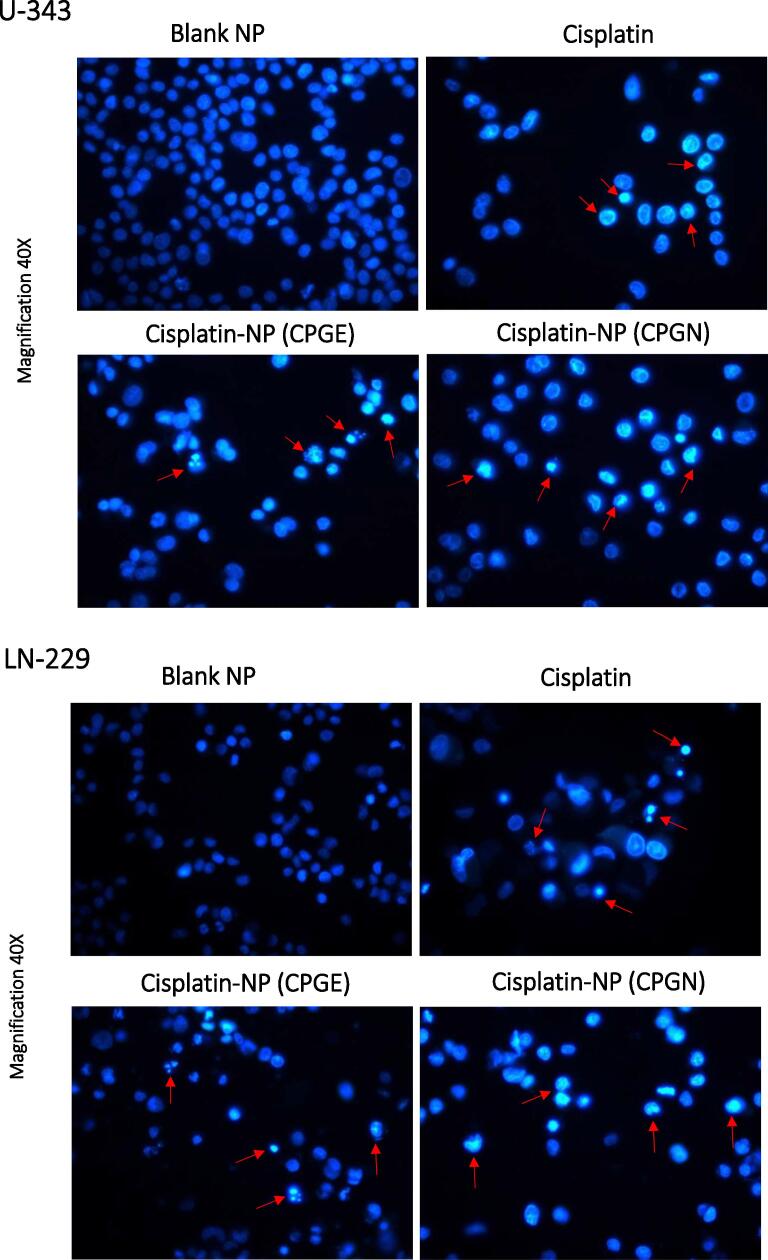
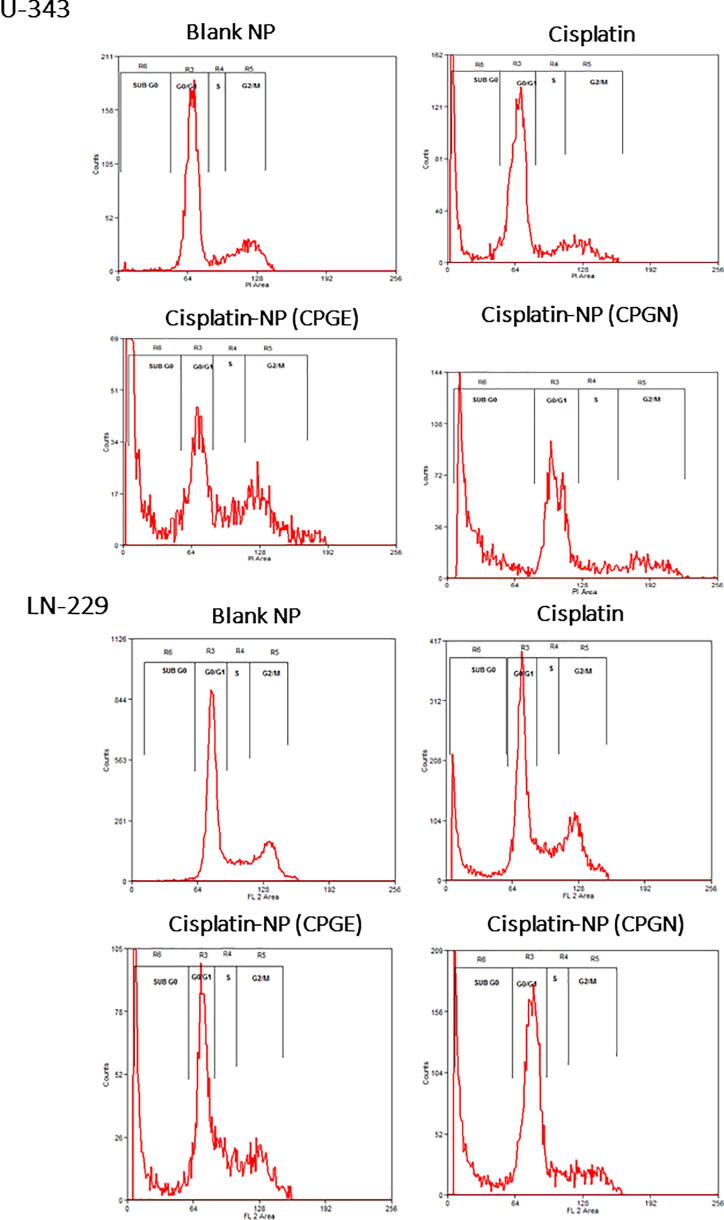
CSP-NPs have smooth surface properties with discrete particle size with required zeta potential, polydispersity index, drug entrapment efficiency, and drug content. CSP-NPs has demonstrated an 'initial burst effect' followed by sustained drug release properties. CSP-NPs imparted dose and time-dependent cytotoxicity and triggered apoptosis in human GBM cells. Interestingly, CSP-NPs significantly increased uptake, internalization, and accumulations of anticancer drugs. Moreover, CSP-NPs significantly reversed the MDR transporters (ABCB1 and ABCG2) in human GBM cells.
The nanoparticulate system of cisplatin seems to has a promising potential for active targeting of cisplatin as an effective and specific therapeutic for human GBM, thus eliminating current chemotherapy's limitations.
顺铂(CSP)是一种强效抗癌药物,广泛用于治疗多形性胶质母细胞瘤(GBM)。然而,CSP在GBM中的临床疗效与低治疗指数、毒性和多药耐药性(MDR)形成对比。因此,我们开发了一种通过负载顺铂的聚合物纳米平台(CSP-NPs)在GBM中实现顺铂主动靶向的系统。
采用改良的双乳液和纳米沉淀技术制备CSP-NPs。使用zeta粒度分析仪、扫描电子显微镜(SEM)、药物释放动力学和药物含量分析对CSP-NPs进行理化表征。通过MTT法、荧光显微镜和流式细胞术评估CSP-NPs在人GBM细胞系中的细胞毒性、凋亡诱导和细胞周期特异性活性。通过荧光成像和流式细胞术测量细胞内药物摄取。通过基于流式细胞术的药物外排试验评估CSP-NPs抑制MDR转运蛋白的潜力。
CSP-NPs具有光滑的表面性质,粒径离散,具有所需的zeta电位、多分散指数、药物包封率和药物含量。CSP-NPs表现出“初始爆发效应”,随后具有持续的药物释放特性。CSP-NPs赋予人GBM细胞剂量和时间依赖性细胞毒性并触发凋亡。有趣的是,CSP-NPs显著增加了抗癌药物的摄取、内化和积累。此外,CSP-NPs显著逆转了人GBM细胞中的MDR转运蛋白(ABCB1和ABCG2)。
顺铂纳米颗粒系统似乎具有将顺铂作为人GBM有效且特异性治疗方法进行主动靶向的潜力,从而消除当前化疗的局限性。