Ketema Ezra B, Lopaschuk Gary D
Department of Pediatrics, Cardiovascular Research Centre, University of Alberta, Edmonton, AB, Canada.
Front Cardiovasc Med. 2021 Aug 2;8:723996. doi: 10.3389/fcvm.2021.723996. eCollection 2021.
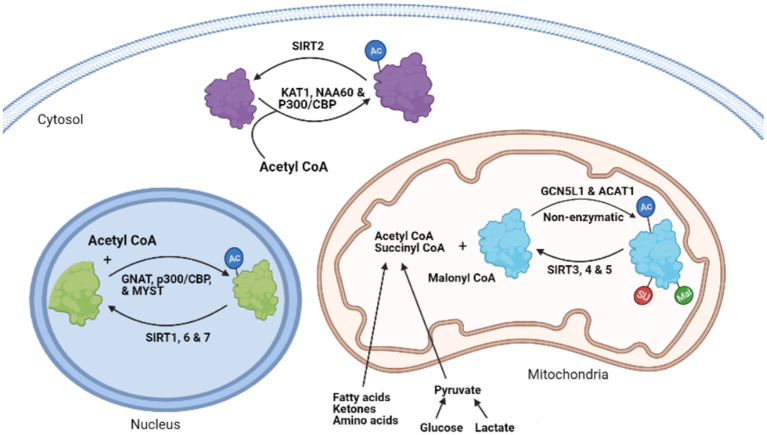
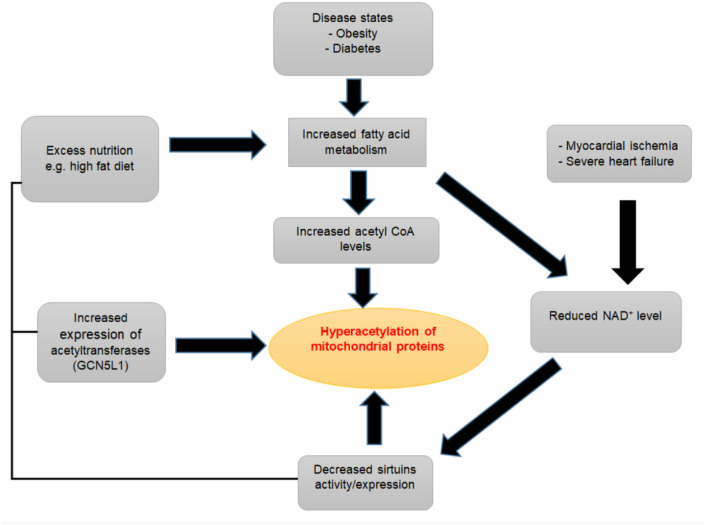
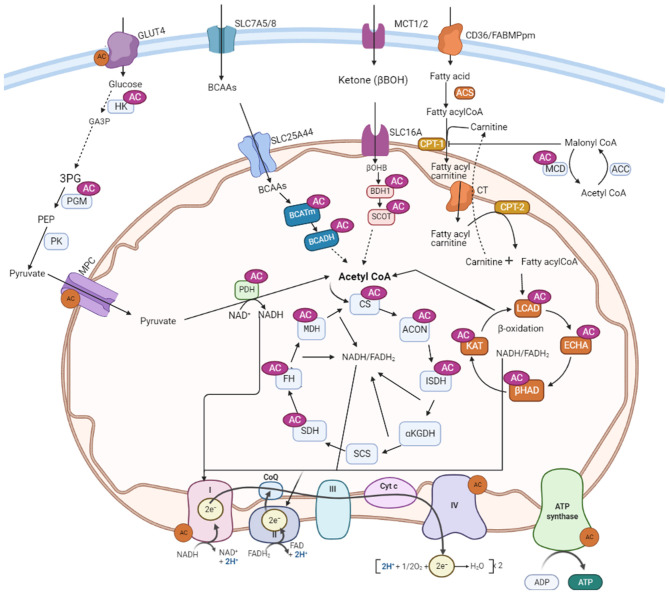
Perturbations in myocardial energy substrate metabolism are key contributors to the pathogenesis of heart diseases. However, the underlying causes of these metabolic alterations remain poorly understood. Recently, post-translational acetylation-mediated modification of metabolic enzymes has emerged as one of the important regulatory mechanisms for these metabolic changes. Nevertheless, despite the growing reports of a large number of acetylated cardiac mitochondrial proteins involved in energy metabolism, the functional consequences of these acetylation changes and how they correlate to metabolic alterations and myocardial dysfunction are not clearly defined. This review summarizes the evidence for a role of cardiac mitochondrial protein acetylation in altering the function of major metabolic enzymes and myocardial energy metabolism in various cardiovascular disease conditions.
心肌能量底物代谢紊乱是心脏病发病机制的关键因素。然而,这些代谢改变的根本原因仍知之甚少。最近,翻译后乙酰化介导的代谢酶修饰已成为这些代谢变化的重要调控机制之一。尽管如此,尽管有越来越多关于大量参与能量代谢的乙酰化心脏线粒体蛋白的报道,但这些乙酰化变化的功能后果以及它们如何与代谢改变和心肌功能障碍相关联仍未明确界定。本综述总结了在各种心血管疾病状态下,心脏线粒体蛋白乙酰化在改变主要代谢酶功能和心肌能量代谢中所起作用的证据。